

As a devoted pet owner, you want nothing but the best for your furry friend. However, when it comes to your dog’s health, it can be challenging to know what to watch for.
Cancer is one of the leading health threats to dogs, and early detection is crucial for successful treatment. Understanding the warning signs can make all the difference. We will explore the “10 Early Warning Signs of Cancer in Dogs. ” By recognizing these signs, you can take proactive steps to ensure your dog’s well-being.
Don’t wait until it’s too late—read on to discover the vital clues that could help save your beloved companion’s life. Your vigilance could be the key to keeping your dog healthy and happy for years to come.
Unexplained Weight Loss
Unexplained weight loss in dogs can be a concerning sign that something is wrong. While dogs may naturally lose or gain some weight due to various factors, significant or sudden weight loss should never be overlooked. This change can indicate underlying health issues, including cancer.
What Does Unexplained Weight Loss Look Like?
Unexplained weight loss is when your dog loses weight without any changes to its diet or exercise routine. You may notice your dog’s ribs or spine becoming more prominent. If your dog seems less energetic or has a decreased appetite, these could be additional red flags.
Why Is Weight Loss A Concern?
Weight loss can be a sign of several health issues, not just cancer. However, cancer is a serious concern that can lead to significant weight loss as the disease progresses. Tumors can affect your dog’s metabolism and nutrient absorption, causing them to lose weight rapidly.
Common Causes Of Weight Loss In Dogs
- Cancer:Tumors can drain energy and appetite.
- Digestive Issues:Conditions like pancreatitis can interfere with nutrient absorption.
- Kidney Disease:Affects your dog’s ability to process food and maintain weight.
- Hormonal Imbalances:Disorders like diabetes can lead to weight loss despite increased eating.
When To Consult A Veterinarian
If you notice your dog losing weight unexpectedly, it’s essential to act quickly. Schedule a vet appointment to discuss your concerns. Early intervention can lead to better outcomes, especially if cancer is involved.
Personal Experience: A Cautionary Tale
Last year, my friend noticed her dog, Max, losing weight and becoming lethargic. Initially, she thought he was just getting older and didn’t pay much attention. A visit to the vet revealed advanced cancer. It was a heartbreaking lesson on the importance of recognizing warning signs early.
Keep An Eye On The Scale
Regularly weighing your dog can help you catch weight loss early. A simple scale at home can make a difference. If you notice fluctuations, take note and discuss them with your vet.
Final Thoughts
Unexplained weight loss can be a vital sign of health issues, including cancer. Always prioritize your dog’s health and well-being. Don’t hesitate to seek professional help if you have concerns.
Lumps Or Bumps
Lumps or bumps on your dog can be concerning. They often signal potential health issues. Early detection can lead to better outcomes. Knowing how to spot these changes is crucial.
Some lumps are benign, while others may indicate cancer. Regular checks can help you notice any changes. Understanding what to look for makes a difference.
Types Of Lumps
There are various types of lumps that can appear on your dog. Fatty tumors, also known as lipomas, are common. They are usually soft and movable.
Other lumps may be cysts or warts. These are often harmless but should still be monitored. Some lumps can be more serious and may require veterinary attention.
Size And Shape Changes
Pay attention to any changes in size or shape. A lump that grows quickly is a red flag. Changes in shape, texture, or firmness are also concerning.
If a lump becomes hard or irregular, consult your vet. Early evaluation can help determine if it is cancerous.
Location Matters
Where a lump appears can indicate its seriousness. Lumps on the abdomen or near lymph nodes may be more concerning. Always note the location and any changes.
Persistent Lumps
Lumps that do not go away warrant attention. A lump that lasts for more than a few weeks should be examined. Even if it seems harmless, don’t ignore it.
Associated Symptoms
Look for other signs that may accompany lumps. These can include swelling, pain, or changes in behavior. Loss of appetite or lethargy can also be warning signs.
Always monitor your dog’s overall health. Changes in activity levels or eating habits can indicate a problem.
Persistent Sores
Persistent sores on your dog can signal serious health issues, including cancer. Keep an eye on any unusual lumps or wounds that don’t heal. Recognizing these signs early can help in seeking timely veterinary care.
Persistent sores on your dog can be a troubling sign that shouldn’t be ignored. These sores may appear as bumps, lesions, or ulcers that don’t seem to heal. When you notice a sore that lingers for weeks or even months, it could be an early warning sign of cancer.
Understanding Persistent Sores
Persistent sores can develop anywhere on your dog’s body. They might be red, inflamed, or even bleeding. If your dog has a sore that looks suspicious, it’s essential to monitor it closely. Consider the case of my neighbor’s dog, Max. He had a small sore on his paw that the owner thought was just a cut. However, weeks later, it hadn’t healed and instead grew larger. A visit to the vet revealed that it was a sign of a more serious condition.
When To Seek Veterinary Care
If you notice a sore that doesn’t heal within two weeks, consult your veterinarian. Early intervention can make a significant difference in treatment outcomes. Your vet will likely perform a thorough examination and may recommend a biopsy if necessary. Ask yourself: Are there other changes in your dog’s behavior or health? Things like lethargy, loss of appetite, or weight loss should also be discussed with your vet.
Common Types Of Sores To Watch For
Watch for these types of persistent sores: – Ulcers: These are open sores that may ooze or bleed. – Lumps: These can be soft or firm and may vary in size. – Warts or Growths: These often appear as raised areas on the skin. Each type of sore could indicate different issues, including potential cancers like mast cell tumors or melanoma.
How To Care For Your Dog’s Skin
Maintain your dog’s skin health by following these tips: – Regular Check-ups: Schedule routine visits to the vet. – Healthy Diet: Provide a balanced diet rich in nutrients. – Skin Hygiene: Regularly bathe and groom your dog to keep their skin clean. Being proactive can help catch any skin issues before they escalate. Persistent sores can be alarming, but staying vigilant and informed can make all the difference. Don’t hesitate to reach out to your vet with any concerns. Your dog’s health and happiness depend on your attentiveness.
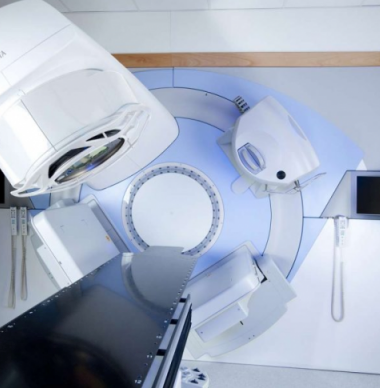
Credit: sashvets.com
Changes In Appetite
Changes in appetite can signal health issues in dogs, including cancer. A sudden decrease or increase in food intake may indicate underlying problems. Observing these changes early can lead to timely veterinary intervention and better outcomes for your pet’s health.
Changes in your dog’s appetite can be alarming. A sudden loss of interest in food may indicate health issues. This symptom can be one of the early warning signs of cancer.
Dogs are creatures of habit. They usually have a regular eating schedule. A noticeable change in this routine is worth investigating. If your dog suddenly refuses to eat or eats much less, take note.
On the other hand, some dogs may show increased hunger. This can be surprising, especially if they are losing weight. Increased appetite combined with weight loss can signal health problems.
Signs Of Decreased Appetite
Watch for signs that your dog isn’t eating as usual. They might turn away from their food bowl. Sometimes, they may only nibble at their meals. This behavior can indicate discomfort or illness.
Other signs include a lack of interest in treats or food rewards. If your dog usually loves snacks but suddenly ignores them, pay attention. This change can be a red flag.
Signs Of Increased Appetite
Some dogs may act hungrier than normal. They might beg for food or search for scraps. Even after eating, they may seem restless or unsatisfied.
This excessive hunger can be confusing. It may mask a serious issue, such as cancer. If your dog eats more but loses weight, it’s time to consult a vet.
Other Concerning Symptoms
Changes in appetite are often accompanied by other signs. Look for weight loss, lethargy, or changes in bathroom habits. These symptoms can provide more context to your dog’s health.
Tracking your dog’s eating habits can help you spot issues early. Regular monitoring is key. A small change can lead to important discoveries.
Difficulty Breathing
Difficulty breathing in dogs can be alarming and is often a sign of serious health issues, including cancer. Your dog may struggle to breathe due to various factors, but when this symptom appears alongside other warning signs, it’s crucial to take action. Recognizing the early signs of cancer can make a significant difference in your dog’s health.
Understanding Difficulty Breathing
When your dog experiences difficulty breathing, it may manifest as wheezing, gasping, or labored breathing. This could indicate underlying problems such as tumors affecting the lungs, pleural effusion, or other respiratory issues. Have you noticed your dog panting excessively even at rest?
Common Causes Of Breathing Issues
- Lung Tumors:Tumors can obstruct airways or invade lung tissue, making it hard for your dog to breathe.
- Fluid in the Chest:Conditions like pleural effusion can cause fluid buildup, compressing the lungs and limiting airflow.
- Inflammation:Inflammatory diseases can lead to swelling in the airways, causing respiratory distress.
Behavior Changes To Watch For
Pay attention to any changes in your dog’s behavior. If your normally energetic dog becomes lethargic or shows reluctance to exercise, it could signal a problem. Have you noticed them resting more than usual or avoiding their favorite activities?
When To Seek Veterinary Help
If your dog exhibits signs of difficulty breathing, don’t wait. It’s essential to consult your veterinarian promptly. Timely intervention can lead to better outcomes, especially if cancer is involved.
Your Role As A Pet Owner
Being vigilant about your dog’s health is key. Regular check-ups can help catch potential issues early. Have you discussed any concerns with your vet during your last visit?
Recognizing difficulty breathing as a potential warning sign of cancer can save your dog’s life. Stay observant and proactive in seeking care, as your dog’s well-being depends on you.
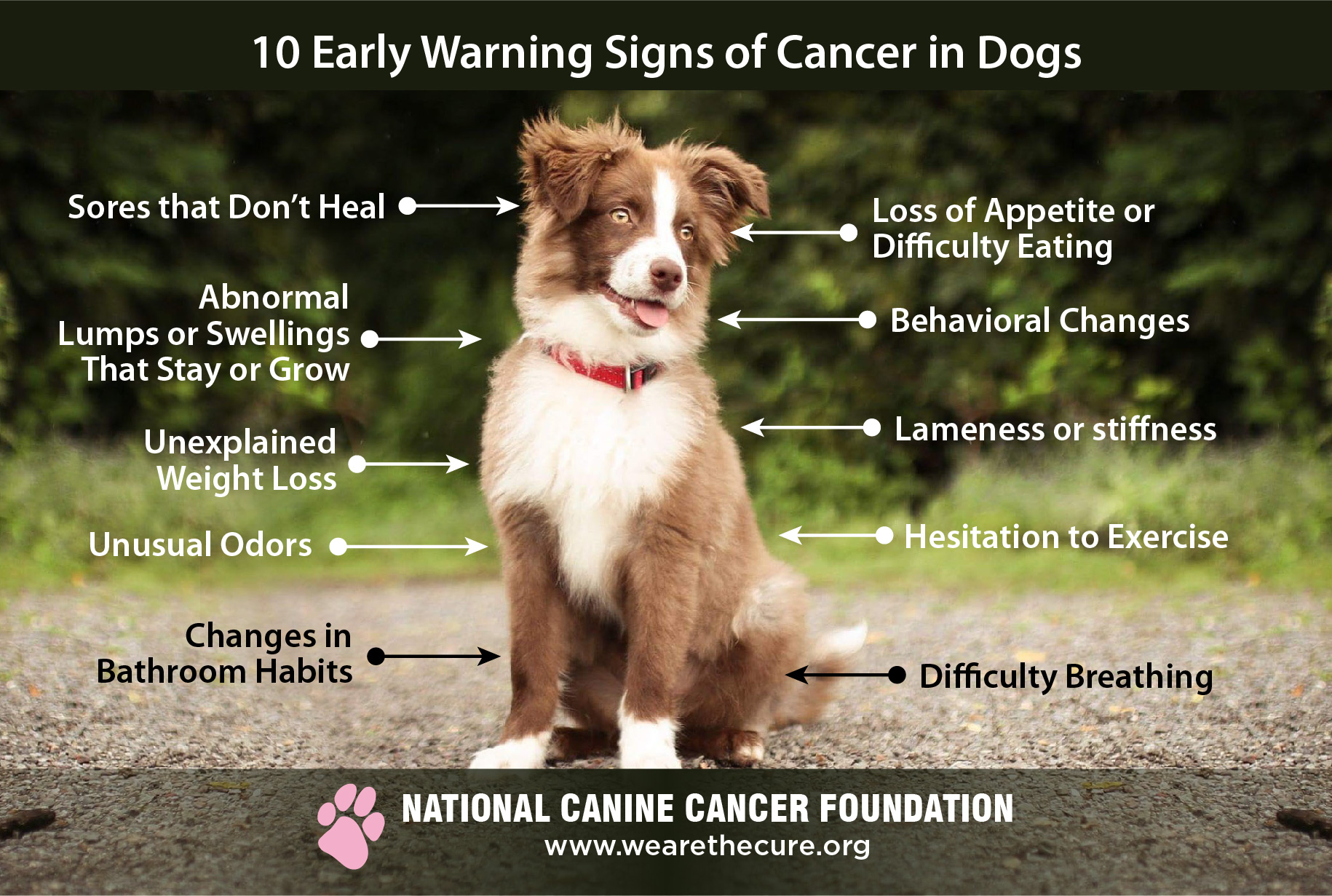
Credit: wearethecure.org
Unusual Odors
Unusual odors can be a warning sign of cancer in dogs. Pay attention to any sudden changes in your dog’s smell. This could indicate underlying health issues that may need veterinary attention. Recognizing these signs early can lead to better outcomes for your pet’s health.
Unusual odors can be a significant and often overlooked early warning sign of cancer in dogs. These odors can stem from various sources within the body, indicating potential health issues. If you notice strange smells emanating from your dog, it’s crucial to pay attention and consult your veterinarian.
Foul Breath
A sudden change in your dog’s breath can signal more than just dental issues. Halitosis, or persistent bad breath, may indicate underlying health problems, including cancer. If you notice a strong, unusual odor that doesn’t improve with regular dental care, it’s time to seek veterinary advice. Remember the time when my friend’s dog, Bella, started to have an awful smell from her mouth? They thought it was just a dental issue. After a vet visit, they discovered Bella had a tumor affecting her jaw.
Body Odors
An increase in body odor can be another sign of something serious. If your dog begins to smell musty or sour, it could be related to an internal issue. Cancer can alter the natural balance of bacteria and yeast in the body, leading to unusual scents. Consider how you would feel if your dog suddenly had a new, strange smell. It can be alarming. Pay attention, and don’t dismiss it as just “doggy smell.”
Odors From The Ears
Foul odors coming from your dog’s ears can indicate infections or even tumors. If you notice a strong smell along with scratching or shaking of the head, don’t ignore it. Ear infections can be common, but persistent odors could point to more severe health issues. Keep an eye on your dog’s grooming habits. Changes in how your dog cleans its ears might give you clues about its health.
Unusual Smells From The Skin
Your dog’s skin should have a natural scent, but any sudden or strong odor could be a warning sign. This could be due to skin infections or tumors, which can cause a buildup of bacteria. If your dog’s skin smells bad, it’s essential to investigate further. Have you ever noticed your dog scratching more than usual? That could be a sign of a problem. Combine that with an odor, and it’s time to take action.
Urine And Feces Odors
Changes in the smell of your dog’s urine or feces can also be significant. A strong, foul odor from either can indicate urinary tract issues or digestive problems, which may be linked to cancer. If you notice any unusual smells, it’s best to consult your vet. Monitor your dog’s bathroom habits closely. Any changes in smell or consistency can provide vital clues to their health. Recognizing unusual odors as a potential sign of cancer could save your dog’s life. Stay vigilant and proactive about your furry friend’s health. Have you noticed any strange smells with your dog lately? Don’t wait; your dog deserves the best care possible.
Behavioral Changes
Behavioral changes in dogs can be subtle yet significant signs of underlying health issues, including cancer. You know your pet best, so any shift in their usual habits deserves your attention. Recognizing these changes early can lead to timely veterinary intervention.
Increased Lethargy
If your once-active dog suddenly seems tired or uninterested in play, it could be a warning sign. Lethargy may indicate pain or discomfort that you can’t see. Pay attention to how long your dog sleeps compared to their usual routine.
Loss Of Interest In Activities
Has your dog stopped showing interest in walks, fetch, or even their favorite toys? A lack of enthusiasm for activities they once loved can signal emotional or physical distress. It’s essential to observe these changes closely.
Significant changes in eating habits can indicate serious health issues. A sudden loss of appetite or increased thirst can be signs of cancer. If your dog refuses to eat or seems to be drinking more water than usual, consult your vet.
Increased Aggression Or Withdrawal
Some dogs may become more aggressive due to pain or discomfort, while others might withdraw and become less social. If your friendly pup is suddenly growling or hiding, this shift can be alarming. It’s crucial to assess their overall behavior during this time.
Excessive Grooming
Are you noticing your dog grooming themselves more than usual? Excessive licking, biting, or scratching can indicate discomfort or anxiety. This behavior might be a coping mechanism for pain that warrants a closer look.
Consider your dog’s changes carefully. Have you noticed any of these signs recently? Monitoring your dog’s behavior can provide valuable insights and help ensure they receive the care they need.
Credit: petcureoncology.com
Vomiting Or Diarrhea
Vomiting or diarrhea in dogs can be alarming for any pet owner. While these symptoms can stem from various causes, they may also serve as early warning signs of something more serious, like cancer. Understanding these signs can help you take timely action and ensure your furry friend receives the care they need.
Understanding The Symptoms
When a dog experiences vomiting or diarrhea, it’s often the body’s way of signaling distress. These symptoms can indicate gastrointestinal issues, infections, or even more severe conditions like cancer. Your dog’s health and behavior should always be monitored closely.
Gastrointestinal Cancer
Tumors in the stomach or intestines can disrupt normal digestion. This disruption can lead to persistent diarrhea or vomiting. If your dog’s stools suddenly change in consistency or color, it’s a reason to consult your veterinarian.
Lymphoma’s Impact
Lymphoma is a common type of cancer in dogs that can directly affect the gastrointestinal tract. Symptoms often include vomiting and diarrhea along with weight loss. If your dog seems lethargic or loses their appetite, these could be additional red flags.
Other Cancers
Not all cancers directly affect the digestive system but can still cause diarrhea. Hormonal imbalances or inflammatory responses from other cancers can disrupt normal digestion. Pay attention to any unusual changes in your dog’s bathroom habits.
When To Seek Help
If your dog has persistent vomiting or diarrhea, especially when accompanied by other symptoms like lethargy or weight loss, it’s crucial to consult a veterinarian. Early detection is key for effective treatment. Don’t wait for symptoms to worsen; act promptly for your dog’s health.
Have you noticed any changes in your dog’s eating habits or energy levels along with these symptoms? Your observations can provide valuable information to your vet. Stay vigilant and proactive about your dog’s health.
Changes In Urination
Changes in urination can signal health issues in dogs. Increased frequency, straining, or blood in urine may indicate early signs of cancer. Observing these changes is vital for prompt veterinary care and potential early diagnosis. Always monitor your dog’s bathroom habits closely for any unusual patterns.
Changes in urination can be one of the first signs of underlying health issues in dogs, including cancer. Monitoring your dog’s bathroom habits is essential for early detection. Any noticeable changes can be a call for attention, so let’s dive into what these changes might mean.
Increased Frequency Of Urination
If you notice your dog needs to go out more often than usual, take note. An increase in urination frequency can indicate various health issues, including urinary tract infections or bladder tumors. A friend of mine had a Golden Retriever who suddenly started asking to go outside every hour. After a vet visit, they discovered a growth that needed immediate attention. Are you keeping track of your dog’s bathroom breaks?
Straining To Urinate
Straining during urination can be a painful experience for your pet. If your dog appears to be struggling, it could be a sign of a blockage or inflammation in the urinary tract. Watching your dog struggle can be distressing. It’s essential to consult with your vet promptly to identify the underlying issue. Have you noticed any signs of discomfort when your dog tries to relieve itself?
Blood In Urine
Seeing blood in your dog’s urine is alarming and should never be ignored. Hematuria can indicate serious conditions, including tumors in the urinary bladder or kidneys. A neighbor once found blood in her dog’s urine and rushed him to the vet, where they discovered a tumor that needed urgent treatment. What would you do if you found blood in your dog’s urine?
Changes In Urine Color
Pay attention to the color of your dog’s urine. Dark or cloudy urine can signal dehydration or more severe conditions, including cancer. I remember when my dog’s urine started turning dark, and it turned out he had a urinary infection. This was a sign to act quickly, as untreated issues can escalate. Is your dog’s urine color consistent with good health?
Incontinence
Sudden incontinence, where your dog loses control of their bladder, can be distressing for both of you. This change can signal underlying tumors or other serious health problems. When my sister’s dog began having accidents in the house, they discovered he had developed a tumor pressing on his bladder. Are you prepared for the possibility of health issues that can cause incontinence in your dog?
Excessive Thirst
If your dog is drinking more water than usual, it may be a sign of health problems. Increased thirst can accompany certain cancers, indicating that your dog’s body is trying to compensate for an underlying issue. One day, my dog started gulping water like he was in a desert. After a vet check, they found it was related to a kidney issue. How often do you refill your dog’s water bowl? Understanding these changes in urination can help you catch potential health issues early. Regular monitoring and timely veterinary visits can make a significant difference in your dog’s health and well-being. Always trust your instincts as a pet owner; if something feels off, it probably is.
Non-healing Wounds
Non-healing wounds in dogs can signal serious health issues. These wounds do not improve over time. They can be a sign of underlying problems, including cancer. Recognizing these signs early is essential for your dog’s health.
Wounds that refuse to heal may indicate a weakened immune system. Cancer can compromise the body’s ability to repair itself. A wound that persists for weeks or months warrants immediate attention.
Types Of Non-healing Wounds
There are various types of non-healing wounds. These may include sores, lesions, or growths. Each type requires careful observation. Changes in size, color, or texture can indicate more serious issues.
Common Locations For Non-healing Wounds
Non-healing wounds can appear anywhere on your dog’s body. Common spots include the paws, abdomen, and ears. Pay attention to any unusual bumps or sores. These could be signs of a deeper problem.
Associated Symptoms To Watch For
Look for additional symptoms alongside non-healing wounds. Signs like swelling, redness, or drainage can indicate infection. Weight loss, lethargy, and loss of appetite can also occur. These symptoms often suggest a more severe health issue.
When To See A Veterinarian
Consult a veterinarian if you notice non-healing wounds. Timely intervention can make a difference. A vet can assess the wound and perform necessary tests. Early diagnosis is crucial in managing potential cancer.
Preventive Measures
Maintain your dog’s overall health to prevent non-healing wounds. Regular vet check-ups are important. Keep your dog’s environment clean and safe. Good nutrition can also boost their immune system.
Frequently Asked Questions
Can Cancer In Dogs Cause Diarrhea?
Yes, cancer in dogs can cause diarrhea. This is especially true for cancers affecting the gastrointestinal tract or lymphatic system. Tumors in the digestive organs can disrupt normal digestion, leading to loose stools. Other systemic cancers may also result in gastrointestinal issues, including diarrhea.
At What Age Do Most Dogs Get Cancer?
Most dogs are diagnosed with cancer between the ages of 7 and 12 years. Larger breeds tend to develop cancer earlier than smaller breeds. Regular veterinary check-ups can help with early detection and treatment. Early intervention often improves outcomes for affected dogs.
How Do Dogs Act When They Have Cancer?
Dogs with cancer may show signs like lethargy, weight loss, decreased appetite, and unusual lumps. They might also experience vomiting, diarrhea, or changes in behavior. Pain and discomfort can lead to increased aggression or withdrawal. Regular veterinary check-ups are essential for early detection and treatment.
Can Cancer In Dogs Cause Increased Appetite?
Yes, cancer in dogs can lead to increased appetite. Certain types of cancer may stimulate hunger due to metabolic changes or hormonal imbalances. Always consult a veterinarian if you notice unusual changes in your dog’s eating habits. Early detection can significantly impact treatment outcomes.
What Are The Early Signs Of Cancer In Dogs?
Early signs of cancer in dogs include unusual lumps, weight loss, and persistent lethargy.
Can Dogs Show Behavioral Changes With Cancer?
Yes, dogs may become more withdrawn or less active when facing cancer.
Is Weight Loss A Sign Of Cancer In Dogs?
Weight loss can indicate cancer, especially if it happens suddenly or without a reason.
How Can I Tell If My Dog Has Pain?
Signs of pain include whining, limping, or reluctance to move or play.
Are There Specific Lumps To Watch For?
Lumps that are hard, growing, or painful should be examined by a vet.
Do Changes In Appetite Signal Cancer?
Yes, a sudden decrease or increase in appetite may signal health issues, including cancer.
Conclusion
Recognizing early warning signs of cancer in dogs is vital. Awareness can lead to quicker diagnosis and treatment. Regular vet visits help catch these signs early. Pay attention to any changes in your dog’s behavior, appetite, or physical appearance. Your dog’s health matters.
Stay proactive and informed. The sooner you act, the better the chances for a positive outcome. Take these signs seriously. Your furry friend relies on you for care and support. Always consult your veterinarian if you notice anything unusual. Together, you can ensure your dog lives a healthy, happy life.




This is a truly vital article! Your list of 10 early warning signs of cancer in dogs is incredibly helpful for proactive owners. My biggest concern is finding a lump—you mentioned that not all lumps are malignant. What is the single most important factor that determines if a dog lump or bump should be immediately checked by a vet, even if the dog acts fine? Thank you for emphasizing cancer in dogs early detection!
Michelle, thank you for reading this vital information. That’s an excellent question, as the “lump or bump” is one of the most common dog cancer symptoms! The single most important factor determining the urgency of a dog lump or bump is whether it is changing.
Any lump that is rapidly growing, changing in texture, or becoming fixed (not moving easily under the skin) needs immediate attention. While size isn’t everything, these changes warrant a veterinary check-up, often including a simple FNA (fine-needle aspiration). Consistency in checking for the early warning signs of cancer in dogs is your best tool for successful treatment.