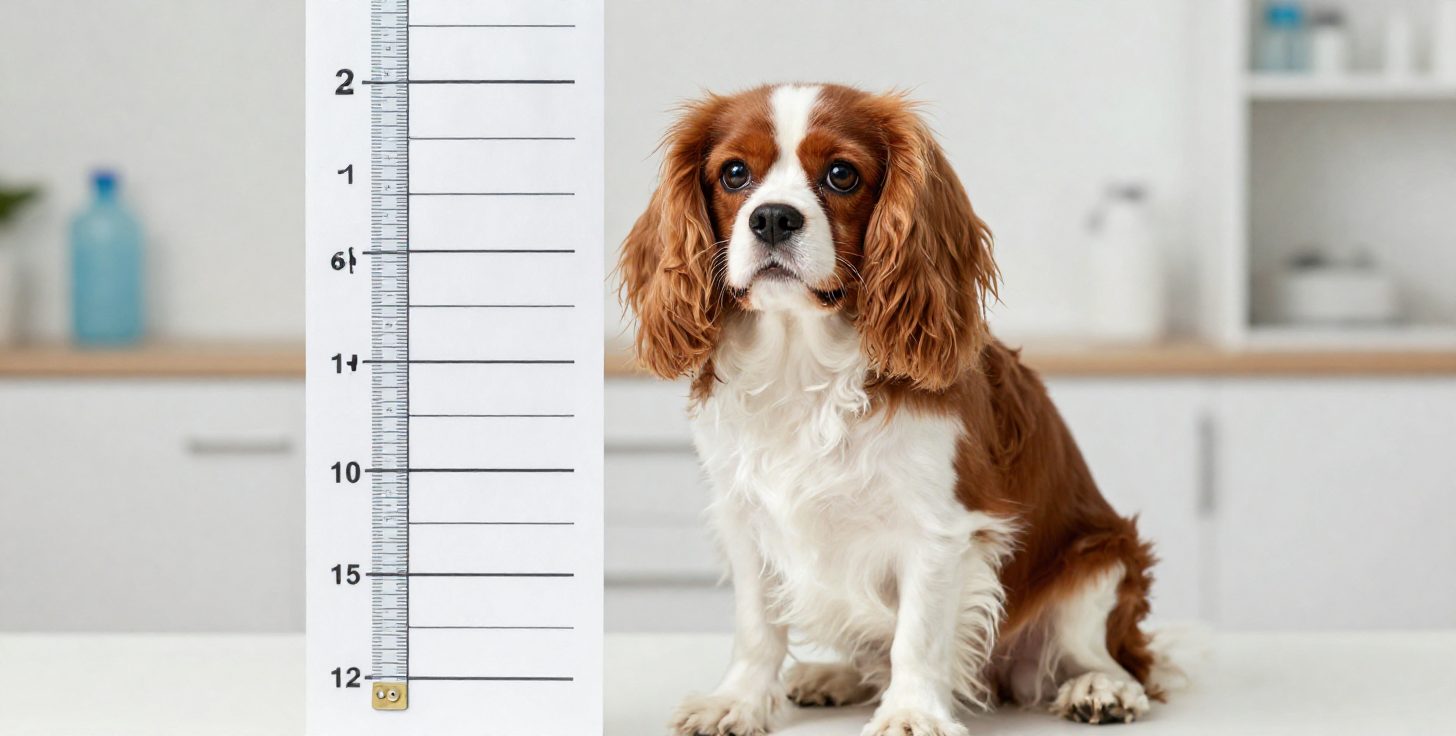
Are you wondering why your Cavalier King Charles Spaniel is so small compared to others? You’re not alone.
Many pet owners notice their furry friend’s size and start to question if something is wrong. Understanding why your dog is smaller can help you feel more confident about their health and happiness. You’ll discover the common reasons behind your Cavalier’s size and what it means for your beloved companion.
Keep reading to learn Why Is My Cavalier King Charles Spaniel So Small.
Credit: happaw.com
Breed Characteristics
Cavalier King Charles Spaniels are known for their charming and gentle nature. Their size plays a big role in their appeal. Understanding their breed characteristics helps explain why some may appear smaller than expected.
Typical Size Range
Cavalier King Charles Spaniels usually weigh between 13 and 18 pounds. Their height ranges from 12 to 13 inches at the shoulder. This size makes them perfect lap dogs. Small but sturdy. Their size is consistent across most healthy dogs of this breed.
Genetic Factors
Genetics influence a Cavalier’s size greatly. Puppies inherit size traits from their parents. Some may be smaller due to genes passed down. Breeding lines also affect size variations. Smaller Cavaliers may come from tiny parents or grandparents. Genetics explain natural differences in size within the breed.
Health Influences
Health plays a big role in the size of your Cavalier King Charles Spaniel. Some health factors can make your dog smaller than usual. Understanding these can help you care better for your pet.
Nutritional Impact
Poor nutrition can stunt your dog’s growth. Puppies need a balanced diet full of vitamins and minerals. Without enough nutrients, their bodies cannot grow properly. Feeding low-quality food or skipping meals affects size. Proper feeding supports strong bones and muscles.
Common Health Issues
Some health problems cause small size in Cavaliers. Heart conditions and infections can slow growth. Parasites in the stomach steal nutrients, making puppies weak. Regular vet checks catch these problems early. Treating health issues helps your dog reach normal size.
Growth Disorders
Growth disorders affect how your dog develops. Conditions like dwarfism cause smaller bones and short legs. These disorders are genetic and may not be fixed. Early signs include slow weight gain and small stature. A vet can diagnose growth problems with tests.

Credit: www.reddit.com
Environmental Factors
Environmental factors play a key role in your Cavalier King Charles Spaniel’s size. These elements influence how your dog grows and develops over time. Not just genetics, but where and how your dog lives affects its size and health. Understanding these factors helps explain why your dog may be smaller than usual.
Living Conditions
Your dog’s living environment affects its growth directly. Small spaces can limit movement and reduce muscle development. A quiet, stress-free home encourages healthy growth. Too much noise or chaos might stress your dog and stunt growth. Temperature also matters. Cold homes can slow metabolism and affect size. Warm, comfortable spaces support better health and growth.
Exercise And Activity Levels
Exercise helps your dog build strong muscles and bones. Low activity levels can lead to smaller size and weaker muscles. Regular walks and playtime stimulate growth and improve health. Lack of exercise may cause your dog to stay smaller than normal. Active dogs develop better coordination and overall size. Balance is key—too much exercise can also harm growth.
Age And Development
Age plays a big role in why your Cavalier King Charles Spaniel might seem small. Puppies grow fast but not all at the same speed. Understanding how they develop helps explain their size at different stages.
Puppy Growth Stages
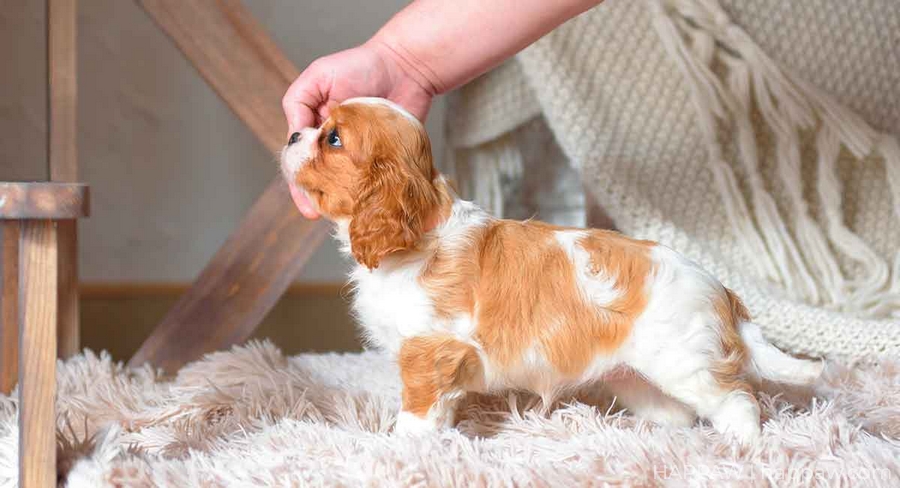
Puppies grow in clear stages. At first, they are tiny and fragile. By eight weeks, they start to look more like small dogs. Growth slows after three months but continues steadily. By six months, many puppies reach half their adult size. The last few months show slower growth. Small size in young puppies is normal and expected.
Adult Size Expectations
Adult Cavaliers usually weigh between 13 and 18 pounds. Their height ranges from 12 to 13 inches at the shoulder. Some dogs stay smaller due to genetics or health. A fully grown Cavalier still looks small compared to larger breeds. Knowing the expected adult size helps set realistic expectations.
Comparing With Other Dogs
Comparing your Cavalier King Charles Spaniel to other dog breeds helps understand its small size. Dogs come in many sizes, from tiny to very large. Each breed has unique traits that affect their height and weight. Recognizing these differences makes it easier to see why your dog is small.
Differences In Size
Cavalier King Charles Spaniels are naturally small dogs. Most adults weigh between 13 to 18 pounds. Other dog breeds, like Labradors or German Shepherds, can weigh over 70 pounds. Size depends on genetics and breed standards. Some breeds are bred to be large for work or protection. Cavaliers were bred as companion dogs, so size is smaller.
Mixed Breeds And Size Variations
Mixed breed dogs can vary in size a lot. If your Cavalier is mixed with a smaller breed, it may be smaller than normal. Mixing with a larger breed can make a dog bigger. Size depends on which parent’s genes are stronger. Mixed breeds can surprise owners with their final size. Knowing parent breeds helps predict adult size better.
Credit: happaw.com
When To Consult A Vet
Your Cavalier King Charles Spaniel may be smaller than expected. Sometimes, small size is normal. Other times, it signals a health issue. Knowing when to consult a vet helps protect your dog’s health. Early check-ups catch problems before they grow serious. Watch your dog’s growth and behavior closely. Unusual signs call for a vet visit.
Signs Of Growth Problems
Your dog may have growth problems if it is very small. Look for signs like poor weight gain or a thin body. Weakness or low energy can also indicate an issue. Delayed walking or trouble standing are warning signs. Notice if your dog eats less or has a poor appetite. Swollen joints or bone pain need immediate attention.
Recommended Medical Tests
The vet may run several tests to find the cause. Blood tests check for infections or hormone problems. X-rays show bone development and joint health. Ultrasound scans can examine internal organs. Sometimes, the vet tests for parasites or nutrient deficiencies. These tests help create the best care plan for your dog.
Frequently Asked Questions
Why Is My Cavalier King Charles Spaniel Smaller Than Usual?
Small size in Cavaliers can result from genetics, diet, or health issues. Some dogs naturally have smaller frames. Poor nutrition or parasites can stunt growth. Always consult a vet to rule out medical problems affecting size.
Can Poor Nutrition Cause A Small Cavalier King Charles Spaniel?
Yes, inadequate nutrition during puppyhood can stunt a Cavalier’s growth. Balanced diet with essential nutrients supports healthy development. Feeding low-quality food or inconsistent meals may lead to a smaller size. Proper feeding is crucial for optimal growth.
Does Genetics Affect The Size Of Cavalier King Charles Spaniels?
Genetics play a major role in a Cavalier’s size. Some lines produce naturally smaller dogs due to inherited traits. Breeding practices influence size variations. Understanding your dog’s lineage helps explain size differences.
When Should I Worry About My Cavalier’s Small Size?
If your Cavalier is significantly smaller than breed standards or shows health issues, consult a vet. Sudden growth delays or weight loss need immediate attention. Early diagnosis ensures better treatment and growth outcomes.
Conclusion
Small size in Cavalier King Charles Spaniels often comes from genetics or health. Each dog grows at its own pace and size range. Nutrition and care also affect how big they become. Understanding your dog’s unique traits helps you care better.
Stay patient and enjoy your small, loving companion. Their size does not change their big heart or charm. Keep watching their health and growth with your vet. Your little dog can still bring lots of joy.