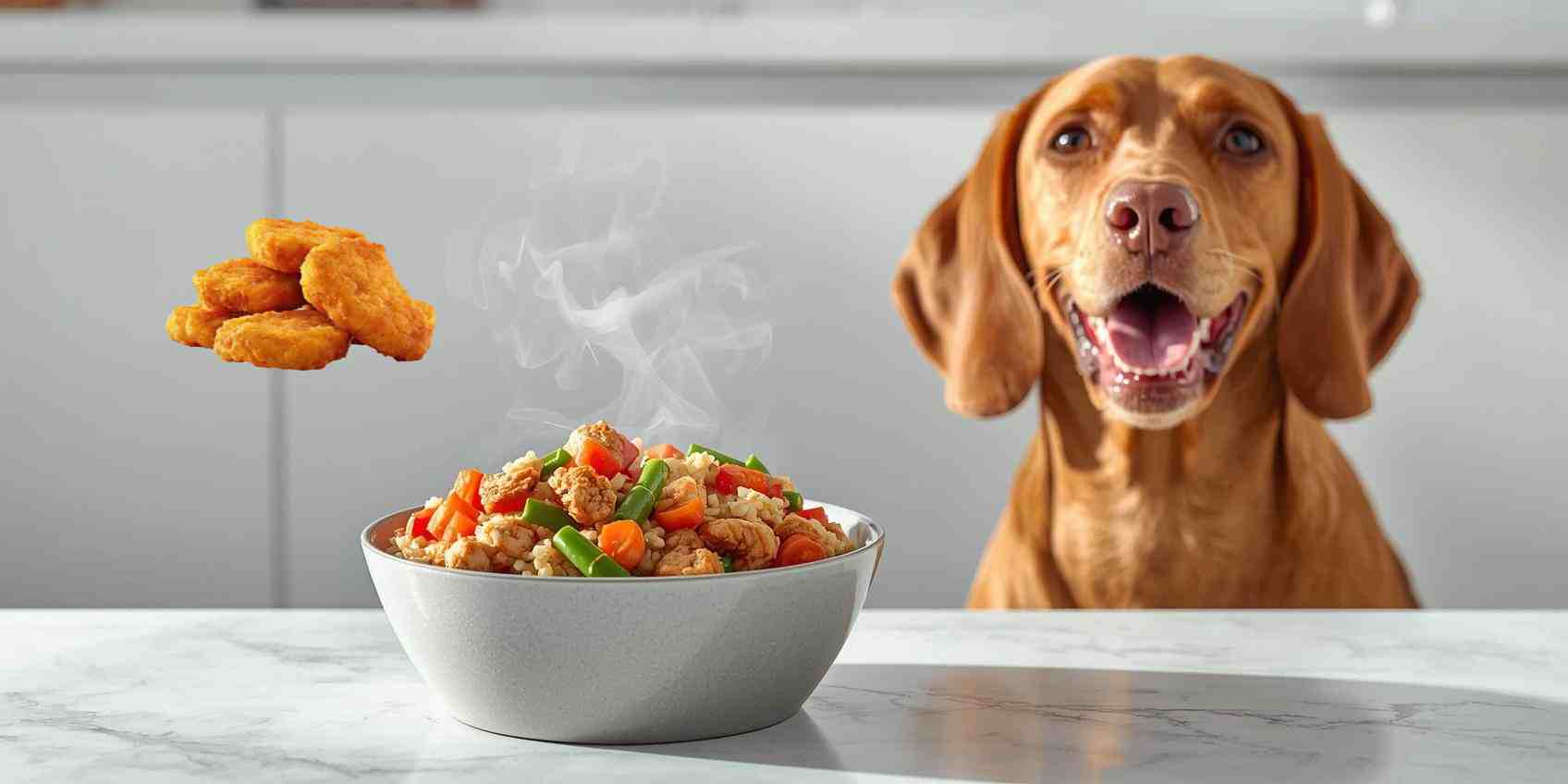
Are you looking for healthy and tasty meals your dog will love? Chicken dog food recipes could be the perfect solution.
Using simple ingredients, you can make nutritious dishes that keep your furry friend happy and energetic. Imagine serving meals made with care, knowing exactly what goes into your dog’s bowl. Keep reading to discover easy recipes that will make mealtime exciting for your dog—and stress-free for you.
Credit: inthevintagekitchen.com
Benefits Of Chicken In Dog Food
Chicken is a popular ingredient in dog food recipes. It offers many health benefits for dogs of all ages. Using chicken in homemade dog meals can improve your dog’s diet and overall well-being.
Chicken provides essential nutrition. It supports muscle growth and energy. Many dog owners choose chicken for its easy digestibility and taste dogs enjoy.
High Protein Content
Chicken is rich in protein. Protein helps build strong muscles and tissues. Active dogs need protein to stay healthy and energetic. Chicken protein is easy for dogs to digest. It supports lean muscle maintenance and repair.
Essential Nutrients
Chicken contains important vitamins and minerals. It has B vitamins that boost metabolism and energy. Minerals like phosphorus and selenium support bone health and immunity. These nutrients keep dogs active and happy. Chicken offers balanced nutrition for daily needs.
Allergy-friendly Option
Chicken often suits dogs with food allergies. It is less likely to cause allergic reactions. Many dogs tolerate chicken better than other meats. Using chicken can reduce skin problems and digestive issues. It is a safe choice for sensitive dogs.
Choosing The Right Chicken
Choosing the right chicken is key to making healthy dog food recipes. The quality of chicken affects your dog’s health and taste of the meal. Fresh, safe, and nutritious chicken helps keep your dog strong and happy.
Organic Vs. Conventional
Organic chicken comes from birds raised without antibiotics or hormones. It often has fewer chemicals and pesticides. Conventional chicken may contain residues from medicines and faster growth methods. Organic chicken usually costs more but offers cleaner nutrition for dogs. Both types provide protein, but organic is safer for long-term health.
Cuts Suitable For Dogs
Choose chicken cuts with less fat and bones. Breast meat is lean and easy to digest. Thighs have more fat but taste richer. Avoid cooked bones as they can splinter and hurt your dog. Ground chicken is good for mixing with other ingredients. Always remove skin to reduce fat and avoid allergies.
Avoiding Harmful Additives
Check labels for added salt, spices, or preservatives. Dogs do not need seasonings that can upset their stomach. Avoid chicken with artificial colors or flavor enhancers. Plain, fresh chicken is best for homemade dog food. Additives may cause allergies or health problems over time.
Basic Chicken Dog Food Recipes
Basic chicken dog food recipes are easy to make at home. They use simple ingredients that are healthy for dogs. These recipes provide good protein and nutrients. Preparing homemade meals helps control what your dog eats.
Each recipe is quick and uses fresh, natural foods. You do not need fancy tools or hard-to-find ingredients. These meals suit dogs with sensitive stomachs or food allergies. Try these simple recipes to keep your dog happy and strong.
Simple Boiled Chicken Mix
Boil chicken breasts until fully cooked. Let the chicken cool before chopping it into small pieces. Serve the chicken with a little water or broth. This recipe is gentle on the stomach and easy to digest. It works well for dogs recovering from illness.
Chicken And Rice Blend
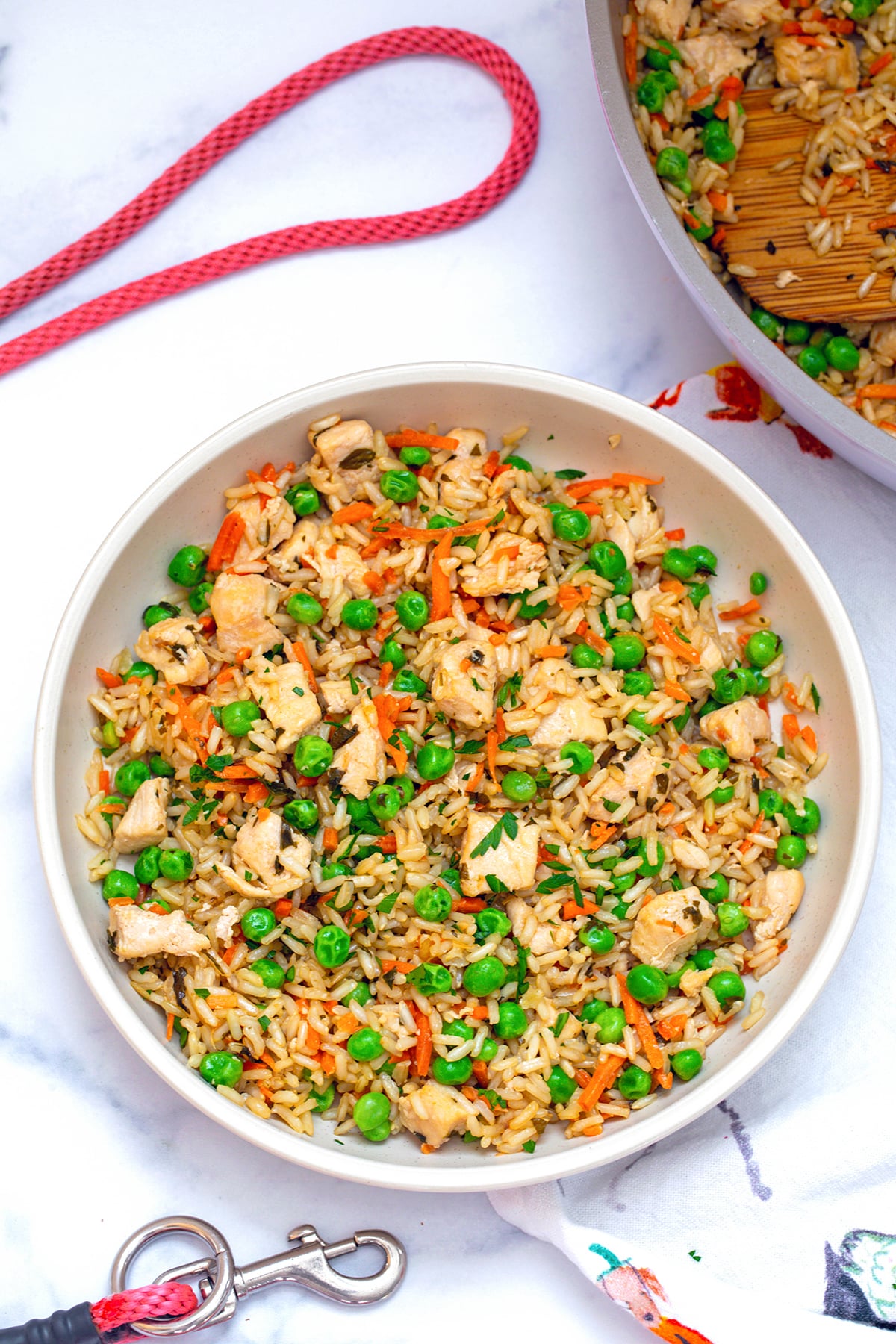
Cook chicken breasts and plain white rice separately. Mix the chicken and rice in a 1:2 ratio. This blend offers protein and energy from carbs. It is a balanced meal that many dogs enjoy. Make sure the rice is soft and fully cooked.
Chicken With Vegetables
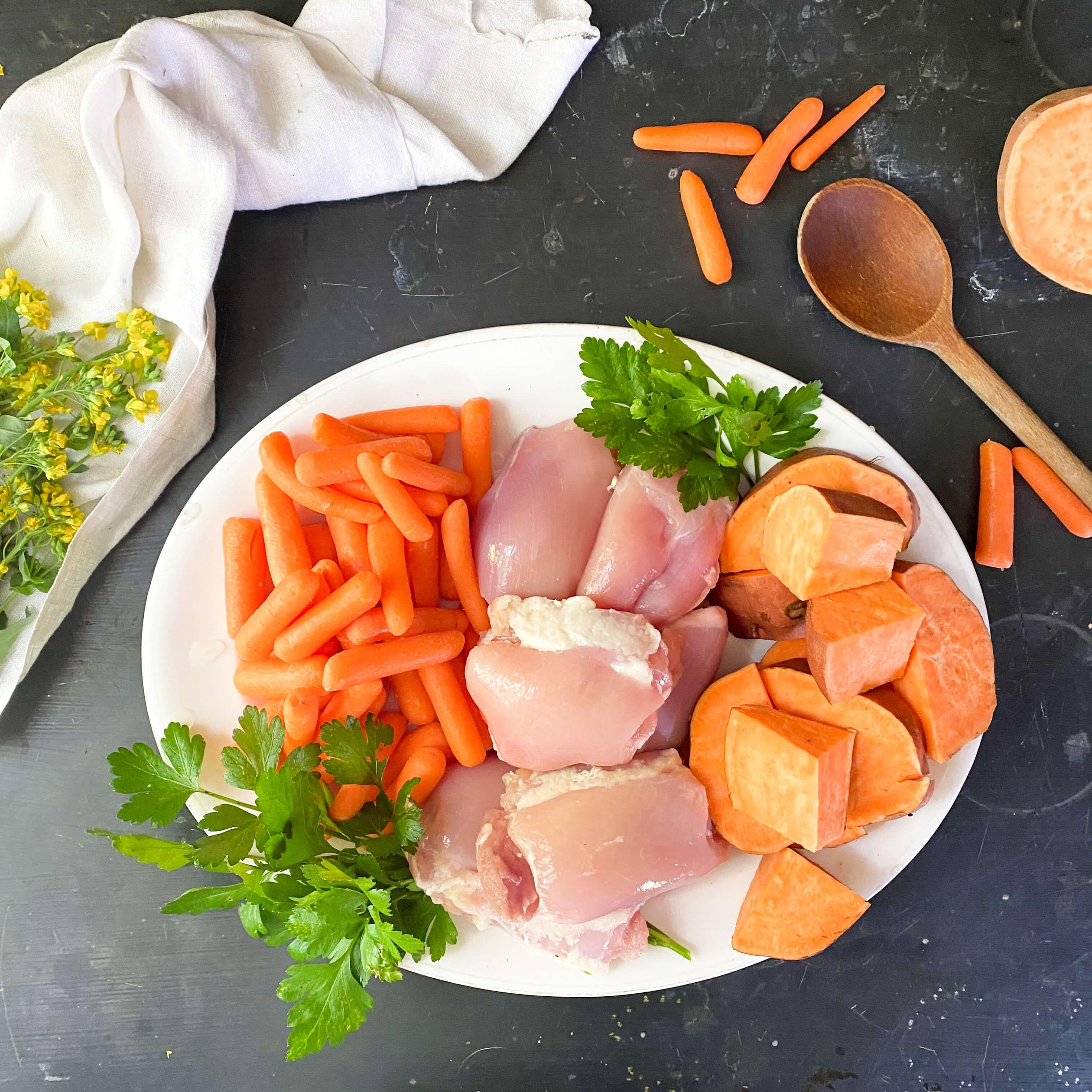
Boil chicken and steam dog-safe vegetables like carrots and green beans. Chop everything into small, bite-sized pieces. Mix chicken and vegetables for a colorful, nutritious meal. Vegetables add fiber and vitamins to your dog’s diet. Avoid onions, garlic, and other toxic vegetables.
Credit: www.dogsnaturallymagazine.com
Homemade Chicken Treats
Homemade chicken treats are a great way to show love to your dog. These treats are healthy, simple, and fresh. You control the ingredients and avoid harmful additives. Dogs enjoy the natural flavor of chicken. Making treats at home saves money and keeps your dog happy.
Chicken Jerky
Chicken jerky is a tasty, chewy snack for dogs. Use thin slices of chicken breast. Bake at low heat until dry but not burnt. This method locks in flavor and keeps treats safe. Store in an airtight container for freshness. Jerky treats are perfect for training and rewards.
Chicken Meatballs
Chicken meatballs are soft and easy to eat. Mix ground chicken with a little rice or oats. Add grated carrot for extra nutrients. Form small balls and bake until cooked through. These meatballs are great for small or older dogs. Cool before serving to avoid burns.
Frozen Chicken Bites
Frozen chicken bites are cool and refreshing treats. Cut cooked chicken into small pieces. Freeze on a tray until solid. Serve as a cold snack in hot weather. Dogs love the texture and taste. Frozen bites help keep dogs hydrated and calm.
Balancing Meals With Supplements
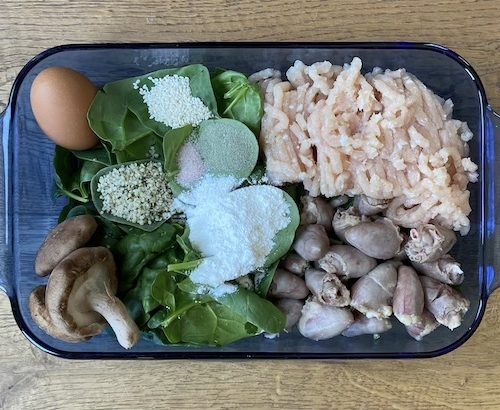
Balancing meals with supplements is key for healthy chicken dog food recipes. Supplements fill nutrient gaps in homemade meals. They help dogs get all vitamins, minerals, and fats needed for energy and growth.
Not all dog foods have enough nutrients. Adding the right supplements keeps your dog strong and active. It supports their immune system and keeps their coat shiny. Careful choices make meals complete and safe.
Adding Vitamins And Minerals
Vitamins and minerals are essential for your dog’s health. Calcium supports strong bones and teeth. Zinc helps the skin and coat stay healthy. Vitamin A promotes good vision and immune function.
Use balanced supplements designed for dogs. Avoid giving human vitamins. Too much or too little can harm your pet. Consult your vet for correct amounts and types.
Incorporating Healthy Fats
Healthy fats provide energy and keep skin soft. Omega-3 and omega-6 fatty acids reduce inflammation and support brain health. Sources include fish oil, flaxseed oil, and chicken fat.
Do not add too much fat. Excess fat can cause digestive issues. Mix fats carefully into recipes for best results. Always observe your dog’s reaction to new ingredients.
Using Safe Herbs And Spices
Certain herbs and spices can improve flavor and health. Parsley helps freshen breath. Turmeric has anti-inflammatory properties. Ginger aids digestion and soothes upset stomachs.
Never use onion, garlic, or chives—they are toxic to dogs. Introduce herbs slowly and in small amounts. Watch for allergies or sensitivities. Safe herbs add variety and health benefits.
Safety Tips For Cooking Chicken
Cooking chicken for your dog requires care and attention. Safety is key to keep your pet healthy. Raw or undercooked chicken can cause illness. Follow these tips to prepare safe chicken meals for your dog.
Proper Cooking Temperatures
Cook chicken until it reaches 165°F (75°C) inside. Use a food thermometer to check. This kills harmful bacteria like salmonella and campylobacter. Avoid pink or raw parts. Well-cooked chicken is safer for dogs to eat.
Avoiding Bones
Never give cooked chicken bones to dogs. Bones can splinter and cause choking or injury. Remove all bones before cooking. Use boneless chicken meat only. This protects your dog’s throat and digestive system.
Storage And Shelf Life
Store cooked chicken in a sealed container in the fridge. Keep it for no more than three days. Freeze extra portions for longer storage. Thaw frozen chicken in the fridge, not on the counter. Freshness helps prevent bacterial growth and keeps your dog safe.
Adjusting Recipes For Different Dog Sizes
Adjusting chicken dog food recipes for different dog sizes is important. Dogs come in many sizes, and each size needs a special diet. Feeding the right amount keeps dogs healthy and happy. Small dogs have different needs than big dogs. Tailoring recipes helps meet those needs perfectly.
Portion Control
Portion control means giving the right food amount. Small dogs eat less than big dogs. Too much food can cause weight gain. Too little can lead to malnutrition. Use a kitchen scale or measuring cup for accuracy. Adjust portions by weight, not just volume.
Nutritional Needs By Size
Small dogs need more calories per pound. They burn energy faster than larger dogs. Large dogs need fewer calories per pound but more total food. Protein and fat amounts must match size needs. Use lean chicken for balanced nutrition in all sizes.
Feeding Frequency
Small dogs often eat more times per day. Their small stomachs cannot hold much food. Large dogs usually eat fewer meals but bigger portions. Set a feeding schedule based on your dog’s size. Consistent meal times support digestion and energy.
Credit: wearenotmartha.com
Frequently Asked Questions
What Are The Benefits Of Homemade Chicken Dog Food?
Homemade chicken dog food offers fresh, high-quality ingredients. It improves digestion, boosts immunity, and supports healthy skin. You control additives and preservatives. It’s customizable to your dog’s needs. This ensures balanced nutrition and better overall health.
Can I Use Raw Chicken In Dog Food Recipes?
Yes, but raw chicken must be fresh and handled safely. It may carry bacteria, so freezing and proper hygiene are vital. Consult your vet before feeding raw chicken to avoid health risks. Cooking chicken is safer for most dogs.
Which Vegetables Are Best In Chicken Dog Food?
Carrots, peas, sweet potatoes, and green beans are ideal. They provide vitamins, fiber, and antioxidants. Avoid onions, garlic, and mushrooms, as they are toxic to dogs. Always cook vegetables to aid digestion and nutrient absorption.
How Often Should I Feed Homemade Chicken Dog Food?
Feed homemade chicken dog food once or twice daily. Portion size depends on your dog’s weight, age, and activity level. Consult a vet for personalized feeding schedules. Consistency helps maintain your dog’s health and energy.
Conclusion
Chicken dog food recipes offer healthy, tasty meals for your pet. Cooking at home helps control ingredients and avoid fillers. Fresh chicken provides protein and nutrients dogs need daily. You can try different recipes to keep meals fun. Always check with a vet before changing your dog’s diet.
Simple, homemade food supports your dog’s health and happiness. Give your dog the best with easy chicken recipes. A happy dog means a happy home.