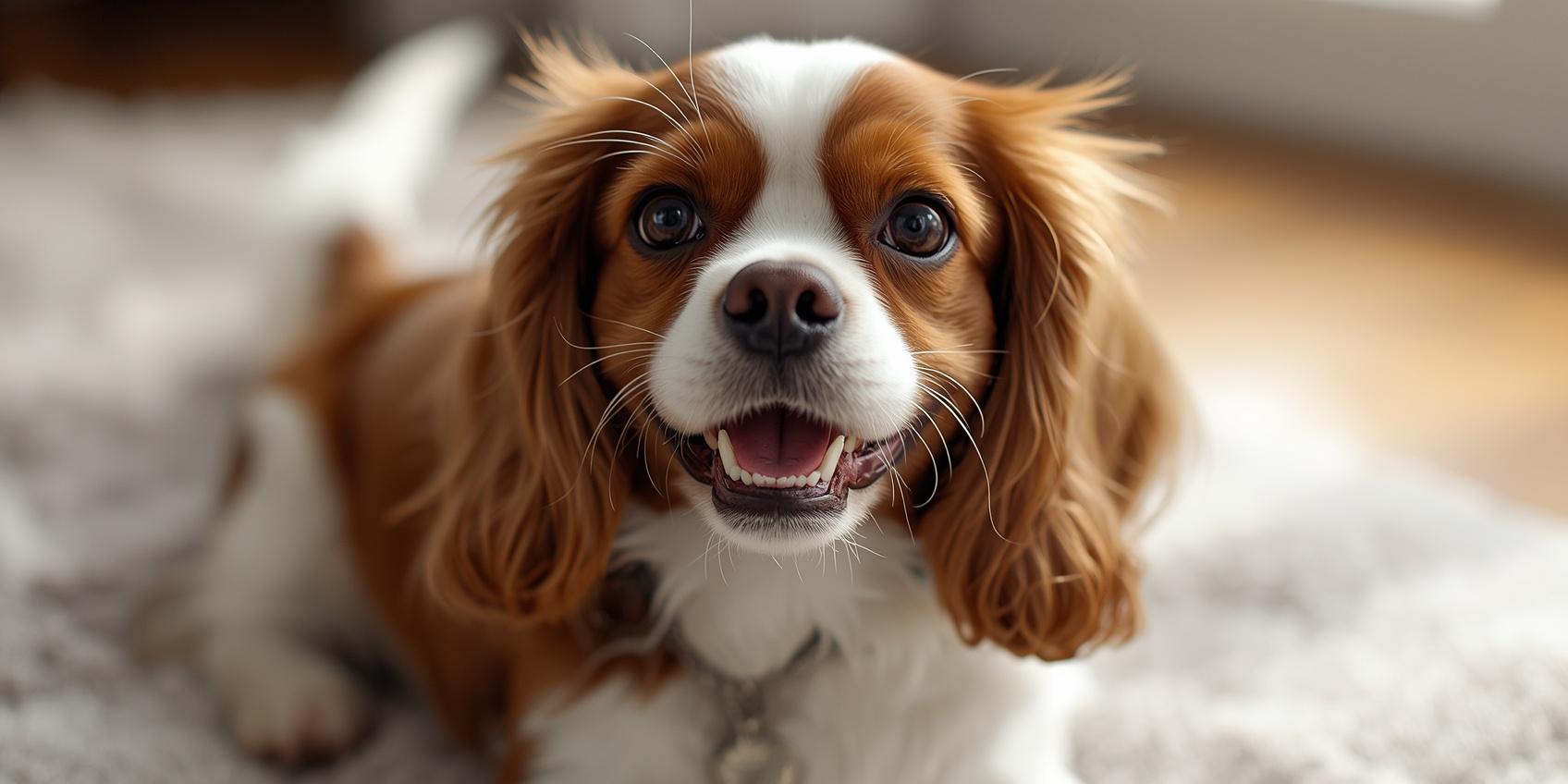
Is your Cavalier happy? As a loving pet owner, you want the best for your furry friend.
But sometimes, it’s hard to tell if your Cavalier feels content or if something is off. Understanding your dog’s happiness isn’t just about wagging tails or playful barks—it goes deeper. You’ll discover simple signs to watch for and easy ways to boost your Cavalier’s mood.
Keep reading to make sure your loyal companion is as joyful as you want them to be.

Credit: www.petscare.com
Signs Of A Happy Cavalier
Understanding your Cavalier’s happiness helps build a stronger bond. Happy dogs show clear signs through their behavior and body language. Watching for these signs lets you know your pet feels safe and loved.
Recognizing happiness in your Cavalier also helps spot problems early. A joyful dog is more playful and relaxed. Here are key ways to tell if your Cavalier is happy.
Body Language Cues
A happy Cavalier has a relaxed body posture. Their tail usually wags gently or stays in a neutral position. Soft eyes and a slightly open mouth show comfort. Ears are up but not stiff, signaling curiosity and calmness. A loose, wiggly body means your dog feels safe.
Vocal Expressions
Happy Cavaliers use soft barks or quiet whines. These sounds express excitement or attention-seeking. Gentle humming or sighing shows contentment. Loud, sharp barks or growls can indicate stress or discomfort. Listen carefully to the tone and frequency of their sounds.
Playfulness And Energy Levels
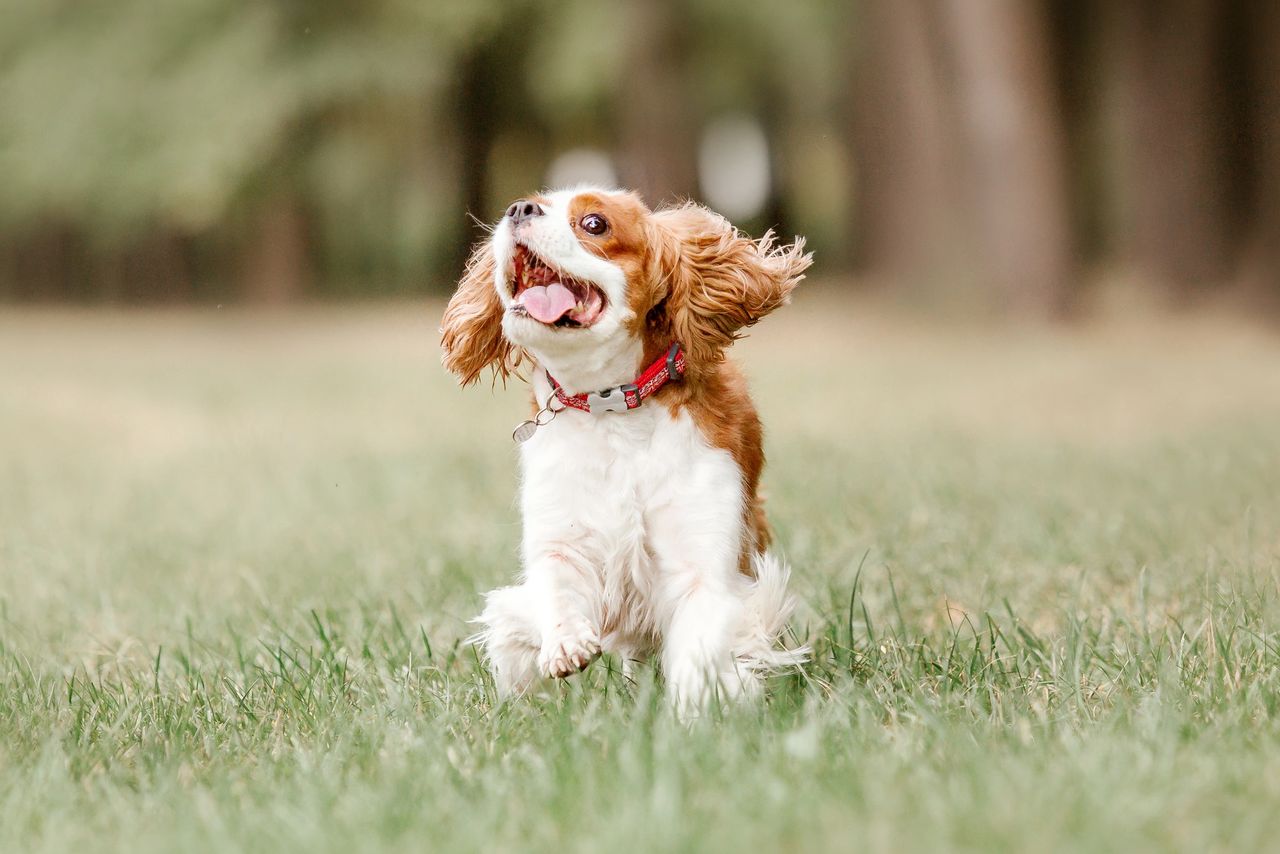
Joyful Cavaliers love to play and explore. They run, chase toys, and enjoy games with you. Their energy is steady, not restless or tired. A happy dog eagerly greets family members. Playfulness shows a good mood and healthy spirit.

Credit: www.amazon.com
Common Causes Of Stress
Stress affects Cavaliers just like people. It changes their mood and behavior. Knowing what causes stress helps you keep your dog happy.
Many things can stress out a Cavalier. Some come from their surroundings. Others come from health or social life. Watch for signs to help your dog feel calm.
Environmental Factors
Loud noises can scare Cavaliers. Thunderstorms and fireworks cause stress. Crowded places may also make them uneasy. Changes in routine or new homes can confuse your dog. A quiet, safe space helps reduce stress.
Health Issues
Pain or illness can make a Cavalier unhappy. Dental problems, infections, or joint pain cause discomfort. Sometimes old age brings health challenges. Regular vet visits catch problems early. Healthy dogs feel more relaxed and joyful.
Social Interactions
Cavaliers love company but can feel stressed by strangers. Rough play or too many dogs may overwhelm them. Lack of social time can cause loneliness. Gentle, positive interactions build confidence. Balanced social time keeps your dog happy.
Daily Habits For Happiness
Daily habits shape your Cavalier’s mood and health. Small actions create big happiness. Regular care keeps them lively and calm. Let’s explore key habits that bring joy to your furry friend every day.
Exercise And Playtime
Cavaliers need daily exercise to stay happy. Short walks or play sessions help burn energy. Playtime also strengthens your bond. Toys that challenge their mind keep them sharp. A tired dog is a content dog.
Nutrition And Diet
Good food supports your Cavalier’s health and mood. Feed high-quality dog food suited for their age and size. Balanced meals provide energy and shine to their coat. Fresh water must always be available. Avoid giving too many treats or human food.
Grooming And Comfort
Regular grooming keeps your Cavalier clean and comfortable. Brush their coat to avoid mats and tangles. Check ears and teeth to prevent infections. A cozy bed and a quiet spot help them relax. Comfort is key to their daily happiness.
Enhancing Emotional Well-being
Enhancing your Cavalier’s emotional well-being helps keep them happy and healthy. Dogs feel joy and sadness, just like people. Caring for their feelings builds trust and love between you. Happy dogs are calmer, friendlier, and more active. Simple actions can improve your dog’s mood and life quality.
Bonding Activities
Spend time playing with your Cavalier every day. Gentle petting and brushing create comfort and trust. Walks outside provide fresh air and new smells. Try short games like fetch or hide-and-seek. These moments strengthen your connection and make your dog feel safe.
Training And Mental Stimulation
Teach your Cavalier simple commands like sit and stay. Training challenges their mind and builds confidence. Use treats and praise to encourage good behavior. Puzzle toys and scent games keep them busy. Mental exercise reduces boredom and prevents problem behavior.
Creating A Safe Space
Provide a quiet spot with a soft bed for rest. Keep this area free from loud noises and stress. Your dog needs a place to relax and feel secure. Familiar toys and blankets add comfort. A calm environment helps lower anxiety and supports well-being.
When To Seek Veterinary Advice
Knowing when to seek veterinary advice is key to your Cavalier’s well-being. Dogs cannot tell us when they feel unwell. You must watch for signs that show something is wrong. Early help can prevent serious health issues.
Veterinarians have the skills to diagnose and treat many problems. Your quick action can keep your Cavalier happy and healthy. Pay close attention to any changes in behavior or body.
Behavioral Changes
Notice if your Cavalier acts differently. Less play, hiding, or sudden aggression can signal trouble. Changes in eating or sleeping habits matter too. Restlessness or whining may show pain or discomfort. Any unusual behavior needs a vet’s check.
Physical Symptoms
Look for visible signs of illness or injury. Limping, swelling, or wounds require immediate care. Coughing, sneezing, or difficulty breathing are serious. Vomiting or diarrhea lasting more than a day calls for help. Also watch for weight loss or skin problems.
Professional Support Options
Veterinarians offer exams, tests, and treatments. They can prescribe medicine or recommend special diets. Some vets provide behavior counseling for anxious dogs. Emergency clinics help with urgent cases. Regular check-ups keep your Cavalier in top shape.
Credit: westcoastcavaliers.com
Frequently Asked Questions
How Can I Tell If My Cavalier Is Happy?
A happy Cavalier shows relaxed body language, wags tail often, and seeks affection. They play actively and have a good appetite. Watch for bright eyes and a calm demeanor to gauge their happiness.
What Behaviors Indicate A Stressed Cavalier?
Signs of stress include excessive barking, hiding, or aggression. Pacing and loss of appetite also suggest discomfort. Identifying these early helps address causes and improve your Cavalier’s well-being quickly.
How Often Should I Play With My Cavalier?
Daily play sessions of 20-30 minutes keep Cavaliers mentally and physically healthy. Interactive toys and gentle exercise promote happiness and prevent boredom. Regular play strengthens your bond and reduces stress.
Is My Cavalier Happy With Their Diet?
A happy Cavalier eats regularly and maintains healthy weight. They show eagerness at mealtime without food refusal. Balanced nutrition supports energy levels and overall mood, contributing to their happiness.
Conclusion
A happy Cavalier shows love and trust every day. Watch for signs like wagging tails and playful eyes. Give your dog regular walks, good food, and gentle care. Talk to a vet if you notice changes in behavior. Small efforts bring big smiles to your furry friend.
Keep learning and enjoy each moment together. Your Cavalier deserves a joyful, healthy life. Care and attention make all the difference. Stay patient and kind—happiness grows with love.