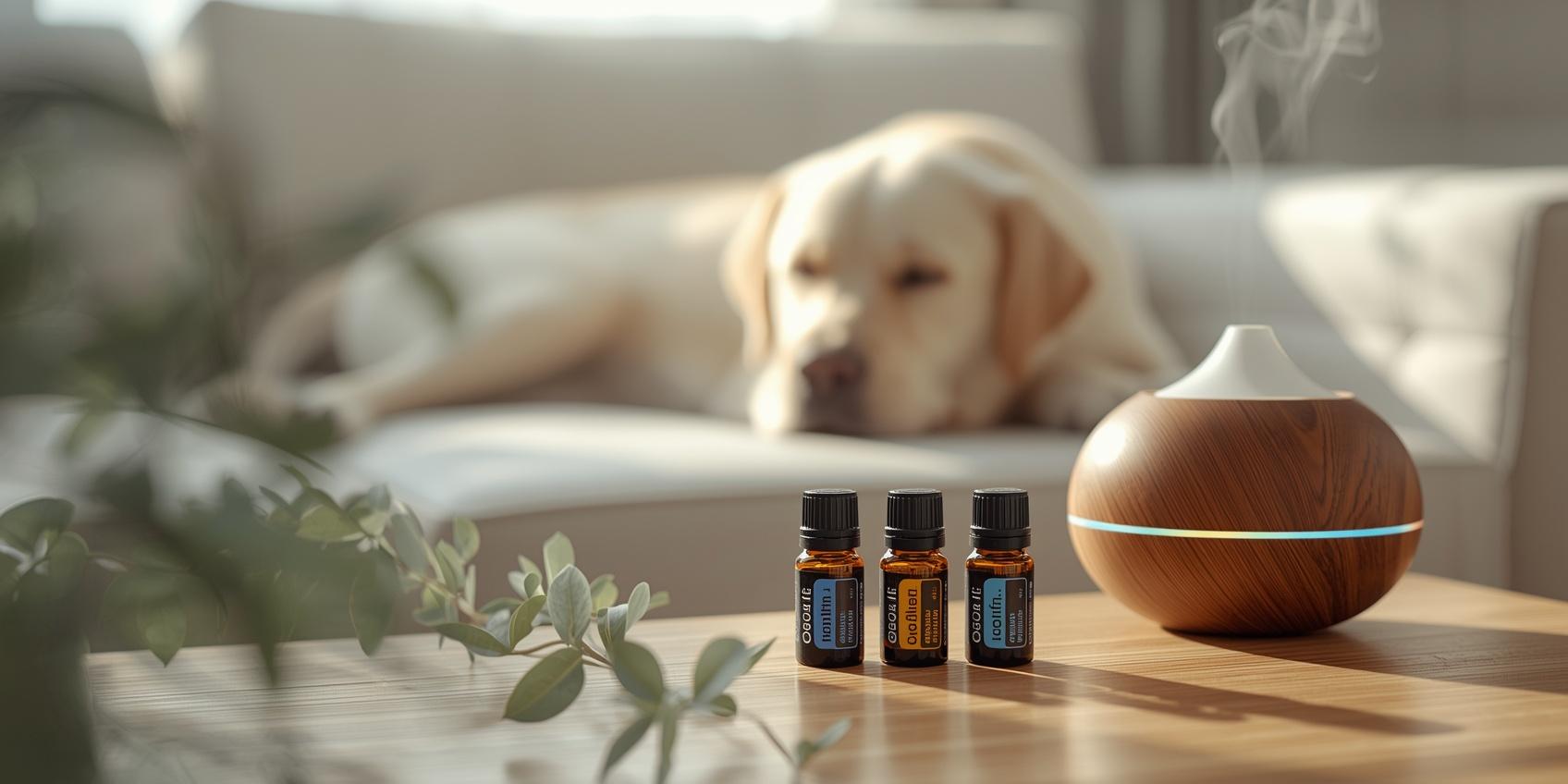
If you care about your dog’s health, you want the best natural ways to keep them happy and comfortable. Essential oils for dogs have become a popular choice for many pet owners looking to improve their furry friend’s well-being.
But with so much information out there, you might be wondering which oils are safe and how to use them properly. This guide will help you understand the benefits, risks, and tips you need to know to make the right choices for your dog’s care.
Keep reading to discover how essential oils can support your dog’s health in a gentle and effective way.
Credit: hutchpaving.com
Benefits Of Essential Oils
Essential oils offer many benefits for dogs. They can support health and comfort in gentle ways. Using the right oils safely helps dogs feel better naturally. Essential oils often serve as a natural option for common dog needs.
Calming Effects
Essential oils like lavender help calm anxious dogs. They reduce stress during storms or travel. A few drops in a diffuser create a peaceful space. This helps dogs relax without medicine. Calming oils improve mood and ease nervous energy.
Skin And Coat Health
Oils such as chamomile and tea tree support skin healing. They soothe itchy, dry, or irritated skin safely. Regular use can improve coat shine and softness. These oils help with minor skin problems naturally. They keep your dog’s coat healthy and fresh.
Repelling Pests
Cedarwood and peppermint oils repel fleas and ticks. They act as natural insect deterrents without chemicals. Using oils around bedding or collars keeps pests away. This protects dogs from bites and discomfort. Essential oils offer a gentle way to fight pests.
Safe Oils For Dogs
Essential oils can be helpful for dogs when used safely. Some oils have calming and healing effects. It is important to choose oils that are gentle and non-toxic for pets. These oils should be diluted before use. Always watch your dog for any bad reactions.
Lavender
Lavender oil is one of the safest oils for dogs. It helps reduce stress and anxiety. It can also soothe minor skin irritations. Use a small amount and dilute it well. Avoid using pure oil directly on your dog’s skin.
Chamomile
Chamomile oil calms dogs and supports healthy skin. It works well for dogs with allergies or itchy skin. Diluted chamomile can also ease stomach discomfort. Always test a small area first to check for sensitivity.
Frankincense
Frankincense oil promotes healing and boosts the immune system. It can help with skin issues and inflammation. Use only a few drops mixed with a carrier oil. Keep the oil away from your dog’s eyes and nose.
Oils To Avoid
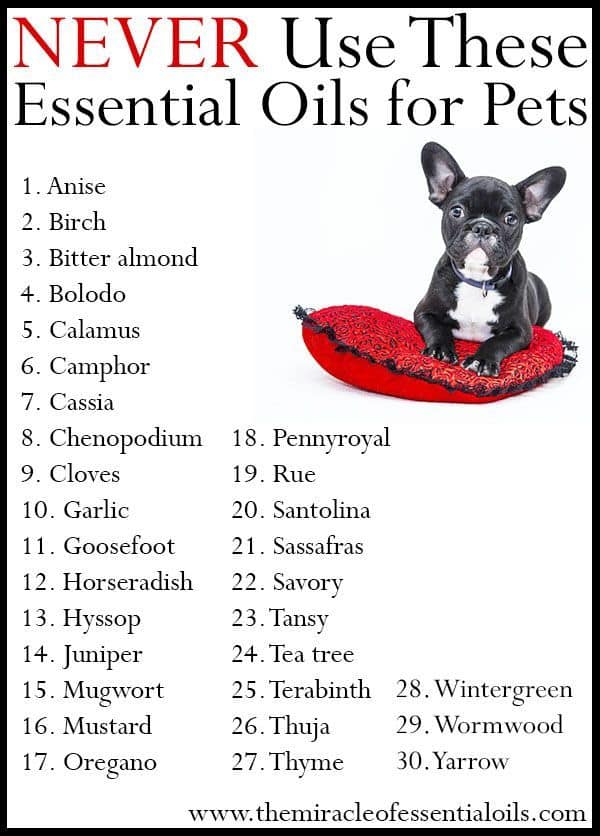
Essential oils can be helpful for dogs, but some are very dangerous. Knowing which oils to avoid protects your pet’s health. These oils can cause poisoning, skin problems, or breathing issues. Always keep these oils away from your dog’s skin and nose.
Tea Tree
Tea tree oil is popular for humans but toxic to dogs. Even small amounts can cause weakness, vomiting, and trouble walking. Avoid using tea tree oil on or near your dog. Its strong chemicals affect dogs much more than people.
Pennyroyal
Pennyroyal oil can harm dogs seriously. It can cause liver damage and seizures. This oil is sometimes used for insect repellent but is unsafe for pets. Keep pennyroyal oil far from your dog’s reach.
Citrus Oils
Citrus oils like lemon, orange, and lime are harmful to dogs. They can cause skin irritation and stomach upset. The strong smell can also bother dogs’ sensitive noses. Avoid applying citrus oils directly on your dog.
Application Methods
Applying essential oils to dogs requires care and knowledge. Using the right method helps keep your dog safe and comfortable. Different application methods serve different purposes. Some help calm your dog. Others support skin health or freshen the air around them.
Topical Use
Topical application means putting oils on your dog’s skin. Always apply oils to clean, dry areas. Common spots include the neck, chest, or paws. Avoid sensitive parts like eyes, nose, and genitals. Gently massage the oil to help it absorb. Watch your dog for any irritation or reaction. Stop use if you see redness or itching.
Diffusion
Diffusing oils releases a gentle scent in the air. Use a diffuser in a well-ventilated room. Keep your dog in the room but allow space to leave. Avoid strong or continuous diffusion. Limit sessions to 30 minutes to prevent stress. Choose calming oils like lavender or chamomile for diffusion.
Dilution Guidelines
Essential oils are strong and must be diluted for dogs. Use a carrier oil like coconut or olive oil. A safe dilution ratio is one drop of essential oil to 50 drops of carrier oil. For small dogs, use even less oil. Never apply undiluted oils directly on your dog. Always test a small area first for any sensitivity.
Signs Of Adverse Reactions
Essential oils can benefit dogs but may cause side effects. Recognizing signs of adverse reactions helps keep pets safe. Watch your dog closely after using any oil. Early detection prevents serious health problems.
Allergic Responses
Dogs may show redness or swelling on skin. Itching and scratching are common allergic signs. Some dogs develop hives or rashes. Sneezing and watery eyes can also occur. These symptoms mean your dog may be allergic.
Toxicity Symptoms
Oils can be toxic if used wrongly. Vomiting and diarrhea are warning signs. Excessive drooling or difficulty breathing needs attention. Weakness or unsteady walking indicates poisoning. Watch for sudden changes in behavior or energy.
When To Seek Vet Help
Contact a vet if symptoms worsen or last long. Severe breathing trouble or collapse needs emergency care. Persistent vomiting or diarrhea requires prompt treatment. Do not wait if your dog acts very sick. Quick action can save your dog’s life.
Diy Essential Oil Blends
DIY essential oil blends offer a safe way to support your dog’s health. Using natural oils can calm nerves, repel pests, and soothe skin. Mixing your own blends lets you control the ingredients and avoid harmful chemicals.
Always dilute oils properly before use. Test a small area first to check for reactions. Use only oils that are safe for dogs, and keep blends out of reach.
Calming Blend
Mix 3 drops lavender oil with 2 drops chamomile oil. Add to 1 ounce of carrier oil like coconut oil. Apply a small amount to your dog’s neck or chest. This blend helps reduce stress and anxiety.
Flea Repellent Blend
Combine 4 drops cedarwood oil with 3 drops peppermint oil. Add to 2 ounces of water in a spray bottle. Shake well before use. Spray lightly on your dog’s coat to repel fleas naturally.
Skin Soothing Blend
Use 2 drops frankincense oil and 2 drops helichrysum oil. Mix with 1 ounce of aloe vera gel. Gently apply to irritated or dry skin. This blend helps calm redness and promotes healing.
Consulting A Veterinarian
Using essential oils for dogs can offer many benefits. Oils may help calm anxiety, ease pain, or improve skin health. Safety is key. Not all oils suit every dog. Consulting a veterinarian ensures the right choices for your pet’s health. A vet’s guidance helps avoid risks and side effects. They can suggest safe oils and proper use methods.
Importance Of Professional Advice
Veterinarians have medical training for animal care. They know which oils are safe and which are harmful. Some oils can cause allergies or toxic reactions. A vet’s advice helps prevent these dangers. They consider your dog’s age, breed, and health conditions. This advice makes essential oil use safe and effective. Never use oils on dogs without expert guidance. Professional advice protects your dog’s well-being.
Choosing A Holistic Vet
Holistic vets combine traditional and natural treatments. They understand how essential oils work for dogs. These vets offer balanced care with fewer chemicals. They listen to your concerns and goals. Holistic vets provide personalized plans for your dog. They ensure oils are used safely with other treatments. Finding a holistic vet helps maximize benefits and reduce risks. This choice supports your dog’s overall health naturally.

Credit: www.amazon.com
Frequently Asked Questions
What Are The Safest Essential Oils For Dogs?
Lavender, chamomile, and ginger oils are generally safe for dogs. Always dilute oils properly and consult a vet before use.
How Do Essential Oils Benefit Dogs’ Health?
Essential oils can reduce anxiety, repel pests, and soothe skin irritations. Proper use ensures your dog’s safety and comfort.
Can Essential Oils Cause Harm To Dogs?
Yes, some oils like tea tree and cinnamon are toxic to dogs. Use only vet-approved oils in diluted form.
How Should I Apply Essential Oils To My Dog?
Dilute oils in a carrier oil before applying. Avoid sensitive areas like eyes, nose, and genitals for safety.
Conclusion
Essential oils can help keep dogs calm and healthy. Always choose safe oils made for pets. Use small amounts and watch for any signs of trouble. Never put oils directly on your dog’s skin without advice. Ask a vet before starting any new treatment.
Care and attention keep your dog happy and safe. Simple steps make a big difference in their well-being. Essential oils can be part of good pet care. Stay informed and always put your dog’s health first.