The Best Gifts for Dog Lovers: 50+ Perfect Present Ideas for 2025

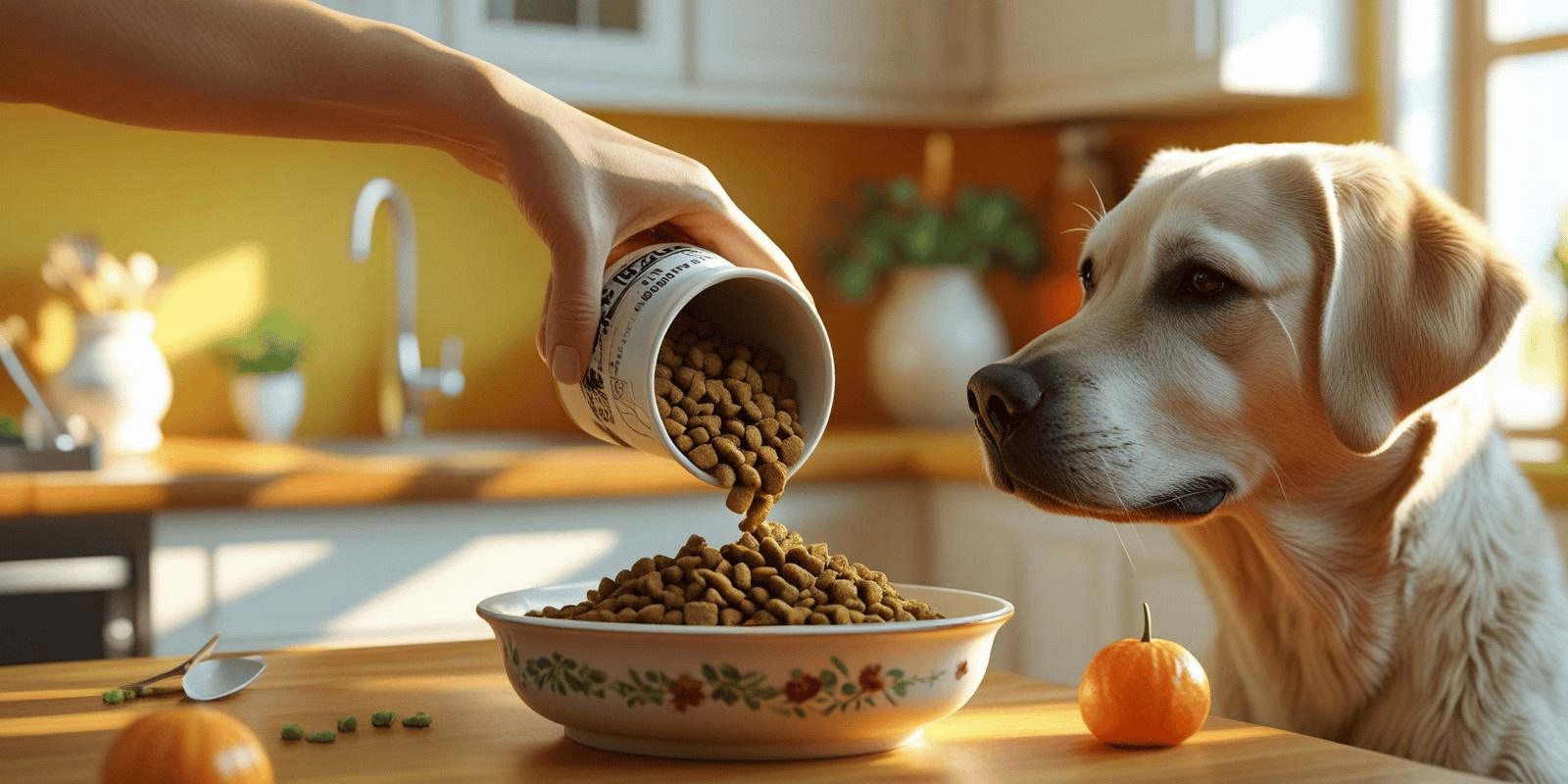
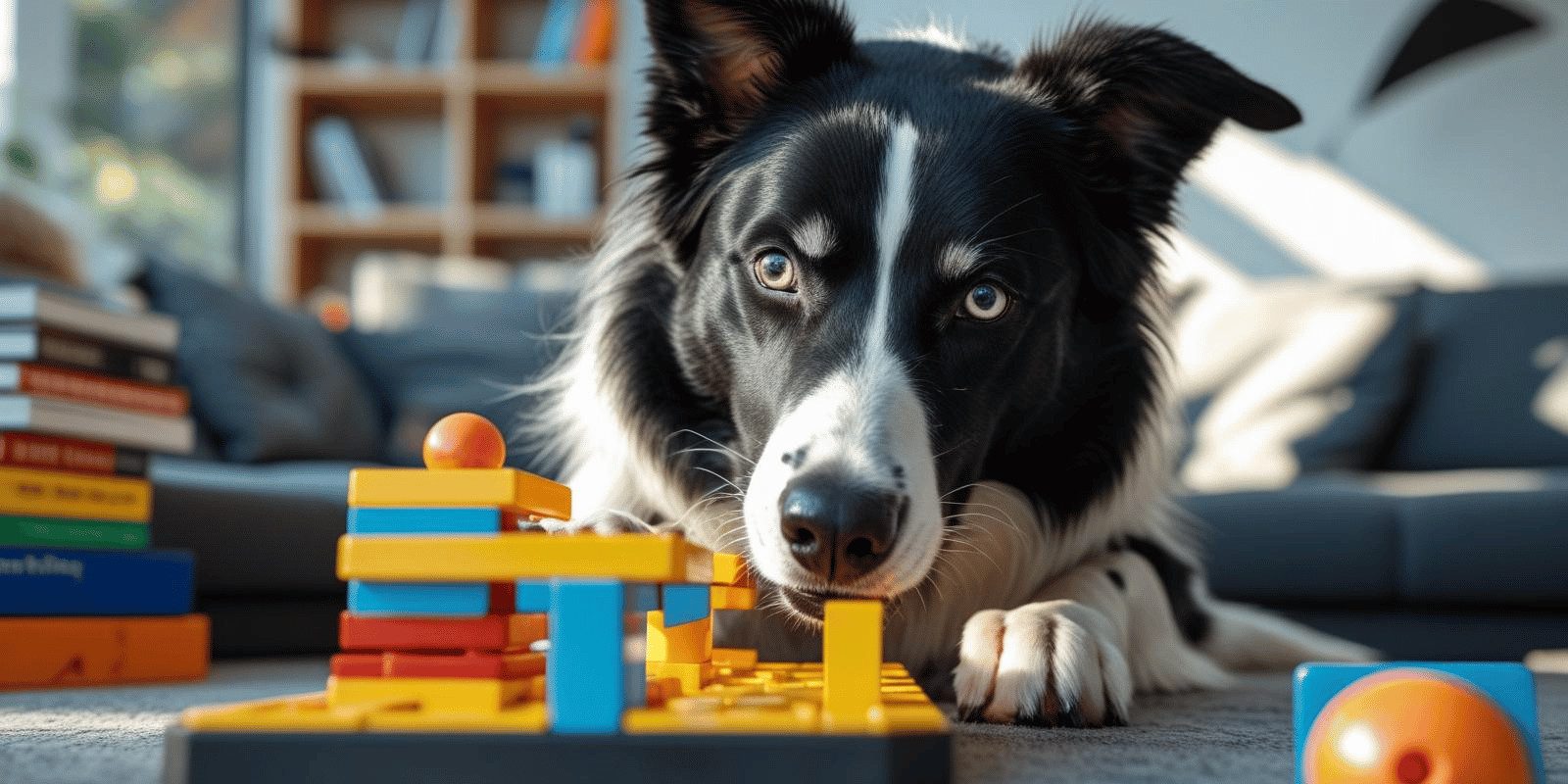
Discover the best gifts for dog lovers with our comprehensive guide featuring 50+ unique present ideas for both pets and their humans. From personalized keepsakes to practical accessories. The Best Gifts for Dog Lovers, dog owner gifts, pet lover presents, dog accessories, personalized dog gifts Finding the Perfect Gifts for Dog Lovers When searching for the best gifts for dog lovers, you’re not just shopping for one recipient—you’re considering both the devoted pet parent and their four-legged family member. Whether you’re shopping for a birthday, holiday, or just want to show appreciation for the dog enthusiast in your life, finding the perfect present requires understanding what makes both humans and their canine companions happy. The most thoughtful gifts for dog lovers fall into several categories: personalized keepsakes that celebrate the human-dog bond, practical accessories that enhance daily life, comfort items for relaxation, and interactive toys that promote health and happiness. This comprehensive guide explores over 50 unique gift ideas across various price ranges, ensuring you’ll find something special regardless of your budget or the recipient’s preferences. Personalized Gifts for Dog Lovers That Celebrate Their Bond Custom Pet Portraits and Artwork One of the most cherished gifts for dog lovers is a personalized portrait of their beloved companion. These meaningful keepsakes capture the unique personality and character of their furry friend in lasting artwork. Professional Pet Portraits Options: Custom pet portraits typically range from $50 to $300 depending on size, medium, and artist expertise. Many online services now offer affordable digital options that can be printed on various materials. Engraved Jewelry and Keepsakes Jewelry featuring pet details creates wearable memories that dog lovers can treasure daily. Popular options include: Customized Home Decor Transform living spaces with personalized decor that celebrates the human-dog relationship: Popular Personalized Home Items: Essential Dog Accessories: Practical Gifts for Dog Lovers Premium Collars and Leashes High-quality walking accessories make excellent gifts for dog lovers who prioritize both style and functionality. Consider these options: Collar Features to Look For: Leash Considerations: Feeding Accessories and Storage Solutions Mealtime accessories enhance the dining experience for both dogs and their owners: Interactive Toys and Entertainment: Gifts That Keep Dogs Engaged Mental Stimulation Toys Intelligent dogs require mental challenges to prevent boredom and destructive behaviors. The best gifts for dog lovers include toys that engage cognitive abilities: Puzzle Toy Categories: Durable Chew Toys Long-lasting chew toys provide hours of entertainment while promoting dental health: Comfort and Wellness: Relaxation Gifts for Dog Lovers Premium Dog Beds and Sleeping Solutions Quality sleep accessories improve both pet comfort and home aesthetics: Bed Types for Different Needs: Wellness and Grooming Products Health-focused gifts demonstrate care for both pet and owner well-being: Adventure and Travel: Gifts for Active Dog Lovers Travel Accessories For dog lovers who enjoy exploring with their companions: Essential Travel Gear: Outdoor Activity Equipment Encourage active lifestyles with gear designed for adventures: Special Occasion Gifts for Dog Lovers Holiday-Themed Presents Seasonal gifts add festive fun to celebrations: Holiday Gift Ideas: Milestone Celebration Gifts Mark important moments in the human-dog relationship: Budget-Friendly Gifts for Dog Lovers Under $25 Thoughtful presents don’t require large budgets: Affordable Gift Options: DIY Gift Ideas Creative, handmade presents show extra thoughtfulness: Premium Gifts for Dog Lovers: Luxury Options High-End Accessories and Services For special occasions or devoted pet parents who appreciate luxury: Premium Gift Categories: Experience Gifts Create lasting memories with experience-based presents: Gifts for Specific Dog Breeds and Sizes Small Dog Considerations Gifts tailored for toy and small breeds: Large Dog Necessities Big breed considerations require sturdy, sized-appropriate gifts: Gifts for Senior Dogs and Their Devoted Owners Aging companions have unique needs that thoughtful gifts can address: Senior Dog Comfort Items: Technology Gifts for Modern Dog Lovers Smart Pet Products Technology-enhanced gifts for tech-savvy dog owners: Apps and Digital Services Modern solutions for pet care management: Seasonal Shopping Tips for the Best Gifts for Dog Lovers Year-Round Gift Planning Strategic shopping ensures you’re always prepared: Seasonal Considerations: Sale Shopping Strategies Maximize your gift budget with smart shopping: Gift Presentation Ideas for Dog Lovers Creative Wrapping and Presentation Make the unwrapping experience special: Presentation Tips: Choosing the Perfect Gifts for Dog Lovers The best gifts for dog lovers recognize and celebrate the special bond between humans and their canine companions. Whether you choose a personalized keepsake that captures precious memories, practical accessories that enhance daily life, or fun toys that provide hours of entertainment, the most meaningful presents show understanding of both the pet and their devoted human. Remember that the thoughtfulness behind your gift matters more than the price tag. A carefully chosen present that addresses specific needs, interests, or challenges shows genuine care and consideration. From budget-friendly DIY projects to luxury experiences, there are perfect gifts for dog lovers at every price point and for every type of dog-human relationship. When selecting your gift, consider the recipient’s lifestyle, their dog’s age and breed characteristics, and any specific challenges or interests they’ve mentioned. The best gifts for dog lovers are those that bring joy, comfort, or practical benefit to both members of the human-canine team. Take time to observe what the dog lover in your life truly values—whether it’s convenience, comfort, adventure, or simply celebrating their beloved pet—and choose accordingly. Your thoughtful gesture will strengthen the bond between you while honoring their love for their four-legged family member.