Separation Anxiety in Dogs: Tips to Calm Your Furry Friend
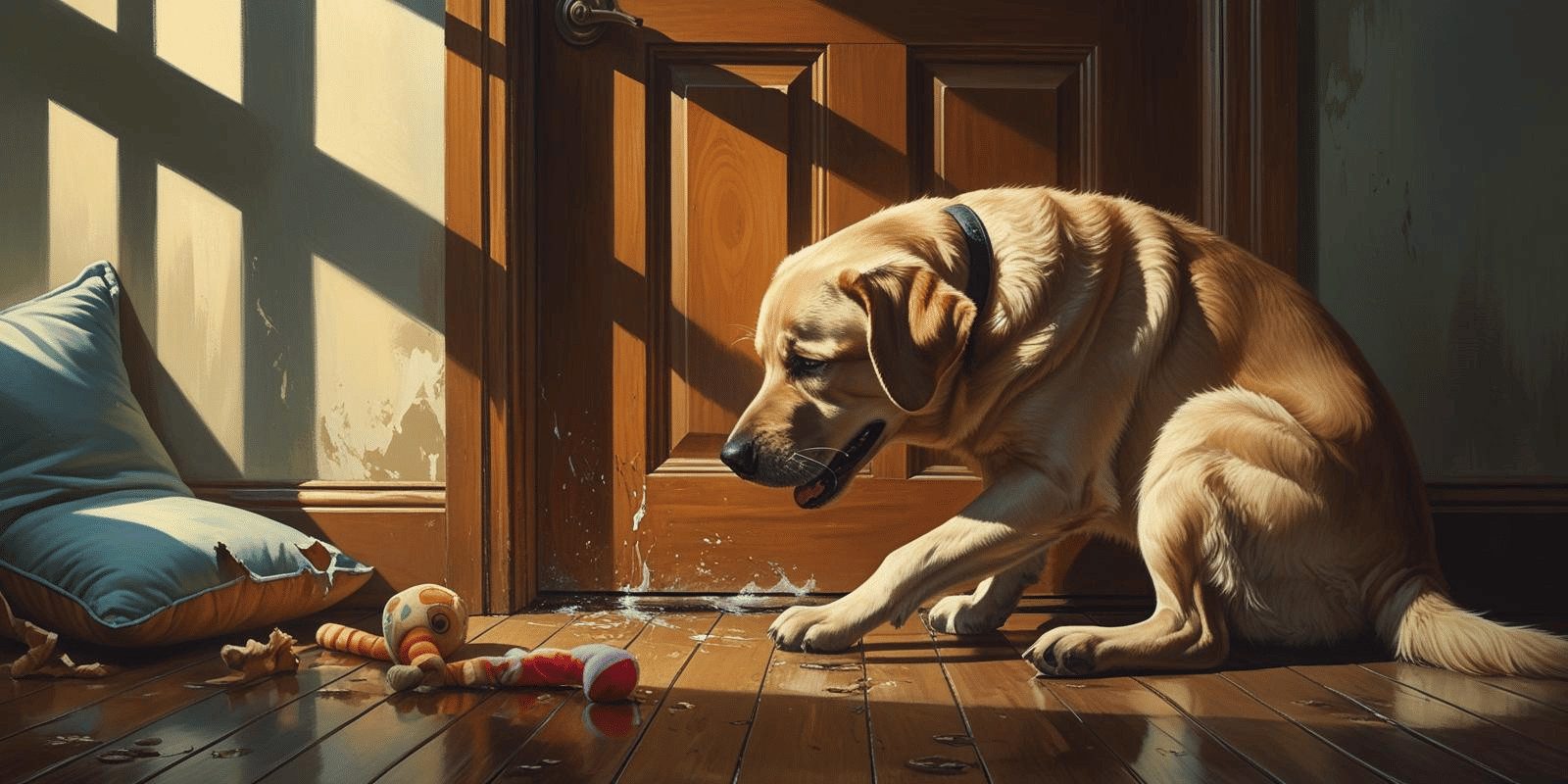
Separation anxiety in dogs is more than just a phase; it’s a significant issue that affects many pets and their owners. Have you ever come home to find your beloved dog in distress, barking excessively, or even destroying furniture? You’re not alone. This behavior can stem from a deep fear of being left alone, and understanding it is crucial for both your dog’s well-being and your peace of mind. We’ll explore what separation anxiety really means, its signs, and effective strategies to help your furry friend cope. By the end, you’ll have the tools and knowledge to create a calmer environment for your dog, turning those anxious moments into peaceful ones. Let’s dive in and discover how you can make a positive change in your dog’s life today. Credit: www.thebondbetween.org Signs Of Separation Anxiety Recognizing the signs of separation anxiety in dogs is crucial. These signs can vary among dogs. Some dogs may show mild symptoms, while others may display more severe behaviors. Understanding these signs helps in addressing the issue early. Excessive Barking Or Howling One of the first signs is excessive barking. Dogs may bark or howl when left alone. This behavior often indicates distress. It can disturb neighbors and create tension. Destructive Behavior Destructive behavior is another common sign. Dogs may chew furniture or scratch doors. This often happens as a way to cope with anxiety. It can lead to costly repairs and safety hazards. House Soiling House soiling can occur even with house-trained dogs. They may urinate or defecate indoors. Stress can trigger this behavior, especially when left alone. Restlessness Or Pacing Restlessness is a clear indicator of anxiety. Dogs may pace back and forth in a confined space. This behavior shows they are uncomfortable and seeking comfort. Following You Everywhere Some dogs may follow their owners closely. They might feel insecure when separated. This behavior shows their need for constant reassurance. Clinginess Clinginess is another sign of separation anxiety. Dogs may refuse to leave your side. This behavior often indicates fear of being alone. Excessive Licking Or Chewing Excessive licking or chewing can signal anxiety. Dogs may lick their paws or chew on themselves. This behavior can lead to skin issues or infections. Signs Of Stress When You Prepare To Leave Many dogs show stress before you leave. They may act anxious or restless. This behavior often includes whining, barking, or hiding. Setting A Routine A consistent routine helps manage separation anxiety in dogs. Regular feeding, playtime, and quiet moments create a sense of security. Gradually increasing alone time can also ease their stress and help them feel more comfortable when left alone. Setting a routine for your dog can significantly alleviate symptoms of separation anxiety. Dogs thrive on consistency and predictability. By establishing a daily schedule, you create a sense of security that can help your furry friend feel more at ease when you leave. Predictable Schedule A consistent daily routine is crucial. Plan regular times for meals, walks, and playtime. This predictability gives your dog a clear understanding of what to expect. – Morning Routine: Start the day with a morning walk. This helps your dog release energy and feel settled. – Feeding Schedule: Offer meals at the same time each day. This reinforces a sense of stability. – Playtime: Designate specific times for play. Engaging in fun activities can distract your dog from your departures. Gradual Departures Practice leaving your dog for short periods. Start with just a few minutes and gradually extend the time you’re away. – Initial Steps: Leave the room for a brief moment while your dog is distracted. – Increase Duration: Slowly add more time away. This helps your dog adjust to being alone without feeling anxious. – Stay Calm: When returning, avoid excessive excitement. This teaches your dog that your departures and arrivals are normal. Consistent Cues Use consistent cues when you prepare to leave. This can help signal to your dog that you’re going out. – Departure Ritual: Create a simple routine, like grabbing your keys or putting on your shoes. – Familiar Items: Leave behind an item of yours, like a worn shirt. This can provide comfort while you are away. – Calming Signals: Use a calm voice and relaxed body language when you leave and return. Quality Time Together Spend quality time with your dog daily. This reinforces your bond and builds trust. – Interactive Play: Engage in games that stimulate your dog mentally and physically. – Training Sessions: Short training sessions can be fun and rewarding. This promotes positive interaction and mental engagement. – Relaxation Time: Cuddle or relax together on the couch. This can help your dog feel secure and loved. Have you ever noticed how your dog reacts to your routine? Observing their behavior might offer insights into their anxiety levels. A structured approach can make a world of difference in your dog’s comfort and happiness. Departure Cue Strategies Separation anxiety in dogs can be distressing for both you and your furry friend. One effective way to tackle this issue is by implementing departure cue strategies. These strategies help your dog associate your leaving with positive experiences rather than anxiety and fear. Let’s dive into practical tips that can ease this transition for your pet. Predictable Schedule Dogs thrive on routine. Establishing a predictable schedule can significantly reduce anxiety. Feed your dog at the same times each day. Take them for walks at consistent intervals. Incorporate playtime into your daily routine. When your dog knows what to expect, it can ease their worry about your departures. Desensitization Techniques Start by desensitizing your dog to the cues that signal your departure. For instance, if putting on your shoes triggers anxiety, practice wearing them without leaving the house. Put on your coat and stay home. Grab your keys and sit down to read. This helps your dog learn that these cues do not always mean you are leaving for long. Practice Short Departures Gradual exposure can build your dog’s confidence. Start by … Read more