Are you looking for healthy ways to boost your dog’s diet? Adding vegetables to your dog’s meals can be a game-changer.
Not only do they provide essential vitamins and minerals, but they also support digestion and keep your furry friend happy and energetic. But which vegetables are truly safe and beneficial for your dog? Keep reading to discover the best vegetables for dogs that will make your dog’s meals tastier and healthier—your pup will thank you!
Benefits Of Vegetables For Dogs
Vegetables offer many benefits for dogs. They provide essential nutrients that support overall health. Including vegetables in your dog’s diet can improve their well-being and energy levels.
Vegetables are rich in vitamins and minerals. These nutrients help keep dogs strong and healthy. They also support the immune system and promote a shiny coat.
Nutritional Value
Vegetables contain vitamins like A, C, and K. These support vision, skin, and bone health. They also have antioxidants that protect cells from damage. Fiber in vegetables helps keep the digestive system healthy. Many vegetables offer minerals such as potassium and magnesium. These minerals help with muscle and nerve functions.
Improved Digestion
Fiber in vegetables aids digestion. It helps food move smoothly through the gut. This reduces constipation and diarrhea risks. A healthy gut means better nutrient absorption. Vegetables also support good bacteria in the intestines. This keeps the digestive system balanced and strong.
Weight Management
Vegetables are low in calories and fat. They add bulk to meals without extra calories. This helps dogs feel full longer. Feeding vegetables can prevent overeating and obesity. Maintaining a healthy weight lowers risks of many diseases. Vegetables make a great snack for dogs needing weight control.
Credit: petcube.com
Top Vegetables Safe For Dogs
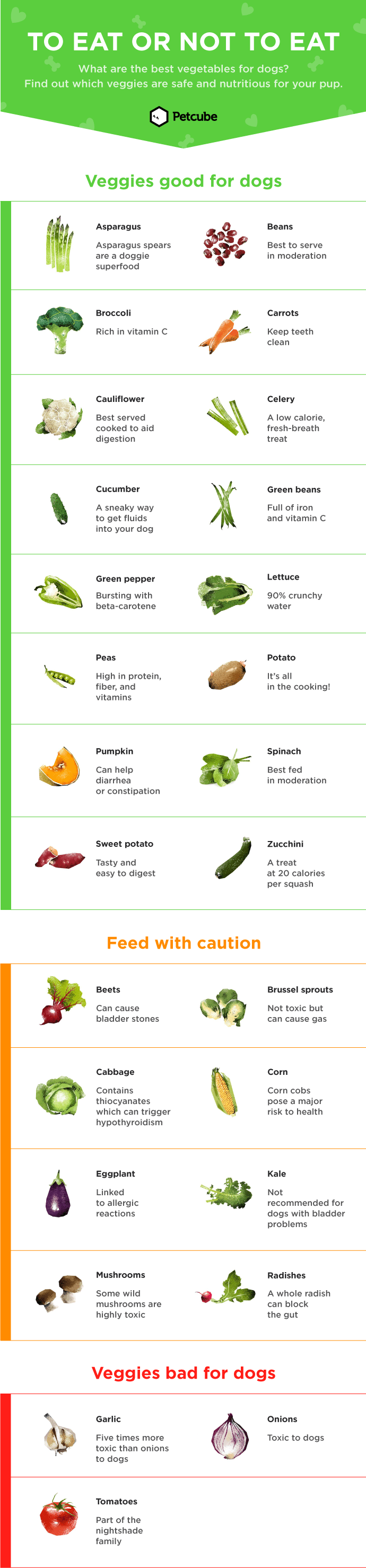
Feeding your dog vegetables can boost their health and happiness. Vegetables add fiber, vitamins, and minerals to their diet. Many veggies are low in calories and safe for dogs to eat. Some vegetables also help clean teeth and improve digestion.
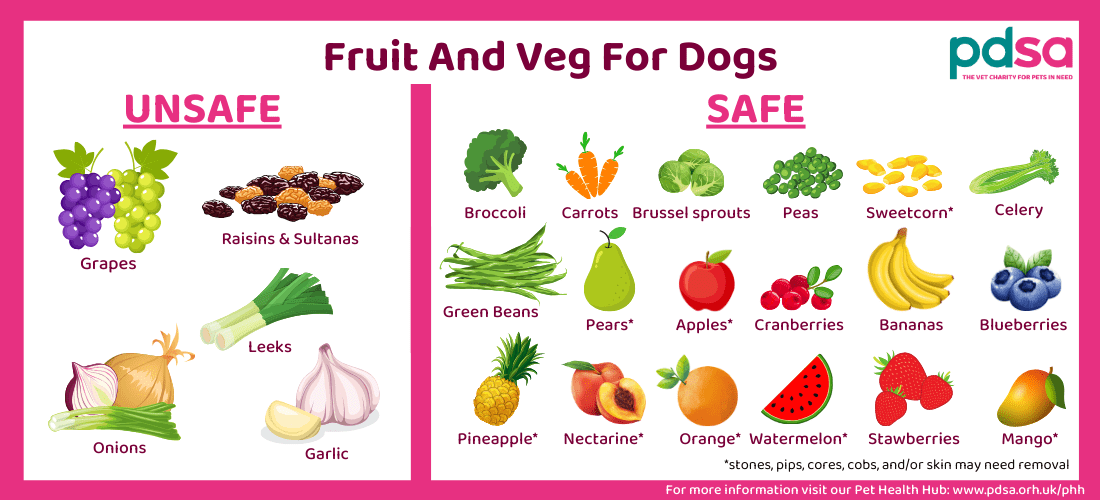
Choose fresh or cooked vegetables without seasoning. Avoid onions, garlic, and anything toxic to dogs. Here are some top vegetables that dogs enjoy and benefit from.
Carrots
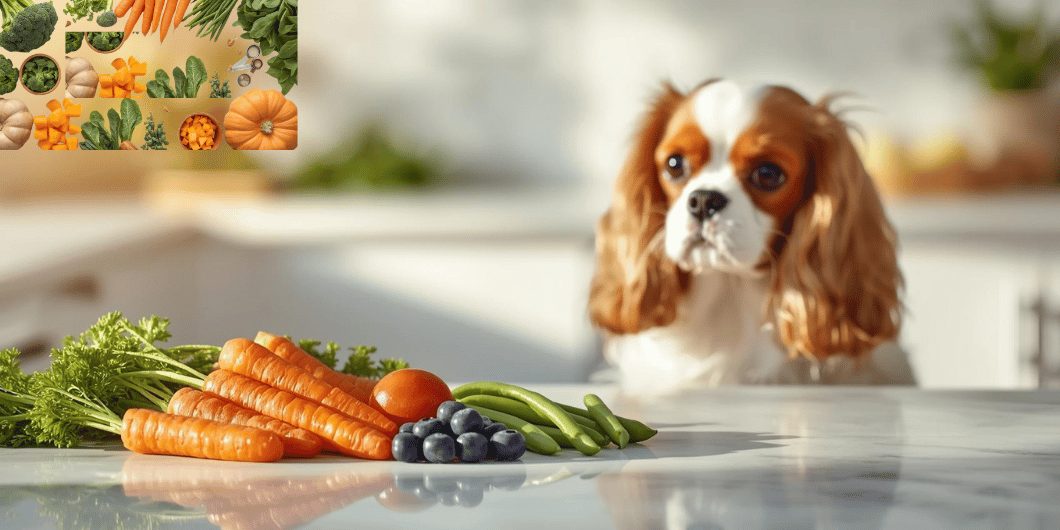
Carrots are crunchy and sweet. They contain beta-carotene, good for eyes and skin. Carrots are low in calories and high in fiber. Serve them raw or cooked, cut into small pieces.
Green Beans
Green beans are full of vitamins and fiber. They help dogs feel full without adding many calories. Steam or boil green beans before serving. Avoid canned ones with salt or seasoning.
Sweet Potatoes
Sweet potatoes are rich in vitamins A and C. They support immune and digestive health. Cook sweet potatoes well and cut into bite-sized pieces. Avoid raw sweet potatoes as they can be hard to digest.
Peas
Peas are small but packed with nutrients. They provide protein, fiber, and vitamins. Frozen or fresh peas are best for dogs. Avoid canned peas with added salt or spices.
Pumpkin
Pumpkin is great for digestion and helps with upset stomachs. It is high in fiber and water content. Use plain cooked pumpkin or canned pumpkin without spices. Feed in small amounts to avoid diarrhea.
Vegetables To Avoid
Some vegetables can harm your dog’s health. Avoid feeding these to keep your pet safe. Toxic ingredients in certain veggies cause serious problems. Learn which vegetables to skip for your dog’s wellbeing.
Onions And Garlic
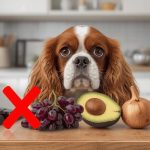
Onions and garlic contain substances toxic to dogs. They damage red blood cells and cause anemia. Even small amounts can be dangerous. Avoid raw, cooked, or powdered forms. Keep these away from your dog’s meals.
Mushrooms
Wild mushrooms are highly toxic to dogs. They can cause vomiting, diarrhea, and seizures. Store-bought mushrooms might be safe but better skip them. The risk is not worth it. Never let your dog eat mushrooms found outside.
Avocado
Avocado contains a toxin called persin. Dogs are sensitive to persin in large amounts. It can cause stomach upset and breathing issues. Avoid feeding avocado or foods with avocado. Better safe than sorry with this fruit.
Preparing Vegetables For Dogs
Preparing vegetables for dogs is important for their health and safety. Raw vegetables can be hard to digest. Cooking or softening them helps your dog chew and absorb nutrients better. Always clean vegetables well to remove dirt and chemicals. Avoid using salt, spices, or oils during preparation. Simple and plain is best.
Cooking Methods
Steaming is a great way to cook vegetables for dogs. It keeps most nutrients intact and softens the veggies. Boiling works too but can wash away some vitamins. Roasting is not recommended because it can add unwanted fats or spices. Avoid frying or seasoning in any form. Aim for plain and tender vegetables.
Portion Sizes
Start with small portions to avoid stomach upset. A few small pieces or a tablespoon of cooked vegetables is enough. Vegetables should not replace your dog’s main food. They work best as treats or supplements. Adjust the amount based on your dog’s size and appetite. Watch for any signs of allergy or discomfort.
Introducing New Veggies
Introduce new vegetables slowly and one at a time. This helps spot any allergic reactions or digestive problems. Observe your dog for a few days after trying a new veggie. Mix new vegetables with familiar foods to make it easier. Patience is key. Some dogs take time to accept new tastes and textures.
Homemade Veggie Treats
Homemade veggie treats offer a healthy snack for dogs. They are fresh, natural, and free from harmful additives. Making treats at home lets you control ingredients and tailor flavors to your dog’s taste. Plus, vegetables provide vitamins, fiber, and antioxidants that support your dog’s health.
Dogs enjoy crunchy treats. Vegetables like carrots, green beans, and sweet potatoes work well. Baking or dehydrating these veggies creates tasty, chewy snacks your dog will love. Homemade treats also save money compared to store-bought options.
Simple Recipes
Cut carrots or green beans into small pieces. Toss them lightly in olive oil. Bake at 350°F for 20 minutes until crispy. Let cool before serving.
Slice sweet potatoes thinly. Arrange on a baking sheet. Bake at 250°F for 2 hours. Turn halfway for even drying. Cool completely before giving to your dog.
Mix mashed pumpkin with oat flour and an egg. Roll into small balls. Bake at 350°F for 15 minutes. Let treats cool before feeding.
Storage Tips
Keep homemade veggie treats in an airtight container. Store in a cool, dry place. This preserves freshness and crunchiness.
For longer storage, place treats in the fridge. Use within a week to avoid spoilage.
Freeze extra treats in a sealed bag. Thaw before giving to your dog.

Credit: www.hutchpaving.com
Credit: www.pdsa.org.uk
Frequently Asked Questions
What Vegetables Are Safe For Dogs To Eat?
Safe vegetables for dogs include carrots, green beans, peas, and sweet potatoes. These veggies provide vitamins and fiber. Avoid toxic vegetables like onions and garlic. Always introduce new veggies gradually to monitor your dog’s reaction.
Can Dogs Eat Raw Vegetables Or Cooked Ones?
Dogs can eat both raw and cooked vegetables. Raw veggies retain more nutrients, but cooked ones are easier to digest. Avoid adding seasoning or oils. Steaming or boiling is the best cooking method for dog-friendly vegetables.
How Do Vegetables Benefit A Dog’s Health?
Vegetables offer essential vitamins, minerals, and fiber for dogs. They support digestion, boost immunity, and maintain healthy skin. Adding veggies can help control weight and improve overall well-being. Always feed in moderation to prevent digestive upset.
Which Vegetables Should Dogs Avoid Completely?
Dogs should never eat onions, garlic, leeks, or chives. These vegetables can cause toxicity and damage red blood cells. Also, avoid raw potatoes and rhubarb leaves. Stick to dog-safe vegetables to ensure your pet’s safety.
Conclusion
Feeding dogs vegetables adds vitamins and fiber to their diet. Many safe options exist, like carrots, green beans, and pumpkin. These veggies help with digestion and keep dogs healthy. Always introduce new foods slowly and watch for reactions. Avoid toxic vegetables such as onions and garlic.
Fresh, plain vegetables work best as treats or meal additions. A balanced diet with the right veggies supports your dog’s well-being. Try different kinds to find what your dog enjoys most. Healthy eating leads to a happy, active pet every day.