Doggy Scout

How Do You Stop a Dog from Digging? Proven Solutions
How Do You Stop a Dog from Digging

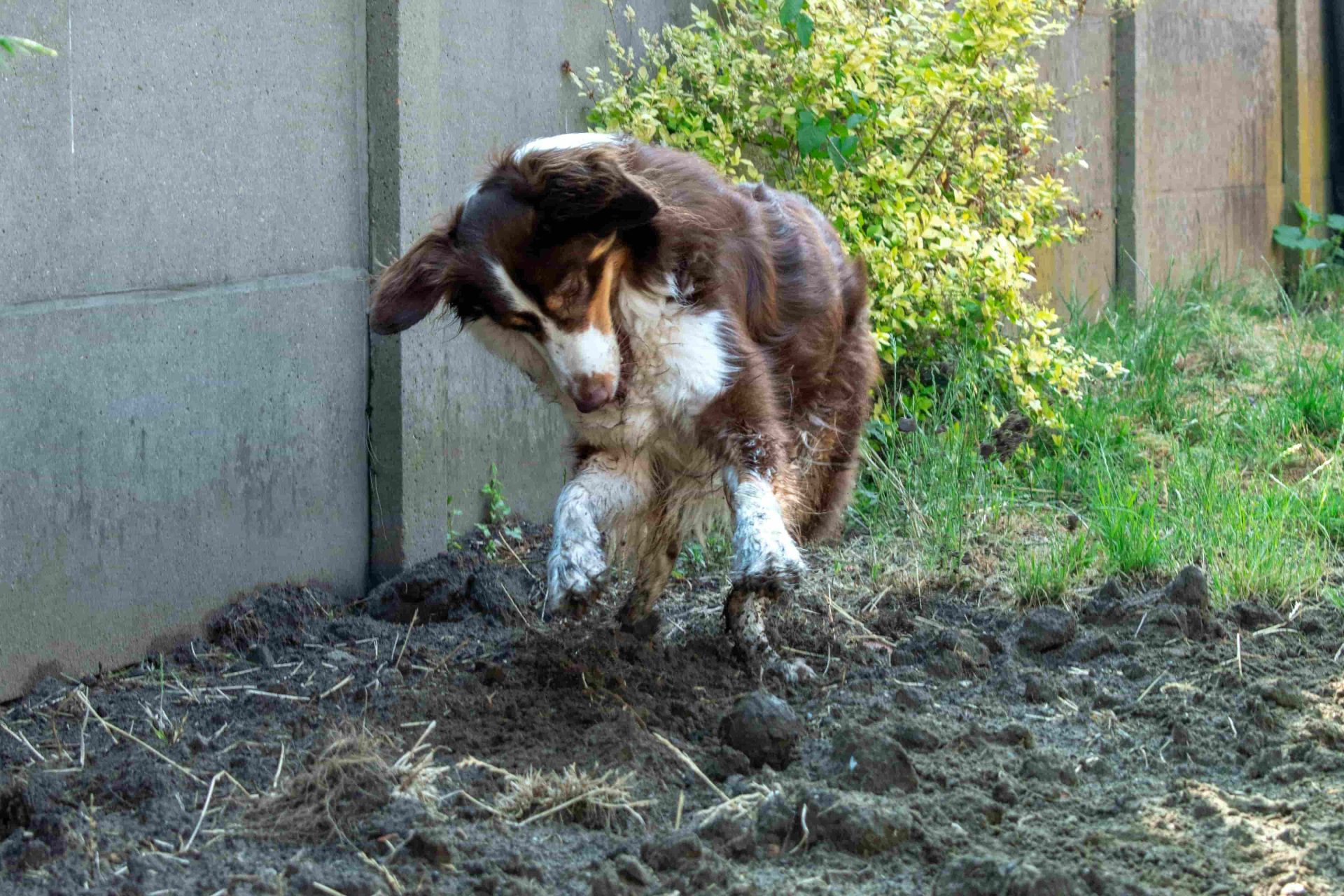
Is your dog turning your yard into a battlefield of holes? You’re not alone. You will get solution on How Do You Stop a Dog from Digging Many dog owners face the challenge of a digging dog, and it can be frustrating. But don’t worry; you can stop this behavior with the right approach. Understanding why your dog digs is the first step. Whether it’s boredom, anxiety, or simply a playful instinct, recognizing the root cause is key to finding a solution. You’ll discover practical tips and strategies to curb your dog’s digging habits. From providing mental stimulation to creating designated digging areas, you’ll learn how to redirect your furry friend’s energy in positive ways. If you’re ready to reclaim your yard and keep your dog happy, keep reading. Your solution is just a few steps away! Credit: www.dogproofer.com Reasons Dogs Dig Understanding why dogs dig is crucial for addressing this behavior effectively. Digging can stem from various motivations, and recognizing these reasons can guide you in finding the right solution. Let’s explore the most common reasons dogs dig and how you can tackle them. Hunger Or Boredom If your dog is not getting enough physical exercise or mental stimulation, they may dig out of boredom. Dogs are active creatures that thrive on interaction and activity. A lack of engagement can lead them to create their own fun, often through digging. Have you noticed your dog digging after a long day of being alone? This behavior often signals that they need more playtime or a challenge. Incorporating regular walks and play sessions can help curb this behavior. Instinctual Behavior Digging can also be a natural instinct for many breeds. Terriers, for instance, were bred to hunt and burrow. This instinct may lead them to dig in your yard or garden. Consider providing your dog with a designated digging area. This allows them to indulge their instincts without damaging your landscaping. A simple sandbox or a specific spot in the yard can satisfy their digging desires. Comfort And Security Dogs may dig to create a comfortable spot or to find shelter from the elements. This behavior is especially common during hot or cold weather. They instinctively seek a cool or warm place to relax. Assess your dog’s environment. Ensure they have a cozy, shaded area in the yard and access to fresh water. A comfortable space can reduce the urge to dig. Attention-seeking Behavior Sometimes, digging is a way for dogs to get your attention. If digging results in you coming outside to scold them, they may associate the behavior with getting noticed. This can create a cycle of unwanted behavior. Redirect your dog’s energy by rewarding them for positive behaviors. Offer praise or treats when they engage in appropriate activities. This will help them understand that digging isn’t the best way to get your attention. Stress And Anxiety Stress and anxiety can lead to digging as a coping mechanism. Changes in your home, like moving or new pets, can trigger this behavior. Dogs may dig to relieve their stress or anxiety. Look for signs of anxiety in your dog. If you suspect this is the cause, consider consulting with a veterinarian or a dog trainer. They can provide strategies to help your dog feel more secure. Understanding these reasons can empower you to address your dog’s digging behavior effectively. By identifying the root cause, you can implement practical solutions that cater to your dog’s needs. Have you noticed any specific triggers for your dog’s digging? Taking the time to observe and respond can lead to a happier, more balanced pet. Physical And Mental Stimulation Dogs need both physical and mental stimulation to stay happy. Boredom often leads to unwanted behaviors like digging. Providing activities keeps your dog engaged. This reduces their urge to dig in the yard. Physical Exercise Regular walks are essential for your dog. Aim for at least 30 minutes each day. You can also play fetch or tug-of-war. These games provide great exercise and fun. Consider taking your dog to a dog park. Here, they can run and play with other dogs. Social interactions help burn off energy. A tired dog is less likely to dig. Mental Enrichment Mental stimulation is just as important as physical activity. Puzzle toys can challenge your dog’s mind. Fill them with treats for extra motivation. Training sessions also provide mental exercise. Teach your dog new tricks or commands. This keeps their brain active and engaged. Interactive Games Interactive games help keep your dog busy. Hide and seek is a fun option. You can hide treats around the house or yard. Consider using scent games. Dogs love to sniff and search for hidden items. This taps into their natural instincts and keeps them occupied. Creating A Digging Zone Creating a digging zone can help control your dog’s behavior. It gives them a space to dig freely. This method redirects their energy. It can prevent damage to your yard. Here are some steps to create an effective digging zone. Choose The Right Location Select a spot in your yard. Look for an area away from plants. Make sure it’s a safe place for digging. Designate A Digging Area Use a clear boundary for the digging zone. You can use logs or fencing. This helps your dog understand where they can dig. Fill The Zone With Loose Soil Use soft soil or sand in the digging area. Dogs enjoy digging in loose material. This makes the zone more appealing to them. Add Fun Toys Or Treats Place toys or treats in the digging zone. This encourages your dog to dig there. It makes the area more exciting and rewarding. Supervise Your Dog Watch your dog while they dig. This helps guide them to the digging zone. Praise them when they dig in the right spot. Redirect Unwanted Digging If your dog digs elsewhere, gently redirect them. Lead them to the designated digging area. Use positive reinforcement to encourage them. Creating a digging zone … Read more


My Dog Isn’t Eating But Acting Normal: What It Means

My Dog Isn't Eating But Acting Normal

Is your/ my Dog Isn’t Eating But Acting Normal? It’s both puzzling and concerning when your furry friend turns their nose up at dinner yet still wags their tail, plays, and seems perfectly healthy. Before you panic, let’s explore the possible reasons—from harmless quirks to hidden health cues. You might find yourself asking, “Why is this happening? ” or “Should I be worried? ” The truth is, there are several reasons why your dog might skip a meal, from minor changes in routine to potential health issues. It’s essential to understand what might be going on to ensure your pet stays happy and healthy. We’ll explore the various factors that could be influencing your dog’s appetite and what steps you can take to encourage them to eat again. Let’s dive in and uncover the answers you need! Possible Causes Of Loss Of Appetite Loss of appetite in dogs, while they seem healthy, can arise from various factors. Stress, dental issues, or a recent change in diet might affect their eating habits. Observing your dog closely and consulting a vet if the issue persists is essential for their well-being. Possible Causes of Loss of Appetite When your dog isn’t eating but appears to be acting normally, it can be concerning. You might wonder what could be causing this sudden change in behavior. Understanding the possible causes of loss of appetite can help you identify any underlying issues and decide on the next steps. Dental health plays a crucial role in your dog’s appetite. If your furry friend has dental issues, such as gum disease or broken teeth, eating can become painful. Watch for signs like drooling, bad breath, or difficulty chewing. These may indicate that a trip to the vet is necessary. Recent Vaccinations Has your dog recently received vaccinations? This can sometimes lead to a temporary loss of appetite. While most dogs return to their usual eating habits within a day or two, keep an eye on them. If the appetite doesn’t improve, consult your vet. Stress Or Anxiety Dogs can be sensitive to changes in their environment. New people, loud noises, or changes in routine might cause stress. If your dog seems anxious, try to create a calm space for them. Regular playtime and affection can help ease their worries and may encourage them to eat. Gastrointestinal problems can also lead to a decreased appetite. Conditions such as an upset stomach or parasites can make your dog feel unwell. Look for signs like vomiting, diarrhea, or lethargy. If you notice these symptoms, it’s essential to seek veterinary advice. Food Preferences Sometimes, your dog may simply be bored with their food. Just like us, they can have favorites and may refuse to eat something that no longer excites them. Consider trying a different brand or flavor. You might be surprised how quickly they return to their bowl! Age-related Changes As dogs age, their metabolism and appetite may change. Older dogs might not eat as much as they used to. Monitor your senior dog’s overall health and discuss any concerns with your vet. Adjusting their diet could make a significant difference. Underlying Medical Conditions Loss of appetite can also signal serious health issues, such as kidney disease or cancer. These conditions can affect your dog’s desire to eat. If your dog continues to refuse food for more than a couple of days, it’s crucial to consult a veterinarian to rule out any serious concerns. Understanding why your dog isn’t eating can be a puzzle. By considering these possible causes, you can take proactive steps to ensure your pet’s health and well-being. What changes have you noticed in your dog’s behavior? Your observations could be key to addressing their appetite issues effectively. Stress And Anxiety Stress and anxiety can affect your dog’s appetite. Even if your dog seems normal, underlying stress may cause eating issues. Changes in routine, environment, or social interactions can trigger anxiety in dogs. Recognizing these stressors is crucial for your dog’s well-being. (My Dog Isn’t Eating But Acting Normal) Common Causes Of Stress In Dogs Many factors can lead to stress in dogs. Loud noises, like thunder or fireworks, can startle them. New people or pets in the home may create tension. Changes in your schedule can also unsettle your dog. Even moving to a new house can cause anxiety. Signs Of Stress In Dogs Look for signs that your dog is stressed. Excessive barking or whining can indicate discomfort. Pacing or hiding are common behaviors in anxious dogs. Some dogs may even become aggressive or withdrawn. Watch for changes in body language as well. How To Help Your Dog Create a calm environment for your dog. Provide a safe space where they can retreat. Use soothing music or calming scents to reduce anxiety. Regular exercise can also help alleviate stress. Consistency in routine can make your dog feel secure. When To Seek Professional Help If your dog’s stress persists, consider consulting a veterinarian. They can provide guidance on anxiety management. In some cases, medication may be necessary. Behavioral therapy is another option to explore for long-term solutions. Dental Problems Dental problems can be a hidden reason why dogs refuse to eat. Healthy teeth and gums are crucial for a dog’s appetite. Pain or discomfort in the mouth can lead to changes in eating habits. Understanding dental issues is key to helping your dog. Signs Of Dental Issues Look for signs like bad breath, swollen gums, or difficulty chewing. Dogs may paw at their mouths or avoid certain foods. If your dog shows these signs, a dental problem might be present. Common Dental Problems Common issues include tartar buildup, gum disease, and broken teeth. Tartar can cause infections and pain. Gum disease often leads to swelling and bleeding. Broken teeth can be very painful and prevent eating. Impact On Appetite Painful mouths can make eating uncomfortable. Dogs may choose to skip meals rather than deal with the pain. This can result in weight loss and other health … Read more

Separation Anxiety in Dogs: Tips to Calm Your Furry Friend

Separation Anxiety in Dogs

Separation anxiety in dogs is more than just a phase; it’s a significant issue that affects many pets and their owners. Have you ever come home to find your beloved dog in distress, barking excessively, or even destroying furniture? You’re not alone. This behavior can stem from a deep fear of being left alone, and understanding it is crucial for both your dog’s well-being and your peace of mind. We’ll explore what separation anxiety really means, its signs, and effective strategies to help your furry friend cope. By the end, you’ll have the tools and knowledge to create a calmer environment for your dog, turning those anxious moments into peaceful ones. Let’s dive in and discover how you can make a positive change in your dog’s life today. Credit: www.thebondbetween.org Signs Of Separation Anxiety Recognizing the signs of separation anxiety in dogs is crucial. These signs can vary among dogs. Some dogs may show mild symptoms, while others may display more severe behaviors. Understanding these signs helps in addressing the issue early. Excessive Barking Or Howling One of the first signs is excessive barking. Dogs may bark or howl when left alone. This behavior often indicates distress. It can disturb neighbors and create tension. Destructive Behavior Destructive behavior is another common sign. Dogs may chew furniture or scratch doors. This often happens as a way to cope with anxiety. It can lead to costly repairs and safety hazards. House Soiling House soiling can occur even with house-trained dogs. They may urinate or defecate indoors. Stress can trigger this behavior, especially when left alone. Restlessness Or Pacing Restlessness is a clear indicator of anxiety. Dogs may pace back and forth in a confined space. This behavior shows they are uncomfortable and seeking comfort. Following You Everywhere Some dogs may follow their owners closely. They might feel insecure when separated. This behavior shows their need for constant reassurance. Clinginess Clinginess is another sign of separation anxiety. Dogs may refuse to leave your side. This behavior often indicates fear of being alone. Excessive Licking Or Chewing Excessive licking or chewing can signal anxiety. Dogs may lick their paws or chew on themselves. This behavior can lead to skin issues or infections. Signs Of Stress When You Prepare To Leave Many dogs show stress before you leave. They may act anxious or restless. This behavior often includes whining, barking, or hiding. Setting A Routine A consistent routine helps manage separation anxiety in dogs. Regular feeding, playtime, and quiet moments create a sense of security. Gradually increasing alone time can also ease their stress and help them feel more comfortable when left alone. Setting a routine for your dog can significantly alleviate symptoms of separation anxiety. Dogs thrive on consistency and predictability. By establishing a daily schedule, you create a sense of security that can help your furry friend feel more at ease when you leave. Predictable Schedule A consistent daily routine is crucial. Plan regular times for meals, walks, and playtime. This predictability gives your dog a clear understanding of what to expect. – Morning Routine: Start the day with a morning walk. This helps your dog release energy and feel settled. – Feeding Schedule: Offer meals at the same time each day. This reinforces a sense of stability. – Playtime: Designate specific times for play. Engaging in fun activities can distract your dog from your departures. Gradual Departures Practice leaving your dog for short periods. Start with just a few minutes and gradually extend the time you’re away. – Initial Steps: Leave the room for a brief moment while your dog is distracted. – Increase Duration: Slowly add more time away. This helps your dog adjust to being alone without feeling anxious. – Stay Calm: When returning, avoid excessive excitement. This teaches your dog that your departures and arrivals are normal. Consistent Cues Use consistent cues when you prepare to leave. This can help signal to your dog that you’re going out. – Departure Ritual: Create a simple routine, like grabbing your keys or putting on your shoes. – Familiar Items: Leave behind an item of yours, like a worn shirt. This can provide comfort while you are away. – Calming Signals: Use a calm voice and relaxed body language when you leave and return. Quality Time Together Spend quality time with your dog daily. This reinforces your bond and builds trust. – Interactive Play: Engage in games that stimulate your dog mentally and physically. – Training Sessions: Short training sessions can be fun and rewarding. This promotes positive interaction and mental engagement. – Relaxation Time: Cuddle or relax together on the couch. This can help your dog feel secure and loved. Have you ever noticed how your dog reacts to your routine? Observing their behavior might offer insights into their anxiety levels. A structured approach can make a world of difference in your dog’s comfort and happiness. Departure Cue Strategies Separation anxiety in dogs can be distressing for both you and your furry friend. One effective way to tackle this issue is by implementing departure cue strategies. These strategies help your dog associate your leaving with positive experiences rather than anxiety and fear. Let’s dive into practical tips that can ease this transition for your pet. Predictable Schedule Dogs thrive on routine. Establishing a predictable schedule can significantly reduce anxiety. Feed your dog at the same times each day. Take them for walks at consistent intervals. Incorporate playtime into your daily routine. When your dog knows what to expect, it can ease their worry about your departures. Desensitization Techniques Start by desensitizing your dog to the cues that signal your departure. For instance, if putting on your shoes triggers anxiety, practice wearing them without leaving the house. Put on your coat and stay home. Grab your keys and sit down to read. This helps your dog learn that these cues do not always mean you are leaving for long. Practice Short Departures Gradual exposure can build your dog’s confidence. Start by … Read more

Treatment for Ringworm in Dogs: Effective Solutions & Tips

Treatment for Ringworm in Dogs

Treatment for ringworm in dogs is essential when your pet starts showing signs like excessive scratching, hair loss, or circular skin lesions. Despite the name, ringworm isn’t caused by a worm, but by a contagious fungus. In this guide, we’ll walk you through the symptoms, diagnosis, and most effective treatment options to help your dog heal and stay comfortable.