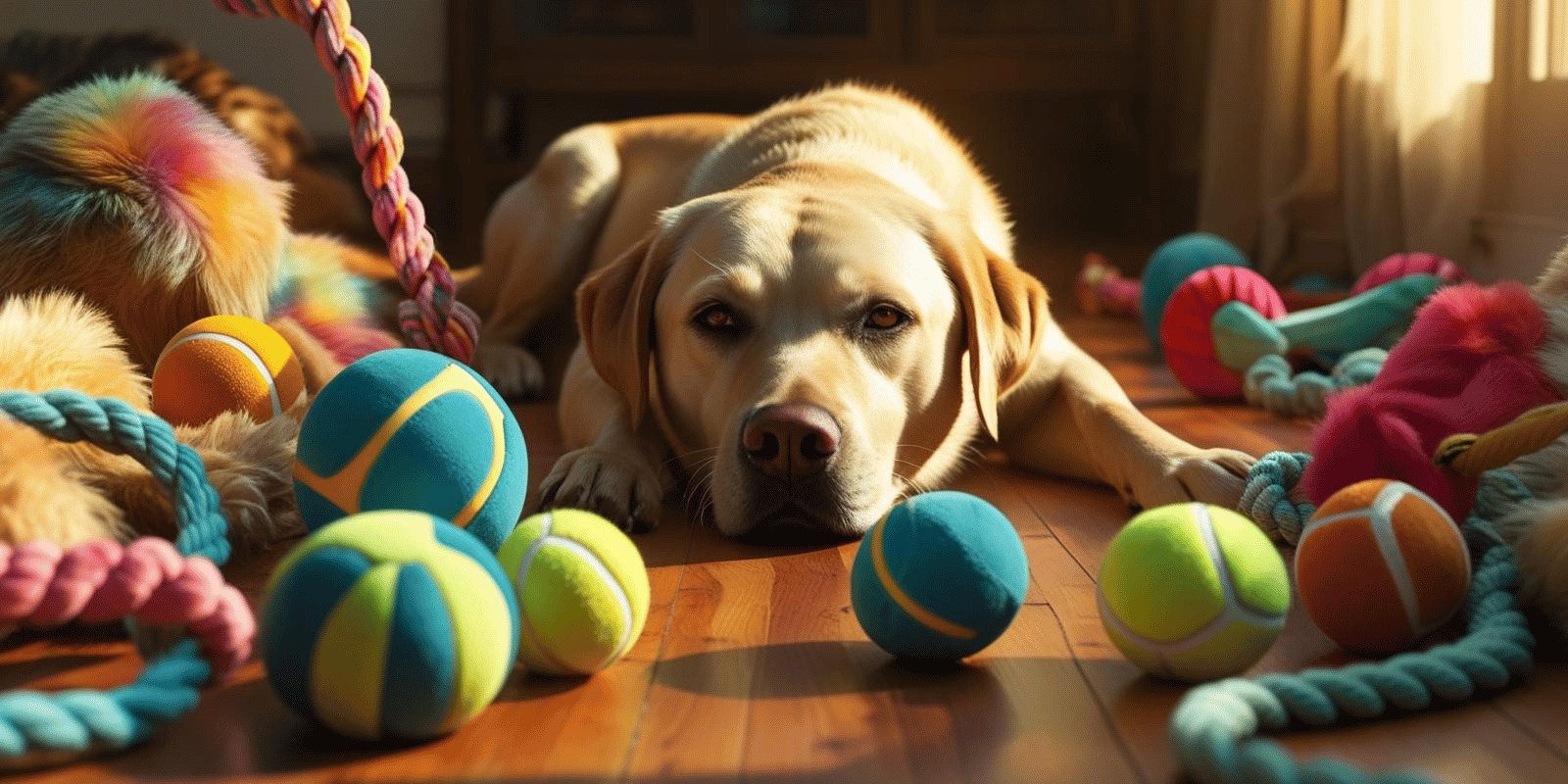
The Complete First-Time Dog Owner Guide: Expert Tips

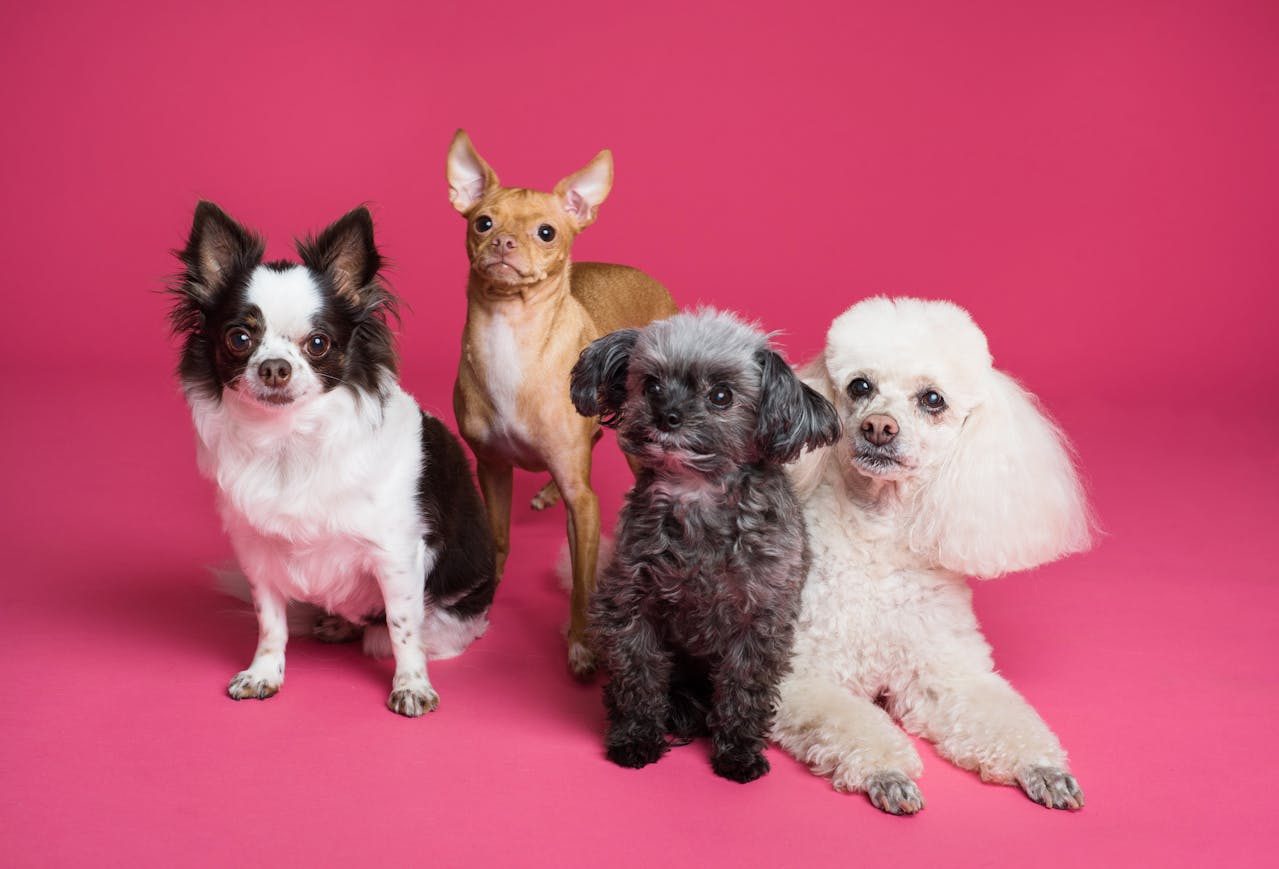
Bringing a dog into your life is an exciting adventure filled with joy, companionship, and a few challenges along the way. If you’re a first-time dog owner, you might be feeling a mix of emotions—from excitement to anxiety about getting everything right. You want to provide the best for your new furry friend, but where do you start? This guide is designed specifically for you. In “The Complete First-Time Dog Owner Guide,” you’ll find essential tips and insights that will help you navigate the early days of dog ownership with confidence. From choosing the right supplies to understanding your dog’s needs, we’ll cover everything you need to know to create a loving and safe environment. Stay with us as we break down the critical aspects of dog care, training, and bonding. Each section is packed with practical advice that you can easily implement. By the end, you’ll feel prepared and excited to embark on this new journey with your four-legged companion. Let’s get started on making your experience as a first-time dog owner a happy and fulfilling one! Choosing The Right Breed Choosing the right dog breed is crucial for first-time owners. Each breed has unique traits. Some breeds are friendly and easygoing. Others may be more active or require special care. Understanding these differences helps in making the best choice. Consider your lifestyle and living situation. This will guide you to the right breed. Let’s explore key factors to consider. Look at size, energy level, and temperament. These factors will impact your daily life with your new pet. Size Matters Dog breeds come in various sizes. Small breeds like Chihuahuas need less space. They suit apartment living. Large breeds like Labrador Retrievers need more room. They thrive in homes with yards. Think about your living space before choosing. Energy Level Different breeds have different energy levels. High-energy breeds need regular exercise. This includes daily walks and playtime. Low-energy breeds may be content with short walks. Choose a breed that matches your activity level. Temperament Temperament varies among dog breeds. Some breeds are known for being friendly and social. Others may be more reserved or protective. Research the breed’s temperament. This will help you find a good match for your family. Grooming Needs Grooming needs also differ by breed. Long-haired breeds often require more grooming. Regular brushing is essential to avoid matting. Short-haired breeds may need less maintenance. Consider how much time you can dedicate to grooming. Allergies And Health Issues Some breeds are hypoallergenic. They produce fewer allergens. This is important for allergy sufferers. Research common health issues in breeds. Some breeds are prone to specific health problems. Understanding these can save you time and money later. Time Commitment Every dog needs time and attention. Puppies require more time for training and socialization. Adult dogs may need less, but still require daily care. Evaluate your schedule. Make sure you can commit to your new pet. Choosing the right breed sets the foundation for a happy relationship. Take your time to research. Understanding your needs and lifestyle will lead to the best choice. Preparing Your Home Bringing a dog into your home requires careful preparation. Your living space must be safe and welcoming. Make adjustments to ensure your new friend feels comfortable. This process helps both you and your dog adjust smoothly. Dog-proof Your Space Start by removing hazards. Keep toxic plants, chemicals, and small objects out of reach. Store cleaning supplies in cabinets. Ensure electrical cords are hidden. This keeps your dog safe and prevents accidents. Create A Cozy Spot Your dog needs a designated area. Choose a quiet spot away from noise. Provide a comfortable bed and a few toys. This space will be their safe haven. Stock Up On Supplies Gather essential supplies before your dog arrives. Buy food and water bowls. Choose high-quality dog food suited for their age. Get a collar and leash for walks. Don’t forget grooming tools and a crate. Establish House Rules Decide on house rules early. Will your dog be allowed on furniture? What about specific rooms? Consistency helps your dog learn boundaries. Communicate these rules with all family members. Prepare For Training Training starts at home. Set aside time for basic commands. Use positive reinforcement to encourage good behavior. This builds a strong bond between you and your dog. Make Space For Play Dogs need exercise and playtime. Create an area for play indoors and outdoors. Ensure it is safe and free from obstacles. Toys like balls and frisbees are great for outdoor fun. Plan For Socialization Socialization is vital for your dog. Expose them to various sounds and sights. Introduce them to new people and pets gradually. This helps them become well-adjusted and confident. Essential Supplies Bringing a new dog home requires careful planning. Essential supplies help ensure a smooth transition. These items keep your dog safe and comfortable. They also make your life easier as a new owner. Gathering the right supplies prepares you for dog ownership. Here are the must-have items for every first-time dog owner. Food And Water Bowls Choose sturdy bowls for food and water. Look for non-slip options to prevent spills. Stainless steel bowls are easy to clean. They also resist bacteria. Size matters, too. Select bowls that fit your dog’s breed. High-quality Dog Food Pick a nutritious dog food brand. Consult your vet for recommendations. Choose food suitable for your dog’s age and size. A balanced diet supports their growth and health. Collar And Leash A collar keeps your dog secure. It should fit snugly but not too tight. A leash is essential for walks. Opt for a strong, comfortable leash that suits your dog’s size. Dog Bed A cozy dog bed offers a safe resting place. Choose a bed that matches your dog’s size. Look for easy-to-wash materials. Dogs love their own space to relax. Toys For Playtime Provide various toys for mental stimulation. Chew toys help with teething. Interactive toys engage your dog’s mind. Rotate toys to keep playtime exciting. … Read more