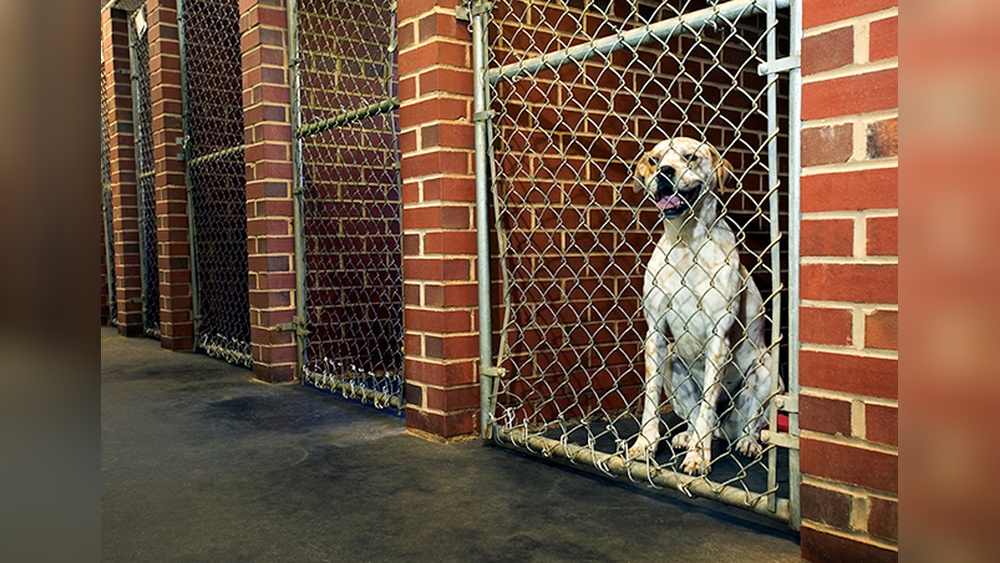
When it comes to leaving your pet in someone else’s care, you want to be sure they’re safe, comfortable, and happy. Choosing a boarding kennel isn’t just about finding a place to leave your furry friend; it’s about finding a second home where they’ll be treated with love and respect.
You might feel overwhelmed by the options or unsure what to look for. This guide will help you make the right choice, so your pet feels secure and you have peace of mind. Keep reading to discover the key things you should consider before trusting a kennel with your best friend.
Factors To Consider
Choosing the right boarding kennel matters for your pet’s comfort and safety. Several key factors help you decide which place suits your pet best. These factors ensure your pet stays happy and healthy while you are away.
Location And Accessibility
Pick a kennel close to your home or work. This makes drop-offs and pick-ups easier. A nearby location helps you visit your pet if needed. Check if the place is easy to find and has good parking. Convenience reduces stress for both you and your pet.
Facility Cleanliness
Clean kennels prevent illness and keep pets healthy. Look for well-maintained spaces and fresh bedding. Check if the kennels are cleaned daily. Smell and sight tell a lot about hygiene. Clean areas show care and professionalism.
Staff Qualifications
Skilled staff make a big difference in care quality. Ask about their experience with animals. Trained workers handle pets gently and safely. Staff should know pet behavior and basic health care. Friendly, attentive workers help pets feel calm and loved.
Safety Measures
Safety is the top priority in any kennel. Secure fences and locked gates protect pets from escaping. Check for emergency plans and vet access. Proper vaccination rules prevent disease spread. Safe spaces keep pets protected at all times.

Credit: www.stortvet.com
Types Of Boarding Kennels
Choosing the right boarding kennel matters for your pet’s comfort. Different types serve different needs. Each offers unique care and environment. Understanding these options helps pick the best place for your dog or cat.
Traditional Kennels
Traditional kennels provide basic, safe housing. Pets stay in clean, secure cages or runs. Staff feed, water, and walk animals regularly. This option suits pets used to kennel life. It is often the most affordable choice.
Luxury Suites
Luxury suites offer extra space and comfort. Pets enjoy soft beds, climate control, and private areas. Some provide entertainment like TV or toys. This option fits pets needing extra pampering. Owners seeking a high level of care prefer this.
Home Boarding
Home boarding places pets in a family home. Animals get personal attention and a calm setting. This feels like a small vacation for shy pets. It reduces stress from noisy kennels. Good for pets that enjoy human company.
Specialized Care Facilities
Specialized care facilities serve pets with medical needs. Staff includes trained veterinary professionals. Pets get medication, therapy, or special diets. Ideal for older pets or those recovering from illness. Provides peace of mind for owners.
Services Offered
Choosing the right boarding kennel means checking their services carefully. Each kennel offers different care levels for pets. Good kennels provide more than just a place to stay. They offer care that keeps pets happy and healthy during their stay.
Exercise And Playtime
Exercise is essential for pets’ health and happiness. Quality kennels include daily playtime and walks. Some have large outdoor areas for running and socializing. Regular activity helps reduce stress and boredom. Pets stay active and enjoy their time away from home.
Feeding And Diet Options
Proper feeding supports pets’ well-being and energy. Kennels often follow your pet’s usual diet. Some offer special meals for allergies or health needs. Fresh water is always available. Clear feeding routines help pets feel comfortable and safe.
Medical Care
Health is a top priority at good kennels. They monitor pets for signs of illness or injury. Staff can give medications as needed. Some kennels have on-call vets or emergency plans. Quick response keeps pets safe and cared for.
Grooming And Hygiene
Cleanliness prevents infections and keeps pets comfortable. Many kennels offer grooming services like baths and brushing. Regular cleaning of living spaces is standard. Grooming helps pets look and feel their best. Good hygiene reduces stress and promotes health.
Cost And Payment
Choosing a boarding kennel means knowing the costs and payment rules. This helps avoid surprises and keeps your pet’s stay smooth. Prices vary by kennel and services offered. Understanding the cost details saves money and stress.
Pricing Structures
Most kennels charge by the day or night. Some offer weekly or monthly rates. Prices depend on kennel size, pet type, and extra care. Basic boarding costs less than special services like grooming or training. Check if food and playtime are included in the price.
Additional Fees
Extra charges can appear for special needs or late pick-ups. Vaccination checks might have a fee. Some kennels charge for medicine or special diets. Ask about all possible extra costs before booking. Clear knowledge avoids unexpected bills.
Cancellation Policies
Each kennel has its own rules for cancellations. Some require notice days before to get a refund. Others keep a deposit if canceled late. Read the policy carefully. This protects your money and plans.
Payment Methods
Kennels accept many payment types like cash, card, or online pay. Some require a deposit when you book. Others want full payment at drop-off or pick-up. Choose a kennel with payment options that suit you.
Visiting And Evaluating
Visiting and evaluating a boarding kennel is a key step to ensure your pet’s safety and comfort. This visit helps you see the kennel’s environment and how staff care for animals. You get a clear idea about cleanliness, space, and staff behavior. Planning a visit ahead lets you ask questions and observe important details.
Scheduling A Tour
Call the kennel to set a tour appointment. Choose a quiet time to avoid crowd and rush. A scheduled visit lets staff prepare and show you around. Ask if you can see where your pet will stay. This visit shows the kennel’s real atmosphere and cleanliness.
Observing Animal Behavior
Watch how animals act inside the kennel. Calm and happy pets show good care. Notice if animals have enough space to move. Check if staff interact kindly and gently. Loud barking or stressed animals may signal problems. A peaceful environment means your pet will feel safe.
Asking The Right Questions
Prepare questions about daily routines and emergencies. Ask about feeding, exercise, and medical care. Inquire about staff training and certifications. Find out how they handle sick or aggressive pets. Clear answers help you trust the kennel’s care quality.
Checking References And Reviews
Look for online reviews and ratings from other pet owners. Ask the kennel for references to contact. Honest feedback reveals strengths and possible issues. Positive reviews show consistent good service. Use this info to make a confident choice.
Preparing Your Pet
Preparing your pet for boarding helps reduce stress and ensures a smooth stay. Pets feel safer with familiar routines and items. Planning ahead makes the experience better for both of you. Focus on health, comfort, and clear communication with the kennel staff.
Vaccination Requirements
Most kennels require pets to have up-to-date vaccinations. These protect your pet and others from diseases. Check with the kennel about specific vaccines needed. Bring vaccination records to show proof. Missing shots can delay or cancel your pet’s stay.
Packing Essentials
Pack your pet’s favorite toys and bedding. These items bring comfort and reduce anxiety. Include enough food for the entire stay. Label all items with your pet’s name. Avoid packing anything that might get damaged or lost.
Acclimating Your Pet
Visit the kennel before the stay if possible. Let your pet explore the area calmly. Short visits help your pet get used to new smells and sounds. Practice leaving your pet alone at home for short periods. This builds confidence and lowers separation anxiety.
Emergency Contact Information
Provide the kennel with your current phone number. Include a backup contact in case you are unreachable. Share your pet’s vet details and any medical needs. Clear emergency info ensures quick action if needed.
Frequently Asked Questions
What Should I Look For In A Boarding Kennel?
Look for cleanliness, safety, and proper ventilation. Check staff qualifications and animal care standards. Ensure they offer regular exercise and socialization for pets.
How Do I Verify A Kennel’s Credentials?
Ask for licenses and certifications. Check reviews and ratings online. Visit the facility to observe hygiene and animal treatment firsthand.
Can My Pet’s Medical Needs Be Handled At Kennels?
Choose kennels with trained staff for medical care. Confirm they can administer medications and handle emergencies promptly.
How Can I Prepare My Pet For Boarding?
Bring familiar toys and bedding. Update vaccinations and provide detailed care instructions. Acclimate your pet to the kennel environment beforehand.
Conclusion
Choosing the right boarding kennel keeps your pet safe and happy. Check cleanliness, staff care, and play areas carefully. Visit the kennel before booking to see how it feels. Ask about feeding, exercise, and emergency plans. Trust your gut feeling about the place.
A good kennel makes your trip stress-free. Your pet deserves a comfortable and loving stay. Take time to find the best match for your furry friend. Peace of mind comes from careful choices. Your pet’s well-being is worth the effort.