
Does my dog need senior dog food? As your dog ages, you might start to wonder if their diet needs to change. You want the best for your furry friend, but how do you know if they need senior dog food?
It’s a question many pet owners face. Senior dog food is often marketed with special ingredients and formulations designed for older dogs. But is it really necessary for your beloved companion? We’ll explore the signs that might indicate a dietary change is needed, the benefits of senior dog food, and how to make the best choice for your pet’s health.
Stay with us to find out how you can ensure your dog remains happy and healthy in their golden years. Your decisions today can make a big difference in their well-being tomorrow.
Signs Of Aging In Dogs
As dogs age, they go through various changes. Some signs are easy to spot. Others can be more subtle. Recognizing these signs helps in understanding their needs. Senior dog food may be beneficial during this time.
Decreased Energy Levels
Older dogs often have less energy. They may prefer lounging over playing. Short walks might replace long runs. This change can affect their weight and health.
Changes In Weight
Weight loss or gain is common in senior dogs. Metabolism slows down as dogs age. Some dogs may become overweight due to lower activity. Others may lose weight due to health issues.
Stiffness And Joint Pain
Arthritis is common in older dogs. Stiffness in joints can make movement difficult. Dogs may struggle to climb stairs or get up. Watch for signs of discomfort during activities.
Changes In Appetite
Older dogs may eat less or show no interest in food. Some may need more frequent meals. Others may require special diets. Monitor their eating habits closely.
Dental Issues
Dental problems often arise in senior dogs. Bad breath, loose teeth, or difficulty chewing can occur. Regular dental check-ups are important to maintain their health.
Behavioral Changes
Changes in behavior may indicate aging. Senior dogs might become more anxious or confused. They may also sleep more and show less interest in play. Understanding these changes is key to their care.
Vision And Hearing Loss
Older dogs often experience sensory loss. They may have trouble seeing or hearing. Look for signs like bumping into objects or not responding to commands.
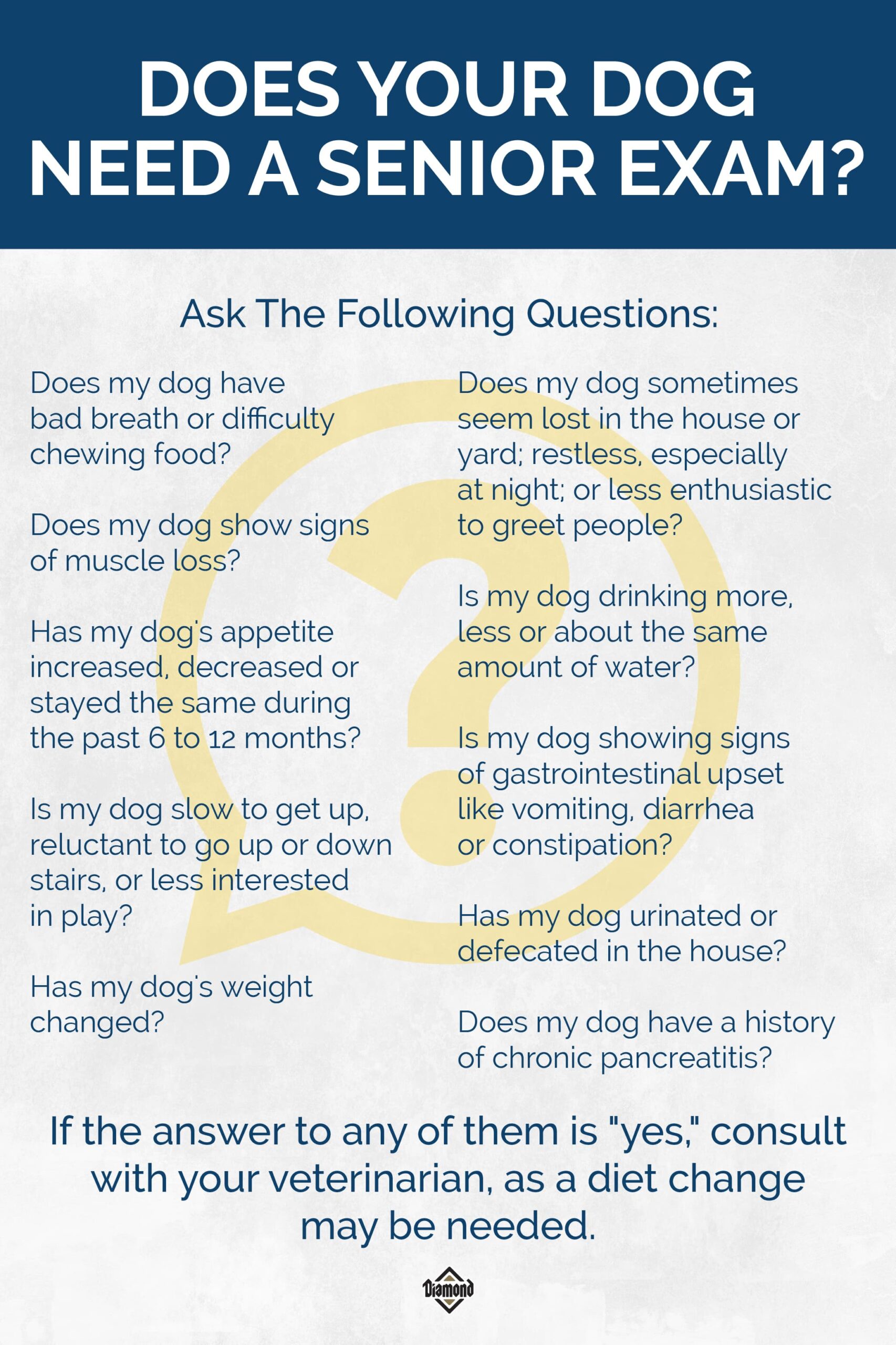
Credit: www.diamondpet.com
What Makes Senior Dog Food Different
Senior dog food differs mainly in its nutritional content. It usually contains fewer calories, lower protein, and added ingredients for joint support. Not every older dog needs this specialized diet. Factors like health issues and activity level should guide your decision on whether to switch.
When it comes to your furry friend entering their golden years, you may wonder whether they need a specific senior dog food. Understanding the differences in senior dog food can help you make informed decisions about their diet. Senior dog food is tailored to meet the unique nutritional needs of older dogs. Let’s break down what makes these diets different from regular dog food.
Lower Caloric Content
Senior dog food generally has fewer calories. As dogs age, their activity levels often decrease, leading to potential weight gain. A lower caloric intake helps prevent obesity, which can lead to additional health problems. Consider how your dog’s energy levels have changed over the years. If your once-active pup now prefers lounging, adjusting their diet can help maintain a healthy weight.
Enhanced Nutrients For Joint Health
Many senior dog foods include added nutrients like glucosamine and chondroitin. These ingredients support joint health, which is vital as dogs age. Joint issues like arthritis can severely impact your dog’s quality of life. I noticed a significant improvement in my dog’s mobility after switching to a senior diet enriched with these nutrients. Watching them enjoy their walks again was a heartwarming experience.
Increased Fiber For Digestive Health
Senior dog food often has higher fiber content. This aids in digestion and helps prevent constipation, a common issue in older dogs. A fiber-rich diet can promote overall gut health, which is essential as your dog ages. Have you ever experienced your dog having trouble with digestion? Opting for senior food might just provide the relief they need.
Tailored Protein Levels
The protein levels in senior dog food are usually adjusted. While high-quality protein is still crucial, the emphasis often shifts to easier-to-digest sources. This helps maintain muscle mass without putting extra strain on the kidneys. You might notice that your senior dog seems more energetic and lively with the right protein balance. Keeping an eye on their muscle tone can be a good indicator of their nutritional needs.
Individual Needs Matter
Each dog is unique, and their dietary requirements may vary. Some dogs thrive on high-quality adult food well into their senior years. Others may require specialized senior diets to address specific health issues. Consulting with your veterinarian is crucial. They can evaluate your dog’s health, weight, and activity level to recommend the best food option. Understanding what makes senior dog food different can empower you to provide the best care for your aging companion. Have you noticed any changes in your dog’s behavior or health that might warrant a switch in diet?
Health Benefits Of Senior Dog Food
Senior dog food is designed for aging dogs. It offers specific nutrients that support their health. These foods often contain lower calories. This helps prevent weight gain. Senior dogs typically move less. They need fewer calories to stay healthy.
Many senior dog foods include joint support ingredients. Glucosamine and chondroitin are common additions. These ingredients help with joint pain and stiffness. They can improve mobility. This is important for active senior dogs.
Senior dog food may also have easier-to-digest ingredients. Aging dogs may struggle with digestion. Special formulas can help them absorb nutrients better. This supports overall health and energy levels.
Weight Management
Maintaining a healthy weight is crucial for senior dogs. Senior dog foods often have fewer calories. This helps prevent obesity. Obesity can lead to serious health issues. Keeping your dog at a healthy weight supports their quality of life.
Joint Health
Many older dogs suffer from joint issues. Senior dog food can help manage this. Ingredients like glucosamine support joint function. Healthy joints allow for better movement. This keeps your dog active and happy.
Digestive Support
Senior dogs may have sensitive stomachs. Senior dog food often includes fiber. Fiber aids digestion and promotes gut health. This is important for nutrient absorption. A healthy digestive system supports overall well-being.
Enhanced Nutrient Profile
Senior dog food is rich in essential nutrients. Vitamins and minerals support aging bodies. Antioxidants help fight free radicals. This can reduce the risk of chronic diseases. A balanced diet is key for longevity.

Credit: www.purelypetsinsurance.co.uk
When To Switch To Senior Dog Food
Determining if your dog needs senior food depends on age and health. Typically, dogs over seven years old may benefit from a specialized diet. Signs like weight gain, joint issues, or decreased activity level can indicate the need for senior dog food.
Always consult your vet for tailored advice.
When deciding whether to switch your dog to senior dog food, timing is crucial. It’s not just about age; various factors play a role in this decision. Understanding when to make the switch can ensure your furry friend receives the best possible nutrition tailored to their needs.
Age Considerations
Generally, dogs are considered seniors around the age of 7 years. However, this can vary based on the breed. Larger breeds tend to age faster than smaller ones. If your dog is approaching this age, observe any changes in their behavior or health. Are they less active? Do they seem to have more trouble with mobility? These could be signs that it’s time to consider a senior diet.
Health Issues
Health problems often dictate the need for senior dog food. Conditions like arthritis, obesity, or kidney issues can arise as dogs age. If your dog is experiencing any of these issues, a specialized diet may help. For instance, a friend of mine noticed her dog limping more frequently. After a vet visit, she learned that arthritis was the culprit. Switching to senior food with joint-supporting ingredients made a significant difference in her dog’s comfort.
Individual Needs
Every dog is unique, and their nutritional needs can vary. Some dogs may thrive on high-quality adult food throughout their senior years. Others may require a senior-specific diet to address particular health concerns. Consider your dog’s lifestyle and preferences. If they are still active and healthy, they might not need to transition just yet. However, if you notice any changes in weight or activity levels, reassess their food.
Veterinary Consultation
Your veterinarian is your best resource for determining the right time to switch. They can evaluate your dog’s overall health, weight, and any existing medical conditions. After my dog’s annual check-up, the vet recommended a shift to senior food due to slight weight gain and reduced activity. It was reassuring to have professional guidance in making the transition. In the end, closely observe your dog’s needs and consult with your vet. This proactive approach can lead to a healthier, happier senior dog. Is your furry friend showing signs that it’s time for a change?
Common Ingredients In Senior Dog Food
Choosing the right food for your senior dog can be a complex decision. As dogs age, their nutritional needs change. Understanding the common ingredients in senior dog food can help you make informed choices that support your furry friend’s health and well-being.
Protein Sources
Senior dog food often contains high-quality protein sources. These proteins help maintain muscle mass, which can decline with age. Look for ingredients like chicken, lamb, or fish. They are not just tasty; they provide essential amino acids your dog needs.
Healthy Fats
While senior dog food may have lower fat content, it still includes healthy fats. Ingredients like fish oil or flaxseed oil are beneficial. They support skin and coat health, keeping your dog comfortable and looking good.
Fiber-rich Ingredients
Fiber plays a crucial role in senior dog diets. Ingredients like brown rice, oats, and sweet potatoes help with digestion. This can be especially important if your dog experiences constipation or weight management issues.
Joint Support Compounds
Many senior dog foods include joint-supporting ingredients. Glucosamine and chondroitin are commonly added to help with arthritis and joint pain. If your dog is showing signs of discomfort, these ingredients could make a difference.
Vitamins And Minerals
Senior dog food is often fortified with essential vitamins and minerals. Ingredients like vitamin E, antioxidants, and Omega-3 fatty acids support overall health. These nutrients help combat aging effects and keep your dog’s immune system strong.
Have you noticed changes in your dog’s behavior or energy levels as they age? Paying attention to these shifts can guide you in selecting the right food. Remember, what works for one dog may not be suitable for another.
Ultimately, consulting with your veterinarian can provide personalized insights. They can help determine if your dog would benefit from a senior diet based on their specific health needs. Make your dog’s nutrition a priority for their golden years.
Does Every Senior Dog Need Special Food
Many dog owners wonder if their beloved pet needs special senior dog food as they age. The answer is not always straightforward. While some senior dogs benefit from specialized diets, not every older dog requires a change in their food.
Understanding Senior Dog Needs
As dogs grow older, their nutritional needs can change. Factors like weight, activity level, and overall health play a significant role in determining what type of food is best for your dog. Some dogs may thrive on regular adult food, while others might need a tailored senior diet.
Health Considerations Matter
Does your dog have specific health issues? Conditions like arthritis, obesity, or kidney disease might necessitate a shift to senior dog food. These specialized diets often have lower calories and added nutrients that support joint health.
Individual Variation
No two dogs are the same. Just because your neighbor’s senior dog eats a special diet doesn’t mean yours needs one too. For instance, my golden retriever, Max, remained healthy on high-quality adult food well into his senior years, while my friend’s bulldog required a senior formula to manage weight issues.
Consult Your Veterinarian
Before making any changes to your dog’s diet, consult your veterinarian. They can evaluate your dog’s health and lifestyle and help you decide on the most appropriate food. Regular check-ups can also provide insights into any potential dietary adjustments.
What Should You Look For?
- Protein Levels:Ensure the food has adequate protein for muscle maintenance.
- Joint Support:Look for added glucosamine and chondroitin for joint health.
- Caloric Content:Consider the calorie count, especially if your dog is less active.
Evaluating your dog’s food needs can be a balancing act. Take time to observe their behavior and health changes as they age. This attentiveness will guide you in making the best choices for their diet.
How Activity Level Impacts Diet
Understanding how your dog’s activity level impacts their diet is crucial in determining whether they need senior dog food. Just like us, dogs have different dietary needs based on how much they move around. If your furry friend is more of a couch potato, their nutritional requirements will differ from an active senior who still loves to play.
Low Activity Level
If your dog is not very active, they may not require as many calories. Senior dogs often experience a decline in energy, which can lead to weight gain if their food intake isn’t adjusted. Foods specifically designed for senior dogs usually have lower calorie counts, helping to manage weight effectively.
- Look for senior dog foods with:
- Reduced fat content
- Lower protein levels
- Added fiber to aid digestion
My own dog, Max, used to sprint around the yard every day. As he aged, his enthusiasm waned, and I noticed he was gaining weight. Switching to a senior diet helped him maintain a healthy weight without sacrificing his taste for food.
Active Senior Dogs
On the flip side, if your senior dog is still quite active, they may require a diet rich in protein and healthy fats. These nutrients are essential for maintaining muscle mass and energy levels. Foods that support joint health can also be beneficial for active dogs, as they are more likely to experience joint issues as they age.
- Consider diets that include:
- High-quality protein sources
- Omega-3 fatty acids for joint support
- Vitamins and minerals for overall health
Have you noticed your dog becoming less playful or energetic? It might be time to evaluate their food and see if it aligns with their activity level.
Consulting Your Veterinarian
Your veterinarian can provide tailored advice based on your dog’s specific needs. They will consider your dog’s activity level, weight, and any existing health conditions when recommending food. This personalized approach ensures your dog gets the right nutrition for their lifestyle.
Ultimately, you know your dog best. Pay attention to their behavior and energy levels. Adjusting their diet as they age can significantly impact their quality of life.
Veterinarian Tips For Senior Dog Nutrition
Feeding senior dogs requires special attention. Their nutritional needs change as they age. Veterinarians offer valuable insights to help pet owners make the right choices. Here are some essential tips for senior dog nutrition.
Assess Your Dog’s Health
Regular vet check-ups are crucial. Assess your dog’s overall health at each visit. Weight, dental health, and mobility matter. Discuss any changes in behavior or appetite. These factors influence dietary needs.
Choose Quality Ingredients
Look for high-quality dog food. Protein should be a primary ingredient. Avoid foods with fillers like corn or soy. These ingredients may not provide enough nutrition. Focus on natural sources for better health.
Consider Reduced Caloric Intake
Senior dogs often require fewer calories. Decreased activity leads to weight gain. Choose foods lower in calories to prevent obesity. Monitor your dog’s weight regularly. Adjust portions based on their activity level.
Include Joint Support Ingredients
Joint health is vital for older dogs. Look for foods with glucosamine and chondroitin. These ingredients support joint function. They help reduce pain and improve mobility. Speak to your vet about specific needs.
Hydration Is Key
Older dogs need plenty of water. Always provide fresh water daily. Dry food can lead to dehydration. Consider wet food options for added moisture. Monitor their water intake closely.
Tailor Diets To Specific Health Issues
Some senior dogs have unique health concerns. Conditions like kidney disease or diabetes require special diets. Consult your veterinarian for tailored recommendations. Personalized nutrition can enhance quality of life.
Adjusting Portions For Older Dogs
Adjusting your dog’s portions as they age is crucial for maintaining their health and well-being. As dogs transition into their senior years, their metabolism slows down, and their energy needs change. This means you may need to reassess how much food you’re providing and adjust accordingly to keep them at a healthy weight.
Understanding Caloric Needs
Older dogs generally require fewer calories than their younger counterparts. They are less active and may not need as much fuel. It’s essential to track your dog’s weight and consult with your vet to determine the right caloric intake for your senior pup.
Signs Of Overfeeding
Watch for signs that your dog might be getting too much food. Common indicators include:
- Weight gain
- Decreased activity levels
- Difficulty in performing daily activities, like climbing stairs
If you notice these signs, it might be time to reduce their portions.
Adjusting Portions Gradually
When adjusting your dog’s food portions, do it slowly. Sudden changes can upset their stomach. Gradually decrease the amount over several days, allowing your dog’s system to adjust.
Measuring Food Accurately
Using a measuring cup can help ensure you’re giving the right amount. It’s easy to overestimate portions with free-feeding or by eye. Accurate measurements can prevent overfeeding and help maintain a healthy weight.
Special Considerations For Health Issues
Some senior dogs may have specific health needs that require adjusting their portions even further. If your dog has health concerns like kidney disease or diabetes, consult your veterinarian for tailored feeding advice. They may recommend a specific diet or portion size to help manage these conditions.
Have you noticed changes in your dog’s activity level or weight? Recognizing these changes early can help you make necessary adjustments to their diet. Keeping a close eye on your dog’s eating habits will support their overall health as they age.
Credit: vetster.com
Choosing The Right Senior Dog Food
Choosing the right food for your senior dog is essential. Older dogs have unique needs. Their bodies change, and their diets should adapt. Proper nutrition can improve their health and quality of life.
Different factors influence what senior dog food is best. Look at age, health, and specific needs. Each dog is different, and their food should reflect that.
Understand Nutritional Needs
Senior dogs often need fewer calories. Their metabolism slows down with age. High-quality protein is still important. It helps maintain muscle mass and overall health.
Look for food that has balanced nutrients. This includes vitamins, minerals, and healthy fats. These components support joint health and digestion.
Consider Special Health Concerns
Some senior dogs have health issues. Conditions like arthritis or kidney disease require special diets. Foods with added glucosamine can help with joint support.
Always check for ingredients that suit your dog’s specific health needs. Consult your vet for tailored advice.
Consult Your Veterinarian
Speak with your veterinarian about your dog’s diet. They can assess health status and recommend appropriate food. Regular check-ups help monitor weight and overall health.
Veterinarians consider many factors. They evaluate activity level, age, and any existing conditions. This helps ensure your dog gets the best nutrition.
Frequently Asked Questions
Do I Need To Feed My Dog Senior Food?
Feeding your dog senior food depends on their health and activity level. If your dog has specific issues like arthritis or weight gain, senior food may be beneficial. Consult your veterinarian for tailored advice on your dog’s dietary needs.
What Is The Difference Between Senior Dog Food And Regular Vs Regular?
Senior dog food is formulated with lower protein and fat levels, higher carbohydrates, and added ingredients for joint support. Regular dog food may not address the specific needs of aging dogs. Always consult a veterinarian to determine the best diet for your senior dog’s health.
Does Senior Dog Food Improve My Dog’s Health?
Senior dog food can help if your dog has specific health issues. It usually contains nutrients for aging dogs.
What Age Should I Switch To Senior Dog Food?
Switching to senior dog food is often recommended around 7 years old. However, it depends on your dog’s health and breed.
Are There Benefits To Senior Dog Food?
Yes, senior dog food may support joint health and digestion. It often has lower calories and added vitamins.
Can All Dogs Eat Senior Dog Food?
Most dogs can eat senior dog food, but consult your vet first. Each dog’s needs are different.
How Is Senior Dog Food Different From Regular Food?
Senior dog food typically has less protein and fat. It may also include ingredients like glucosamine for joints.
Is Senior Dog Food More Expensive?
Senior dog food can be slightly more expensive. Prices vary based on brand and ingredients.
How Do I Know If My Dog Needs Senior Food?
Look for signs like weight gain, decreased activity, or joint issues. A vet can help assess your dog’s needs.
Can I Mix Senior Dog Food With Regular Food?
Yes, you can mix senior dog food with regular food. Gradually introduce it to avoid stomach upset.
Conclusion
Choosing the right food for your senior dog is important. Not all dogs need senior food. Each dog has unique needs based on age and health. Consult your veterinarian for the best advice. They will guide you on what is best for your dog.
A balanced diet helps keep your dog healthy and happy. Pay attention to your dog’s specific health issues. This way, you can make informed decisions about their diet. Ultimately, your dog’s well-being should always come first.