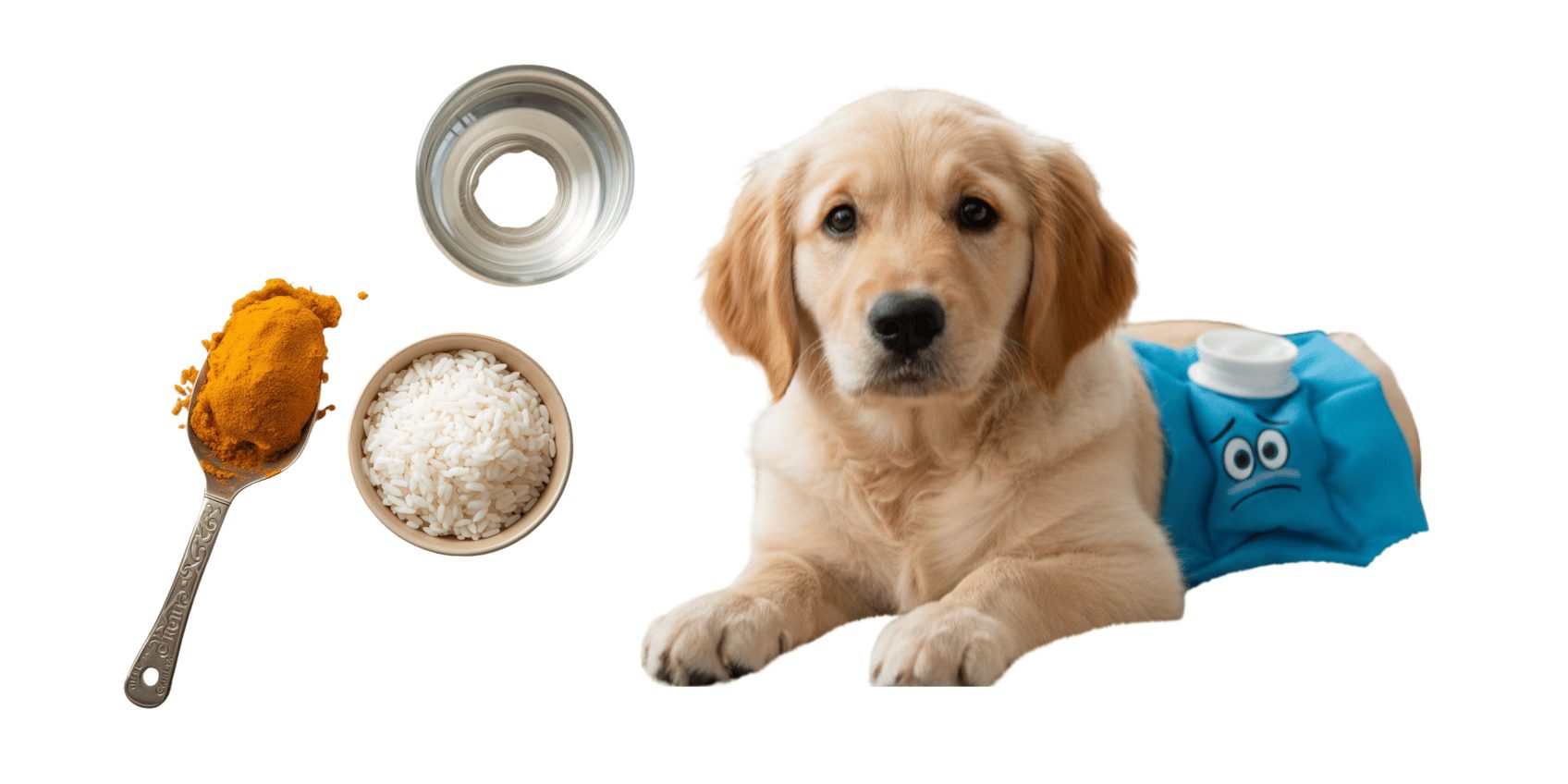
If your dog is dealing with diarrhea, you know how worrying it can be. You want to help your furry friend feel better as quickly as possible.
But with so many dog diarrhea remedies out there, it’s hard to know what really works. This guide will give you simple, effective solutions to ease your dog’s discomfort and get them back to their happy, playful self. Keep reading—you’ll find easy tips you can start using today to support your dog’s health and comfort.
Common Causes
Dog diarrhea is a common problem many pet owners face. It can signal different health issues. Knowing the common causes helps in choosing the right remedy. Some causes are simple and easy to fix. Others need more care and attention.
Dietary Indiscretion
Dogs often eat things they should not. Garbage, spoiled food, or plants can upset their stomach. Sudden changes in diet also cause diarrhea. Feeding table scraps or new treats too fast can lead to problems. Always introduce new foods slowly and carefully.
Infections And Parasites
Bacteria, viruses, and parasites can cause diarrhea in dogs. Common infections include salmonella and parvovirus. Parasites like worms and giardia are also culprits. These infections need veterinary treatment. Early detection helps prevent serious illness.
Food Allergies
Some dogs react badly to certain foods. Allergies can cause diarrhea and other digestive issues. Common allergens include beef, dairy, and wheat. Identifying and avoiding these foods is key. A vet can help find the right diet.
Stress And Anxiety
Stress affects a dog’s digestive system too. Changes in environment or routine can trigger diarrhea. Loud noises and separation anxiety also play a role. Keeping dogs calm and comfortable reduces symptoms. Regular exercise and a stable routine help a lot.

Credit: www.amazon.com
Home Remedies
Dog diarrhea can cause discomfort and worry for pet owners. Many mild cases improve with simple home care. These remedies support your dog’s digestion and help restore balance.
Try these easy home remedies to soothe your dog’s upset stomach. They are safe, natural, and effective for many dogs.
Fasting Period
Start by giving your dog a fasting period of 12 to 24 hours. This rest helps the intestines heal and stops irritation. Water must stay available during this time. Avoid solid food but keep hydration steady. After fasting, reintroduce food slowly.
Bland Diet Options
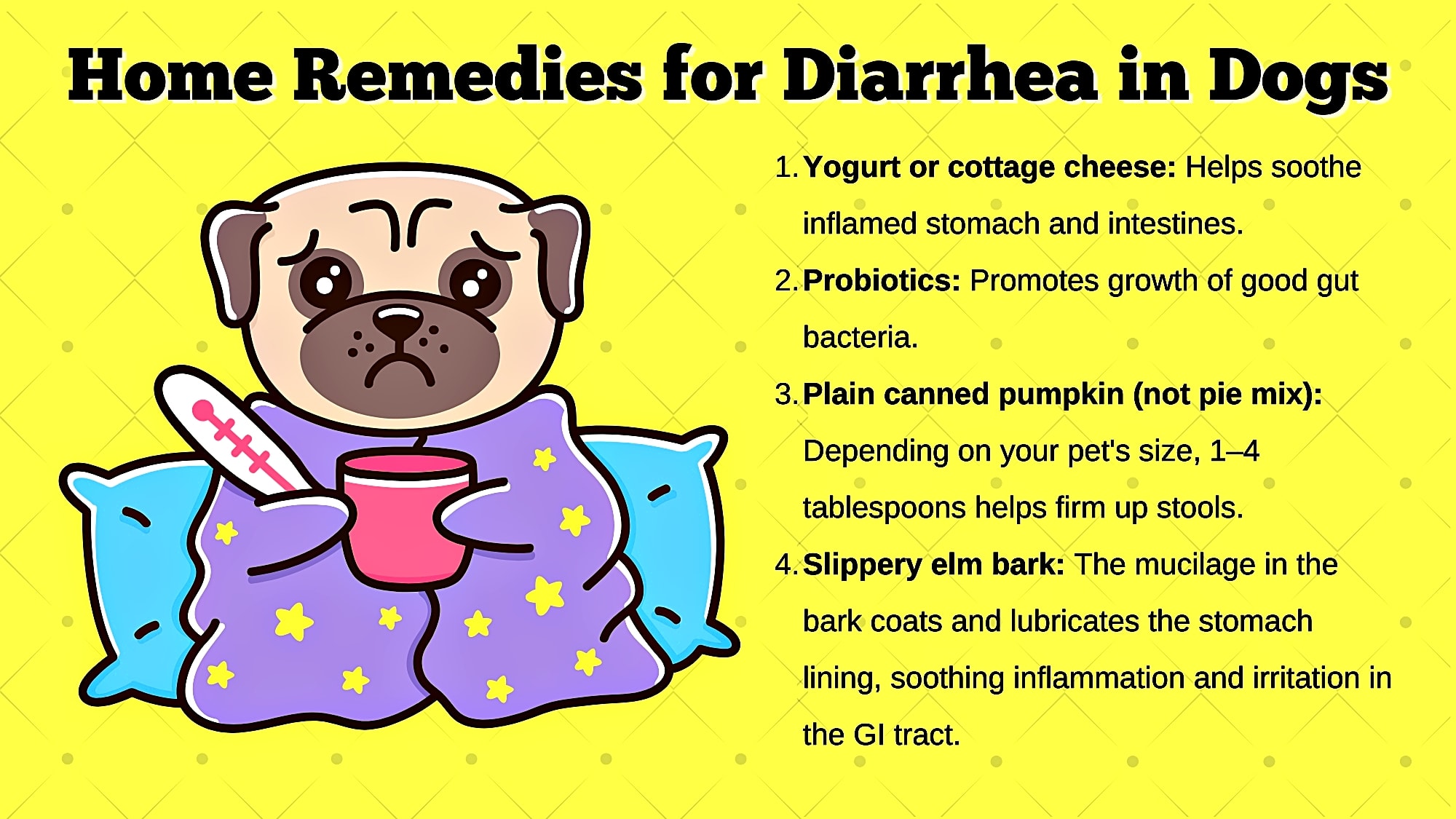
Offer bland foods that are gentle on your dog’s stomach. Cooked white rice mixed with boiled chicken works well. Avoid spices, fats, and seasoning. Plain pumpkin puree also soothes digestion. Feed small amounts multiple times a day. Watch for any signs of improvement or worsening.
Hydration Tips
Keep your dog well hydrated. Diarrhea causes quick water loss and risk of dehydration. Fresh, clean water must be available at all times. You can give ice cubes to encourage drinking. For extra electrolytes, use dog-safe oral solutions. Avoid sugary or dairy drinks that upset digestion.
Probiotics For Dogs
Probiotics help balance healthy gut bacteria. They support faster recovery from diarrhea. Use probiotic supplements made for dogs. Yogurt with live cultures is another option but check for lactose tolerance. Probiotics improve digestion and reduce inflammation. Consult your vet for the right product and dose.
Over-the-counter Treatments
Over-the-counter treatments can help manage dog diarrhea safely at home. These remedies often provide quick relief and support your dog’s recovery. Always follow the product instructions carefully. Watch your dog closely for any changes or side effects. Consult a vet if symptoms last more than two days or worsen.
Anti-diarrheal Medications
Anti-diarrheal medicines help slow down bowel movements. They reduce fluid loss and firm up your dog’s stool. Common options include loperamide and bismuth subsalicylate. Use only doses made for dogs, never human medicines without vet advice. These medications are not for puppies or dogs with certain health conditions.
Electrolyte Solutions
Electrolyte solutions replace lost fluids and minerals. They help prevent dehydration caused by diarrhea. You can buy special dog electrolyte drinks or use homemade solutions. Offer small amounts frequently to keep your dog hydrated. Avoid sugary drinks as they can worsen diarrhea.
Fiber Supplements
Fiber supplements support healthy digestion and stool formation. They absorb excess water and help normalize bowel movements. Psyllium husk and canned pumpkin are safe and effective fibers for dogs. Mix fiber into your dog’s food for easy consumption. Start with small amounts to avoid gas or bloating.
Credit: puppypoop.com
When To See A Vet
Dog diarrhea can be common but not always harmless. Knowing when to see a vet protects your pet’s health. Some signs show that your dog needs medical care right away. Acting fast can prevent serious issues. This guide helps you spot those warning signs clearly.
Signs Of Dehydration
Diarrhea causes fluid loss fast. Watch for dry gums and sunken eyes. Check if your dog drinks less water. Skin that stays lifted when pinched means dehydration. Weakness or lethargy also signals trouble. Dehydration needs prompt vet attention.
Persistent Symptoms
Diarrhea lasting more than two days is a red flag. Repeated vomiting or loss of appetite also worries vets. If your dog shows no improvement, get help. Long-lasting diarrhea can cause serious health problems.
Blood Or Mucus In Stool
Blood or mucus means irritation or infection. This is not normal and needs a vet check. It could be a sign of parasites, allergies, or injury. Early diagnosis helps treat the problem faster.
Underlying Health Issues
Dogs with other illnesses need extra care. Diabetes, kidney disease, or cancer can worsen diarrhea effects. Older dogs and puppies are more vulnerable. A vet can tailor treatment for these dogs safely.
Preventive Measures
Preventing dog diarrhea saves your pet from discomfort and keeps your home clean. Simple steps can reduce the chances of your dog having digestive issues. These measures support your dog’s health every day.
Diet Management
Feed your dog a balanced and consistent diet. Sudden food changes can upset your dog’s stomach. Avoid giving your dog table scraps or spoiled food. Fresh water should always be available to keep digestion smooth.
Regular Deworming
Parasites often cause diarrhea in dogs. Deworm your dog as recommended by the vet. Regular checks help catch infections early. Clean your dog’s living area to reduce parasite risks.
Stress Reduction
Stress can affect your dog’s gut health. Keep a calm and safe routine for your dog. Avoid loud noises and sudden changes in the environment. Provide a quiet space where your dog can relax.
Safe Environment
Keep your dog away from harmful substances. Secure trash bins and remove toxic plants. Supervise your dog during outdoor play to prevent eating unsafe items. A clean environment supports good digestion and health.
Credit: pethelpful.com
Frequently Asked Questions
What Are The Best Home Remedies For Dog Diarrhea?
Feeding bland food like boiled chicken and rice helps soothe your dog’s stomach. Probiotics can restore gut balance. Always ensure fresh water is available to prevent dehydration. Consult a vet if diarrhea lasts more than two days or worsens.
How Long Does Dog Diarrhea Usually Last?
Mild diarrhea often resolves within 24 to 48 hours with proper care. Persistent diarrhea beyond two days requires veterinary attention. Early intervention prevents complications like dehydration or infection, ensuring your dog recovers quickly and safely.
Can Diet Changes Help Stop Dog Diarrhea?
Yes, switching to a bland, easily digestible diet helps calm the digestive system. Gradually reintroduce regular food once symptoms improve. Avoid fatty, spicy, or unfamiliar foods during recovery to prevent further upset.
When Should I See A Vet For My Dog’s Diarrhea?
Seek veterinary care if diarrhea lasts over 48 hours, contains blood, or is accompanied by vomiting. Also consult if your dog appears lethargic, dehydrated, or in pain. Early diagnosis ensures effective treatment and prevents serious health issues.
Conclusion
Dog diarrhea needs quick care to keep pets healthy. Offer plenty of fresh water to avoid dehydration. Feed bland food like boiled rice and chicken for a day or two. Watch your dog’s behavior and stool closely. If diarrhea lasts more than two days, see a vet.
Keep your dog clean and comfortable during recovery. Simple remedies often help dogs feel better fast. Always act early to prevent serious issues. Taking small steps can make a big difference in your dog’s health.