As your furry friend ages, their needs change, and caring for them requires a different approach. You may have noticed your senior dog slowing down, needing more attention, or developing new health issues.
This can be concerning, but don’t worry; you’re not alone in navigating this journey. Understanding how to care for your senior dog is essential for ensuring they enjoy their golden years in comfort and happiness. In this guide, you’ll discover practical tips and insights on everything from nutrition and exercise to health monitoring and emotional support.
You’ll learn how to adapt your routines to meet your senior dog’s unique needs, ensuring they feel loved and cared for during this stage of life. Every small change can make a significant difference, and your commitment to their well-being is what truly matters. Stay with us, and let’s explore how you can provide the best care for your beloved companion. Your dog deserves all the love and attention they’ve given you over the years, and this article will equip you with the knowledge to do just that.
Signs Of Aging In Senior Dogs
Senior dogs show signs of aging like reduced energy, joint stiffness, and changes in appetite. Caring for them involves regular vet check-ups, a balanced diet, and gentle exercise. Paying attention to these changes ensures your furry friend remains comfortable and happy in their golden years.
Caring for your senior dog requires understanding the signs of aging. Just like humans, dogs experience a range of physical and behavioral changes as they grow older. Recognizing these signs early allows you to adjust their care and ensure they enjoy their golden years.
Physical Changes
As your dog ages, you may notice changes in their physical appearance. Weight gain or loss can occur, sometimes due to changes in metabolism. – Coat and Skin: Their coat may become dull and thinning. Skin might become less elastic and show signs of dryness. – Mobility Issues: Watch for stiffness or difficulty getting up after resting. Your dog may hesitate to jump or climb stairs, indicating joint pain or arthritis. – Changes in Eyesight: Cloudiness in the eyes can signal cataracts, which is common in senior dogs. You might also notice a decrease in their ability to see well, especially in low light.
Behavioral Changes
Behavioral shifts are often just as telling as physical ones. Your dog might become less active or prefer to sleep more than they used to. – Increased Anxiety: Older dogs can become more anxious, especially in new environments or situations. Have you noticed your dog pacing or whining when left alone? – Social Withdrawal: If your dog used to be social and now prefers solitude, it could be a sign of aging. They might not seek out playtime or cuddles as eagerly. – Altered Eating Habits: Changes in appetite can indicate health issues. Is your dog eating less or refusing their favorite treats?
Communication Changes
Pay attention to how your dog communicates their needs. Senior dogs may bark less or become more vocal in other ways. – Signs of Discomfort: They might express discomfort through whimpering or growling. Are they more sensitive to touch, particularly around areas that might be painful? – Changes in Sleep Patterns: Some senior dogs sleep more, while others may experience insomnia. Has your dog started waking you up at odd hours? Recognizing these signs is crucial for your dog’s well-being. By staying observant, you can provide the necessary adjustments to their care routine. What changes have you noticed in your senior dog? Keeping a close eye on their habits can help you make informed decisions about their health and happiness.
Credit: wagwalking.com
Creating A Comfortable Environment
Creating a comfortable environment for your senior dog is essential for their well-being. As dogs age, they may face challenges like joint pain, decreased mobility, and sensory decline. A cozy and safe space can significantly enhance their quality of life.
Designate A Cozy Resting Area
Choose a quiet spot in your home for your dog to relax. It should be away from loud noises and high traffic areas. A soft bed with supportive cushioning will help reduce discomfort.
- Consider orthopedic dog beds for extra support.
- Use blankets to add warmth and comfort.
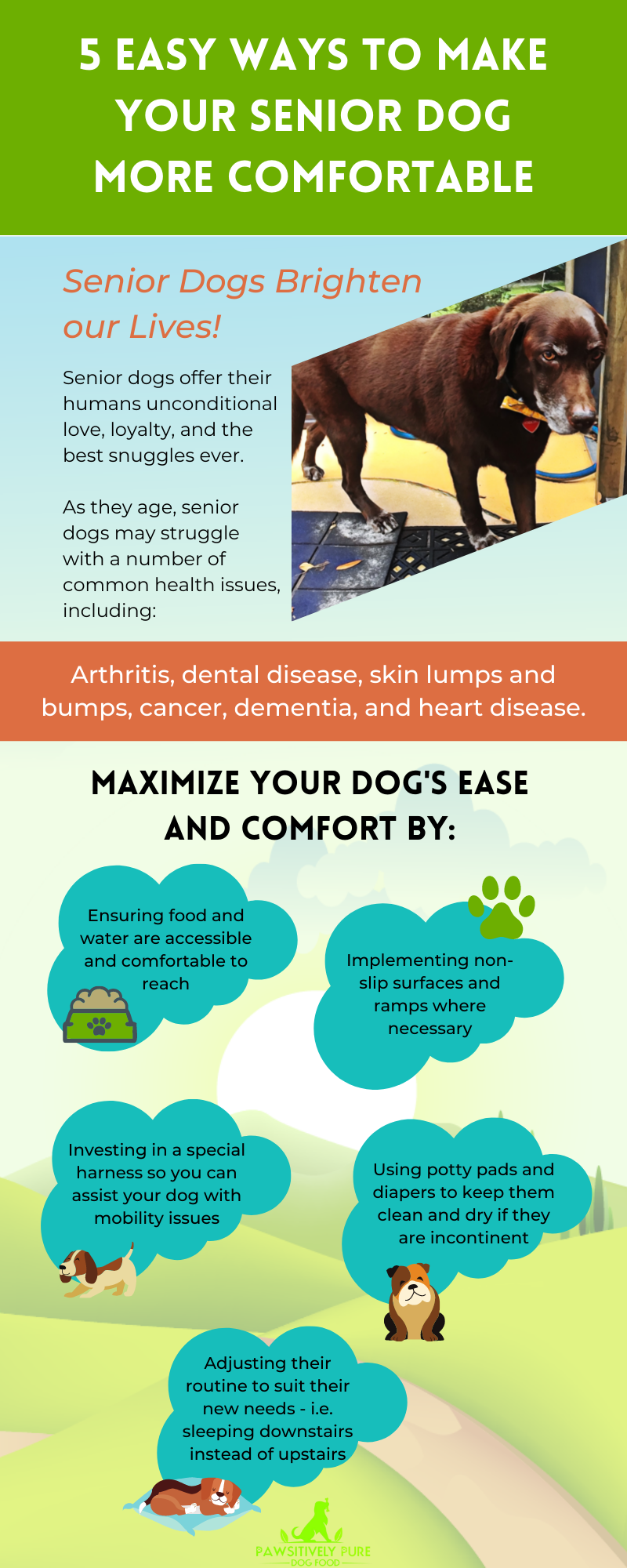
- Ensure the area is easily accessible, especially if your dog struggles with stairs.
Maintain A Safe Environment
Safety is key for senior dogs. Remove potential hazards that could cause injuries. Keep floors clear of clutter and ensure that rugs are secure to prevent slipping.
- Use baby gates to restrict access to stairs.
- Keep toxic plants and chemicals out of reach.
- Consider non-slip mats for better traction.
Adjust Temperature And Lighting
Older dogs are sensitive to temperature changes. Make sure their space is comfortable year-round. Use fans or heaters as needed to maintain a consistent temperature.
Lighting is also important. Dim lighting can help if your dog has vision issues. Ensure their resting area is well-lit during the day, and consider using night lights for safe navigation at night.
Engage Their Senses
As dogs age, their senses may decline. Engage their remaining senses to keep them mentally stimulated. Use toys that encourage them to sniff or hear, enhancing their environment.
- Interactive toys can stimulate their minds.
- Use calming scents like lavender to create a relaxing atmosphere.
- Play soft music to soothe anxiety.
Have you noticed how your senior dog reacts to their environment? Small changes can make a big difference in their comfort and happiness. Always observe their reactions and adjust as necessary.
Adjusting Diet And Nutrition
Caring for your senior dog requires a keen awareness of their nutritional needs. As dogs age, their bodies undergo various changes that can impact their dietary requirements. Adjusting your dog’s diet can enhance their quality of life and help manage age-related health issues.
Understanding Nutritional Needs
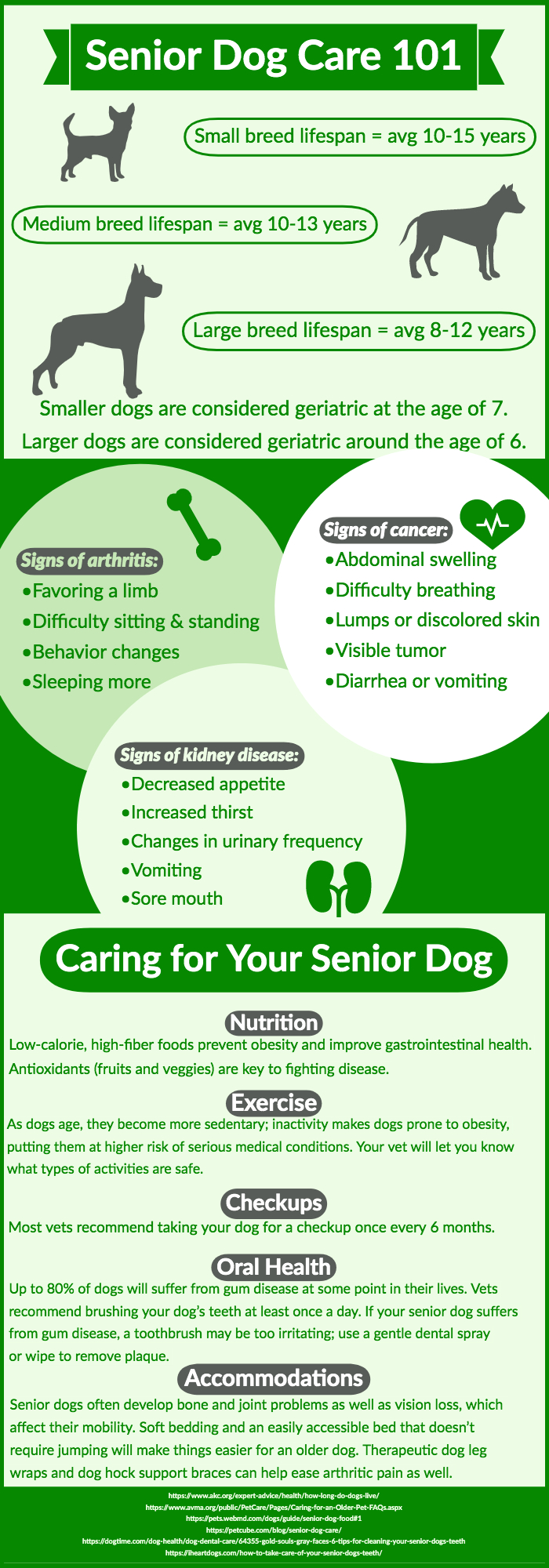
Senior dogs often need fewer calories than their younger counterparts. Their metabolism slows down, which means they are at a higher risk of obesity. You should consider switching to a senior-specific dog food that is lower in calories but rich in essential nutrients.
Look for foods that are high in protein but low in fat. Quality protein sources like chicken, fish, and eggs support muscle health. Make sure the food contains healthy fats, such as omega-3 fatty acids, which are excellent for joint health.
Portion Control Is Key
Managing portion sizes becomes essential as your dog ages. Overfeeding can lead to obesity and further health complications. Use the feeding guidelines provided on the dog food packaging as a starting point, but adjust based on your dog’s weight and activity level.
Consider using a measuring cup to provide accurate portions. This simple step can prevent overeating. Monitor your dog’s weight regularly and consult your veterinarian if you notice significant changes.
Incorporating Hydration
Hydration is just as crucial as nutrition for senior dogs. Older dogs may not drink enough water, leading to dehydration. Make sure fresh water is always available, and consider adding wet food to their diet for extra moisture.
Encouraging your dog to drink can be as simple as adding a splash of low-sodium broth to their water. This small change can make a big difference in their hydration levels. Are you paying enough attention to your dog’s water intake?
Monitoring For Food Sensitivities
As dogs age, they may develop food sensitivities. If you notice changes in your dog’s digestion—such as diarrhea or excessive gas—consider evaluating their diet. Switching to a limited-ingredient food may help identify allergens.
Keep a food diary to track what your dog eats and any reactions they have. This can be a valuable tool for you and your vet to tailor a diet that suits your dog’s unique needs. Have you noticed any changes in your dog’s behavior or health after changing their diet?
Consulting Your Veterinarian
Regular consultations with your veterinarian are essential for your senior dog’s health. They can offer tailored advice on the best diet for your dog’s specific health conditions. Whether it’s kidney issues, arthritis, or weight management, your vet can guide you in making the right choices.
Don’t hesitate to ask questions about dietary supplements that could benefit your senior dog. The right adjustments can lead to a happier, healthier life for your furry friend. What changes can you make today to improve your dog’s diet?
Credit: www.petplate.com
Maintaining Regular Exercise
Regular exercise is vital for senior dogs. It keeps them healthy and happy. Exercise helps maintain their weight. It also strengthens their muscles and joints. Senior dogs need different exercise routines than younger dogs. Understanding their needs is key to their well-being.
Choose Gentle Activities
Gentle activities are best for senior dogs. Short walks work well. They should last about 15 to 30 minutes. Adjust the pace to your dog’s comfort. Consider activities like light fetch or slow-paced play. These help keep their spirits high without overexertion.
Monitor Their Energy Levels
Always watch your dog’s energy levels. They may tire more quickly than before. Take breaks during walks. Let them rest when needed. Pay attention to their breathing. Heavy panting is a sign to slow down.
Incorporate Mental Stimulation
Mental exercises are just as important. Puzzle toys can keep their minds sharp. Simple training sessions can also help. Teaching new tricks or commands can be fun. It stimulates their brain while building your bond.
Adapt To Their Needs
Be ready to change your routine. Some days your dog may feel more active. Other days they may want to rest. Understand their limits. Consult with your vet about the best exercise plan. A tailored approach keeps them healthy.
Stay Consistent
Consistency is key for senior dogs. Regular schedules help them adjust. Aim for daily walks and playtime. This routine keeps their physical and mental health in check. Even small amounts of activity make a big difference.
Managing Health Checkups
Caring for a senior dog requires regular health checkups. These visits help ensure your furry friend stays healthy. Regular checkups catch health issues early. They provide peace of mind for you and comfort for your dog.
Senior dogs face unique health challenges. Regular vet visits can help manage these issues. You can keep your dog happy and active with proper care.
Schedule Regular Vet Visits
Plan vet visits at least twice a year. Senior dogs need more frequent checkups. Your vet will monitor their health closely. Each visit should include a full physical exam.
Discuss any changes in behavior or appetite. Mention any new symptoms. This information helps your vet make informed decisions.
Keep Up With Vaccinations
Vaccinations are essential for senior dogs. Ensure your dog is up-to-date on all vaccinations. Talk to your vet about any necessary boosters.
Some vaccines may need adjustment for older dogs. Your vet will guide you on the best options. Keeping vaccinations current protects your dog’s health.
Monitor Weight And Diet
Weight management is crucial for senior dogs. Regular weigh-ins help track any changes. Obesity can lead to serious health issues.
Discuss your dog’s diet with your vet. They may suggest a special diet for seniors. Proper nutrition supports overall health and well-being.
Dental Health Matters
Dental care is vital for senior dogs. Regular dental checkups help prevent dental disease. Your vet may recommend professional cleanings.
At home, brush your dog’s teeth regularly. Use dog-friendly toothpaste. Good dental hygiene improves your dog’s health.
Look For Signs Of Illness
Be alert for any changes in your dog’s health. Look for signs like weight loss, lethargy, or unusual behavior. Early detection can lead to better outcomes.
Keep a journal of any changes you notice. This can help during vet visits. Share your observations with your veterinarian for better care.
Supporting Joint And Mobility Health
Caring for your senior dog’s joints is vital. Older dogs often face mobility issues. Arthritis and joint pain can limit their movement. Supporting their joint health ensures they stay active and happy.
Simple changes in their routine can make a big difference. Regular exercise, a proper diet, and supplements can help. Let’s explore how to support your senior dog’s joints and mobility.
Regular Exercise
Consistent, gentle exercise keeps your senior dog mobile. Short walks are great for maintaining strength. Swimming is a low-impact option that many dogs enjoy.
Avoid high-impact activities. They can worsen joint pain. Focus on fun, easy exercises that suit your dog’s ability.
Healthy Diet
Nutrition plays a key role in joint health. Feed your dog high-quality food. Look for formulas designed for senior dogs.
Include ingredients like omega-3 fatty acids. They can reduce inflammation and promote joint health. Consult your vet for dietary recommendations.
Joint Supplements
Supplements can enhance your dog’s joint health. Glucosamine and chondroitin are popular options. These can help rebuild cartilage and reduce pain.
Always check with your vet before starting any supplements. They can recommend the best choices for your dog.
Comfortable Sleeping Area
A cozy bed is essential for a senior dog. Choose a soft, supportive bed to ease joint pressure. Place it in a quiet area away from drafts.
Consider using orthopedic beds for extra support. This can improve your dog’s sleep quality and overall comfort.
Veterinary Check-ups
Regular vet visits are crucial. Your vet can assess your dog’s joint health and mobility. They may suggest treatments or therapies to help.
Stay proactive about joint care. Early detection of issues can lead to better outcomes.
Mental Stimulation For Senior Dogs
Keeping your senior dog mentally stimulated is just as important as physical exercise. As dogs age, their cognitive abilities can decline, leading to boredom and even behavioral problems. By engaging their minds, you can help maintain their mental sharpness and improve their overall happiness.
Mental Games And Puzzles
Interactive toys and puzzles can provide hours of entertainment for your senior dog. These toys challenge their problem-solving skills and keep their minds active.
- Look for treat-dispensing toys that require your dog to figure out how to access the goodies inside.
- Consider puzzle games that involve sliding pieces or flipping lids to uncover treats.
- Rotate toys regularly to keep their interest piqued.
Have you noticed how your dog lights up when they solve a puzzle? This sense of accomplishment boosts their confidence and encourages further play.
Training And Learning New Tricks
Training isn’t just for puppies. Teaching your senior dog new tricks can enhance their mental agility. Start with simple commands and gradually increase the difficulty.
- Begin with “sit” or “shake hands.”
- Progress to more complex commands like “roll over” or “play dead.”
- Use positive reinforcement to reward them with treats or praise.
Even a short five-minute training session can work wonders for your dog’s mental state. Have you tried it lately?
Socialization Opportunities
Socializing your senior dog can provide both mental and emotional stimulation. Arrange playdates with other dogs or visit dog parks where they can interact with new friends.
- Keep an eye on your dog’s energy levels and make sure the interactions are manageable.
- Consider joining a dog walking group to meet other pet owners and their dogs.
Socialization not only stimulates your dog’s mind but also helps reduce anxiety and loneliness. Isn’t it wonderful to see your furry friend make new pals?
Engaging Activities At Home
You can create stimulating activities right at home. Hide treats around the house and encourage your dog to sniff them out. This engages their natural hunting instincts and sharpens their senses.
- Use different rooms or outdoor spaces for variety.
- Change up the hiding spots to keep your dog guessing.
Watching your dog enthusiastically search for hidden treats can be a joyful experience. How often do you indulge in these fun activities with your pet?
Providing mental stimulation for your senior dog not only enhances their quality of life but also strengthens the bond you share. By making small adjustments and introducing engaging activities, you can keep your furry friend happy and fulfilled.
Grooming And Hygiene Needs
Caring for a senior dog requires attention to grooming and hygiene. As dogs age, their needs change. Regular grooming helps keep them comfortable and clean. It also allows you to monitor their health. You can spot issues early with proper care. Here are some essential grooming and hygiene tips.
Regular Brushing
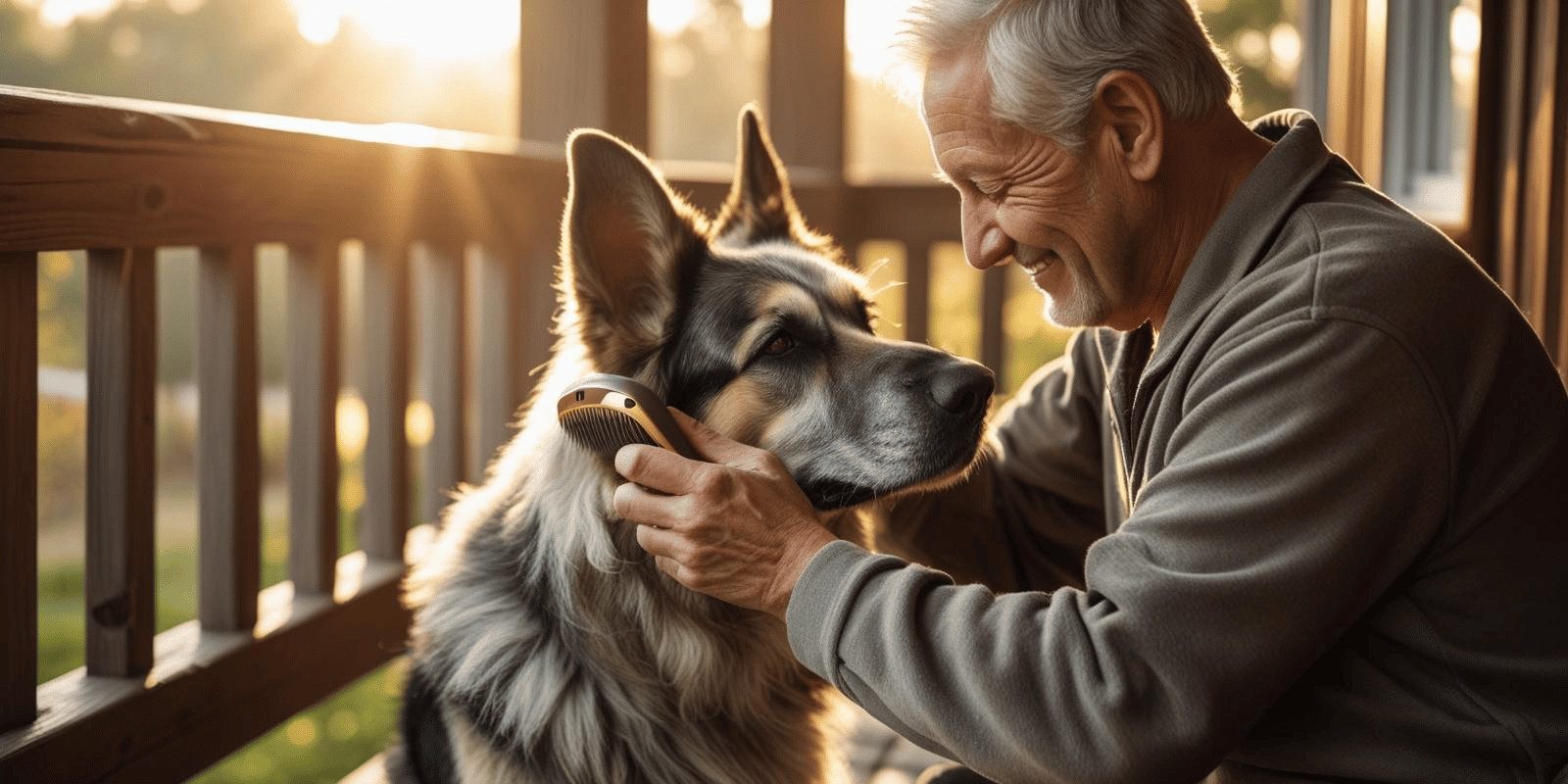
Brush your senior dog’s coat often. This helps remove loose fur and dirt. It also prevents matting, which can be painful. Choose the right brush for their coat type. Long-haired dogs need different tools than short-haired ones. Brushing also stimulates the skin and promotes healthy fur.
Bathing
Bathe your senior dog as needed. Use gentle, dog-specific shampoos. Frequent baths can dry their skin. Monitor your dog’s skin for irritation. Rinse thoroughly to avoid residue. Dry them well, especially in colder weather.
Nail Care
Trim your dog’s nails regularly. Long nails can cause pain and injury. Use dog nail clippers or a grinder. If you’re unsure, ask a vet or groomer for help. Be careful to avoid the quick, which can bleed.
Ear Cleaning
Check your dog’s ears often. Clean them if they appear dirty or waxy. Use a vet-recommended ear cleaner. Avoid using cotton swabs inside the ear canal. This can push dirt deeper and cause infections.
Dental Hygiene
Dental care is crucial for senior dogs. Brush their teeth regularly with dog toothpaste. Dental chews can also help reduce plaque. Regular vet check-ups can catch dental issues early. Good oral health supports overall well-being.
Watch For Changes
Pay attention to any changes in your dog’s hygiene needs. Older dogs may need more frequent grooming. Changes can indicate health issues. Consult your veterinarian if you notice anything unusual. Keeping your dog clean and comfortable is vital for their happiness.
Recognizing Pain Or Discomfort
Caring for a senior dog requires special attention. Recognizing pain or discomfort is essential. Older dogs may not show obvious signs of pain. They often hide their discomfort well. Understanding these signs can help you provide better care.
Common Signs Of Pain
Look for changes in behavior. Whining or whimpering can indicate pain. A sudden change in appetite may also be a clue. Watch for restlessness or trouble getting comfortable.
Excessive licking or chewing of a specific area often signals discomfort. Observe your dog closely. Small changes can mean a lot.
Changes In Mobility
Watch how your dog moves. Is your dog struggling to stand or walk? Difficulty climbing stairs is another warning sign. If your dog seems stiff or hesitant, take notice.
Mobility issues can lead to more discomfort. They might not want to play as much. This change can affect their mood and quality of life.
Loss Of Interest
Pay attention to your dog’s engagement. Does your dog still enjoy walks or playtime? A lack of interest in favorite activities can be concerning. It may indicate pain or discomfort.
Withdrawal from family interactions can also be a sign. Your dog may prefer to be alone. This change in behavior should not be ignored.
Monitoring Health Changes
Keep track of your dog’s health over time. Note any patterns in behavior or activity. A journal can help you identify good days versus bad days.
Be aware of any accidents in the house. Loss of bladder or bowel control can indicate distress. These signs are important for your veterinarian to know.
Consulting Your Veterinarian
Your veterinarian can provide valuable insights. Discuss your observations and concerns with them. They can assess your dog’s condition and suggest treatment options.
Open communication with your vet is crucial. They can help manage pain and improve your dog’s quality of life.
Preparing For End-of-life Care
Preparing for end-of-life care for your senior dog is an emotional yet necessary task. It involves assessing their quality of life and making difficult decisions to ensure they are comfortable and cared for in their final days. This phase can be filled with uncertainty, but being informed and proactive can help ease the burden on both you and your furry friend.
Recognizing Signs Of Decline
Pay close attention to your dog’s behavior. Are they showing signs of pain, such as whining or difficulty moving? Keeping a log of their daily activity can help you notice patterns.
- Pain Management:Chronic pain that medication can’t alleviate is a major concern. Look for signs like restlessness or excessive licking.
- Mobility:Is your dog struggling to stand or walk? Difficulty with stairs can indicate a decline in mobility.
- Appetite and Hydration:Is your dog eating and drinking normally? A noticeable decrease in appetite can signal a serious issue.
Consulting With Your Veterinarian
Your veterinarian is an essential partner during this time. They can provide valuable insights into your dog’s condition and help you evaluate their quality of life. Have open discussions about pain management options and end-of-life care.
- Discuss your dog’s current health status.
- Explore potential treatment options or palliative care.
- Consider the possibility of euthanasia if your dog’s suffering outweighs their quality of life.
Making The Decision
Deciding when to say goodbye is one of the hardest choices you’ll face. Reflect on your dog’s overall well-being and the moments that bring them joy. If you notice more bad days than good, it may be time to have that difficult conversation.
What would your dog want? Think about their happiness and comfort. You are their advocate, and making the best choice for them is a profound act of love.
Ensure your dog’s environment is as comfortable as possible. Soft bedding, a quiet space, and easy access to food and water can make a significant difference. Surround them with familiar items that bring them comfort.
- Familiar Items:Keep their favorite toys or blankets nearby.
- Quiet Space:Create a calm area away from noise and commotion.
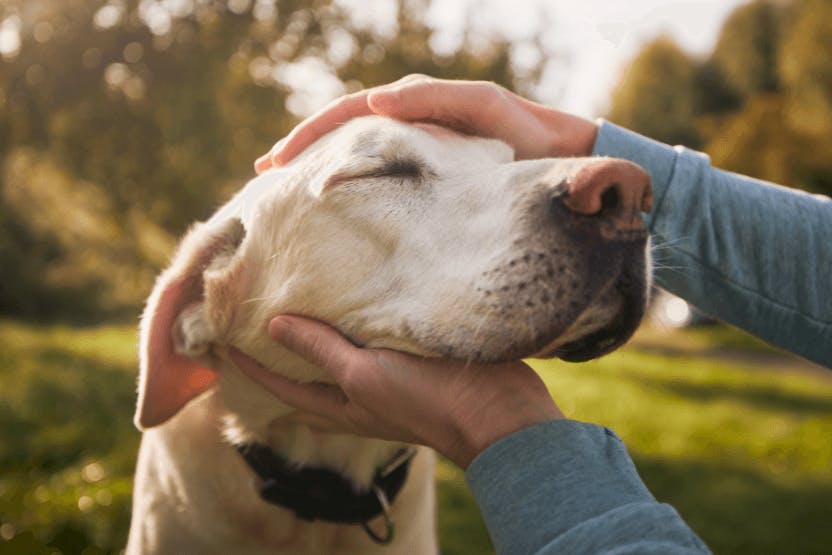
- Gentle Interaction:Spend quality time with gentle petting or soothing words.
How you care for your senior dog in their final days can provide them with the peace they deserve. By preparing adequately, you can focus on creating meaningful moments together during this bittersweet time.
Credit: www.pawsitivelypuredogfood.com
Frequently Asked Questions
How Do I Know It’s Time To Put My Senior Dog Down?
Consider euthanasia for your senior dog if their quality of life has declined significantly. Signs include chronic pain, loss of appetite, decreased mobility, and lack of enjoyment in activities. Consult your veterinarian for guidance and assess your dog’s overall well-being before making this difficult decision.
What Not To Do With An Aging Dog?
Avoid excessive exercise, which can strain aging joints. Don’t ignore changes in behavior or appetite. Refrain from feeding inappropriate foods that can upset digestion. Skip harsh training methods that may stress your dog. Lastly, don’t overlook regular vet visits for health monitoring.
What Age Is Considered A Senior For A Dog?
A dog is typically considered a senior around 7 years old. However, this can vary based on breed and size. Smaller breeds often age slower, while larger breeds may be considered seniors earlier. Regular veterinary check-ups help monitor your dog’s health as they age.
How To Give A Senior Dog Its Best Life?
To give a senior dog its best life, provide a nutritious diet and regular vet check-ups. Ensure they get gentle exercise and mental stimulation through play. Create a comfortable living environment and maintain a consistent routine. Show love and affection to strengthen your bond and improve their well-being.
How Often Should I Take My Senior Dog To The Vet?
Regular vet visits every six months help catch health issues early.
What Diet Is Best For Senior Dogs?
A balanced diet with lower calories and high nutrients supports their health.
How Can I Help My Senior Dog With Mobility Issues?
Provide non-slip surfaces and ramps to make movement easier for them.
What Signs Indicate My Senior Dog Is In Pain?
Watch for whining, difficulty moving, or changes in appetite and behavior.
Should I Adjust My Senior Dog’s Exercise Routine?
Yes, shorter, gentler walks are better than long, strenuous activities for seniors.
How Can I Keep My Senior Dog’s Teeth Healthy?
Brush their teeth regularly and provide dental treats to prevent dental issues.
Conclusion
Caring for your senior dog requires dedication and love. Regular vet visits ensure good health and early detection of issues. Adjusting their diet helps maintain a healthy weight. Providing comfort through soft bedding and gentle exercise keeps them happy. Spend quality time together to strengthen your bond.
Always observe changes in behavior or health. This attention can lead to better care choices. Your senior dog deserves the best, especially in their golden years. With proper care, you can enhance their quality of life. Embrace this journey together with patience and love.