When you want to treat your dog with something special, choosing the right ingredients is key. Flours are common in homemade dog treats, but not all flours are safe for your furry friend.
Using the wrong flour could upset your dog’s stomach or cause allergies. So, how do you pick the best flours that keep your pup happy and healthy? This guide will help you discover safe flours for dogs, so you can confidently make tasty treats your pet will love.
Keep reading to find out which flours are a perfect fit for your dog’s diet.
Best Flours For Dogs
Choosing the right flour for your dog’s treats or meals is important. Safe flours provide nutrients and support digestion. Some flours suit dogs better than others. These flours are gentle on their stomachs and help keep them healthy.
Rice Flour Benefits
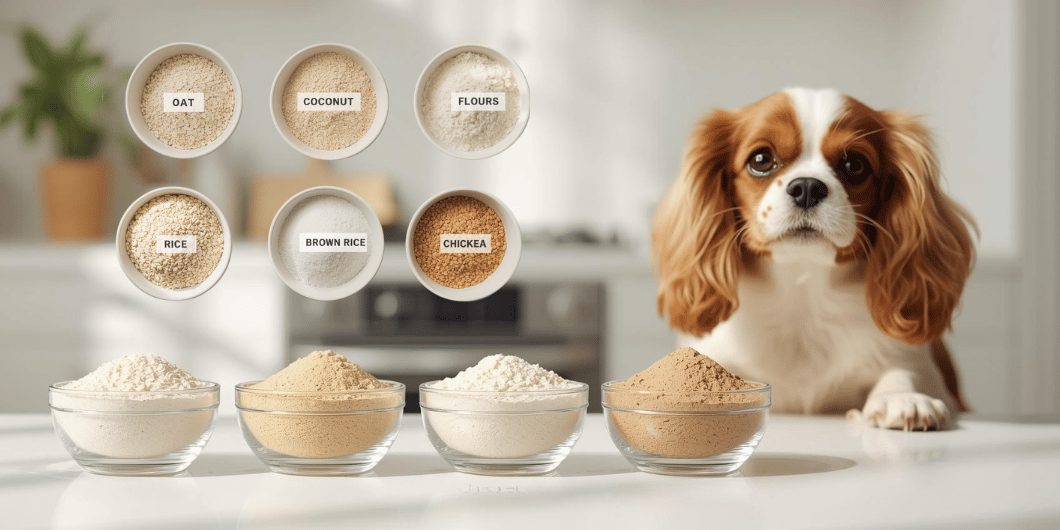
Rice flour is easy to digest for most dogs. It is gluten-free and low in allergens. This flour adds a smooth texture to homemade dog treats. It contains carbohydrates that give dogs energy. Rice flour also helps dogs with sensitive stomachs.
Oat Flour Advantages
Oat flour is rich in fiber, which aids digestion. It contains vitamins that support a dog’s immune system. Oats help maintain healthy skin and coat. This flour is gentle and rarely causes allergies. Oat flour adds a mild, nutty flavor dogs enjoy.
Coconut Flour Uses
Coconut flour is high in fiber and protein. It helps dogs feel full longer. This flour supports healthy digestion and weight control. Coconut flour can absorb moisture in recipes well. It works great for grain-free dog foods or treats.
Chickpea Flour Safety
Chickpea flour is safe for most dogs in small amounts. It is rich in protein and fiber. This flour offers important vitamins like B6 and folate. Chickpea flour supports muscle and bone health. Avoid giving too much to prevent digestive upset.
Credit: www.mercanclinic.az
Flours To Avoid
Not all flours are safe for dogs. Some can cause health problems or allergies. Knowing which flours to avoid helps keep your dog healthy and happy.
Wheat Flour Concerns
Wheat flour often contains gluten. Many dogs are sensitive or allergic to gluten. This can cause stomach upset, itching, or skin problems. Wheat can also trigger inflammation in some dogs. Avoid wheat flour if your dog shows any signs of allergy.
Corn Flour Risks
Corn flour is a common filler in pet food. It offers little nutritional value for dogs. Some dogs have trouble digesting corn. This may lead to gas, diarrhea, or bloating. Corn is also linked to allergic reactions in many dogs.
Soy Flour Issues
Soy flour contains compounds that affect hormone levels. It may cause digestive problems in sensitive dogs. Some dogs develop allergies to soy products. These allergies can lead to skin irritation and ear infections. Avoid soy flour to reduce allergy risks.
Nutritional Impact Of Flours
Flours can affect your dog’s health in many ways. Choosing safe flours helps support good nutrition. Each type of flour has unique nutrients that impact your dog’s body. Knowing these effects helps you pick the best flour for your pet’s diet.
Fiber Content
Fiber is important for a dog’s digestion. Some flours have more fiber than others. Higher fiber helps keep the digestive system healthy. It also prevents constipation and supports regular bowel movements. Flours like oat and chickpea contain good fiber amounts. These are great choices for dogs needing better digestion.
Protein Levels
Protein builds strong muscles and tissues. Different flours offer different protein amounts. For example, chickpea flour has more protein than white flour. Protein helps dogs stay active and healthy. Selecting flours with higher protein supports muscle growth and repair.
Digestibility
Digestibility shows how well a dog can use the nutrients. Some flours are easier to digest than others. Rice flour, for example, is gentle on the stomach. It suits dogs with sensitive digestion. Choosing flours that digest easily prevents stomach upset and improves nutrient absorption.
Homemade Dog Treats Using Flour
Making homemade dog treats using flour is a fun way to care for your pet. It lets you control the ingredients and avoid harmful additives. Safe flours like rice flour, oat flour, and chickpea flour work well for dogs. These flours are gentle on their stomachs and provide good nutrition.
Homemade treats can be simple to prepare and healthy. You can mix flour with natural ingredients like pumpkin, peanut butter, or bananas. Baking these treats gives your dog a tasty snack that supports their health.
Simple Recipes
Start with one cup of dog-safe flour. Add half a cup of pureed pumpkin or mashed banana. Mix in one egg to bind the dough. Form small balls or shapes and place them on a baking tray. Bake at 350°F (175°C) for 15 to 20 minutes. Let the treats cool before serving them to your dog.
Mixing Tips
Use a large bowl for mixing ingredients evenly. Stir gently to avoid tough dough. Add water or broth slowly to reach the right texture. Dough should be firm but soft enough to shape. Avoid using sugar, salt, or artificial flavorings. These can harm your dog’s health.
Storage Advice
Store treats in an airtight container to keep them fresh. Keep them in a cool, dry place away from sunlight. Homemade treats last about one week at room temperature. Refrigerate to extend freshness up to two weeks. Freeze extra treats for longer storage. Thaw before giving to your dog.
Allergies And Sensitivities
Flour allergies and sensitivities can affect dogs just like humans. Some dogs react badly to certain flours. This can cause discomfort and health issues. Knowing about these allergies helps keep dogs safe and healthy.
Many dog owners do not realize flour can trigger allergies. These allergies happen when a dog’s immune system reacts to specific proteins in the flour. Identifying these reactions early can prevent serious problems.
Identifying Flour Allergies
Watch closely for signs after feeding your dog treats with flour. Allergies often show as skin problems or digestive issues. Some dogs may scratch more or develop red spots. Others may vomit or have diarrhea. Keep a food diary to track what your dog eats and any symptoms.
Symptoms To Watch For
Common signs include itching, redness, and swelling on the skin. Hair loss in patches can also occur. Digestive symptoms include vomiting, diarrhea, or gas. Some dogs may become more tired or irritable. These symptoms can appear soon after eating or take a few days.
Alternatives For Sensitive Dogs
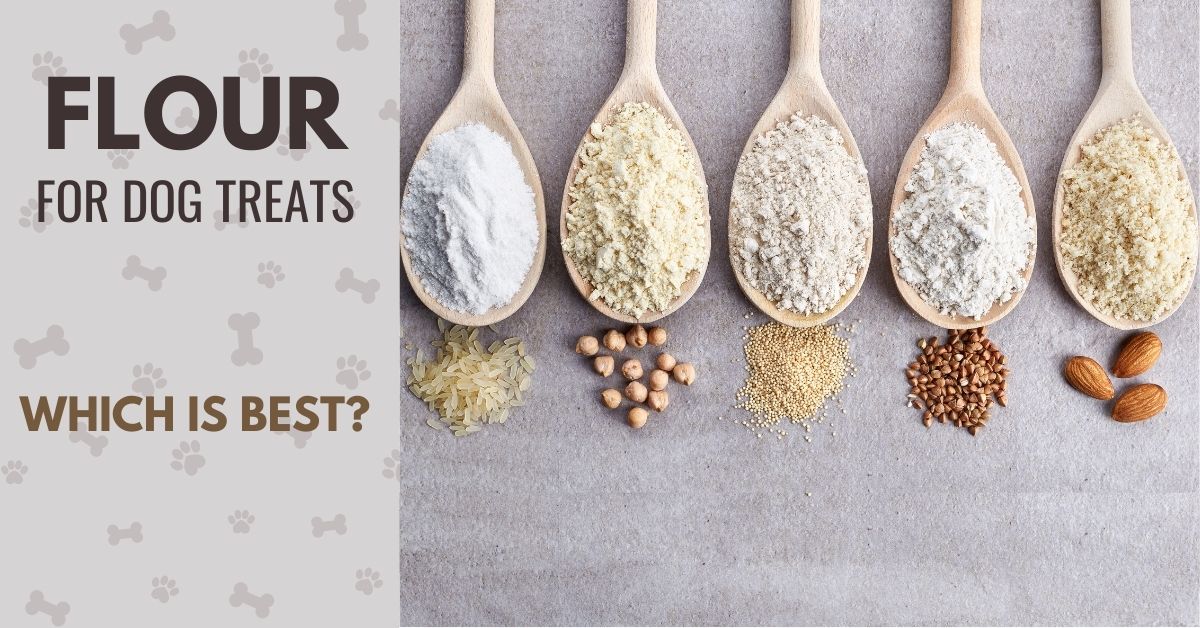
Choose flours that are less likely to cause allergies. Rice flour and oat flour are often safe options. Coconut flour and chickpea flour may also work well. These flours are easier to digest and gentle on the stomach. Always introduce new flours slowly to watch for reactions.

Credit: hutchpaving.com

Credit: allfortheloveofdogs.ca
Frequently Asked Questions
What Types Of Flour Are Safe For Dogs To Eat?
Flours like rice, oat, and coconut are safe for dogs. These flours are gentle on their digestive system and provide essential nutrients without harmful additives.
Can Dogs Eat Wheat Flour Without Health Risks?
Wheat flour is generally safe if your dog isn’t allergic. However, some dogs may have gluten sensitivities, so monitor for any adverse reactions.
Is Almond Flour A Good Choice For Dog Treats?
Almond flour is safe in small amounts but should be given sparingly. It is nutrient-rich but high in fat, which may cause digestive upset in some dogs.
Why Should I Avoid Corn Flour For My Dog?
Corn flour can cause allergies and digestive issues in some dogs. It lacks essential nutrients and may contain additives that harm your pet.
Conclusion
Choosing safe flours for dogs keeps them healthy and happy. Whole grain flours like brown rice or oat flour work well. Avoid flours with gluten or artificial additives. Always introduce new flours slowly to watch for reactions. Homemade treats with safe flours can be a great snack.
Your dog deserves safe, tasty food every day. Keep learning about dog-safe ingredients to help your pet thrive. Simple, natural flours make a big difference in your dog’s diet.