
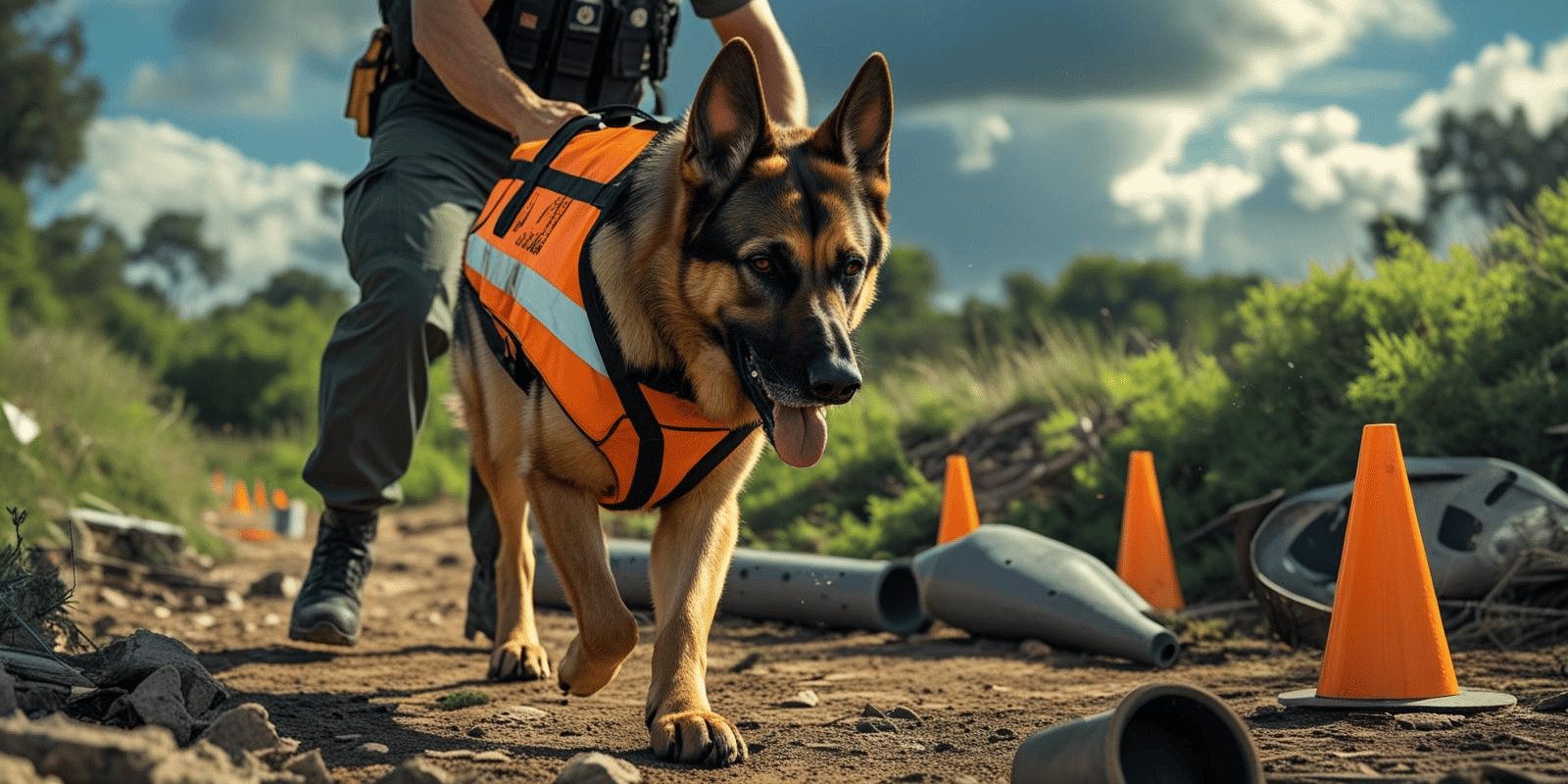
Search and rescue dogs training turns ordinary pups into heroes. Have you ever wondered how they save lives in emergencies, from natural disasters to missing person cases.
But behind their life-saving skills lies intense training, dedication, and a unique bond with their handlers. In this post, you’ll uncover the fascinating world of search and rescue dog training. You’ll learn what it takes to turn a playful pup into a skilled lifesaver, and you might even discover the surprising role you could play in supporting these heroes.
Stick around—you won’t want to miss what goes into preparing these four-legged rescuers to make a difference when it matters most!

Credit: www.youtube.com
The Role Of Search And Rescue Dogs
Search and rescue dogs play a life-saving role in emergencies. Whether it’s locating a missing person in the wilderness or finding survivors after a natural disaster, these dogs bring unmatched skills to the table. Their training transforms them into heroes who can do what humans alone often cannot.
Their Unparalleled Sense Of Smell
Did you know that a dog’s sense of smell is up to 100,000 times more sensitive than yours? This ability allows search and rescue dogs to detect human scent over vast distances or even beneath rubble. For example, during an earthquake rescue mission, dogs can pinpoint survivors trapped under debris, guiding responders exactly where to look.
Such precision is critical when every second counts. Without these dogs, finding survivors in time could be nearly impossible. Their noses are their superpower, but their training sharpens it to perfection.
High Stamina And Endurance
Search and rescue dogs are trained to work long hours in tough environments. They’re often deployed in extreme weather, dense forests, or unstable terrains. Imagine hiking for hours through snow or rubble—these dogs do it effortlessly.
But their endurance isn’t just physical. They’re trained to stay focused and motivated even when the search stretches for hours or days. Their determination often inspires the human rescuers working alongside them. Would you be able to maintain that level of drive?
The Human-dog Bond
The connection between a search and rescue dog and their handler is extraordinary. This bond is built on trust, constant communication, and teamwork. A handler knows their dog’s signals—whether it’s a bark, a wag, or a specific posture—and responds immediately.
For instance, during a search mission, a handler might notice a subtle behavior change in the dog. That tiny shift could indicate the scent of a person. This kind of non-verbal communication is what makes the team so effective.
Adaptable Skills For Different Missions
Search and rescue dogs aren’t one-size-fits-all. Some are trained for wilderness tracking, while others specialize in water rescues or disaster zones. A Labrador might excel at finding scent trails in the woods, while a German Shepherd could thrive in urban search missions.
Training adjusts to the specific mission type, ensuring the dog is always ready for the task at hand. This adaptability means they can assist in almost any emergency scenario. Could you imagine a single skill being so versatile?
Emotional Support For Rescuers
Search and rescue dogs don’t just help find people—they also boost morale. Their presence often provides comfort to rescuers during high-stress situations. A wagging tail or a moment of affection can remind a tired team why they’re pushing so hard.
In some cases, they even bring hope to those waiting for rescue. When a dog arrives on the scene, it’s a sign that help is near. That simple sight can be a powerful motivator.
Search and rescue dogs do more than just search—they inspire, adapt, and connect. Their role isn’t just important; it’s irreplaceable. What would the world look like without them?
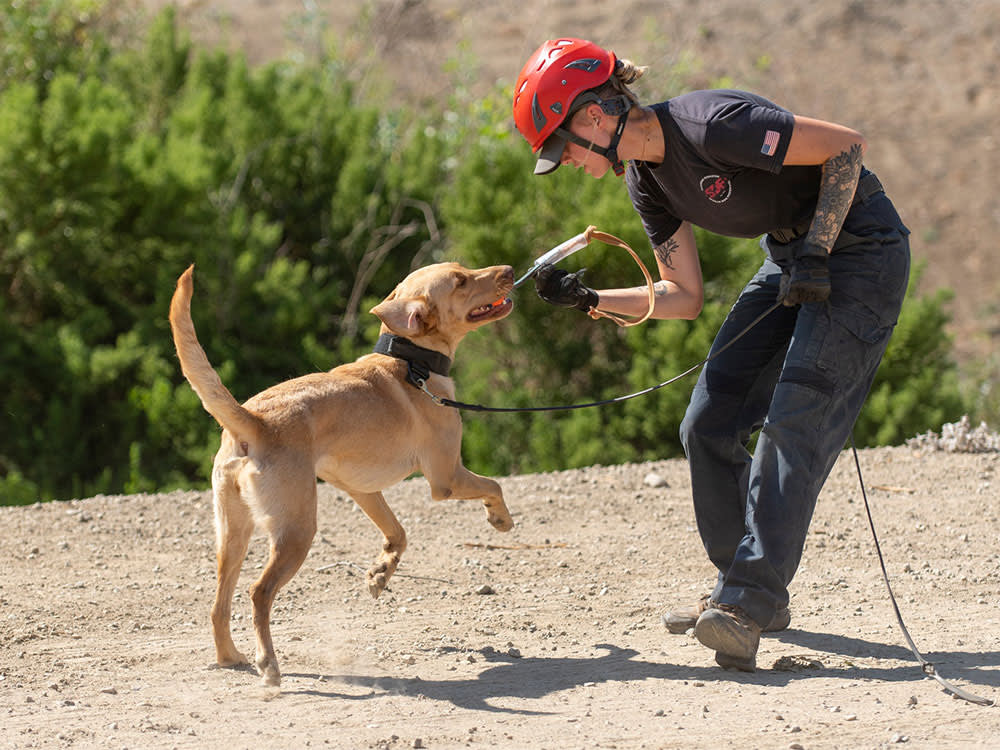
Credit: www.kinship.com
Traits Of An Effective Search Dog
Search and rescue dogs play a vital role in saving lives. Their ability to locate missing persons is shaped by key traits. These traits allow them to perform under pressure and in challenging environments.
Not every dog is suited for search and rescue work. Specific qualities make some dogs naturally better at this task. Understanding these traits helps trainers select and develop effective search dogs.
1. Strong Sense Of Smell
A search dog must have an excellent sense of smell. This is the foundation of their tracking ability. Dogs use their nose to detect scents humans cannot sense. This skill allows them to locate people even in difficult conditions.
2. High Energy Levels
Search and rescue missions demand long hours and physical stamina. Dogs with high energy levels can work tirelessly in tough situations. They need to remain active and focused without showing signs of exhaustion.
3. Intelligence
An intelligent dog can learn complex commands and adapt quickly. Problem-solving skills are crucial during search missions. Intelligent dogs can navigate obstacles and follow commands effectively.
4. Calm Under Stress
Search environments are often chaotic. Effective search dogs remain calm under pressure. Their ability to stay focused ensures they perform well even in stressful situations.
5. Strong Bond With Handler
A search dog must trust and connect with their handler. This bond ensures clear communication during missions. Dogs with strong bonds follow commands willingly and work as a team.
6. Good Physical Health
Search dogs must be in excellent physical condition. They need strength, agility, and endurance to perform in various terrains. Regular health checks and exercise are essential for maintaining their fitness.
Choosing The Right Dog For The Job
Search and rescue (SAR) dogs are heroes on four legs, but not every dog is cut out for this demanding role. The right breed, temperament, and physical ability can make all the difference. Picking the right dog isn’t just about looks; it’s about finding a partner that thrives in challenging situations.
Breed Matters: Which Breeds Excel In Sar Work?
Some breeds are naturally suited for search and rescue due to their instincts and abilities. German Shepherds, Labrador Retrievers, and Border Collies are popular choices because of their intelligence, endurance, and strong work ethic.
But don’t overlook lesser-known breeds. A Belgian Malinois, for example, has agility and focus that rival even the best-known SAR breeds. The key is choosing a breed that fits the specific type of rescue work, whether it’s tracking through forests or locating people in disaster zones.
Temperament: Does Your Dog Have The Right Personality?
A SAR dog needs to be more than just smart—they need the right personality. Confidence and curiosity are non-negotiable traits in these dogs. They must be eager to work but also calm under pressure.
Imagine a dog that panics at loud noises during a rescue mission. That’s a disaster waiting to happen. Always test a dog’s reaction to unpredictable situations before starting their training.
Age And Physical Fitness: When Is The Best Time To Start?
Training a SAR dog is a long-term commitment, so starting at the right age is crucial. Puppies between 8–12 weeks old are ideal for foundational training, as they adapt quickly to new skills. However, adult dogs with the right temperament and health can also be trained successfully.
Fitness is another non-negotiable factor. A dog with joint issues or low stamina won’t be able to handle the physical demands of SAR work. Regular vet checkups and conditioning exercises are essential to keep them in top shape.
Bonding: Is This Dog A Good Match For You?
Search and rescue isn’t just about the dog’s skills—it’s about the partnership between you and your dog. If you’re not in sync, even the best-trained dog won’t perform well. Spend time building trust and understanding each other’s strengths and weaknesses.
Think about it: would you want to spend hours in the field with a dog that doesn’t trust your commands? A strong bond ensures effective communication during high-stress situations.
Choosing the right dog for SAR work takes time and research, but it’s worth the effort. The right partner can save lives, including your own in the field. So, take your time, ask the hard questions, and make a choice that sets you and your future SAR dog up for success.
Basic Training Foundations
Training search and rescue dogs requires a solid foundation. The basics are where everything begins. Without them, advanced skills won’t stick, and you’ll face constant setbacks. So, how do you set your dog up for success?
1. Building A Strong Bond
Your dog needs to trust you completely. Spend time together outside of training sessions—play, walk, and just hang out. This bond is what motivates them to listen and work for you, even in high-pressure situations.
Pay attention to how your dog reacts to your commands and emotions. Do they look to you for guidance? A connected dog is more focused and responsive during training.
2. Mastering Basic Obedience
A search and rescue dog must first excel at the basics: sit, stay, come, and heel. These commands are the foundation for more complex skills. Without them, your dog may struggle to follow instructions in chaotic environments.
Practice obedience in different settings to build your dog’s confidence. A quiet living room is one thing; a noisy park is another. Gradually increase distractions to ensure reliability.
3. Introducing Scent Work
Search and rescue dogs rely on their nose more than anything else. Start by teaching your dog to recognize a specific scent, like an old piece of clothing. Reward them when they identify it correctly.
Keep sessions short and fun to avoid overwhelming your dog. As they improve, you can make the task more challenging by hiding the scented item. This builds the foundation for advanced tracking later.
4. Building Stamina And Focus
Search missions can last hours, so stamina is key. Engage your dog in physical activities like hiking or running to build endurance. Make sure they’re healthy and fit for the job.
Focus is equally important. Use games like hide-and-seek to train your dog to stay on task. Praise and rewards will keep their motivation high.
5. Socialization
Your dog will encounter people, other animals, and different environments during missions. Expose them to as many experiences as possible early on. The goal is to make them adaptable and unflappable.
If your dog gets nervous or distracted, don’t rush them. Allow them to explore at their own pace, and reward calm behavior. This builds confidence for real-world scenarios.
Are you ready to take the next step in your dog’s training? Start with these basics and watch them transform into a focused, capable search and rescue partner.
Scent Detection Techniques
Search and rescue dogs play a critical role in saving lives during emergencies. Their ability to detect scents is nothing short of extraordinary. But have you ever wondered how these dogs are trained to perform such remarkable feats? Scent detection training lies at the heart of their skills, and it’s a fascinating process. Let’s dive into how trainers teach these dogs to identify and track scents.
Scent Association Training
Dogs don’t naturally understand the purpose of sniffing out a specific scent. Trainers start by teaching them to associate a particular smell with a reward. This could be a favorite toy or a small treat.
Imagine holding a piece of cloth with the target scent and rewarding your dog every time they sniff or show interest in it. This step builds excitement and makes the dog eager to find that scent again. The key is repetition and consistency.
Introducing Target Objects
Once the dog understands the scent, trainers introduce objects that carry the same smell. This could be items like clothes, shoes, or even small containers with the scent inside.
Dogs are encouraged to locate these items during controlled exercises. Each successful find earns them a reward, reinforcing their focus on the scent. Over time, these objects are hidden in increasingly challenging spots to sharpen their skills.
Outdoor Scent Trails
Real-world scenarios demand dogs to follow scents across varied terrains. Trainers simulate this by laying scent trails outdoors. These trails mimic the scent patterns left by people or objects in real situations.
A dog may start at a known scent source, like a piece of clothing, and work to track where the scent leads. Gradually, trails become longer and more complex, preparing the dog for actual search missions.
Distraction Training
Search environments are often noisy, crowded, or filled with competing scents. Dogs need to stay focused. Trainers use distraction techniques to test their concentration.
For example, other scents might be introduced nearby, or people may move around the area. The goal is to teach the dog to prioritize the target scent no matter what else is happening.
Practical Application
Once the dog masters scent detection, training shifts to real-world practice. This could involve search drills in forests, buildings, or disaster sites. These exercises prepare dogs for the unpredictable nature of actual rescue missions.
Seeing these dogs in action is inspiring. They prove the value of patient training and the incredible bond between humans and animals. Can you imagine the impact of a dog’s nose in saving someone’s life?
Training search and rescue dogs isn’t just about teaching skills—it’s about building trust and teamwork. Every sniff, trail, and reward brings them closer to becoming life-saving heroes.
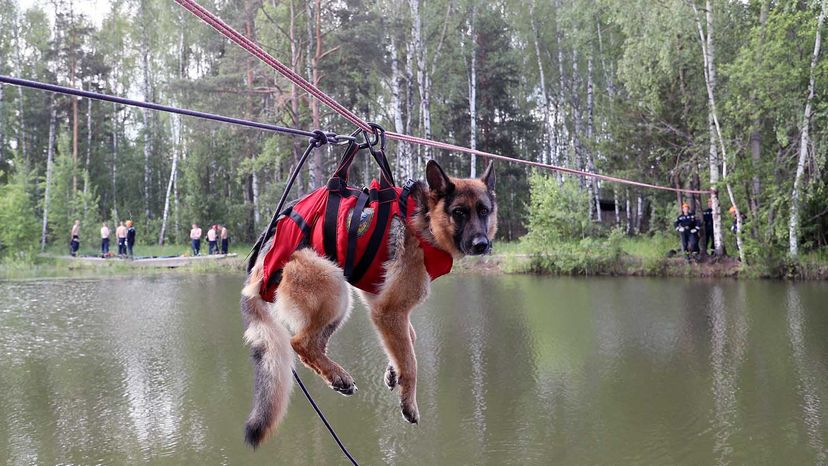
Credit: animals.howstuffworks.com
Obedience And Agility Skills
Training search and rescue dogs is no small task. Among the most crucial aspects of their development are obedience and agility skills. These skills help dogs respond quickly, navigate challenging terrains, and stay focused even in high-pressure situations.
What Makes Obedience Training Essential?
Obedience is the foundation of any successful search and rescue dog. A dog must reliably follow commands like “sit,” “stay,” and “come” without hesitation. This ensures their safety and helps handlers guide them effectively in dangerous environments.
Consistency is key here. Dogs thrive on routine and clear expectations. If you’re training a dog, ask yourself—are you being consistent with your cues and rewards?
Start with simple commands in a distraction-free environment. Gradually increase the difficulty by adding distractions like noises or people. Reward progress immediately to reinforce the behavior.
Building Agility Skills For Real-world Challenges
Agility training prepares dogs to tackle obstacles they’ll encounter during rescues. Imagine a collapsed building or a dense forest—these are no walk in the park. Agility training equips dogs to climb, jump, and crawl as needed.
Begin by introducing basic agility exercises like walking on a plank or jumping over a low hurdle. Use positive reinforcement like treats or verbal praise to encourage them. Over time, increase the complexity of the challenges.
For example, you can add tunnels, ladders, or unstable surfaces to mimic real-world scenarios. The goal is to help the dog stay confident and steady, no matter what lies ahead.
Striking The Right Balance Between Obedience And Agility
Both obedience and agility are equally important, but they must work hand in hand. A highly agile dog that ignores commands can create chaos. Similarly, a perfectly obedient dog without agility may struggle in physically demanding situations.
Think of training sessions as opportunities to combine both. For instance, you can ask your dog to “stay” before navigating an obstacle, then “come” once they’ve crossed it. This reinforces both obedience and agility in one exercise.
How can you apply this balance in your training routine? Test yourself by mixing obedience drills with agility exercises regularly. This keeps the dog engaged and sharpens their ability to switch focus seamlessly.
Why Patience And Encouragement Matter
Every dog learns at their own pace. Some may master obedience quickly but take longer to excel in agility. Others might be natural climbers but need extra time to perfect commands.
Celebrate small wins during the process. Did your dog finally jump over that hurdle after a week of trying? That’s progress worth cheering! Your encouragement boosts their confidence and builds trust between you and the dog.
Remember, search and rescue training isn’t just about the end goal. It’s about creating a reliable partnership. Are you ready to invest the time and care needed to help your dog shine?
Simulating Real-world Scenarios
Search and rescue dogs require specialized training to excel in their roles. Simulating real-world scenarios helps prepare them for the challenges they face. These exercises mimic situations they encounter during actual missions. Trainers design environments to test the dogs’ ability to locate and assist in various conditions. This practice ensures they can adapt to unpredictable events.
Creating Diverse Training Environments
Trainers build diverse environments to simulate real-world challenges. They use debris piles, wooded areas, or urban ruins to mimic disaster zones. Each setup tests the dog’s ability to navigate different terrains. These environments teach dogs to stay focused despite distractions.
Using Human Scent As A Key Element
Human scent plays a crucial role in search exercises. Trainers hide volunteers or use scent articles in training areas. Dogs learn to track and locate specific smells, even in crowded or noisy locations. This skill sharpens their detection abilities under real conditions.
Incorporating Variable Weather Conditions
Weather impacts how dogs detect scents during missions. Trainers simulate various weather conditions, such as rain, wind, or heat. These scenarios teach dogs to adapt their search techniques. This prepares them for unpredictable environments during actual rescues.
Building Confidence Through Controlled Challenges
Controlled challenges boost the dog’s confidence during training. Trainers introduce obstacles like narrow spaces or unstable surfaces. These tests improve the dog’s problem-solving skills and agility. Confidence helps dogs perform effectively in high-pressure situations.
Encouraging Teamwork Between Dogs And Handlers
Dogs and handlers must work as a seamless team during rescues. Training includes exercises that strengthen communication and trust between them. Handlers learn to guide dogs effectively, while dogs respond to commands under stress. Teamwork ensures a successful search operation.
Building Trust Between Dog And Handler
Trust is the foundation of any successful search and rescue dog team. A strong bond ensures better communication and seamless coordination during high-pressure situations. Building trust takes time, patience, and consistent effort from both the dog and the handler.
Handlers play a crucial role in establishing this trust. Dogs rely on their handlers for guidance, safety, and reassurance. Strengthening this relationship helps the dog perform its tasks with confidence and precision.
Understanding A Dog’s Individual Needs
Every dog has its own personality, preferences, and learning style. Handlers must observe and understand these traits to build a connection. Some dogs respond better to verbal praise, while others prefer physical affection. Tailoring interactions to a dog’s needs fosters trust and encourages cooperation.
Consistent Positive Reinforcement
Positive reinforcement strengthens the bond between the handler and the dog. Rewarding the dog for correct actions builds confidence and motivation. Treats, praise, and play are effective ways to show appreciation. Consistency in rewards ensures the dog knows what is expected.
Clear Communication And Commands
Dogs thrive on clear and simple communication. Handlers should use consistent commands and gestures. Confusing or changing signals can cause frustration and reduce trust. Practicing commands regularly ensures the dog understands and responds correctly.
Quality Time Together
Spending time outside of training sessions strengthens the bond. Activities like walks, playtime, and relaxation build familiarity. Quality time also helps handlers understand their dog’s emotions and behaviors better.
Building Confidence Gradually
Introducing new tasks or challenges gradually increases the dog’s confidence. Starting with easier exercises helps the dog feel successful. Progressing step-by-step reduces stress and prevents overwhelming the dog. Confidence grows as trust deepens.
Resolving Mistakes With Patience
Dogs may make mistakes during training. Handlers should address errors calmly and patiently. Punishing or scolding a dog can damage trust. Encouraging the dog to try again helps it learn and stay motivated.
Challenges In Training Search Dogs
Training search and rescue dogs is no walk in the park. It demands patience, consistency, and a deep understanding of canine behavior. But with these rewards come challenges—some of which can truly test your dedication. Let’s break down the common hurdles trainers face and how they handle them.
1. Environmental Distractions
Search dogs often work in unpredictable environments. Imagine training a dog in a busy urban area with loud sirens and crowds—it’s tough to keep their focus. To tackle this, trainers gradually expose dogs to real-world scenarios, starting from controlled settings and building up to chaotic environments.
Have you ever tried teaching a dog to ignore a tasty snack on the ground while they work? It’s similar. The goal is to teach them to prioritize their mission over tempting distractions.
2. Physical Endurance
Search and rescue missions often span hours, sometimes days. Dogs need to be in excellent shape to handle rough terrains, extreme weather, and long hours of work.
Trainers include physical fitness routines in their schedules. Activities like hiking, swimming, and agility courses help build stamina and strength. Are you ready to match their energy? Because it’s not just the dog that needs to stay fit—it’s you too.
3. Scent Discrimination
A major challenge is teaching dogs to distinguish between scents. In a crowded area, a dog might encounter hundreds of competing smells. How do you ensure they focus on the right one?
Trainers use controlled scent training. They start with strong, isolated scents and gradually introduce complexity. It’s a slow process, but when a dog successfully finds a hidden person in training, it’s worth every second.
4. Emotional Bonding
A search dog’s success often hinges on their relationship with their handler. Without trust and a strong bond, communication breaks down. This can lead to errors in critical situations.
Building this bond requires time, affection, and mutual respect. Handlers play, train, and even live with their dogs to ensure they form a deep connection. Would your dog trust you to guide them in a high-pressure scenario?
5. Stress Management
Search dogs face high-stress environments, from disaster zones to missing person cases. Stress can impact a dog’s performance and health. How do trainers prepare them for this?
They simulate stressful scenarios during training while keeping the dog’s well-being in mind. Breaks, rewards, and positive reinforcement are crucial to maintaining their mental health.
Training search dogs is challenging but deeply rewarding. Each obstacle is an opportunity to build a stronger, more capable partner. Are you ready to face these challenges and help a dog become a hero?
Success Stories Of Rescue Missions
Search and rescue dogs are true heroes. Their training saves lives, and their dedication is unmatched. Let’s dive into some incredible real-life rescue missions that showcase their skills.
A Child Found In The Wilderness
Imagine a family’s relief when a missing child was located deep in the forest by a trained search dog. In a dense wooded area where humans struggled to navigate, the dog followed the child’s scent for hours. Thanks to its persistence, the child was found safe and reunited with their family.
Would you trust a dog’s nose to find you or your loved one in such a situation? These stories prove that trust is well-placed.
Earthquake Survivors Rescued From Rubble
After a devastating earthquake in Turkey, rescue dogs were deployed to search through collapsed buildings. One dog, trained for disaster response, located two survivors buried under debris for over 48 hours. The handlers said the dog’s training allowed it to focus even in loud, chaotic environments.
Such moments highlight how rescue dogs achieve what seems impossible. It’s a reminder of how preparation and training can make all the difference in emergencies.
Lost Hiker Saved On A Snowy Mountain
In freezing temperatures, a hiker lost on a snowy peak was found by a rescue dog trained for alpine searches. The dog braved the cold and icy terrain to track the hiker’s scent. The hiker later said they heard the dog’s bark before seeing anyone—what a comforting sound that must have been!
Would you ever think a dog could navigate extreme weather like that? Their training ensures they can handle even the harshest conditions.
Lessons From These Stories
These success stories teach us the value of preparation and teamwork. Behind each rescue is a team of handlers, trainers, and courageous dogs working together. They show us that with the right training, even the most challenging situations can have a positive outcome.
Have you ever wondered how you could support such life-saving efforts? From volunteering to donating to organizations, there are many ways to get involved.
Frequently Asked Questions
Can I Train My Dog To Be A Search And Rescue Dog?
Yes, you can train your dog for search and rescue tasks. Choose a suitable breed, start obedience training early, and work with certified SAR trainers. Consistent practice, proper socialization, and dedication are essential for success. Ensure your dog has the right temperament, physical fitness, and motivation for SAR work.
What Is The 3-3-3 Rule For Rescue Dogs?
The 3-3-3 rule helps understand a rescue dog’s adjustment. 3 days to decompress, 3 weeks to settle, 3 months to bond.
How Much Does It Cost To Train Your Dog For Search And Rescue?
Search and rescue dog training costs vary between $2,500 and $5,000. Prices depend on trainer expertise and program duration.
What Three Key Skills Do Search And Rescue Dogs Need?
Search and rescue dogs need strong scent detection abilities, excellent obedience skills, and endurance for challenging environments.
What Is The Purpose Of Search And Rescue Dog Training?
Search and rescue dog training prepares dogs to locate missing people in emergencies.
How Long Does It Take To Train A Search And Rescue Dog?
Training usually takes 12-18 months, depending on the dog and tasks required.
What Breeds Are Best For Search And Rescue Work?
Breeds like German Shepherds, Labradors, and Border Collies excel in search and rescue tasks.
What Skills Do Search And Rescue Dogs Need?
Dogs need skills like scent detection, tracking, agility, and obedience to succeed in search missions.
Can Any Dog Be Trained For Search And Rescue?
Not all dogs are suitable. Dogs need strong drive, focus, and good physical health.
What Equipment Is Used During Search Dog Training?
Common equipment includes harnesses, leashes, scent articles, and obstacles for practice.
Conclusion
Training search and rescue dogs takes time, patience, and dedication. These dogs play a vital role in saving lives during emergencies. Proper training helps them develop the skills needed to navigate challenging situations. Handlers must build a strong bond with their dogs for effective teamwork.
Consistent practice ensures the dogs stay sharp and ready for action. Every effort put into their training leads to better results in the field. These brave dogs and their handlers inspire hope and make a real difference. Their work reminds us of the power of trust and teamwork in achieving incredible outcomes.
Nate, that’s awesome that you’re looking to get started! Since you have a German Shepherd—one of the top search and rescue dog breeds—you’re already off to a great start. My advice? You can definitely start some basic working dog scent training games at home to build his drive, but I’d hold off on the formal “find” commands until you find a local SAR group. They can help ensure you’re meeting all the specific SAR dog requirements from day one. It’s a long road, but watching them work is so rewarding.