Heat Stroke in Dogs: Warning Signs & How to Save Your Pet
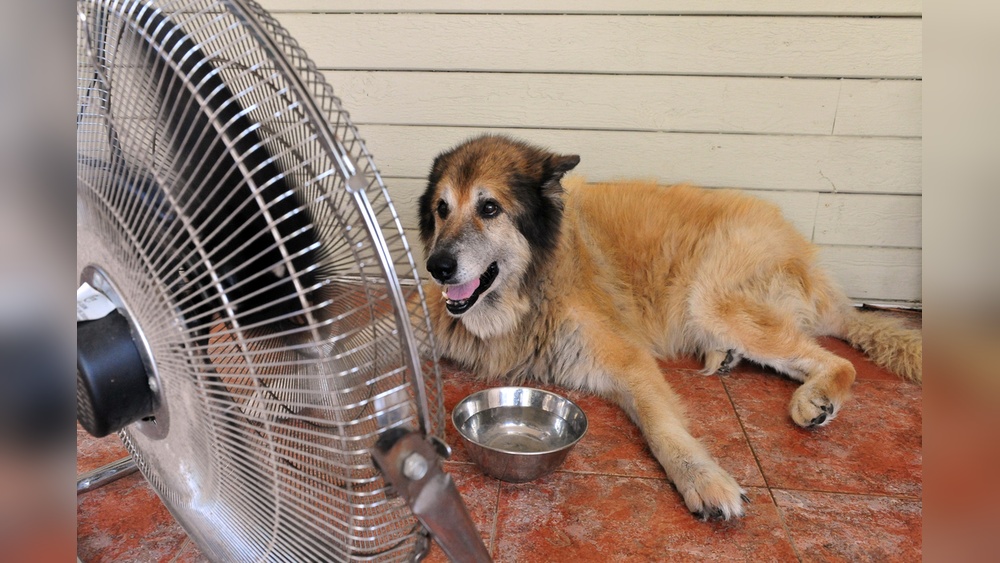
Imagine enjoying a sunny day with your dog, only to notice them panting heavily, drooling, or acting unusually restless. You might wonder, “Is this just the heat, or something more serious?” Heat stroke in dogs is a real danger that can strike quickly and silently. If you care about your furry friend’s health, knowing the signs and how to act fast can save their life. Keep reading to learn what heat stroke looks like, why your dog is at risk, and simple steps you can take to protect them when the temperature rises. Causes Of Heat Stroke Heat stroke in dogs happens when their bodies get too hot. It is a serious condition that needs quick attention. Many things can cause heat stroke. Knowing these causes helps keep your dog safe. High Temperatures And Humidity Dogs cannot cool down well in hot weather. High temperatures make it hard for them to stay cool. Humidity stops sweat from evaporating. This raises their body heat fast. Even a short time outside can cause heat stroke. Physical Activity Running, playing, or walking a lot in heat raises a dog’s temperature. Active dogs generate more body heat. Without rest or shade, their heat builds up quickly. Too much exercise in hot weather is risky. Lack Of Water Water helps dogs cool down by panting and sweating through paws. Without enough water, they cannot cool their bodies. Dehydration makes heat stroke more likely. Always provide fresh water, especially in warm weather. Breed Susceptibility Some dog breeds get heat stroke easier. Short-nosed dogs like Bulldogs and Pugs struggle to breathe well. This makes cooling harder. Large or thick-coated dogs also face more heat risks. Know your dog’s breed risks to protect them better. Credit: mannfordanimalclinic.com Signs And Symptoms Heat stroke in dogs is a serious condition. Recognizing early signs can save your dog’s life. Dogs cannot sweat like humans. They rely on panting to cool down. When their body gets too hot, symptoms appear quickly. Excessive Panting Panting is a dog’s way to release heat. Excessive panting means your dog is struggling. The breathing may become fast and heavy. The tongue might hang out more than usual. This is one of the first signs of heat stroke. Drooling And Red Gums Heat stroke causes drooling that is more than normal. Your dog’s mouth may become wet and slobbery. Check the gums; they should be pink. Red or bright red gums show overheating. This change means your dog needs help fast. Weakness And Collapse Overheating can make your dog weak. They might wobble or have trouble standing. Some dogs may collapse suddenly. This is a dangerous sign of heat stroke. Immediate action is required to cool your dog down. Vomiting And Diarrhea Heat stroke can upset your dog’s stomach. Vomiting and diarrhea may occur. These symptoms cause dehydration and make the dog worse. Watch for these signs to act quickly. They show the body is under stress from heat. Immediate Actions Heat stroke in dogs is a serious emergency. Acting fast can save your pet’s life. The right steps help lower your dog’s body temperature quickly. Stay calm and focus on cooling your dog safely. Here are key actions to take right away. Moving To A Cool Place Take your dog out of the sun immediately. Find shade or a cool indoor space. Avoid hot pavement and areas with poor airflow. A cooler environment helps stop the heat from rising. Keep your dog calm to reduce stress and overheating. Hydration Techniques Offer small amounts of cool water to drink. Do not force water into your dog’s mouth. Let your pet drink slowly to avoid choking. Avoid giving ice-cold water directly. Cool water helps lower body temperature safely. Cooling Methods Use wet towels or cloths to dampen your dog’s body. Focus on the paws, belly, and neck. Avoid ice or very cold water; it can cause shock. A gentle fan can help speed up cooling. Keep checking your dog’s temperature as you cool. When To Seek Veterinary Help Call the vet if your dog shows heavy panting, drooling, or weakness. Loss of balance or collapse are urgent signs. Heat stroke can cause serious damage inside the body. Quick veterinary care is crucial for survival. Do not wait if symptoms worsen or last long. Treatment Options Treating heat stroke in dogs requires quick and careful action. The goal is to lower the dog’s body temperature and support vital organs. Treatment depends on how severe the heat stroke is. Immediate care can save your dog’s life and reduce long-term damage. Here are the main treatment options used by veterinarians. Veterinary Interventions Veterinarians first cool the dog safely using cool water or fans. They avoid ice-cold water to prevent shock. The dog’s temperature is checked often to avoid overcooling. IV fluids are given to help rehydrate and improve blood flow. Oxygen therapy may be used if the dog has trouble breathing. In serious cases, hospital care is needed to monitor heart and organ function. Medications Medications help control symptoms and prevent complications. Pain relievers reduce discomfort caused by muscle damage. Anti-inflammatory drugs lower swelling in the brain or other organs. Sometimes, drugs are given to stop seizures. Antibiotics may be used if infections develop. All medications are chosen carefully based on the dog’s health and symptoms. Supportive Care Supportive care helps the dog recover after the initial crisis. Rest is crucial to allow healing. The dog should stay in a cool, calm place away from heat. Food and water are offered gradually to prevent stomach upset. Owners must watch for changes in behavior or breathing. Follow-up visits ensure the dog regains full health. Prevention Tips Preventing heat stroke in dogs is crucial for their health and happiness. Dogs can get very sick quickly if they get too hot. Taking simple steps can keep your dog safe during warm days. Knowing how to protect your dog helps avoid dangerous heat problems. Small changes in daily care make a big difference. Here … Read more