
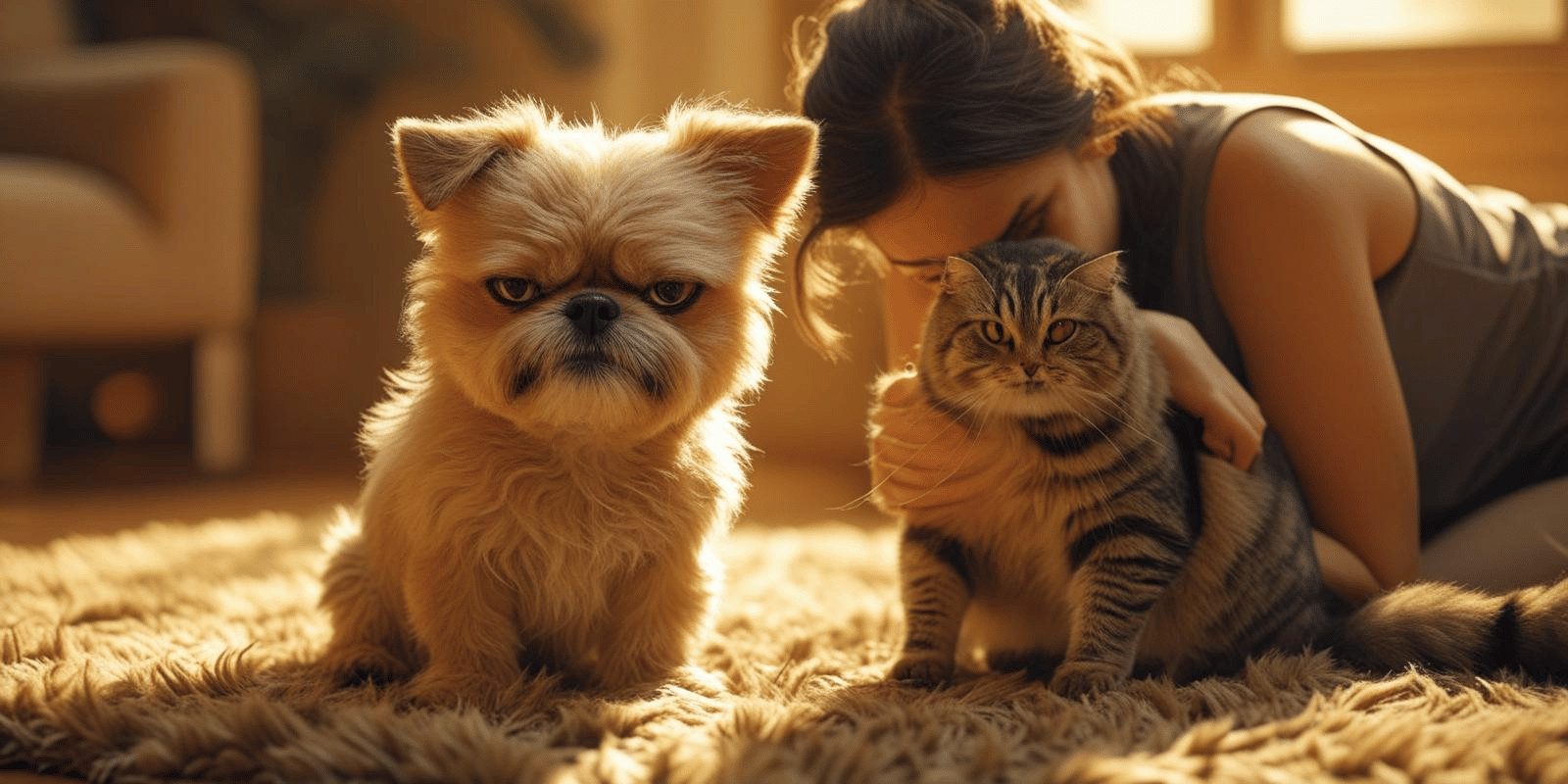
When your dog is jealous, they may act a bit off lately? Maybe they’re growling at your other pet or giving you the cold shoulder when you show affection to someone else.
Jealousy in dogs is real, and it can be concerning for any pet owner. You want your furry friend to feel secure and loved, but sometimes jealousy can lead to negative behaviors that complicate your bond. You’ll discover practical strategies to manage your dog’s jealousy.
You’ll learn what actions to take—and what to avoid—so your home can be a peaceful place for everyone. Understanding your dog’s feelings will help you create a happier environment, not just for them but for you too. So, let’s dive in and transform that jealousy into love and harmony!
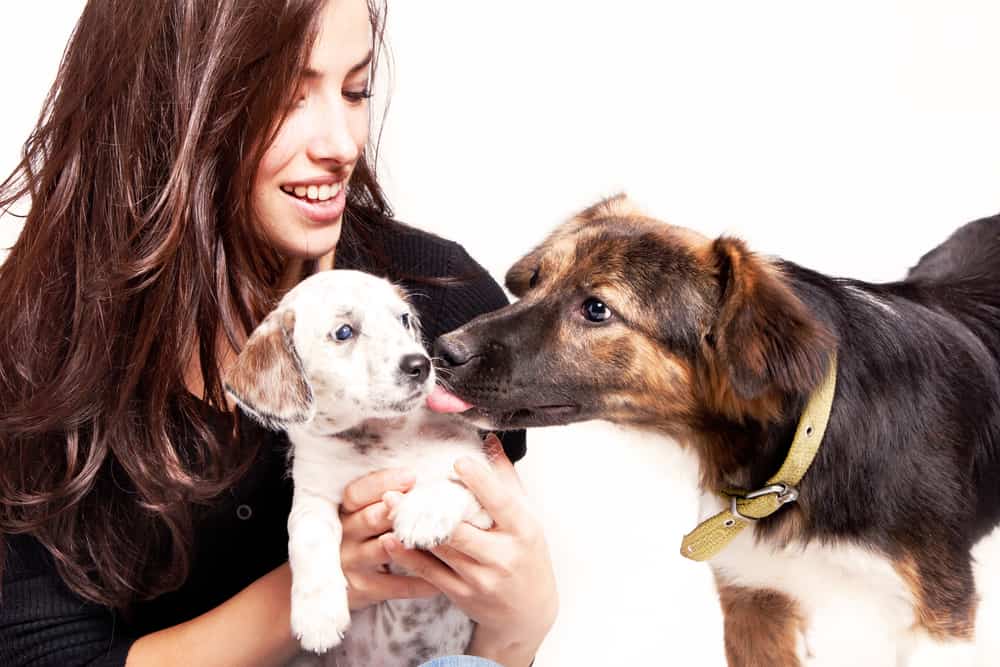
Credit: www.k9ofmine.com
Signs Your Dog Might Be Jealous
Understanding the signs of jealousy in your dog can help you address the issue before it escalates. Dogs, much like humans, can feel a range of emotions, including jealousy. Recognizing these signs early ensures you can take appropriate actions to maintain a harmonious environment at home.
Changes In Behavior
One of the first signs of jealousy is a noticeable change in behavior. Your dog may become more clingy, following you around wherever you go. They might also show signs of anxiety when you give attention to another pet or person.
Watch for behaviors like:
- Pacing or restlessness
- Excessive barking or whining
- Refusing to eat or play
Seeking Attention Aggressively
Does your dog suddenly push their way between you and another pet or person? This behavior often indicates jealousy. Your furry friend might nudge, paw, or even bark to regain your attention.
They may also display aggressive behaviors like:
- Growling when another pet approaches
- Snapping or showing teeth
Changes In Body Language
Your dog’s body language can reveal their emotional state. A jealous dog may exhibit signs such as stiff posture, raised hackles, or a tucked tail. These are clear indicators that they are feeling threatened by another pet or person.
Look for:
- Intense staring
- Ear positioning (flattened ears)
- Quick movements away from you
Destructive Behavior
Jealous dogs may resort to destructive behaviors to express their feelings. This can include chewing on furniture, digging, or even having accidents indoors. They might feel neglected and act out to get your attention.
Have you noticed chewed-up shoes or torn cushions? These could be signs of jealousy manifesting in a negative way.
Excessive Grooming Or Self-soothing
Some dogs deal with jealousy by grooming themselves excessively. This can be a way to cope with stress or anxiety. If you notice your dog licking their paws or fur more than usual, it might be worth investigating further.
Taking note of these signs can help you address jealousy in your dog effectively. How do you respond when your dog exhibits jealous behavior? Your actions can significantly influence their emotional state.
Common Triggers For Jealousy In Dogs
Dogs can feel jealousy for many reasons. Understanding these triggers helps owners manage their dog’s feelings. Jealousy often stems from competition for attention, resources, or affection.
Identifying these triggers can ease tension in your home. It is essential to know what might make your dog feel insecure or threatened. Here are some common triggers to watch for.
New Pets In The Household
Bringing a new pet home can upset your dog. They may feel replaced or ignored. This can lead to jealous behaviors. Monitor interactions closely as they adjust.
Attention From Family Members
Dogs often crave attention from their owners. When you focus on another pet or person, your dog may feel left out. This can cause whining, barking, or even aggression. Balance your attention among pets.
Changes In Routine
Dogs thrive on routine. Any changes can disrupt their sense of security. New schedules can lead to jealousy, especially if they feel neglected. Keep routines as consistent as possible to reduce anxiety.
Favorite Toys Or Treats
Dogs can become possessive of their toys or treats. If another pet approaches, jealousy may arise. Sharing toys can help teach your dog to be more tolerant.
Time Spent Outside
Outdoor time is essential for dogs. If one dog gets more playtime, the other may feel jealous. Ensure all pets have equal playtime to keep them happy.
Affection From Strangers
Dogs often feel protective of their owners. If a stranger shows affection, your dog may react. They could see this as a threat. Always monitor your dog’s response to strangers.
Recognizing these triggers can help prevent jealousy. Understanding your dog’s feelings leads to a happier, more balanced home.
Why Jealousy Happens In Dogs
Understanding why your dog feels jealousy is crucial for addressing this behavior effectively. Jealousy in dogs can stem from a variety of factors, including their natural instincts and the environment they live in. Recognizing these triggers can help you manage your dog’s feelings and promote a more harmonious home.
Natural Instincts
Dogs are pack animals by nature. They thrive on social structures and relationships. When they perceive a threat to their social standing or resources, such as your attention, jealousy can arise.
Attention Seeking
Your dog may feel jealous when they notice you showering affection on another pet or person. This can lead to behaviors like barking, whining, or even pushing their way between you and the object of your attention. Dogs want to feel secure in their bond with you.
Changes In Environment
Introducing new pets or family members can trigger jealousy. A sudden change in the household dynamics can make your dog feel insecure. They may worry that they are losing their place in your heart.
Past Experiences
Dogs with a history of neglect or abandonment may show more jealousy. If your dog has not experienced stable relationships, their feelings can be heightened. Past traumas can significantly influence how they react to perceived threats.
Resource Guarding
Some dogs become possessive over their toys, food, or even you. This guarding behavior can escalate into jealousy when they sense competition for these resources. It’s important to teach them that sharing and cooperation are safe.
Have you noticed specific situations that trigger your dog’s jealousy? Paying attention to these moments can help you create a more balanced environment for your furry friend.
Understanding the root causes of jealousy in dogs allows you to take proactive steps. You can reduce their feelings of insecurity and promote a more peaceful atmosphere at home.
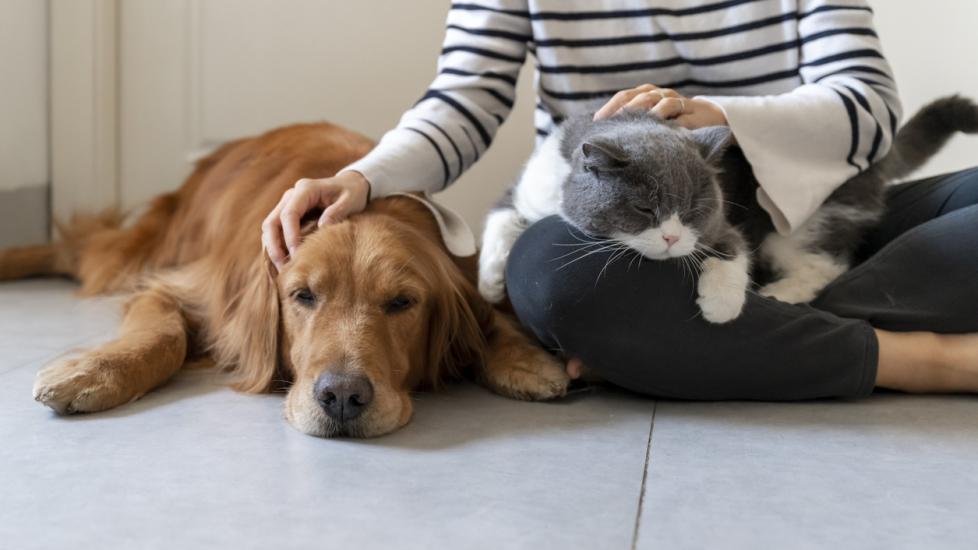
Credit: www.petmd.com
How To Respond To Jealous Behavior
Understanding how to respond to your dog’s jealousy is key. Jealous behavior can arise from various triggers. Knowing how to manage it helps both you and your dog. Reacting correctly can improve your dog’s behavior and feelings of security.
Stay Calm And Collected
Dogs can sense our emotions. Staying calm helps your dog feel secure. When jealousy arises, take a deep breath. Avoid reacting with frustration or anger. Your calm presence reassures your dog.
Avoid Favoritism
Be mindful of how you show affection. Giving too much attention to one pet can spark jealousy. Try to balance your time with each dog. Ensure all pets feel loved and valued.
Redirect Their Attention
Shift your dog’s focus to something positive. Use toys or treats to distract them. Engage your dog in a fun activity. This helps them forget what triggered their jealousy.
Teach Positive Behaviors
Use training to reinforce good behavior. Reward your dog when they stay calm. Consistent training helps them learn what is acceptable. Be patient, as learning takes time.
Encourage Socialization
Expose your dog to different situations. This can reduce jealousy over time. Arrange playdates with other dogs. Positive experiences with others help build confidence.
Seek Professional Help
If jealousy continues, consider professional training. A dog trainer can provide tailored advice. They can help you address specific issues. This guidance can make a significant difference.
Training Techniques To Address Jealousy
Dogs can show jealousy through negative behaviors like barking or snapping. Training techniques focus on creating a calm environment. Avoid giving extra attention to one pet, and ensure all dogs feel secure. Use positive reinforcement to help your dog feel included and reduce jealousy.
When your dog displays jealousy, it can disrupt the harmony in your home. Implementing effective training techniques can help address this behavior and foster a more peaceful environment for everyone. Below are practical strategies that can make a difference in managing your dog’s jealousy.
Understand The Triggers
Recognizing what causes your dog’s jealousy is the first step. Is it another pet, a new family member, or even your attention to a toy? Keep a journal to note these triggers. This awareness will guide your training approach.
Positive Reinforcement
Using positive reinforcement can transform your dog’s behavior. Reward your dog with treats or praise when they display calmness around the jealousy-inducing situation. This method encourages them to associate good things with what they initially perceive as a threat. – Use treats: Offer a favorite snack when your dog stays relaxed. – Praise: Use an enthusiastic tone to reinforce good behavior.
Creating Equal Opportunities
Ensure that each pet receives equal attention. Rotate your playtime and training sessions. If you spend time with one dog, make it a point to engage the other afterward. This approach helps them feel secure in your affection. – Scheduled playtime: Set specific times for each dog. – Shared activities: Include all pets in group games when possible.
Desensitization Techniques
Gradually expose your dog to the situations that trigger jealousy. Start at a distance where they feel safe and comfortable. Slowly decrease that distance over time while rewarding calm behavior. – Controlled introductions: Use leashes for initial meetings. – Supervised interactions: Monitor interactions closely.
Establish Clear Boundaries
Teaching your dog clear boundaries can reduce jealousy. Use commands like “leave it” or “go to your spot” to guide their behavior. Being consistent with commands helps reinforce their understanding of acceptable actions. – Designated areas: Create safe spaces for each pet. – Command practice: Regularly practice commands to instill discipline. Have you tried any of these techniques with your dog? Share your experiences and insights, as every dog is unique and may respond differently to various methods. Engaging with your furry friend through training not only addresses jealousy but strengthens your bond.
Creating A Safe And Balanced Environment
Jealousy in dogs can lead to unwanted behaviors. Creating a balanced environment helps your pet feel secure. Offer equal attention to all pets and establish clear boundaries to reduce jealousy. Training and patience are key in managing these emotions effectively.
Creating a safe and balanced environment is essential for managing your dog’s jealousy. A calm and predictable atmosphere helps reduce stress for both you and your furry friend. This section provides practical tips to create a nurturing space that promotes harmony in your home.
Establish Clear Boundaries
Setting boundaries is vital for your dog’s understanding of acceptable behavior. Define specific areas in your home where your dog can feel secure. Use baby gates or designated rooms to give them their own space. Consider how your dog reacts to new situations. If they show signs of anxiety around certain people or pets, create a safe retreat for them. This could be a cozy bed in a quiet corner or a crate where they can relax.
Provide Equal Attention
Your dog needs to feel valued and loved, especially when new pets or family members come into the picture. Make a conscious effort to give each pet equal attention. Allocate time each day for individual play sessions and affection. You might want to use a timer to ensure that each pet gets an equal share of your time. This simple act can prevent feelings of jealousy and insecurity. Have you noticed any changes in your dog’s behavior when they receive more equal attention?
Encourage Positive Social Interactions
Socializing your dog with other pets can help reduce jealousy. Arrange playdates with other dogs, and monitor their interactions closely. Positive experiences can help your dog learn to feel comfortable and secure around others. Praise your dog for good behavior during these interactions. Use treats and affection to reinforce their positive actions. This will help them associate new experiences with good feelings instead of jealousy.
Create A Calm Feeding Routine
Feeding time can be a trigger for jealousy among pets. Establish a calm routine where each pet has their designated feeding area. This reduces competition and allows each animal to enjoy their meal without anxiety. Consider using puzzle feeders to engage your dog during mealtime. This not only slows down their eating but also keeps them occupied. Have you noticed how a structured feeding routine can lead to a more peaceful environment?
Monitor Playtime And Resources
Keep an eye on toys and resources during playtime. If your dog tends to guard toys or food, intervene gently. Teach them to share by offering treats when they allow another pet to approach. Rotate toys to keep things interesting and prevent jealousy over favorites. A variety of options can reduce competition and create a balanced play environment. How do your pets react when they have access to different toys at the same time? In creating a safe and balanced environment, you foster a sense of security for your dog. This not only helps reduce jealousy but also strengthens your bond. By being attentive and proactive, you can ensure a happier home for everyone.
Strengthening Your Bond With Your Dog
Building a strong bond with your dog is essential. A solid connection helps reduce jealousy. When your dog feels secure, they are less likely to act out. Here are some effective ways to strengthen that bond.
Spend Quality Time Together
Dedicate time each day to your dog. Play fetch, go for walks, or simply cuddle. These moments create trust and affection. Your dog will feel valued and loved.
Establish A Routine
Dogs thrive on routine. Feed, walk, and play at the same time each day. Consistency brings comfort. Your dog will know what to expect, reducing anxiety.
Positive Reinforcement
Use treats and praise to reward good behavior. Celebrate small successes during training. This method builds confidence. Your dog learns to associate you with positive experiences.
Include Your Dog In Activities
Involve your dog in family activities. Invite them on outings or to the park. This inclusion fosters a sense of belonging. Your dog feels part of the family unit.
Practice Patience
Jealousy can stem from insecurity. Be patient as your dog adjusts. Offer comfort during stressful situations. This support strengthens your bond over time.

Credit: k9basics.com
Preventing Jealousy Before It Starts
Understanding your dog’s feelings is key. Jealousy can lead to stress and negative behaviors. Taking steps now can help create a peaceful home. Let’s explore how to prevent jealousy in your dog.
Provide Equal Attention
Dogs crave attention from their owners. Give equal love to all pets. Spend time with each dog daily. This reduces feelings of neglect. Rotate playtime to keep things fair.
Create A Safe Space
A safe space helps dogs feel secure. Use crates or designated areas for each pet. This gives them a retreat when feeling overwhelmed. Make these spaces cozy and inviting.
Encourage Positive Interactions
Positive interactions build strong bonds. Reward your dog for calm behavior around others. Use treats and praise during playtime. This teaches them to enjoy being around others.
Set Clear Boundaries
Boundaries help dogs understand limits. Teach them what is acceptable behavior. Use commands like “sit” and “stay.” Consistency is important in training.
Monitor Playtime And Resources
Supervise playtime with other pets. Ensure each dog has their own toys. Avoid resource guarding by providing separate feeding areas. This minimizes competition and jealousy.
Involve Your Dog In Family Activities
Include your dog in family fun. Take them on outings with everyone. This makes them feel loved and included. It reduces the chances of jealousy.
When To Seek Professional Help
Recognizing when to seek professional help for a jealous dog is vital. Signs like aggressive behavior, excessive barking, or anxiety during interactions indicate a need for expert guidance. Early intervention can lead to better behavior and a happier pet. Don’t hesitate to consult a trainer or veterinarian.
When your dog shows signs of jealousy, it can be puzzling and stressful. You may wonder if their behavior is a normal response or something that requires more attention. Understanding when to seek professional help is crucial in managing your dog’s jealousy effectively.
Recognizing Serious Behavioral Issues
If your dog’s jealousy escalates into aggression, it’s time to consult a professional. Signs of aggression include growling, snapping, or lunging at other pets or people. These behaviors can pose risks not only to others but also to your dog. Be aware of any drastic changes in their mood or temperament. If your once-friendly dog becomes fearful or aggressive, don’t ignore these signals.
Persistent Jealousy Despite Efforts
If you’ve tried various strategies to curb your dog’s jealousy but nothing seems to work, professional help can provide the guidance you need. Sometimes, the approach you’re using might not fit your dog’s specific personality or background. Consider seeking a trainer who specializes in canine behavior. They can offer tailored strategies and support to better manage your dog’s emotions.
Understanding Your Dog’s Needs
Your dog’s jealousy could stem from deeper issues, such as anxiety or fear. A professional can help identify these underlying problems. If your dog is constantly on edge or seems unable to relax, it’s worth discussing these concerns with a vet or a dog behaviorist. They can help create a comprehensive plan to address not just the jealousy, but any related anxiety as well.
Consulting With A Veterinarian
Sometimes, jealousy can be linked to physical health issues. If your dog suddenly displays jealous behavior, a vet visit is essential. Health problems can lead to changes in behavior. By ruling out medical issues, you can focus on behavioral solutions with confidence. Seeking professional help isn’t a sign of failure. It’s a proactive step towards ensuring your dog’s well-being and happiness. What have you noticed in your dog’s behavior that makes you question their emotional health?
Maintaining Harmony In Multi-pet Homes
Living with multiple pets can be rewarding. Yet, it often brings challenges. Jealousy among pets is common. Understanding how to manage it is vital. A harmonious home benefits everyone.
Creating a balanced environment helps reduce jealousy. Clear boundaries and routines can make a difference. Each pet needs attention and love. Fair treatment prevents rivalry.
Establish Individual Spaces
Every pet should have their own space. This could be a bed or a crate. A personal area helps pets feel secure. It reduces competition for resources.
Separate feeding areas also work well. This prevents one pet from stealing food. Each pet can eat without stress. Monitor their meals to ensure fairness.
Implement Fair Attention Practices
Giving equal attention is crucial. Spend time with each pet daily. Rotate playtime and cuddles. This helps prevent jealousy from forming.
Avoid favoritism. Praise and reward all pets regularly. This creates a sense of belonging. It reassures each pet of their importance.
Encourage Positive Interactions
Teach pets to share and play together. Use toys that require teamwork. Supervise their interactions at first. Gradually increase their playtime as they grow comfortable.
Positive reinforcement works wonders. Reward good behavior with treats and praise. This strengthens their bond. It encourages them to enjoy each other’s company.
Monitor Body Language
Pay attention to your pets’ signals. Signs of jealousy include growling or snapping. Recognize these behaviors early. Address them calmly and quickly.
Redirect negative behavior with training. Use commands to refocus their attention. Consistent training leads to better understanding.
Consult A Professional If Needed
Sometimes, jealousy can escalate. Consider seeking advice from a trainer. A professional can offer tailored strategies. They help create a peaceful home environment.
Managing jealousy in multi-pet homes is essential. With patience and understanding, harmony can thrive.
Frequently Asked Questions
How To Stop A Dog From Being So Jealous?
To reduce jealousy in dogs, ensure equal attention for all pets. Train them in a calm environment. Provide separate feeding areas. Use positive reinforcement for good behavior. Encourage shared activities to foster bonding. Monitor interactions and avoid favoritism to create a harmonious atmosphere.
How Does A Dog Act When Jealous?
A jealous dog may exhibit signs like snapping, barking, whining, or growling. They might push between you and the perceived threat, or display negative behaviors toward the object of jealousy. These actions indicate discomfort and a desire for attention or dominance.
Can A Jealous Dog Be Trained?
Yes, a jealous dog can be trained. Use positive reinforcement to encourage calm behavior. Include the trigger in training sessions to desensitize your dog. Consistent training and attention can help reduce jealousy and promote a more relaxed demeanor.
How To Discipline A Dog That Snaps At You?
To discipline a dog that snaps, first identify the triggers causing the behavior. Avoid punishment; instead, use positive reinforcement. Redirect their attention with toys or commands. Create a calm environment and reward desired behaviors. Seek professional help if the aggression persists.
What Are Signs Of A Jealous Dog?
Signs include barking, growling, pushing, and seeking attention.
How Can I Prevent My Dog From Being Jealous?
Prevent jealousy by giving equal attention and love to all pets.
Can Jealousy Lead To Aggression In Dogs?
Yes, jealousy can cause aggressive behaviors towards other pets or people.
Should I Scold My Dog For Being Jealous?
Avoid scolding; it may worsen the behavior. Use positive reinforcement instead.
How To Comfort A Jealous Dog?
Offer reassurance, love, and engage in calm activities together.
Is Jealousy Common In All Dog Breeds?
Yes, jealousy can occur in any breed, but some may be more prone.
Conclusion
Jealousy in dogs can be tough to handle. Understanding your dog’s feelings is key. Use positive reinforcement to encourage good behavior. Avoid giving too much attention to one pet. This can help reduce jealousy. Make sure each pet feels loved and secure.
Consistent training will promote harmony in your home. Remember, patience is essential. With time, your dog can learn to cope. A peaceful environment benefits everyone, including your furry friends. Take these steps to ensure a happy and balanced household. Your efforts will lead to a more content dog.