
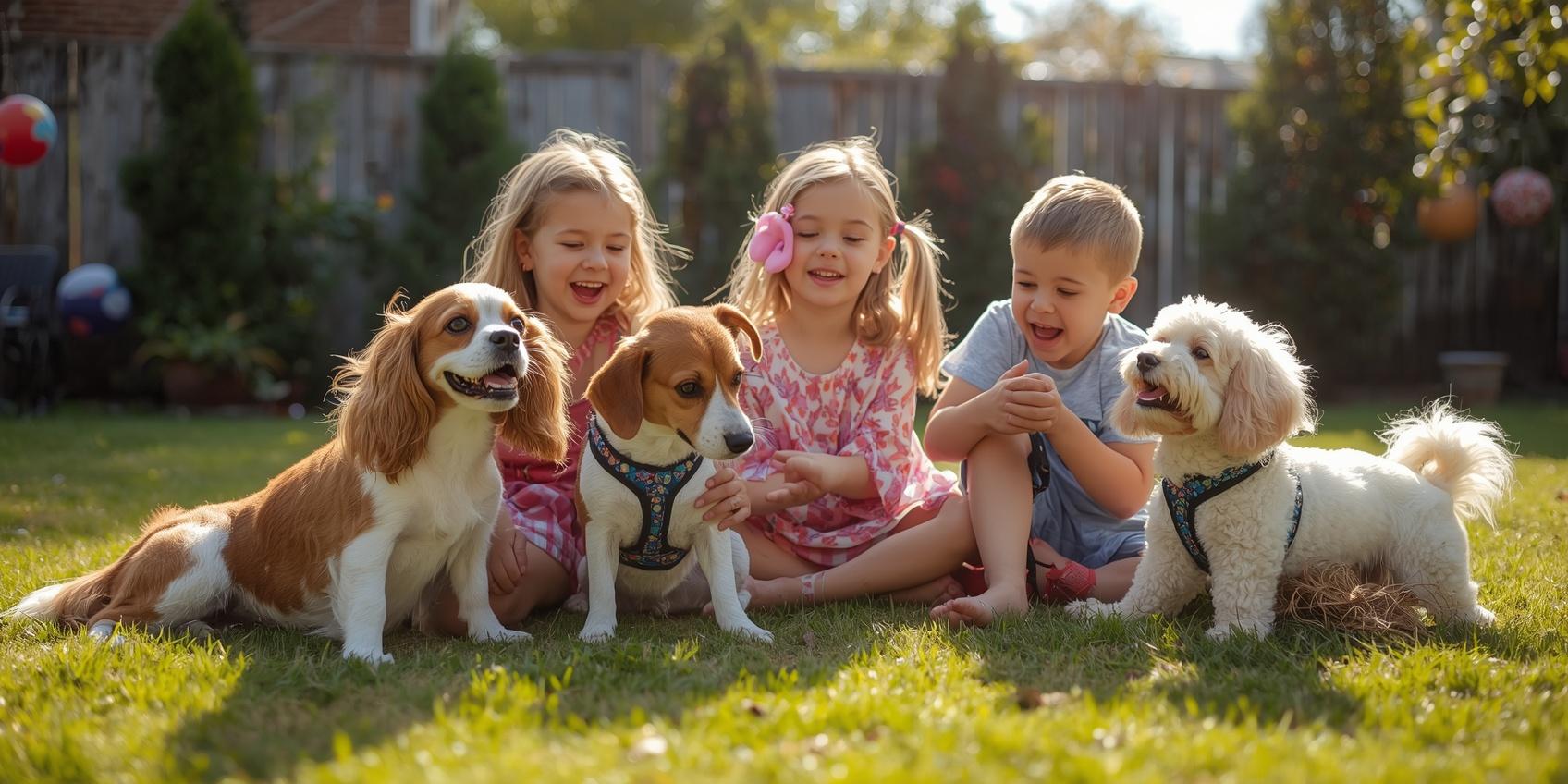
Choosing the perfect dog for your family can feel overwhelming, especially when you want a furry friend who’s great with kids. You want a small dog that’s friendly, gentle, and full of energy to keep up with your little ones.
But which breeds fit the bill? You’ll discover the best small dogs for kids—dogs that bring joy, safety, and endless fun to your home. Keep reading to find the ideal companion your children will love and cherish for years to come.
Top Small Dog Breeds
Small dogs make great companions for kids. They fit well in homes of all sizes. Many small breeds have gentle and playful personalities. They enjoy being part of the family and love attention. Choosing the right breed helps create a happy and safe environment for children.
Labrador Mixes
Labrador mixes often combine the friendly nature of Labs with smaller breeds. These dogs are loyal and eager to please. They enjoy playtime and are patient with kids. Their energy makes them great for active families. Many mixes stay small but keep a strong build.
Beagle
Beagles are curious and full of energy. They have a gentle and friendly attitude toward children. Their size is perfect for small homes or apartments. Beagles love to explore and play outside. They need regular walks and mental stimulation.
Cavalier King Charles Spaniel
This breed is known for its sweet and calm nature. Cavaliers enjoy cuddling and quiet time with kids. They have a soft coat that is nice to pet. Small and sturdy, they handle play well. Cavaliers adapt easily to different living spaces.
Pug
Pugs have charming faces and big personalities. They are playful but also enjoy relaxing with kids. Their small size makes them easy to carry and handle. Pugs are social dogs who like being near family members. They need care for their wrinkles and breathing.
French Bulldog
French Bulldogs are strong yet compact dogs. They have a calm and loving temperament. These dogs get along well with children and other pets. French Bulldogs prefer short walks and lots of rest. Their unique look and friendly nature attract many families.

Traits Ideal For Kids
Choosing the right small dog for kids means focusing on specific traits. These traits help the dog and child form a safe, happy bond. Not all dogs fit well with children. Some traits make a dog better suited for a family with kids. Understanding these traits helps parents pick a pet that fits their home.
Temperament
Temperament is how a dog acts and reacts. Calm and gentle dogs do well with kids. Friendly dogs enjoy playing and being around children. Dogs that are patient can handle loud noises and sudden movements. Shy or aggressive dogs may not be the best choice for kids.
Energy Level
Energy level shows how active a dog is. Kids like dogs that can play and run. Dogs with medium energy keep up with kids without getting tired fast. Very high energy dogs may be too much for young children. Low energy dogs enjoy resting and quiet time, which can also be good.
Size And Weight
Small dogs are easier for kids to handle. Dogs that weigh under 20 pounds are usually safe for young children. Small size reduces the chance of accidental injury. Heavy dogs might knock kids over during play. Choose a dog size that matches your child’s age and strength.
Trainability
Trainability means how fast a dog learns commands and rules. Dogs that learn quickly are easier to manage around kids. Training helps teach dogs to be gentle and calm. Well-trained dogs follow instructions and behave well. Avoid dogs that are hard to train or stubborn.
Health Considerations
Choosing a small dog for kids means thinking about health. Healthy dogs are happy dogs. They enjoy playtime and stay active. Knowing health needs helps families care better for their pets. Small dogs may have unique health concerns. Understanding these helps prevent problems early.
Common Health Issues
Small dogs often face dental problems. Their teeth can decay without good care. Some breeds have breathing difficulties due to short noses. Joint problems like patellar luxation are common. Watch for signs like limping or coughing. Early vet visits catch these issues fast.
Lifespan
Small dogs usually live longer than big dogs. Many live 12 to 16 years. Some breeds can live over 18 years. Lifespan depends on care and genetics. Regular checkups help keep dogs healthy longer. Proper diet and exercise add to their years.
Grooming Needs
Small dogs often need regular grooming. Some have long coats that tangle easily. Brushing prevents mats and skin problems. Bathing keeps their skin clean and fresh. Nail trimming stops discomfort and injury. Grooming also helps spot health issues early.

Credit: hutchpaving.com
Safety Tips For Families
Bringing a small dog into a family with kids means extra care. Safety is the top priority. Teaching kids and dogs how to be around each other helps build a happy home. Clear rules and gentle introductions keep everyone safe. Understanding each other’s signals avoids accidents and fear.
Introducing Dogs To Kids
Start slow and calm. Let the dog sniff the child’s hand first. Keep the dog on a leash at the start. Show kids how to pet gently. Let the dog come closer when it feels safe. Avoid loud noises or sudden moves. Keep the first meetings short and positive. Praise both dog and child for good behavior.
Supervision Guidelines
Always watch young kids and dogs together. Never leave them alone in the same room. Stay close during playtime to stop rough actions. Look for signs of stress like growling or hiding. Step in quickly if the dog looks scared. Teach kids to ask for help if unsure. Regular supervision prevents accidents and builds trust.
Teaching Respectful Interaction
Show kids how to treat dogs kindly. No pulling tails or ears. Teach them to avoid bothering dogs while eating or sleeping. Use calm voices around the dog. Encourage gentle petting and soft touches. Explain that dogs need their space sometimes. Respect makes the bond stronger and safer.
Adoption Vs. Breeder
Choosing a small dog for kids involves deciding between adoption and buying from a breeder. Each choice has unique benefits and challenges. Understanding these can help families find the best fit for their home and lifestyle.
Pros And Cons Of Adoption
Adoption saves dogs from shelters and rescues. Many small dogs in shelters need loving homes. Adopting can be less expensive than buying from a breeder. Shelter dogs are often vaccinated and spayed or neutered.
Some adopted dogs may have unknown health or behavior history. Training might take more time and patience. Shelter dogs might be nervous or shy at first. Many shelters offer support to help new pet owners.
Choosing A Responsible Breeder
A responsible breeder focuses on health and temperament. They provide health records and early socialization for puppies. Breeders can help predict the dog’s size and personality. This choice offers more control over breed traits.
Good breeders screen buyers and avoid overbreeding. They raise puppies in clean, caring environments. Puppies from breeders may cost more than shelter dogs. It is important to visit and ask questions before buying.
Frequently Asked Questions
Which Small Dog Breeds Are Best For Kids?
Small dog breeds like Beagles, Cavalier King Charles Spaniels, and French Bulldogs are great with kids. They are friendly, gentle, and playful, making them ideal family pets. These breeds adapt well to children’s energy levels and require moderate care.
How To Choose A Small Dog For Children?
Choose a small dog based on temperament, energy level, and size. Look for breeds known for patience and sociability with kids. Consider hypoallergenic options if allergies are a concern. Always meet the dog first to ensure compatibility with your child.
Are Small Dogs Safe For Young Children?
Yes, many small dogs are safe for young children when supervised. Teach kids how to handle dogs gently and respectfully. Small dogs can be delicate, so proper interaction prevents accidental injuries to both child and dog.
What Care Do Small Dogs Need With Kids?
Small dogs need regular grooming, exercise, and socialization, especially with kids. Teach children to respect the dog’s space and needs. Consistent training and positive reinforcement help maintain good behavior around children.
Conclusion
Choosing a small dog for kids takes thought and care. Gentle, friendly breeds fit well in family life. These dogs bring joy and teach kids about responsibility. Playtime becomes safe and fun with the right pet. Small dogs need love, training, and patience too.
Pick a dog that matches your family’s style. A happy dog means happy children and home. Enjoy the journey of finding your perfect furry friend. It’s a special bond that grows with time.


