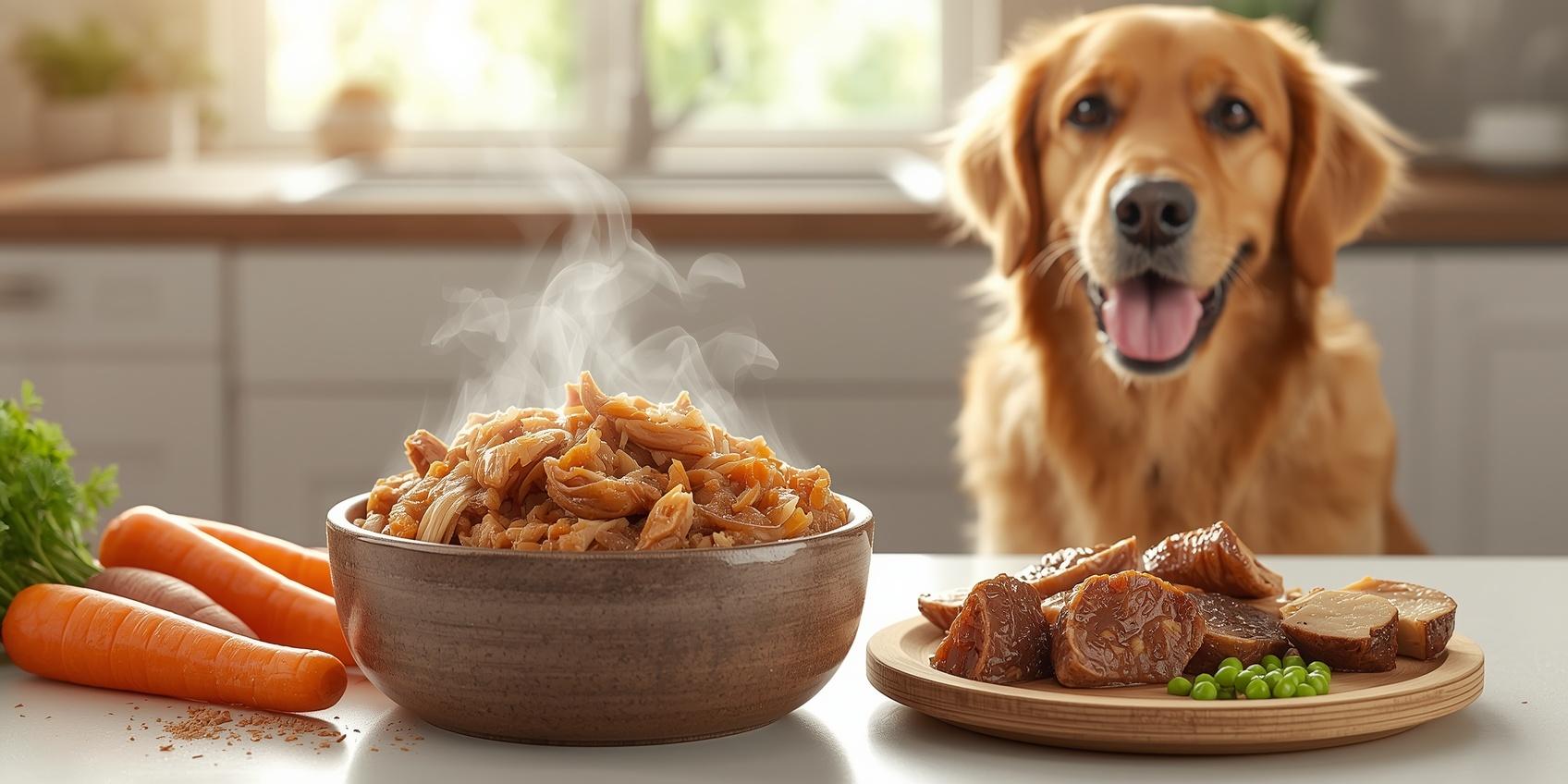
If you want to give your dog a meal that’s healthy, tasty, and made with love, you’re in the right place. Choosing the best homemade wet dog food recipe means you control every ingredient, ensuring your furry friend gets the nutrition they deserve.
Imagine your dog eagerly eating every bite, tail wagging happily, knowing you made it just for them. Keep reading, and you’ll discover a simple, delicious recipe that will make mealtime the highlight of your dog’s day.
Ingredients Needed
Choosing the right ingredients is key for a healthy homemade wet dog food recipe. Each ingredient plays an important role in your dog’s nutrition. Using fresh and natural items helps keep your dog strong and happy. This section lists the main ingredients needed for a balanced meal.
Protein Sources
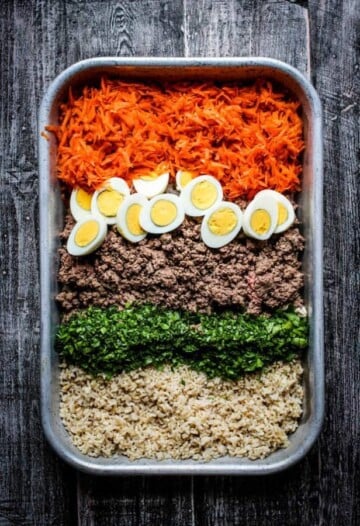
Protein is vital for muscle growth and energy. Use lean meats like chicken, turkey, or beef. Fish like salmon or whitefish adds good fats and protein. Eggs provide essential amino acids. Avoid processed meats or those with added salt.
Vegetables And Fruits
Vegetables add fiber and vitamins. Carrots, peas, and green beans are great choices. Sweet potatoes offer good carbohydrates and fiber. Fruits like apples or blueberries provide antioxidants. Avoid grapes, raisins, onions, and garlic as they are harmful.
Grains And Carbs
Grains give energy and help digestion. Brown rice, oats, or quinoa work well. These grains are easy to digest and nutritious. Avoid wheat or corn if your dog has allergies. Keep grain portions moderate for balanced meals.
Supplements And Additives
Supplements help complete nutrition. Add fish oil for omega-3 fatty acids. Calcium powder supports bone health. Probiotics aid digestion. Use only vet-approved supplements. Avoid artificial preservatives or flavorings.
Credit: hutchpaving.com
Preparation Steps
Making homemade wet dog food is simple and rewarding. Preparing it carefully ensures your dog enjoys a tasty, healthy meal. Follow these clear steps for the best results.
Cooking Proteins
Choose lean meats like chicken, beef, or turkey. Cut the meat into small pieces for easy cooking. Cook the meat thoroughly to kill bacteria. Boil, bake, or lightly pan-fry without oil or seasoning. Let the meat cool before mixing.
Preparing Vegetables
Select dog-safe vegetables like carrots, peas, or green beans. Wash them well to remove dirt and chemicals. Chop vegetables into small, bite-sized pieces. Steam or boil the vegetables until soft. Avoid adding salt, spices, or butter.
Mixing Ingredients
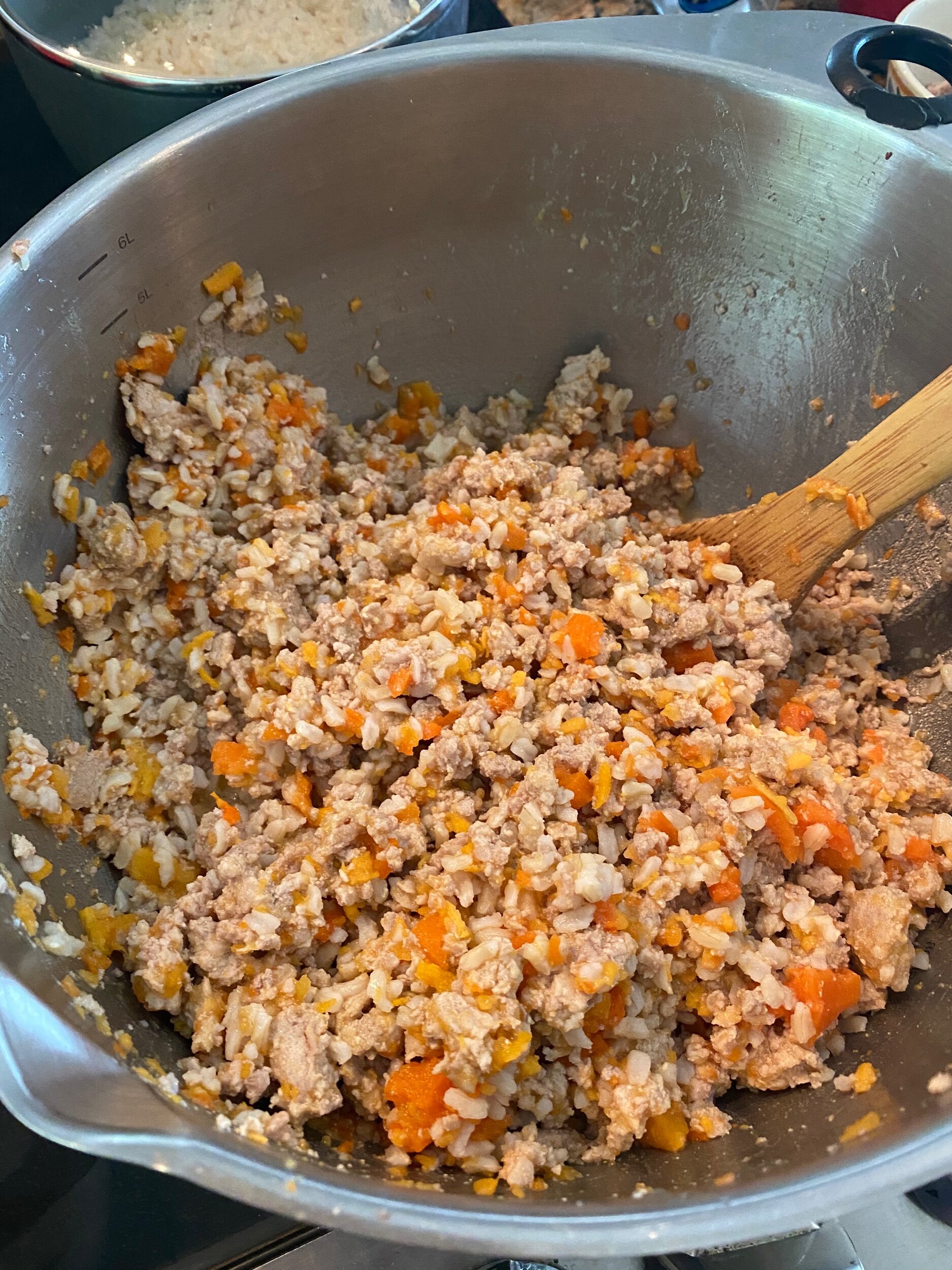
Combine the cooked meat and vegetables in a large bowl. Add a small amount of cooked rice or oats for fiber. Mix everything gently until evenly blended. Make sure the food is cool before serving. Check the texture; it should be soft and moist.
Storing The Food
Place the homemade dog food in airtight containers. Store in the refrigerator for up to three days. For longer storage, freeze in small portions. Thaw frozen food in the fridge before feeding. Always check the smell and look before giving it to your dog.
Nutritional Benefits
Homemade wet dog food offers many nutritional benefits for your pet. It gives control over ingredients and quality. Fresh, natural foods support your dog’s health better than many store-bought options. Feeding homemade meals can improve digestion and energy levels. Dogs enjoy the taste and texture too.
Let’s explore the key nutritional benefits in detail.
Balanced Diet For Dogs
A balanced diet includes proteins, fats, and carbohydrates. Homemade recipes allow precise portioning of each nutrient. This balance supports muscle growth and energy. Fresh vegetables provide fiber for good digestion. No unnecessary fillers or artificial additives. Your dog gets a well-rounded meal every time.
Essential Nutrients
Essential nutrients include vitamins, minerals, and amino acids. Homemade dog food can include fresh meats rich in protein. Vegetables add important vitamins like A, C, and K. Healthy fats come from oils or fish, helping skin and coat health. You control salt and sugar levels to keep meals safe.
Health Improvements
Many dogs show better health with homemade meals. Improved digestion and less allergy symptoms are common. Shiny coats and stronger muscles appear after weeks. Homemade food supports immune system function too. It can help maintain healthy weight and energy. Overall, your dog feels happier and more active.
Safety Tips
Making wet dog food at home can be healthy and tasty for your dog. Safety matters most. Follow these tips to keep your dog safe and well-fed. Good habits prevent illness and allergic reactions. Read on for key safety points.
Avoiding Harmful Ingredients
Some foods are dangerous for dogs. Avoid chocolate, onions, garlic, grapes, and raisins. These can cause sickness or worse. Use only dog-safe ingredients. Check every new ingredient before adding it. Always choose fresh, clean foods without chemicals.
Proper Food Handling
Wash your hands and utensils before cooking. Keep raw meat separate from other foods. Cook meat thoroughly to kill germs. Store homemade food in the fridge for no more than three days. Freeze leftovers to keep them fresh longer. Use clean containers to avoid contamination.
Allergy Considerations
Watch for signs of allergies like itching or upset stomach. Introduce new ingredients slowly and one at a time. If your dog shows any reaction, stop feeding that ingredient. Consult your vet to identify and avoid allergens. Keep a food diary to track what your dog eats.
Customizing Recipes
Customizing homemade wet dog food recipes allows you to meet your dog’s unique needs. Each dog differs in size, taste, and health requirements. Tailoring recipes keeps your dog happy and healthy. It also makes mealtime more exciting and nutritious.
Adjusting For Dog Size
Small dogs need less food than large dogs. Adjust portions based on your dog’s weight and activity level. Use smaller pieces for tiny dogs to help easy chewing. Large dogs may need more protein and calories for energy. Measure ingredients carefully to avoid overfeeding or underfeeding.
Flavor Variations
Try different proteins like chicken, beef, or fish to add variety. Mix in vegetables such as carrots, peas, or sweet potatoes for extra nutrients. Change herbs like parsley or basil for a fresh taste. Watch for any allergies or dislikes your dog shows. Rotate flavors to keep your dog interested in meals.
Incorporating Supplements
Supplements boost your dog’s health and well-being. Add fish oil for shiny coats and healthy skin. Include glucosamine for joint support, especially in older dogs. Use probiotics to aid digestion and gut health. Consult your vet before adding new supplements to the diet.

Credit: mudpuddlesandmotherhood.com
Feeding Guidelines
Feeding your dog homemade wet food needs care and attention. Proper feeding helps keep your dog healthy and happy. Follow simple guidelines for best results. This section covers portion sizes, feeding frequency, and switching from dry food.
Portion Sizes
Portion sizes depend on your dog’s weight, age, and activity. Small dogs need less food than big dogs. Puppies and active dogs need more calories. Use a kitchen scale or measuring cup to serve the right amount. Overfeeding can cause weight gain and health issues. Underfeeding can lead to weakness and poor growth. Check your dog’s body condition often and adjust portions if needed.
Feeding Frequency
Adult dogs usually eat two meals a day. Puppies need three to four smaller meals daily. Splitting food helps digestion and energy levels. Avoid free feeding with homemade wet food. Fresh food can spoil if left out too long. Serve meals at regular times to build a routine. Always provide fresh water alongside meals.
Transitioning From Dry Food
Switch to homemade wet food slowly over 7 to 10 days. Start by mixing 25% wet food with 75% dry food. Gradually increase the wet food amount each day. Watch for any stomach upset or changes in stool. Sudden changes can cause diarrhea or vomiting. A slow transition helps your dog’s digestive system adjust well.
Credit: thismessisours.com
Frequently Asked Questions
What Ingredients Make The Best Homemade Wet Dog Food?
The best homemade wet dog food includes lean protein, vegetables, and healthy fats. Use chicken, carrots, peas, and olive oil. Avoid harmful ingredients like onions and garlic. Balance nutrients for your dog’s health and taste preferences.
How Do I Store Homemade Wet Dog Food Safely?
Store homemade wet dog food in airtight containers. Refrigerate leftovers immediately and use within 3-4 days. For longer storage, freeze portions in meal-sized containers. Always thaw in the fridge before serving to maintain freshness and safety.
Can Homemade Wet Dog Food Meet All Nutritional Needs?
Yes, homemade wet dog food can be complete. Include protein, carbs, fats, vitamins, and minerals. Consult a vet or pet nutritionist to ensure balanced recipes. Supplement with necessary nutrients like calcium if required.
Is Homemade Wet Dog Food Better Than Commercial Options?
Homemade wet dog food offers fresh, customizable ingredients. It often contains fewer preservatives and fillers than commercial options. However, commercial foods are nutritionally balanced and convenient. Choose based on your dog’s needs and your lifestyle.
Conclusion
Homemade wet dog food can keep your pet happy and healthy. You control the ingredients and avoid harmful additives. Cooking at home saves money and shows your care. Your dog will enjoy fresh, tasty meals every day. Try the recipe and watch your dog’s tail wag.
Simple steps lead to great results. Give your dog the best nutrition with this easy recipe. Healthy eating starts in your kitchen. Your furry friend deserves it.