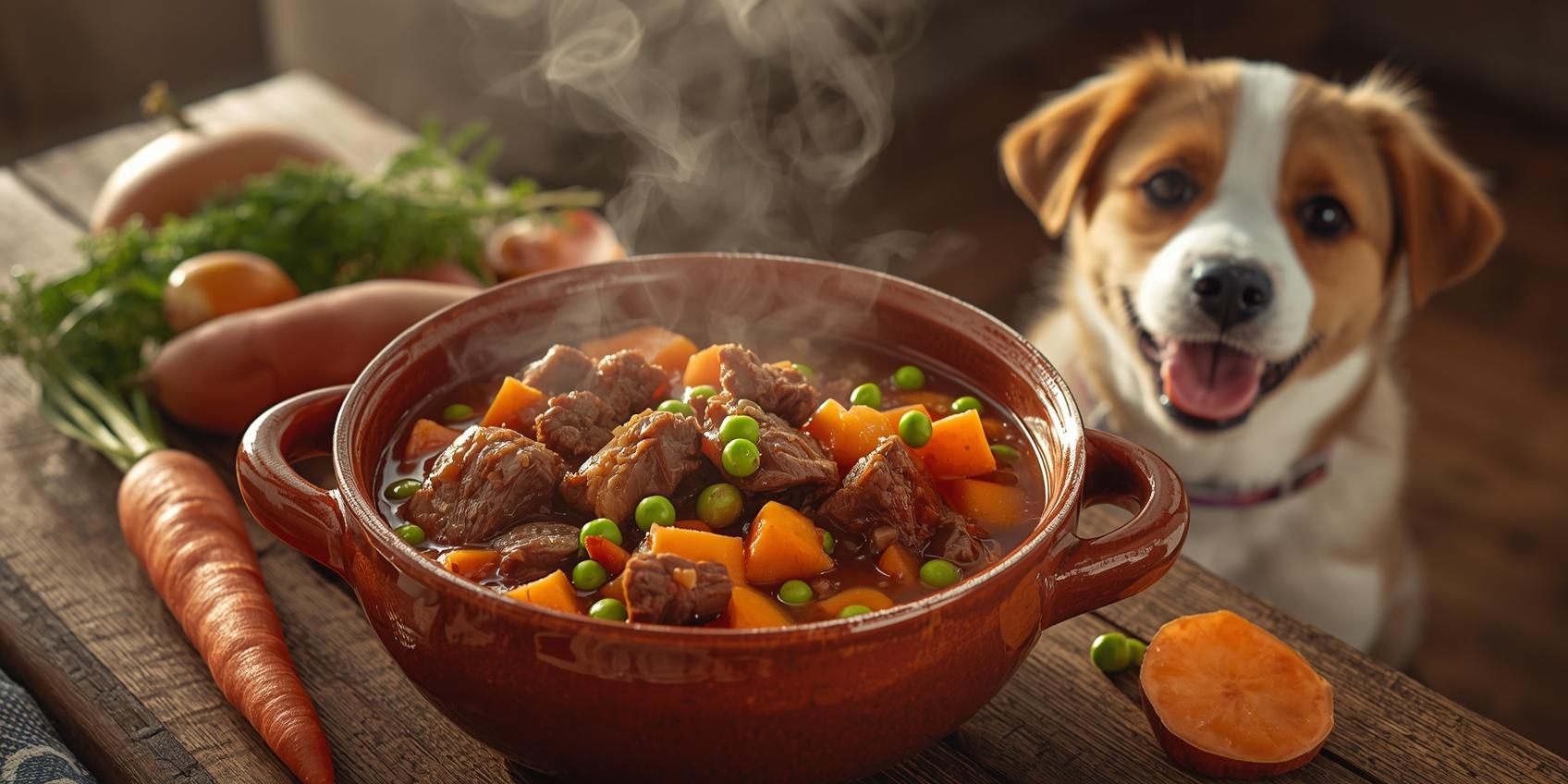
If you want to give your dog a meal that’s both healthy and delicious, homemade beef stew is a great choice. You know how important it is to feed your furry friend something nutritious, but sometimes store-bought dog food just doesn’t cut it.
Imagine serving your dog a warm, hearty stew made with simple ingredients you trust—something that will make their tail wag with joy. You’ll discover an easy recipe for homemade beef stew that’s perfect for your dog’s health and happiness. Keep reading to learn how you can make mealtime special for your best friend.
Credit: lifeatcloverhill.com
Benefits Of Homemade Beef Stew
Homemade beef stew for dogs offers many benefits that improve their health. This meal is fresh and full of good ingredients. It helps dogs get the nutrients they need without extra fillers. Preparing stew at home gives control over what goes into your dog’s bowl.
Feeding your dog homemade beef stew supports better digestion and energy. It also helps avoid harmful substances found in some commercial dog foods. Tailoring the stew to your dog’s needs makes it a healthy choice for every pup.
Nutritional Advantages
Beef stew provides protein, vitamins, and minerals dogs need. Fresh vegetables add fiber and antioxidants. This mix supports strong muscles, healthy skin, and a shiny coat. Balanced nutrition helps dogs stay active and feel good.
Avoiding Harmful Ingredients
Making stew at home removes risks of preservatives and additives. Many store-bought foods contain chemicals that harm dogs over time. Homemade meals have no artificial flavors or colors. This leads to better health and fewer allergies.
Customization For Dietary Needs
Homemade stew can be changed to fit your dog’s diet. Use different vegetables or grains for allergies or sensitivities. Control the fat and salt content easily. This helps dogs with special needs eat safely and happily.
Essential Ingredients
Making homemade beef stew for dogs starts with choosing the right ingredients. The ingredients must be healthy and safe for your dog. Each part plays a role in making the stew tasty and nutritious. This helps keep your dog happy and healthy.
Choosing Quality Beef
Select fresh, lean beef without added salt or spices. Avoid processed meats or those with preservatives. Fresh beef provides protein and important nutrients. Protein supports muscles and overall health in dogs. Cut the beef into small, bite-sized pieces for easy cooking and eating.
Safe Vegetables For Dogs
Pick vegetables that are safe and gentle on your dog’s stomach. Carrots, green beans, and peas are good choices. Avoid onions, garlic, and mushrooms as they can harm dogs. Vegetables add fiber and vitamins to the stew. These help digestion and boost your dog’s immune system.
Adding Healthy Carbohydrates
Include simple carbohydrates like sweet potatoes or brown rice. These provide energy and help keep your dog full. Avoid potatoes with green spots or any raw starches. Cook all carbs well to make them easy to digest. Balanced carbs support your dog’s energy and overall health.

Credit: dschibuti-botschaft.de
Step-by-step Cooking Process
Making homemade beef stew for dogs is simple and rewarding. This step-by-step guide helps you prepare a healthy meal. Follow each stage carefully for the best results. Keep your dog’s health in mind at every step.
Preparing The Beef
Start with fresh, lean beef. Cut the beef into small, bite-sized pieces. Remove any bones or fat. Rinse the beef under cold water. This removes extra blood and keeps the stew clean. Pat the beef dry with a paper towel. This helps the meat cook evenly. Use a non-stick pan or slow cooker for cooking.
Cooking Vegetables Properly
Choose dog-safe vegetables like carrots, peas, and green beans. Wash them thoroughly to remove dirt. Chop the vegetables into small pieces. Cook the vegetables by steaming or boiling. Avoid seasoning or adding salt. Cook until soft but not mushy. Soft vegetables are easier for dogs to digest.
Combining Ingredients Safely
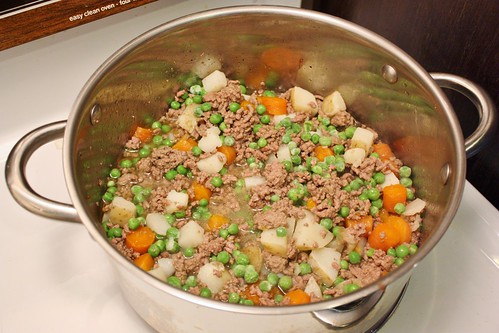
Add the cooked beef and vegetables to a large pot. Pour in enough water or low-sodium broth to cover the ingredients. Cook over low heat for about 30 minutes. Stir occasionally to prevent sticking. Avoid adding onions, garlic, or spices. These can harm dogs. Let the stew cool before serving. Store leftovers in the fridge for up to three days.
Portioning And Storage Tips
Proper portioning and storage keep homemade beef stew fresh and safe for dogs. It helps avoid waste and keeps meals tasty. Knowing the right serving size and how to store leftovers is important for your dog’s health.
Serving Sizes For Different Dogs
Small dogs need smaller portions, about 1/4 to 1/2 cup per meal. Medium dogs can have 1/2 to 1 cup. Large dogs may need 1 to 2 cups. Adjust based on your dog’s weight and activity level. Watch your dog’s appetite and energy to find the right amount.
Storing Leftovers Safely
Cool the stew before storing it in the fridge. Use airtight containers to keep it fresh. Store leftovers for no more than 3 days. Check the stew for bad smell or mold before serving again. Freshness is key to avoid stomach upset.
Freezing And Reheating Guidelines
Freeze leftover stew in small portions for easy thawing. Use freezer-safe containers or bags. Label with the date to track freshness. Thaw in the fridge overnight before serving. Reheat gently to warm, not hot, to protect nutrients and taste.
Precautions And Allergies
Making homemade beef stew for your dog is a great way to provide fresh, healthy food. Still, you must be careful about allergies and possible reactions. Dogs can have food allergies just like people. Some ingredients may cause itching, upset stomach, or worse. Knowing what to avoid and how to watch for problems helps keep your dog safe and happy.
Common Allergens To Avoid
Beef is usually safe, but some dogs react to it. Avoid adding common allergens like dairy, wheat, soy, and corn. Onions and garlic are toxic for dogs and must never be used. Also, some dogs do not tolerate eggs or certain vegetables. Keep the stew simple with safe ingredients like carrots, peas, and rice.
Monitoring Your Dog’s Reaction
Watch your dog closely after feeding the stew. Look for signs like scratching, redness, or swelling. Digestive issues such as vomiting or diarrhea are also warning signs. Keep a food diary to track what your dog eats and how they respond. Stop feeding the stew if you see any problems.
Consulting With A Veterinarian
Talk to your vet before changing your dog’s diet. Share the recipe and ingredients you plan to use. The vet can help spot possible allergens and suggest safer options. They might recommend allergy tests if your dog has had reactions before. Regular checkups keep your dog healthy and safe on homemade meals.

Credit: lifeatcloverhill.com
Frequently Asked Questions
What Ingredients Are Safe In Homemade Beef Stew For Dogs?
Safe ingredients include lean beef, carrots, green beans, peas, and sweet potatoes. Avoid onions, garlic, and excessive salt. Use low-sodium broth to keep it healthy and dog-friendly. Always ensure all ingredients are fresh and cooked thoroughly before serving.
How Often Can I Feed Beef Stew To My Dog?
Feed homemade beef stew as an occasional meal, not daily. Once or twice a week is ideal. Balance it with your dog’s regular diet to avoid nutritional imbalances. Consult your vet for personalized feeding frequency.
Can Homemade Beef Stew Help With My Dog’s Digestion?
Yes, homemade beef stew with vegetables aids digestion. It provides fiber, vitamins, and moisture, promoting a healthy gut. Avoid fatty cuts to prevent stomach upset. Always introduce new foods gradually to monitor your dog’s tolerance.
Is Homemade Beef Stew Nutritionally Balanced For Dogs?
Homemade beef stew is nutritious but may lack some nutrients. Add supplements or combine with complete dog food for a balanced diet. Consult your vet to ensure your dog’s specific nutritional needs are met.
Conclusion
Homemade beef stew gives your dog a tasty, healthy meal. You control the ingredients and avoid harmful additives. Cooking at home lets you add fresh vegetables and meat. Your dog will enjoy a warm, comforting dish. Try this recipe to see your dog’s happy tail wag.
Simple meals like this help keep pets strong and full of energy. Give your furry friend a special treat today. Good food means a happy dog.