When it comes to your pet’s health and happiness, what you feed them matters more than you might think. Choosing the right pet food and treats isn’t just about filling their bowl—it’s about giving your furry friend the nutrients they need to thrive.
You want to make sure every bite supports their energy, mood, and overall well-being. You’ll discover how to pick the best options that suit your pet’s unique needs and preferences. Keep reading to find out how simple changes in their diet can make a big difference in their life—and yours.

Credit: www.businessinsider.com
Types Of Pet Food
Choosing the right pet food is important for your pet’s health. Pets need different types of food for energy and growth. Each type offers unique benefits. Understanding these types helps you pick the best food for your pet.
Dry Food Options
Dry food is popular and easy to store. It has low moisture and a crunchy texture. This type helps clean your pet’s teeth. Dry food lasts longer once opened. It is usually less expensive than other types.
Wet Food Varieties
Wet food contains more water and has a soft texture. It is good for pets who need more hydration. Many pets find wet food tastier. It usually has a stronger smell and flavor. Wet food can be more expensive and spoils faster.
Raw Diets
Raw diets include uncooked meat, bones, and organs. Some pet owners believe raw food is closer to natural diets. It may improve coat shine and energy levels. Raw diets need careful handling to avoid bacteria. Consult a vet before starting raw feeding.
Homemade Meals
Homemade meals let you control ingredients and quality. You can tailor meals to your pet’s needs. Cooking at home ensures no fillers or preservatives. It takes more time and effort to prepare. Always check recipes for balanced nutrition.
Ingredients To Look For
Choosing the right ingredients in pet food and treats is very important. Healthy ingredients help pets stay strong and happy. Knowing what to check can make a big difference. This guide explains key ingredients to find in pet food and treats.
Proteins And Meat Sources
Protein is the main building block for your pet’s body. Look for real meat like chicken, beef, or fish listed first. Meat meals and animal by-products can be okay if clearly named. Avoid vague terms like “meat” or “poultry” without details. High-quality protein helps muscles, skin, and fur stay healthy.
Grains And Carbohydrates
Carbohydrates give pets energy for daily activities. Good sources include rice, oats, and barley. Some pets do better with grain-free options using sweet potatoes or peas. Avoid too many fillers like corn or wheat, which offer less nutrition. Balanced carbs support digestion and energy levels.
Vitamins And Minerals
Vitamins and minerals support the immune system and overall health. Look for named nutrients like vitamin E, zinc, and calcium. These help bones, teeth, and skin stay strong. Proper vitamin and mineral levels prevent health problems and keep pets active.
Additives And Preservatives
Avoid artificial colors, flavors, and harmful preservatives. Natural preservatives like vitamin C and E are safer choices. Additives should not cause allergies or upset stomachs. Clean labels with fewer additives mean better food quality for pets.
Choosing Treats
Choosing the right treats for your pet is important for their health and happiness. Treats can reward good behavior, support training, and improve dental care. Picking safe, healthy options helps your pet stay strong and active.
Healthy Treat Alternatives
Fresh fruits and vegetables make great healthy treats. Carrots, blueberries, and apple slices are tasty and low in calories. Avoid sugary or salty snacks that harm your pet. Natural treats with fewer additives keep pets feeling good.
Treats For Training
Small, soft treats work best for training. They are easy to chew and swallow quickly. Use treats that your pet loves to keep them motivated. Training treats should be low in calories to avoid weight gain.
Dental Health Treats
Dental treats help clean teeth and freshen breath. Look for treats with ingredients that reduce plaque and tartar. Crunchy textures also help remove food stuck in teeth. Healthy teeth lead to better overall health.
Homemade Treat Recipes
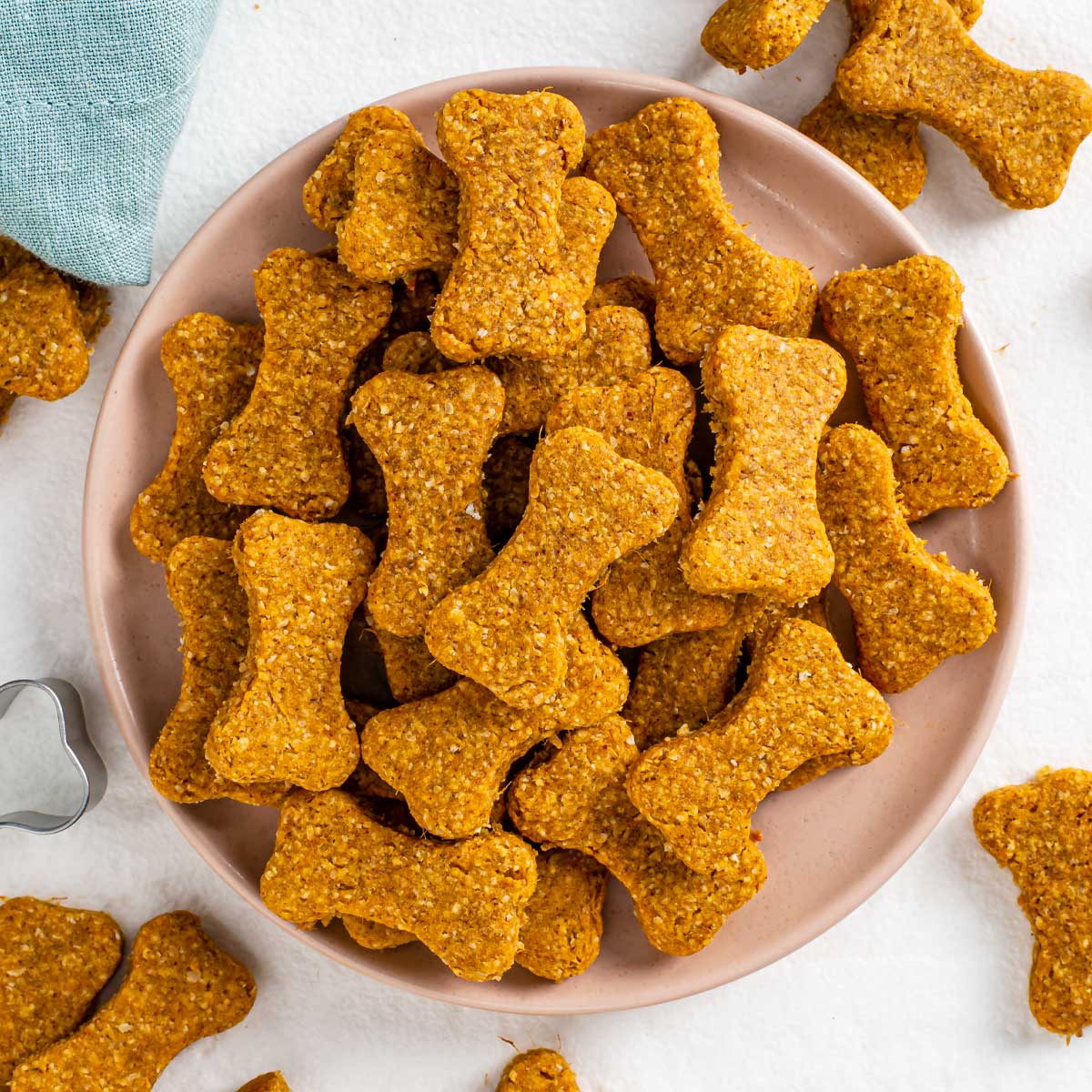
Making treats at home lets you control ingredients. Simple recipes use peanut butter, pumpkin, or oats. Baking treats ensures no harmful preservatives are added. Homemade treats can be fresh, safe, and fun to give.
Credit: tastythriftytimely.com
Special Dietary Needs
Pets with special dietary needs require careful food choices. Their health depends on the right nutrients. Feeding them suitable food helps avoid health issues and keeps them happy. Different pets need different diets based on their condition and lifestyle.
Allergies And Sensitivities
Some pets have food allergies or sensitivities. Common allergens include beef, dairy, and wheat. Symptoms may show as itching, vomiting, or diarrhea. Special hypoallergenic foods reduce these reactions. These foods use alternative protein sources like fish or lamb.
Weight Management Foods
Obesity affects many pets today. Foods designed for weight control have fewer calories. They contain more fiber to keep pets full longer. Proper portion sizes matter as much as the food type. Weight management helps pets live longer and stay active.
Age-specific Nutrition
Nutrition needs change with age. Puppies and kittens need more protein and fat. Adult pets require balanced nutrients for energy and health. Senior pets benefit from foods that support joints and digestion. Age-specific diets support growth, maintenance, and aging healthily.
Medical Condition Diets
Certain health issues require special diets. Kidney disease needs low-protein, low-phosphorus foods. Diabetes diets help control blood sugar levels. Pets with heart problems need low-sodium foods. Prescription diets help manage these medical conditions effectively.
Reading Pet Food Labels
Reading pet food labels helps you choose the best food for your pet. Labels show important details about ingredients and nutrients. Understanding these details keeps pets healthy and happy. It also helps avoid foods with harmful additives.
Understanding Nutritional Information
Check the guaranteed analysis on the label. It shows protein, fat, fiber, and moisture levels. Protein is important for muscle health. Fat gives energy and supports skin. Fiber helps digestion. Moisture shows how much water is in the food. Look for balanced nutrients that suit your pet’s age and activity.
Recognizing Marketing Terms
Words like “natural,” “premium,” or “organic” often appear on labels. These terms can be confusing. “Natural” means no artificial colors or flavors. “Organic” means ingredients are grown without chemicals. “Premium” is a marketing word with no strict rules. Always check the ingredients list, not just the marketing words.
Expiration Dates And Storage
Expiration dates matter for safety and freshness. Old food loses nutrients and may spoil. Store pet food in a cool, dry place. Keep bags sealed tightly to avoid moisture and pests. Proper storage keeps food fresh longer and protects your pet’s health.
Credit: evangersdogfood.com
Trends In Pet Food
Pet food is changing fast. Pet owners want healthier and safer options for their pets. New trends are shaping what goes into pet bowls. These trends focus on health, environment, and special diets. Pets get better food that meets their unique needs.
Organic And Natural Options
More pet owners choose organic and natural pet food. These foods have no artificial colors or flavors. They use ingredients grown without pesticides. Pets eat cleaner and safer meals. Natural options support pets’ health and digestion.
Sustainable And Eco-friendly Choices
People care about the planet and pets at the same time. Sustainable pet food uses less water and energy. Some use insects or plant proteins instead of meat. Packaging is often recyclable or biodegradable. These choices help reduce waste and pollution.
Grain-free And Limited Ingredient Diets
Some pets have allergies or sensitive stomachs. Grain-free food avoids corn, wheat, and soy. Limited ingredient diets use few ingredients to reduce risks. These diets make it easier to spot allergies. Pets feel better and have fewer health issues.
Frequently Asked Questions
What Are The Best Ingredients In Pet Food And Treats?
High-quality protein, whole grains, and natural vitamins are best. Avoid artificial colors and preservatives. Look for balanced nutrition tailored to your pet’s needs.
How To Choose Healthy Treats For My Pet?
Select treats with natural ingredients and low calories. Avoid excessive sugars and fillers. Treat size should match your pet’s breed and age for safety.
Can Homemade Pet Food And Treats Be Safe?
Yes, homemade food can be safe if balanced and fresh. Consult a vet for proper recipes. Avoid toxic ingredients like onions and chocolate.
How Often Should I Give Treats To My Pet?
Treats should be occasional, not daily. Limit treats to 10% of daily calorie intake. Overfeeding treats can cause obesity and health issues.
Conclusion
Choosing the right pet food and treats helps keep pets healthy and happy. Healthy food supports energy, growth, and strong immunity. Treats can reward good behavior and create bonding moments. Always check ingredients to avoid harmful additives. Balance meals with treats to prevent weight gain.
Remember, pets need variety and proper nutrition every day. Simple choices make a big difference in your pet’s life. Care and attention show love in every bite. Keep your pet’s needs in mind for a joyful, healthy life together.