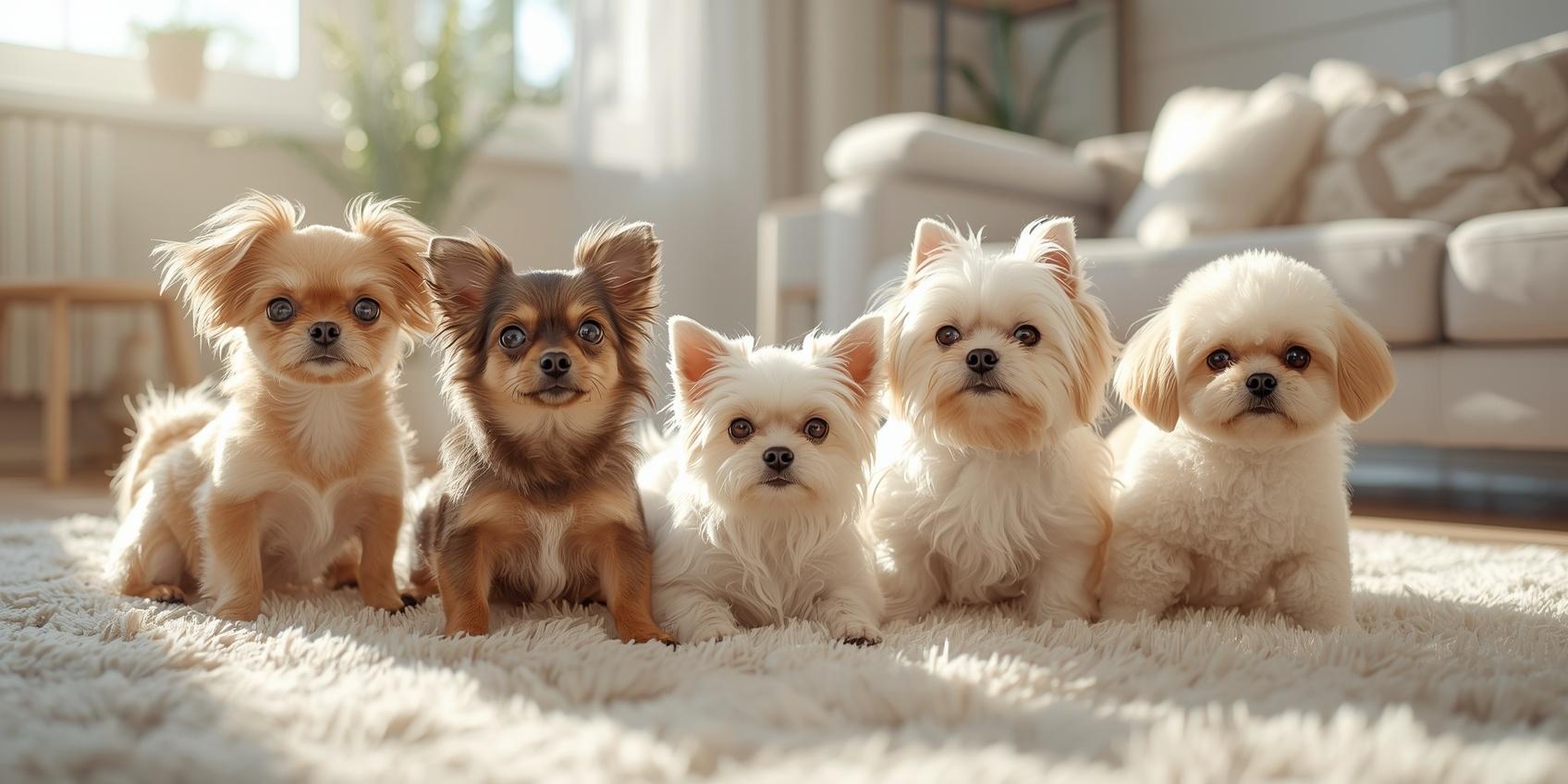
Are you looking for a furry friend that fits perfectly in your lap, your purse, or even your tiny apartment? Tiny dogs that stay small might be exactly what you need.
These pint-sized pups bring big hearts and endless charm without growing too big to handle. If you want a dog that’s easy to carry, easy to care for, and full of personality, keep reading. You’ll discover the best small dog breeds that stay small, plus tips to help you find the perfect little companion for your lifestyle.

Credit: hutchpaving.com
Popular Small Dog Breeds
Small dog breeds are loved for their size and big personalities. They fit well in apartments and small homes. Many tiny dogs stay small throughout their lives. They need less space but still offer lots of love and fun.
Chihuahua
The Chihuahua is one of the smallest dog breeds. It weighs around 2 to 6 pounds. Chihuahuas are brave and alert. They form strong bonds with their owners. Their small size makes them easy to carry everywhere.
Pomeranian
Pomeranians are fluffy and full of energy. They weigh about 3 to 7 pounds. These dogs are curious and playful. Their thick coat needs regular brushing. Pomeranians enjoy attention and love to be part of the family.
Yorkshire Terrier
Yorkshire Terriers, or Yorkies, are small but bold dogs. They weigh 4 to 7 pounds. Yorkies have silky fur that needs care. They are smart and loyal. These dogs enjoy playing and being close to their owners.
Maltese
The Maltese is a gentle and friendly breed. It usually weighs under 7 pounds. Maltese dogs have long, white hair. They are good with kids and other pets. Their calm nature makes them great companions.
Credit: www.belleforestanimalhospital.com
Health Benefits Of Small Dogs
Small dogs offer many health benefits for their owners. Their size makes caring easier and less stressful. These dogs often live longer and fit well in busy homes.
Small dogs need less exercise. They are easier to groom. These factors help keep both dog and owner happy and healthy.
Longer Lifespan
Small dogs usually live longer than large breeds. Their bodies face less strain over time. This means fewer health problems as they age. Owners can enjoy many years with their tiny pets.
Lower Exercise Needs
Small dogs require less physical activity daily. Short walks or playtime inside can be enough. This suits people with limited time or space. It also reduces the risk of over-exertion for the dog.
Easier Grooming
Grooming small dogs takes less time and effort. Their coats are easier to manage and clean. Bathing and brushing fit well into daily routines. This keeps dogs comfortable and looking good.
Living With Tiny Dogs
Living with tiny dogs offers a unique and joyful experience. Their small size makes daily care easier for many owners. These little companions fit well in various homes and lifestyles. Understanding how to live with them helps create a happy environment for both owner and pet.
These dogs bring warmth and fun. Their gentle nature suits quiet spaces. They need care that matches their size and energy. Let’s explore how tiny dogs adapt to life at home and beyond.
Apartment Friendly
Tiny dogs are perfect for apartment living. They need less space to move and play. Noise levels are usually low with them. They do not require large yards or fields. Small areas still allow them to stay active. Owners must provide regular walks and indoor playtime. This keeps them healthy and happy. Their size makes them easy to manage indoors. Apartment life can be cozy and safe for these pets.
Travel Considerations
Tiny dogs travel well on cars and planes. Their small size fits easily into carriers. This makes trips less stressful for pets and owners. Carrying them is simple during walks or public transport. Always bring water and snacks for short stops. Check pet policies at hotels and airlines first. Protect them from cold or heat during travel. Planning helps tiny dogs stay calm and secure.
Training Tips
Training tiny dogs requires patience and gentle methods. Use small treats to reward good behavior. Short training sessions keep their attention. Consistency is key in teaching commands. Positive reinforcement builds trust and confidence. Avoid harsh corrections that can scare them. Socialize them early to reduce anxiety. Training helps tiny dogs become well-mannered companions.
Feeding And Nutrition
Feeding and nutrition are key to keeping tiny dogs healthy and happy. Small dogs have fast metabolisms and need the right food amounts. Overfeeding can cause weight gain and health problems. Underfeeding can lead to weakness and lack of energy.
Understanding their special diet needs helps maintain their size and strength. Quality food and proper portions support their active lifestyle. Careful feeding keeps them playful and full of life.
Portion Control
Small dogs need small, frequent meals. Large portions can lead to obesity quickly. Use a measuring cup for accuracy. Feeding twice or thrice daily works well. Watch their weight and adjust portions as needed. Avoid free feeding to prevent overeating.
Suitable Diets
Choose food made for small breeds. These have the right nutrient balance and size. High protein supports muscle and energy. Healthy fats keep their coat shiny. Avoid fillers like corn and soy. Fresh water should always be available.
Common Dietary Issues
Small dogs may face allergies or sensitivities. Watch for itching, upset stomach, or diarrhea. Some dogs need grain-free or limited ingredient diets. Dental problems are common; dry food helps clean teeth. Consult a vet if problems persist. Early care prevents bigger issues later.
Common Health Issues
Tiny dogs bring joy with their small size and big hearts. Their small bodies can face some health problems. Knowing these common health issues helps owners give better care. Watch for signs and keep regular vet visits.
Some health issues are more common in small dog breeds. Early detection can make a big difference. Learn about dental problems, joint issues, and breathing troubles that tiny dogs may face.
Dental Problems
Small dogs often have crowded teeth. This can cause plaque buildup and gum disease. Regular teeth cleaning is important. Watch for bad breath, red gums, or trouble eating. Dental care keeps your dog healthy and pain-free.
Patellar Luxation
This joint problem happens when the knee cap slips out of place. It causes limping or skipping steps. Tiny dogs are prone to this condition. Gentle exercise and vet care help manage symptoms. Severe cases might need surgery.
Tracheal Collapse
The windpipe can weaken and collapse in small dogs. It causes coughing, difficulty breathing, or gagging. Avoid pulling on your dog’s neck with tight collars. Use a harness and keep your dog at a healthy weight to reduce risk.
Choosing The Right Tiny Dog
Choosing the right tiny dog takes careful thought. Small dogs can have big personalities. Their size makes them easy to care for in small spaces. But not all tiny dogs are the same. Their behavior and needs vary a lot. Picking a dog that fits your lifestyle is key. Consider how the dog acts, how active it is, and if it suits your family. This helps you enjoy your pet and keeps the dog happy.
Temperament
Temperament means how a dog behaves and feels. Some tiny dogs are calm and gentle. Others are lively and curious. Think about what kind of personality fits you. Calm dogs suit quiet homes. Energetic dogs need playtime and attention. Watch out for shy or nervous dogs if you want a confident pet. A good temperament match makes life easier for both of you.
Activity Level
Activity level means how much exercise a dog needs. Some tiny dogs like short walks and naps. Others need lots of running and games. Choose a dog that matches your daily routine. If you are active, pick a playful dog. For a relaxed life, a low-energy dog is best. This keeps your dog healthy and happy.
Compatibility With Kids
Not all tiny dogs are good with children. Some dogs get scared or nervous around kids. Others enjoy playing and cuddling with children. Think about your family before choosing a dog. A friendly and patient dog is safer for kids. Teach children how to treat small dogs gently. This helps build a strong and happy bond.

Credit: www.brookhavenanimalhosp.com
Frequently Asked Questions
What Are The Most Popular Tiny Dog Breeds?
Popular tiny dog breeds include Chihuahuas, Pomeranians, and Yorkshire Terriers. These breeds usually weigh under 7 pounds. They are perfect for small living spaces and easy to carry. Their small size does not affect their lively personalities.
How Do Tiny Dogs Stay Healthy And Active?
Tiny dogs need a balanced diet suitable for small breeds. Regular exercise like short walks or playtime keeps them fit. Routine vet check-ups ensure early detection of health issues. Proper grooming maintains their coat and skin health.
Are Tiny Dogs Good For Apartment Living?
Yes, tiny dogs adapt well to apartment life. Their small size requires less space and exercise. They are quieter and easier to manage indoors. Consistent training helps them adjust to close living quarters.
What Are Common Health Issues In Tiny Dogs?
Tiny dogs are prone to dental problems, hypoglycemia, and joint issues. Regular vet visits and proper care minimize risks. Feeding appropriate food and avoiding over-exertion improve their longevity. Awareness of breed-specific problems is essential.
Conclusion
Tiny dogs that stay small bring joy to many homes. They need love, care, and regular exercise. These little pets fit well in apartments or small spaces. Their small size means less food and easier handling. Choosing the right tiny dog depends on your lifestyle and needs.
Small dogs can have big personalities and lots of energy. They make great companions for both adults and kids. Caring for a tiny dog is simple with the right knowledge. Enjoy the happiness these small dogs bring every day.