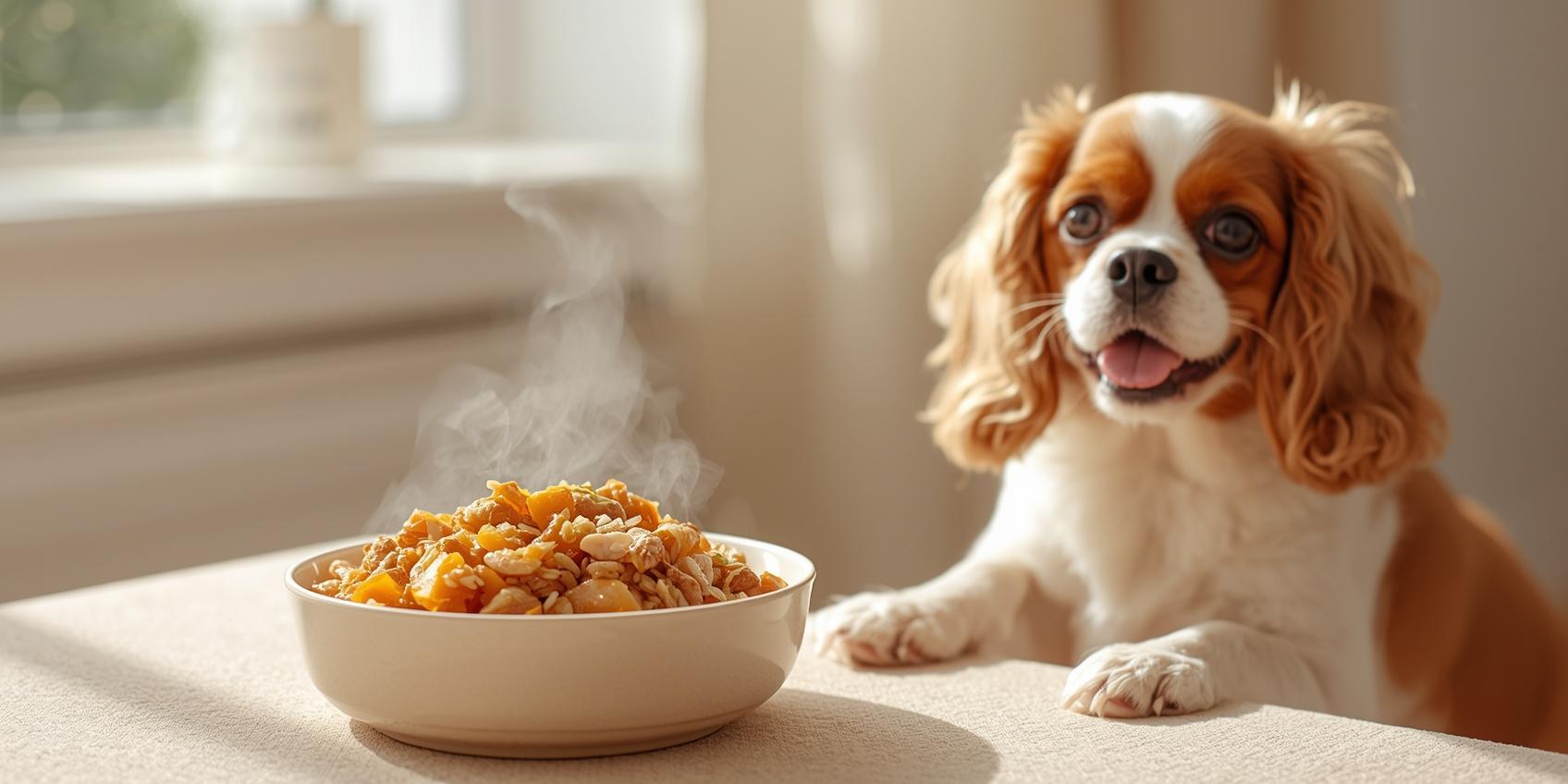
If you want to give your dog a meal that’s both healthy and delicious, making homemade soft dog food recipe is a great choice. You know your furry friend deserves the best, and preparing food at home lets you control exactly what goes into their bowl.
Soft dog food is easy for dogs to eat and digest, especially for puppies, seniors, or dogs with dental issues. You’ll find a simple recipe that uses everyday ingredients to keep your dog happy and well-nourished. Keep reading, and you’ll discover how easy it is to make a tasty meal your dog will love!
Benefits Of Soft Dog Food
Soft dog food offers many benefits for your pet’s health and happiness. It is easy to eat and digest. Many dogs find it tastier than dry kibble. Soft food can improve hydration since it contains more moisture. This helps dogs stay healthy and active.
Homemade soft dog food lets you control ingredients. You can avoid harmful additives and fillers. This helps dogs with allergies or sensitive stomachs. Fresh ingredients provide better nutrition. Your dog gets vitamins and minerals from real food.
Improved Digestion And Nutrient Absorption
Soft food breaks down easily in the stomach. This reduces digestive stress. Nutrients absorb faster and better. Dogs with weak digestion benefit the most. It can prevent constipation and stomach discomfort.
Better Hydration For Healthier Skin And Coat
Soft dog food contains more water than dry food. This keeps dogs hydrated throughout the day. Proper hydration supports healthy skin and shiny fur. It lowers risks of urinary tract problems too.
Ideal For Older Dogs And Puppies
Soft food is gentle on teeth and gums. Older dogs with dental issues can eat comfortably. Puppies find it easier to chew and swallow. This supports their growth and development.
Encourages Picky Eaters To Enjoy Meals
Soft food often smells stronger and tastes better. This attracts picky dogs to eat more. It helps maintain a healthy weight and energy level. Feeding time becomes less stressful for owners and pets.
Essential Ingredients
Creating soft homemade dog food starts with choosing the right ingredients. Each component plays a key role in your dog’s health and happiness. Balanced meals help keep your dog strong and full of energy.
Proteins For Dogs
Proteins build muscles and support body functions. Good sources include chicken, turkey, beef, and fish. Cook the meat thoroughly to avoid bacteria. Eggs are also an excellent protein option. Avoid processed meats or those with added spices.
Healthy Carbohydrates
Carbohydrates give dogs energy for their daily activities. Rice, sweet potatoes, and oats work well in soft dog food. Cook these ingredients until soft for easy digestion. Avoid adding salt or sugar to keep it healthy.
Vegetables And Fruits
Vegetables add vitamins and fiber to your dog’s diet. Carrots, peas, and green beans are safe and nutritious. Apples and blueberries offer natural antioxidants. Remove seeds and cores from fruits before feeding.
Supplements And Additives
Supplements help meet nutritional needs dogs may miss. Fish oil provides omega-3 fatty acids for a shiny coat. Calcium supports strong bones and teeth. Use supplements in small amounts and follow vet advice.
Step-by-step Cooking Process
The step-by-step cooking process makes homemade soft dog food simple and clear. Follow each step carefully for the best results. This guide helps you prepare fresh, healthy meals for your dog. It covers everything from ingredient prep to final mixing.
Preparing Ingredients
Start by gathering fresh ingredients. Use lean meats like chicken or beef. Include vegetables such as carrots and peas. Wash all vegetables well. Cut meat into small, even pieces. Prepare grains like rice or oats as needed. Keep everything ready before cooking.
Cooking Techniques
Cook meat thoroughly to remove all bacteria. Boil or steam vegetables to keep nutrients. Avoid frying or using oil. Cook grains until soft and fully done. Use low heat for gentle cooking. Stir occasionally to avoid sticking. Let ingredients cool before mixing.
Blending And Mixing
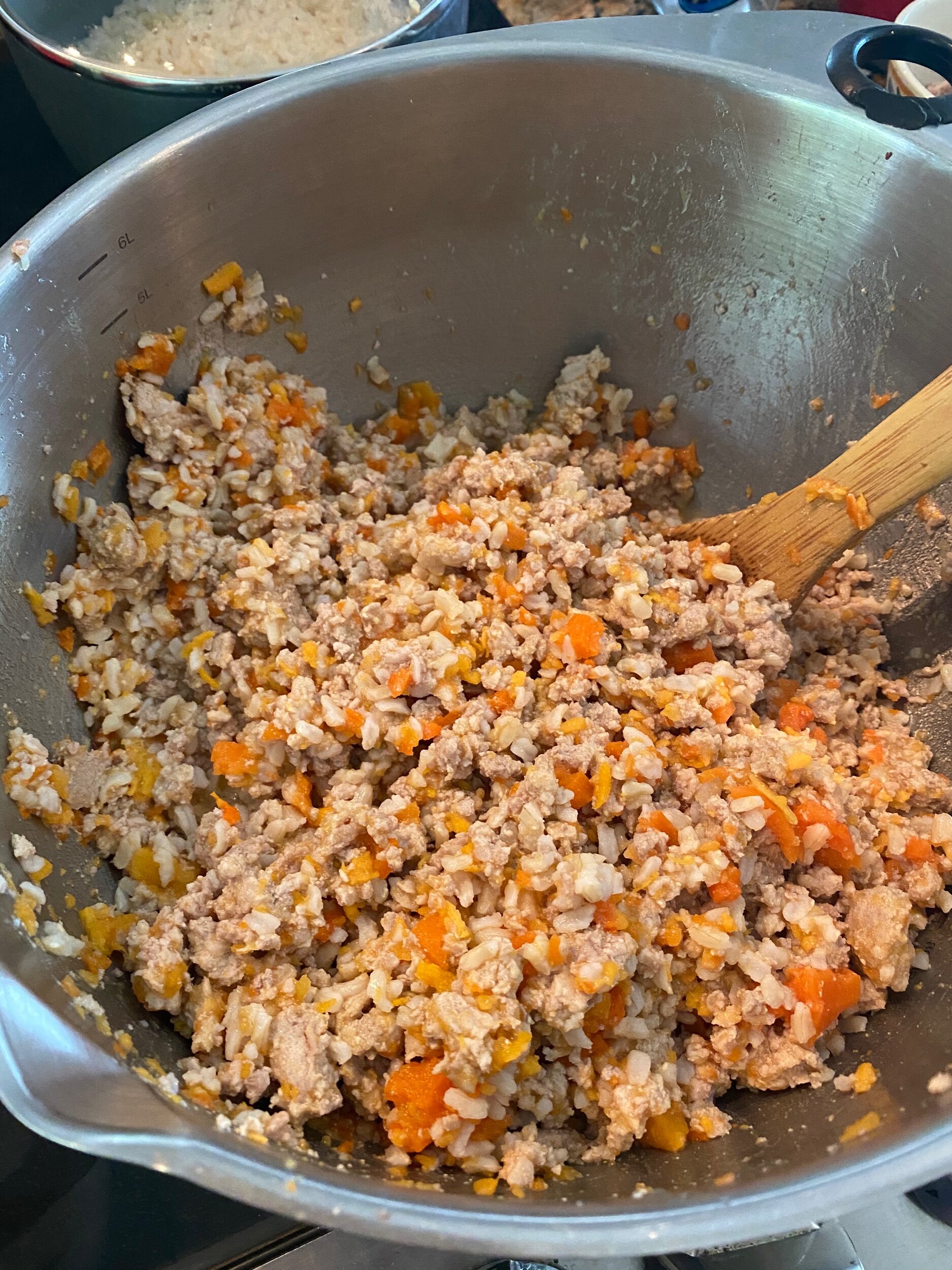
Place cooked ingredients in a blender or food processor. Blend until the food reaches a soft texture. Add water or broth for easier blending. Mix well to combine all flavors. Check the consistency; it should be smooth but not too runny. Serve in small portions or store in the fridge.

Credit: mudpuddlesandmotherhood.com
Storage And Shelf Life
Storing homemade soft dog food properly keeps it fresh and safe for your pet. Knowing the right storage methods prevents spoilage and waste. It also helps keep the food tasty and nutritious for your dog.
Refrigeration Tips
Store the dog food in an airtight container to stop air and moisture. Keep the container in the coldest part of the fridge, not the door. Use the food within three to four days to ensure freshness. Always check for bad smells or mold before feeding. Cool the food to room temperature before serving to your dog.
Freezing Guidelines
Divide the dog food into small portions before freezing. Use freezer-safe containers or bags to avoid freezer burn. Label each portion with the date to track storage time. Frozen dog food lasts up to three months without losing quality. Thaw the food in the fridge overnight before use. Do not refreeze thawed dog food to keep it safe.
Feeding Tips And Portion Control
Feeding your dog homemade soft food needs care and attention. Proper portion control keeps your dog healthy and happy. Too much food can cause weight gain. Too little food may lead to nutrient gaps.
Understanding the right amount helps maintain your dog’s ideal weight. Feeding tips also improve digestion and energy levels. Consistency in feeding time and portions supports good habits.
Calculate The Right Portion Size
Start by knowing your dog’s weight and activity level. Use these to find daily calorie needs. Divide the calories into two or three meals. Weigh the food to match calorie count. Avoid guessing portions to prevent overfeeding.
Feed Balanced Meals
Ensure each meal has protein, carbs, and fats. Vegetables add fiber and vitamins. Avoid too many treats or human food. Balanced meals support your dog’s growth and energy.
Watch For Hunger And Fullness Signs
Dogs show hunger by looking for food or whining. Fullness means walking away or ignoring food. Adjust portions if your dog leaves food often. Pay attention to your dog’s weight and energy.
Keep Feeding Times Consistent
Feed your dog at the same times daily. This creates a routine and reduces begging. Regular schedules help digestion and prevent overeating.

Credit: www.allrecipes.com
Common Mistakes To Avoid
Making homemade soft dog food can be rewarding and healthy for your pet. Avoiding common mistakes helps keep your dog safe and happy. Simple errors can cause nutrition problems or digestive issues.
Focus on balance and safety. Use fresh ingredients and proper cooking methods. Watch portion sizes and storage. These small steps improve your dog’s meal quality.
Incorrect Ingredient Choices
Some foods are toxic to dogs. Avoid onions, garlic, grapes, and chocolate. Use dog-safe vegetables and meats. Fresh, plain ingredients work best.
Skipping Nutritional Balance
Dogs need protein, fats, and carbs. Missing one can cause health problems. Include meats, grains, and vegetables. Consult a vet for proper ratios.
Overcooking Or Undercooking Food
Overcooked food loses nutrients. Undercooked meat risks bacteria. Cook ingredients just right. Soft but fully cooked is ideal.
Not Adjusting Portions
Too much food causes weight gain. Too little leads to hunger and weakness. Measure meals based on your dog’s size and activity.
Poor Food Storage
Leaving food out invites bacteria. Store homemade dog food in the fridge. Use airtight containers and freeze extras.
Customizing Recipes For Special Needs
Customizing homemade soft dog food recipes helps meet your dog’s unique needs. Each dog is different. Some have allergies, others need to lose weight, and senior dogs require special care. Tailoring recipes improves health and happiness. It also makes mealtime safer and tastier for your pet.
Allergy-friendly Options
Some dogs react to common ingredients like chicken or wheat. Use limited ingredients to avoid allergens. Try sweet potatoes, peas, or pumpkin as carb sources. Use novel proteins like turkey or duck instead of beef. Always introduce new foods slowly. Watch for signs of allergies such as itching or stomach upset.
Weight Management Recipes
For overweight dogs, focus on low-fat and high-fiber foods. Include lean proteins like fish or turkey breast. Add vegetables like green beans or carrots for fiber. Avoid starchy ingredients like white rice or potatoes. Feed smaller portions and spread meals throughout the day. This helps keep your dog full and satisfied.
Senior Dog Variations
Older dogs have different nutritional needs. Use softer foods for easier chewing. Add bone broth to keep meals moist and tasty. Include joint-supporting ingredients like fish oil or turmeric. Choose easily digestible proteins like chicken or egg. Senior recipes should support energy and joint health. Balanced meals help maintain your dog’s vitality.
Credit: mudpuddlesandmotherhood.com
Frequently Asked Questions
What Ingredients Are Best For Homemade Soft Dog Food?
Use lean meats, cooked vegetables, and grains like rice or oats. Avoid onions, garlic, and toxic foods. Include healthy fats and a vitamin supplement for balanced nutrition.
How Do I Store Homemade Soft Dog Food Safely?
Store in an airtight container in the refrigerator for up to 3 days. For longer storage, freeze portions and thaw before feeding. Always check for spoilage before serving.
Can Homemade Soft Dog Food Improve My Dog’s Digestion?
Yes, homemade soft food is easier to digest due to fresh, whole ingredients. It can reduce digestive upset and improve nutrient absorption compared to dry kibble.
How Often Should I Feed My Dog Homemade Soft Food?
Feed your dog homemade soft food twice daily or as advised by your vet. Portion sizes depend on your dog’s size, age, and activity level to maintain healthy weight.
Conclusion
Making homemade soft dog food helps you control what your pet eats. It can be fresh, healthy, and tasty for your dog. You know every ingredient in the bowl. This way, you avoid fillers and artificial stuff. Cooking at home also lets you adjust recipes to your dog’s needs.
Try small batches first and watch your dog’s reaction. Homemade meals can make mealtime special and safe. Your dog deserves good food, made with care. Start cooking today and see the difference. Simple, soft, and healthy – that’s the goal.