If you care about your dog’s health, you want to make sure every treat you give is safe and nutritious. But what if your furry friend has a gluten sensitivity or allergy?
Finding the right snacks can feel tricky and confusing. That’s where gluten free dog treats come in—they can help keep your dog happy without upsetting their stomach. You’ll discover why gluten free treats might be the best choice for your pet and how to pick the tastiest, healthiest options.
Keep reading to learn how to make your dog’s snack time both safe and delicious!
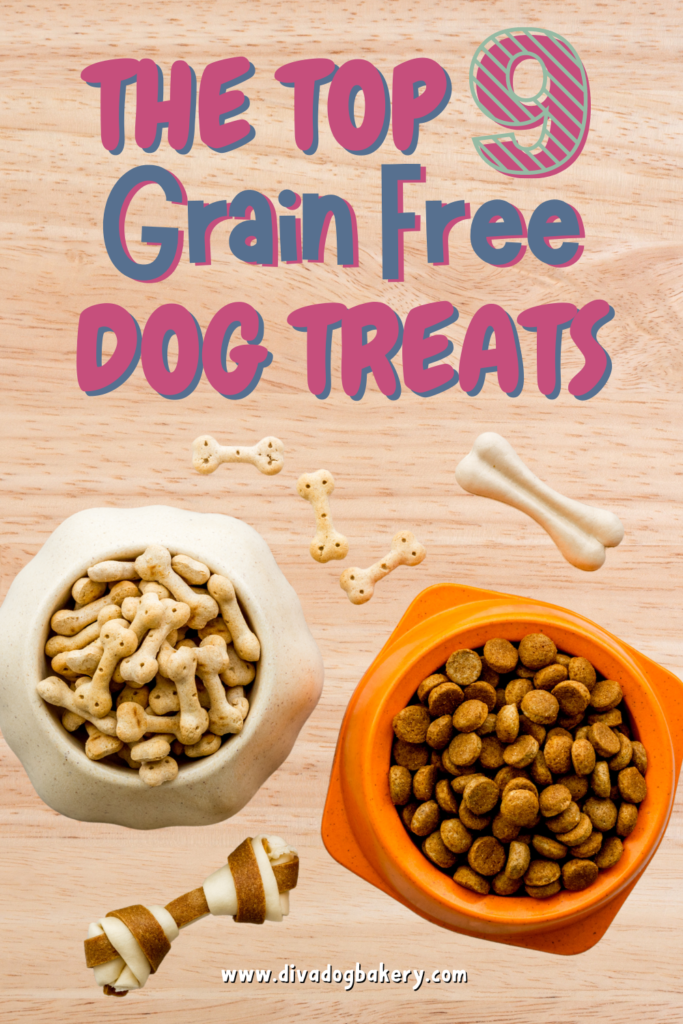
Credit: divadogbakery.com
Benefits Of Gluten Free Treats
Gluten free dog treats offer several important benefits for your pet. These treats support better health and comfort. Many dogs face gluten-related issues that can affect their overall well-being.
Choosing gluten free treats helps avoid common problems linked to gluten. Dogs with sensitivities or allergies often feel better after switching. These treats provide a safer and gentler option for dogs’ diets.
Health Advantages For Dogs
Gluten free treats reduce the risk of digestive problems. Dogs may experience less bloating, gas, or diarrhea. These treats support healthy digestion and nutrient absorption. They can also improve energy levels and coat health. Dogs feel more active and happier with gluten free snacks.
Common Allergies And Sensitivities
Many dogs have allergies to wheat, barley, or rye. These ingredients contain gluten and can cause itching or skin rashes. Gluten free treats avoid these triggers and soothe irritated skin. They help reduce allergic reactions and discomfort. Sensitive dogs benefit from fewer symptoms and better health.
Ingredients To Use
Choosing the right ingredients is key for making healthy gluten free dog treats. The ingredients must be safe and easy to digest. They should provide good nutrition and taste. Using natural and simple ingredients helps keep your dog happy and healthy.
Gluten Free Grains And Flours
Rice flour is a common gluten free choice. It is gentle on dogs’ stomachs. Oat flour is another good option. It adds fiber and nutrients. Coconut flour has healthy fats and a nice flavor. Almond flour offers protein and vitamin E. These flours create a good base for treats without gluten.
Natural Flavor Enhancers
Peanut butter adds taste and protein. Choose natural, unsweetened versions. Pumpkin puree is tasty and helps digestion. Sweet potatoes give sweetness and fiber. Fresh herbs like parsley can freshen breath. Plain yogurt adds creaminess and probiotics. These ingredients make treats more appealing to dogs.
Safe Additives And Supplements
Chia seeds provide omega-3 fatty acids and fiber. Flaxseeds improve coat health. A pinch of turmeric can reduce inflammation. Vitamin E supports skin and immune health. Avoid artificial colors, flavors, and preservatives. These safe additives boost the health benefits of your treats.
Homemade Recipes
Making gluten free dog treats at home is fun and healthy. You control every ingredient. This helps keep your dog safe and happy. Homemade treats often taste better to dogs. Plus, they avoid hidden gluten found in some store-bought snacks.
Simple recipes use few ingredients. They save time and effort. Baking offers more variety and texture. Both methods allow you to add favorite flavors. Let’s explore easy recipes and helpful tips.
Simple No-bake Treats
No-bake treats are quick to prepare. Mix peanut butter, oats, and mashed banana. Shape into small balls or flat discs. Chill in the fridge for an hour. These treats stay fresh for several days. Perfect for busy days or last-minute snacks.
Baked Treat Options
Baked treats last longer and have a crunchy texture. Use gluten free flour like rice or almond flour. Add eggs, pumpkin puree, and cinnamon for flavor. Roll dough and cut into fun shapes. Bake at 350°F for 15-20 minutes. Let cool completely before serving.
Tips For Customization
Change ingredients based on your dog’s taste and needs. Swap pumpkin for sweet potato or apple sauce. Add a teaspoon of coconut oil for a shiny coat. Use parsley to freshen breath. Avoid harmful ingredients like chocolate or onion powder. Always check with your vet before new foods.
Store-bought Options
Choosing gluten free dog treats from the store can be easy and safe for your pet. Many brands now offer tasty treats without gluten. These treats suit dogs with allergies or sensitive stomachs. Store-bought options save time and ensure consistent quality. You can find treats made from natural ingredients and free from harmful additives. This section helps you pick the best gluten free treats available.
Top Brands To Consider
Several trusted brands specialize in gluten free dog treats. Blue Buffalo offers grain-free recipes using real meat and vegetables. Natural Balance has options with simple ingredients and no gluten. Merrick makes treats with limited ingredients, good for sensitive dogs. Zuke’s provides small, soft treats that are gluten free and healthy. These brands focus on quality and safety for your dog’s diet.
Reading Labels Effectively
Check labels carefully to avoid gluten. Look for terms like “gluten free” or “grain free” on packaging. Watch out for wheat, barley, rye, or oats as hidden sources of gluten. Ingredients should be simple and easy to understand. Avoid treats with artificial colors, flavors, or preservatives. Always confirm the treat is made in a gluten free facility. Reading labels helps protect your dog from gluten reactions.
Potential Risks And Precautions
Choosing gluten free dog treats can help some dogs with allergies or sensitivities. Still, there are risks and precautions to consider. Understanding these helps keep your dog safe and healthy.
Gluten free does not always mean allergen-free. Some treats may contain other ingredients that cause reactions. Careful selection and observation are important steps.
Cross-contamination Concerns
Cross-contamination happens when gluten touches gluten free treats. This can occur during manufacturing or packaging. Even small amounts of gluten can trigger issues for sensitive dogs.
Buy treats from brands that clearly label gluten free. Look for certifications or testing claims. Store gluten free treats separately from regular ones at home.
Monitoring Your Dog’s Reaction
Watch your dog closely after giving new treats. Signs of problems include itching, diarrhea, or vomiting. These symptoms may mean an allergy or intolerance.
Stop the treats if you see any bad reactions. Consult your vet for advice on diet and health. Keep a food diary to track what your dog eats and how they respond.
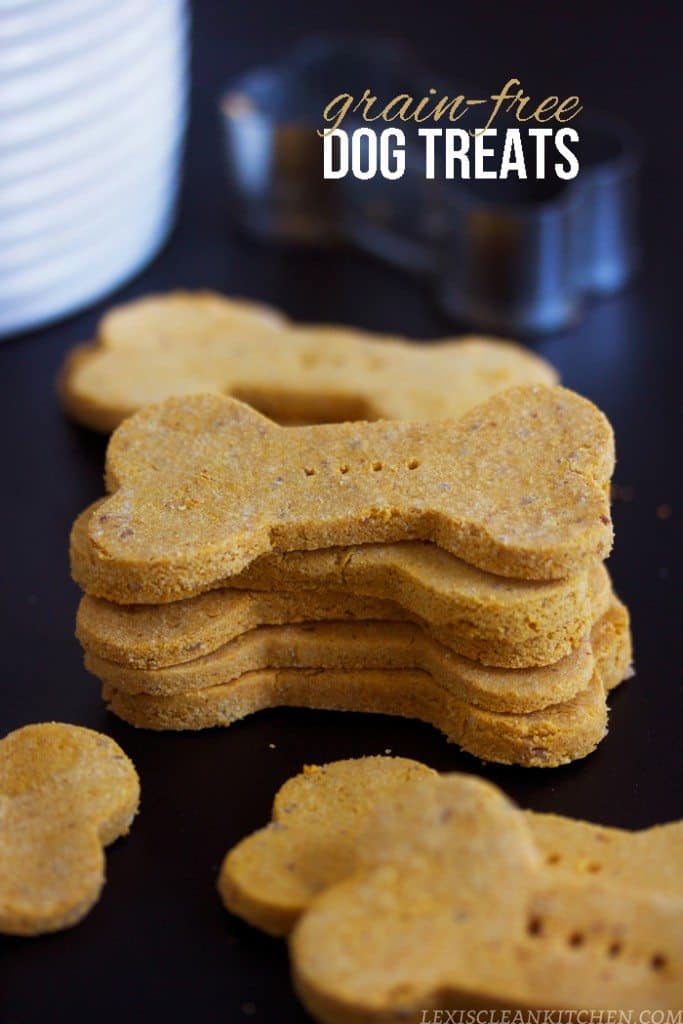
Credit: lexiscleankitchen.com
Storage And Shelf Life
Storing gluten free dog treats correctly keeps them fresh and safe for your pet. Proper storage extends their shelf life and preserves taste. Knowing how to spot spoiled treats protects your dog’s health.
Proper Storage Methods
Keep gluten free dog treats in a cool, dry place. Use airtight containers to stop moisture and air from entering. Avoid storing treats near heat or sunlight. Refrigeration helps if treats contain natural oils or fresh ingredients. Always seal the package tightly after each use.
Signs Of Spoilage
Check for mold or unusual smells. A bad odor means the treats have gone bad. Look for changes in texture, like softness or crumbling. Discoloration is a clear sign of spoilage. Throw away treats if you notice any of these signs to keep your dog safe.
Frequently Asked Questions
What Are Gluten Free Dog Treats Made Of?
Gluten free dog treats use ingredients like rice, potatoes, and sweet potatoes. They avoid wheat, barley, and rye. These treats are ideal for dogs with gluten allergies or sensitivities. They provide a safe and tasty snack option without causing digestive issues.
Are Gluten Free Dog Treats Safe For All Dogs?
Yes, gluten free dog treats are generally safe for all dogs. They are especially beneficial for dogs with gluten intolerance or allergies. However, always check ingredient lists for other allergens. Consult your vet if your dog has specific dietary needs or health concerns.
How Do Gluten Free Dog Treats Benefit Dogs?
Gluten free dog treats reduce the risk of allergic reactions and digestive problems. They promote better digestion and overall health in sensitive dogs. These treats help maintain energy levels and support a healthy coat. They offer a nutritious alternative to traditional dog treats.
Where Can I Buy Gluten Free Dog Treats?
You can buy gluten free dog treats at pet stores, online retailers, and specialty shops. Look for trusted brands with clear ingredient labels. Many stores offer organic and natural options. Always check reviews and vet recommendations before purchasing.
Conclusion
Gluten free dog treats help keep your pet healthy and happy. Dogs with allergies or sensitive stomachs benefit most. These treats offer safe, tasty options without harmful ingredients. You can find many recipes and brands that suit your dog’s needs.
Choosing gluten free treats shows you care about your dog’s well-being. Give your furry friend a snack they can enjoy every day. Simple changes can make a big difference in your dog’s health. Keep your pet’s diet clean and full of love.