Doggy Scout

Does My Dog Need Senior Dog Food? Expert Tips to Decide

Does My Dog Need Senior Dog Food

Does my dog need senior dog food? As your dog ages, you might start to wonder if their diet needs to change. You want the best for your furry friend, but how do you know if they need senior dog food? It’s a question many pet owners face. Senior dog food is often marketed with special ingredients and formulations designed for older dogs. But is it really necessary for your beloved companion? We’ll explore the signs that might indicate a dietary change is needed, the benefits of senior dog food, and how to make the best choice for your pet’s health. Stay with us to find out how you can ensure your dog remains happy and healthy in their golden years. Your decisions today can make a big difference in their well-being tomorrow. Signs Of Aging In Dogs As dogs age, they go through various changes. Some signs are easy to spot. Others can be more subtle. Recognizing these signs helps in understanding their needs. Senior dog food may be beneficial during this time. Decreased Energy Levels Older dogs often have less energy. They may prefer lounging over playing. Short walks might replace long runs. This change can affect their weight and health. Changes In Weight Weight loss or gain is common in senior dogs. Metabolism slows down as dogs age. Some dogs may become overweight due to lower activity. Others may lose weight due to health issues. Stiffness And Joint Pain Arthritis is common in older dogs. Stiffness in joints can make movement difficult. Dogs may struggle to climb stairs or get up. Watch for signs of discomfort during activities. Changes In Appetite Older dogs may eat less or show no interest in food. Some may need more frequent meals. Others may require special diets. Monitor their eating habits closely. Dental Issues Dental problems often arise in senior dogs. Bad breath, loose teeth, or difficulty chewing can occur. Regular dental check-ups are important to maintain their health. Behavioral Changes Changes in behavior may indicate aging. Senior dogs might become more anxious or confused. They may also sleep more and show less interest in play. Understanding these changes is key to their care. Vision And Hearing Loss Older dogs often experience sensory loss. They may have trouble seeing or hearing. Look for signs like bumping into objects or not responding to commands. Credit: www.diamondpet.com What Makes Senior Dog Food Different Senior dog food differs mainly in its nutritional content. It usually contains fewer calories, lower protein, and added ingredients for joint support. Not every older dog needs this specialized diet. Factors like health issues and activity level should guide your decision on whether to switch. When it comes to your furry friend entering their golden years, you may wonder whether they need a specific senior dog food. Understanding the differences in senior dog food can help you make informed decisions about their diet. Senior dog food is tailored to meet the unique nutritional needs of older dogs. Let’s break down what makes these diets different from regular dog food. Lower Caloric Content Senior dog food generally has fewer calories. As dogs age, their activity levels often decrease, leading to potential weight gain. A lower caloric intake helps prevent obesity, which can lead to additional health problems. Consider how your dog’s energy levels have changed over the years. If your once-active pup now prefers lounging, adjusting their diet can help maintain a healthy weight. Enhanced Nutrients For Joint Health Many senior dog foods include added nutrients like glucosamine and chondroitin. These ingredients support joint health, which is vital as dogs age. Joint issues like arthritis can severely impact your dog’s quality of life. I noticed a significant improvement in my dog’s mobility after switching to a senior diet enriched with these nutrients. Watching them enjoy their walks again was a heartwarming experience. Increased Fiber For Digestive Health Senior dog food often has higher fiber content. This aids in digestion and helps prevent constipation, a common issue in older dogs. A fiber-rich diet can promote overall gut health, which is essential as your dog ages. Have you ever experienced your dog having trouble with digestion? Opting for senior food might just provide the relief they need. Tailored Protein Levels The protein levels in senior dog food are usually adjusted. While high-quality protein is still crucial, the emphasis often shifts to easier-to-digest sources. This helps maintain muscle mass without putting extra strain on the kidneys. You might notice that your senior dog seems more energetic and lively with the right protein balance. Keeping an eye on their muscle tone can be a good indicator of their nutritional needs. Individual Needs Matter Each dog is unique, and their dietary requirements may vary. Some dogs thrive on high-quality adult food well into their senior years. Others may require specialized senior diets to address specific health issues. Consulting with your veterinarian is crucial. They can evaluate your dog’s health, weight, and activity level to recommend the best food option. Understanding what makes senior dog food different can empower you to provide the best care for your aging companion. Have you noticed any changes in your dog’s behavior or health that might warrant a switch in diet? Health Benefits Of Senior Dog Food Senior dog food is designed for aging dogs. It offers specific nutrients that support their health. These foods often contain lower calories. This helps prevent weight gain. Senior dogs typically move less. They need fewer calories to stay healthy. Many senior dog foods include joint support ingredients. Glucosamine and chondroitin are common additions. These ingredients help with joint pain and stiffness. They can improve mobility. This is important for active senior dogs. Senior dog food may also have easier-to-digest ingredients. Aging dogs may struggle with digestion. Special formulas can help them absorb nutrients better. This supports overall health and energy levels. Weight Management Maintaining a healthy weight is crucial for senior dogs. Senior dog foods often have fewer calories. This helps prevent obesity. … Read more

Understanding Your Senior Dog’s Sleeping Habits: Expert Insights

Understanding Your Senior Dog's Sleeping Habits

Understanding your senior dog’s sleeping habits is crucial for ensuring their well-being and comfort as they age. You might notice that your furry friend sleeps more than they used to, and this change can be puzzling. Why are they snoozing so much? Is it just a part of getting older, or could it signal something more serious? We’ll explore the reasons behind your senior dog’s sleep patterns, how much sleep they actually need, and when you should be concerned. By understanding these sleeping habits, you can provide the best care possible and ensure your beloved companion is happy and healthy. Stick around to uncover the insights that could help you improve your dog’s quality of life today. Your senior dog deserves this attention, and you’ll feel more at ease knowing you’re doing everything you can for them. Credit: www.sleepsia.in Signs Of Aging In Dogs As dogs age, their bodies change. These changes affect their behavior and health. Recognizing signs of aging helps you care for your senior dog. Pay close attention to changes in their sleeping habits and daily activities. Older dogs may sleep more than younger ones. This can be due to lower energy levels. It can also be a sign of discomfort or health issues. Keep an eye on these signs to ensure your dog stays healthy. Decreased Energy Levels Senior dogs often show less interest in play. They may prefer napping instead of running around. Less energy can lead to longer sleep durations. This is normal as they age. Joint Pain And Discomfort Aging dogs can experience joint pain. This pain can make movement difficult. Dogs may sleep more to avoid discomfort. Look for signs like limping or difficulty getting up. Changes In Sleep Patterns Older dogs may have irregular sleep patterns. They might wake up more frequently at night. This can be due to cognitive decline. Confusion can lead to restlessness and disrupted sleep. Behavioral Changes Watch for changes in your dog’s behavior. Increased anxiety or stress can affect sleep. Dogs may become more clingy or withdrawn. These changes can signal the need for a vet visit. Increased Vocalization Some senior dogs may bark or whine more often. This can indicate discomfort or confusion. Pay attention to these vocalizations, especially at night. It may signal an underlying health issue. How Senior Dogs’ Sleep Patterns Change Senior dogs often experience changes in their sleep patterns. As they age, they may sleep more due to decreased energy and age-related health issues. Understanding these habits helps ensure your dog remains comfortable and well-rested. Observing their sleep can provide insights into their overall health. Understanding your senior dog’s sleeping habits can be a revelation. As dogs age, their sleep patterns often shift, reflecting changes in their health and energy levels. Recognizing these changes can help you provide the best care for your furry friend. Changes In Sleep Duration Senior dogs typically need more sleep than their younger counterparts. While adult dogs sleep around 12 to 14 hours a day, senior dogs may require up to 18 hours. This increase is often due to decreased energy levels and the body’s need for recovery. You might notice your senior dog napping more frequently throughout the day. Altered Sleep Cycles As dogs age, their sleep cycles can change. They may transition more frequently between light and deep sleep. You might observe your dog waking more often during the night or getting up to move around. This could be a sign of discomfort or a response to age-related changes. Impact Of Health Issues Health conditions can significantly affect your dog’s sleeping patterns. Joint pain, arthritis, or cognitive decline can lead to restlessness. Have you seen your dog struggling to find a comfortable position? If your dog seems anxious or unable to settle down, it may be time to consult your veterinarian. They can help identify any underlying issues that might be disrupting your dog’s sleep. Emotional Factors Senior dogs can experience anxiety or stress, just like humans. Changes in their environment, like moving to a new home or the loss of a companion, can disrupt their sleep. Creating a calm and comforting sleeping environment can help ease their anxiety. Consider using soft bedding or a favorite blanket to make their space more inviting. How To Support Your Senior Dog’s Sleep You can make simple adjustments to support your senior dog’s sleep quality. – Provide an orthopedic bed: This helps alleviate joint pain and supports their body. – Establish a bedtime routine: A consistent routine can signal to your dog that it’s time to wind down. – Reduce distractions: Keep noise and light to a minimum during nighttime. Has your dog been sleeping well lately? Observing their habits can guide you in making the necessary changes for a better night’s rest. Your proactive approach can lead to a happier, healthier senior dog. Factors Affecting Sleep In Older Dogs Understanding your senior dog’s sleeping habits can be complex. Several factors influence how well they sleep. Age brings changes. These changes can affect their comfort and sleep quality. Let’s explore some key factors affecting sleep in older dogs. Health Issues Health problems can disrupt your dog’s sleep. Conditions like arthritis or heart disease may cause pain. This discomfort can lead to restless nights. Regular vet check-ups help identify these issues early. Environment The sleeping environment plays a crucial role. A quiet, comfortable space encourages better sleep. Too much noise or light can disturb them. Ensure their bed is cozy and supportive. Activity Level Daily activity impacts sleep. Older dogs may have less energy. A balanced routine of exercise and rest helps. Short walks or gentle play can tire them out without overexerting. Diet What your dog eats affects their sleep patterns. A balanced diet supports overall health. Avoid heavy meals close to bedtime. A nutritious diet keeps their energy levels stable. Medication Some medications can interfere with sleep. Talk to your vet about any side effects. Adjustments in medication may help improve sleep quality. Age-related Changes … Read more

Dog Breathing Heavy? Causes, Warning Signs, and Solutions

Dog Breathing Heavy

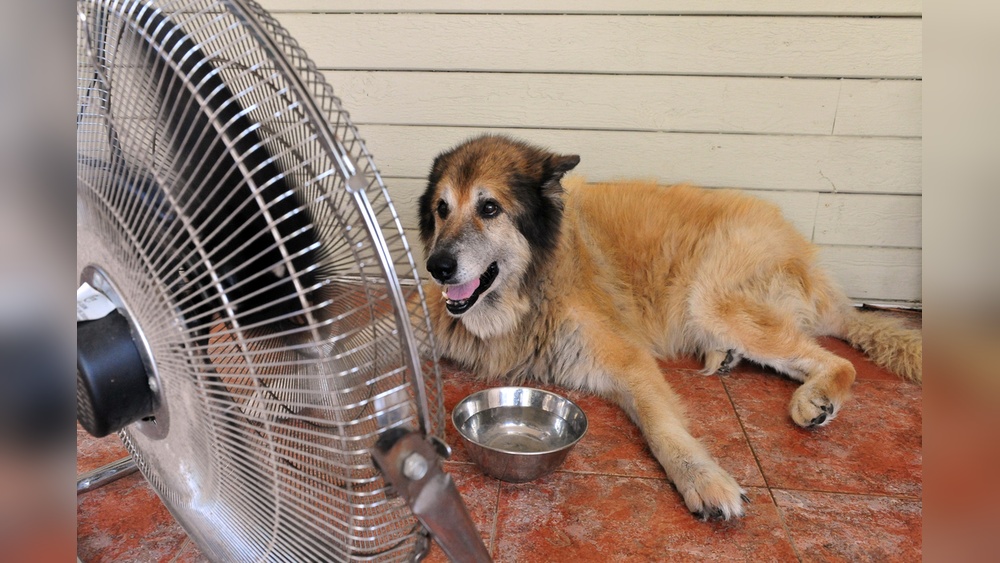
Is your dog breathing heavy? This can be concerning for any pet owner. You might wonder if it’s just normal panting or something more serious. Heavy breathing in dogs can occur for various reasons, ranging from excitement and heat to underlying health issues. Understanding what causes your dog’s heavy breathing is crucial for their well-being. We’ll explore the common reasons why your dog might be breathing heavily and help you identify when it’s time to take action. You’ll learn how to differentiate between harmless panting and signs that require immediate veterinary attention. Stay with us, as you don’t want to miss this essential information that could make all the difference for your furry friend. Your dog’s health and comfort depend on your awareness and understanding of their needs! Common Causes Of Heavy Breathing In Dogs Heavy breathing in dogs can be caused by various factors. Common reasons include heat, stress, or underlying health issues. Recognizing the signs and knowing when to seek help is crucial for your pet’s well-being. Understanding why your dog is breathing heavily can be crucial for their health. Heavy breathing may be a temporary reaction to excitement or stress, but it can also signal underlying health issues. Identifying the common causes of this condition can help you determine whether your furry friend needs immediate care or simply a moment to relax. Excitement And Playfulness Dogs often breathe heavily after an exciting play session. Their hearts race, and the increase in oxygen demand leads to rapid breathing. If your dog has just chased a ball or played with other dogs, heavy breathing is usually normal. Keep an eye on your pup. If the heavy breathing persists long after the playtime has ended, it might indicate something more serious. Heat And Overexertion Hot weather can make your dog pant heavily. Dogs do not sweat like humans; they rely on panting to cool down. If you notice your dog breathing heavily after a walk or during a hot day, provide them with fresh water and a cool place to rest. Monitor their behavior closely. If they seem lethargic or disoriented, they might be suffering from heatstroke, which requires immediate attention. Respiratory Issues Heavy breathing can also stem from respiratory problems. Conditions like kennel cough, pneumonia, or asthma can make it difficult for your dog to breathe normally. If your dog is coughing or shows signs of distress while breathing, it’s essential to consult your vet. Be aware of other symptoms like nasal discharge or wheezing. These can help your vet diagnose the issue more effectively. Heart Conditions Heart problems can lead to heavy breathing as well. Conditions like congestive heart failure can cause fluid buildup in the lungs, making it hard for your dog to breathe. If your dog is also coughing, seems fatigued, or has a reduced appetite, it’s time to seek veterinary help. Consider your dog’s age and breed. Older dogs or breeds prone to heart issues may need more frequent check-ups. Obesity Excess weight can make it harder for your dog to breathe easily. Obesity puts strain on the heart and lungs, leading to heavy breathing during normal activities. If you notice your dog is panting heavily during walks or while playing, it might be time to assess their diet and exercise routine. Talk to your vet about a weight management plan. It can make a significant difference in your dog’s health and quality of life. Recognizing the common causes of heavy breathing in dogs is important for their well-being. Always trust your instincts as a pet owner. If something feels off, don’t hesitate to reach out to a veterinarian for guidance. Your dog’s health depends on your attentiveness. Signs Of Normal Vs. Abnormal Breathing Understanding the signs of normal versus abnormal breathing in dogs is essential for every dog owner. Heavy breathing can be alarming, but not all heavy breathing is a cause for concern. By recognizing what’s typical for your dog, you can better gauge when it might be time to seek veterinary help. Normal Breathing Patterns Most dogs breathe between 10 to 30 breaths per minute when at rest. You can check this by observing your dog while they are calm or asleep. Watch for a gentle rise and fall of their chest, and ensure their breathing looks relaxed. Breathing is regular and rhythmic. Occasional panting is normal, especially after exercise. Temperature and environment can affect breathing rates. During sleep, dogs may breathe more heavily. This is often due to dreaming or the REM stage of sleep. As a dog owner, it’s important to distinguish between normal sleep breathing and signs of distress. Signs Of Abnormal Breathing Abnormal breathing can manifest in various ways. If your dog is panting excessively without any apparent reason, it might be a red flag. Look out for the following signs: Rapid breathing (more than 30 breaths per minute while at rest). Labored breathing or difficulty in catching their breath. Gums that appear blue or pale. Coughing or wheezing sounds. Have you noticed your dog struggling to lay down comfortably? This can also indicate respiratory distress. These symptoms can point to underlying health issues that require immediate attention. When To Seek Veterinary Help If you observe any of the abnormal signs mentioned, don’t hesitate to contact your veterinarian. Your dog’s health is paramount, and timely intervention can make a significant difference. Consider the context—was your dog recently active or exposed to extreme heat? Even if the situation seems minor, trust your instincts. Your dog depends on you to recognize when something isn’t right. If you’re ever in doubt, it’s better to err on the side of caution. Health Conditions Linked To Heavy Breathing Heavy breathing in dogs can signal health problems. Understanding these conditions helps pet owners act quickly. Some issues are mild, while others need immediate care. Heatstroke Heatstroke occurs when a dog overheats. It can happen during hot weather or after exercise. Dogs may breathe heavily as they try to cool down. Other signs include … Read more

Most Intelligent Dog Breeds: Top Picks for Smart Owners

Most Intelligent Dog Breeds

Are you curious about which dogs are the smartest? If so, you’re in the right place. Understanding dog intelligence can help you choose the right companion for your lifestyle. Some breeds are not only adorable but also quick learners and problem solvers. Imagine having a furry friend who can understand your commands, adapt to new situations, and even entertain you with their clever antics. We’ll explore the most intelligent dog breeds, highlighting their unique traits and skills. You’ll discover which breeds excel in training, obedience, and even performing tasks. Whether you’re looking for a loyal pet or a working dog, knowing the smartest breeds can guide your choice. Stick around to learn more about these remarkable canines and find out which one might be the perfect fit for you! Border Collie The Border Collie is often regarded as the most intelligent dog breed. Known for their agility and energy, these dogs excel in various tasks. They are highly trainable and eager to learn. This breed stands out for its unique traits and abilities. Owners of Border Collies often find them to be loyal companions. Border Collies thrive in active environments. They need physical and mental stimulation. Without a job to do, they can become bored and restless. This breed is perfect for those who enjoy outdoor activities and training sessions. Exceptional Trainability Border Collies can learn commands quickly. Their eagerness to please makes training easier. They often master new tasks within a short time. This quality helps them excel in obedience competitions and agility sports. Instinctive Intelligence This breed has strong herding instincts. They can assess situations and respond effectively. Their natural problem-solving skills set them apart from other breeds. Owners often appreciate their ability to think independently. Work Ethic Border Collies thrive on having a job. They enjoy tasks that challenge their minds and bodies. Regular exercise and mental activities are essential. This breed is happiest when engaged in work or play. Problem-solving Skills These dogs are known for their quick thinking. They can evaluate situations and find solutions fast. Their agility helps them in various tasks, from herding to competing. Adaptability Border Collies can adapt to many roles. They are used in service work, search and rescue, and more. Their intelligence allows them to learn various skills. This versatility makes them excellent companions for active families. Poodle The Poodle is not just a pretty face; it’s one of the most intelligent dog breeds out there. Known for their elegant appearance and playful personality, Poodles come in three sizes: standard, miniature, and toy. Their intelligence, combined with their eagerness to please, makes them exceptional companions and versatile working dogs. Understanding Poodle Intelligence Poodles are ranked among the top three most intelligent dog breeds. Their ability to learn commands quickly is impressive. Exceptional Learning Skills:Poodles can grasp new commands in just a few repetitions. Problem Solving:They are adept at figuring out challenges, making them great at agility and obedience competitions. Social Intelligence:Poodles can read human emotions and respond accordingly, making them highly adaptable pets. Training Your Poodle Training a Poodle can be a rewarding experience. They thrive on mental stimulation and enjoy learning new tricks. Start with basic commands like sit, stay, and come. Use positive reinforcement techniques such as treats and praise. Keep training sessions short and engaging to maintain their interest. Have you ever noticed how quickly your Poodle picks up on your mood? This unique ability to connect with their human companions further enhances their trainability. Poodle Versatility Poodles are incredibly versatile. They can excel in various roles, from service dogs to therapy animals. Agility Competitions:Many Poodles compete in agility events, showcasing their speed and intelligence. Service Roles:Their trainability makes them excellent candidates for service and therapy work. Family Pets:With their friendly nature, Poodles make loving family companions. Have you considered engaging your Poodle in a new activity? Exploring options like agility training or obedience classes could be a fun way to strengthen your bond. Caring For Your Poodle’s Mind And Body Keeping your Poodle mentally and physically stimulated is essential for their well-being. Regular exercise and interactive games are crucial. Daily Walks:Aim for at least 30 minutes of physical activity each day. Mental Challenges:Puzzle toys and training games can keep their minds sharp. Socialization:Regular playdates with other dogs can help them develop social skills. What activities do you enjoy doing with your Poodle? Finding common interests can enhance your relationship and keep your dog happy. The Poodle’s intelligence is a significant part of its charm. Their eagerness to learn and bond with you makes them not just a pet, but a true companion. German Shepherd The German Shepherd is often celebrated for its intelligence, loyalty, and versatility. This breed consistently ranks among the top intelligent dog breeds worldwide. Whether working as police dogs, service animals, or loving family pets, German Shepherds have a special place in the hearts of many dog lovers. Intelligence And Trainability German Shepherds are known for their exceptional intelligence. They can learn commands quickly, often grasping new tasks within a few repetitions. This makes them highly trainable, which is why they excel in roles that require obedience and discipline. During my own experience with a German Shepherd, I was amazed at how fast she picked up commands. Within a week, she could sit, stay, and even fetch specific toys by name. This level of understanding fosters a strong bond between you and your dog. Versatility In Roles This breed’s intelligence allows them to adapt to various roles. German Shepherds are commonly used as service dogs, therapy animals, and in search and rescue operations. Their problem-solving abilities and keen instincts make them invaluable in many situations. Police and Military Work Search and Rescue Assistance for Disabled Individuals Have you ever wondered how a dog can be trained to detect drugs or locate missing persons? The German Shepherd’s sharp senses and eagerness to please their handler play a crucial role in these tasks. Physical And Mental Stimulation German Shepherds require regular exercise and … Read more

How to Provide Your Senior Dog With Proper Exercise: Expert Tips

How to Provide Your Senior Dog With Proper Exercise

As your dog ages, their exercise needs change. You want to keep them healthy and happy, but how do you provide the right amount of activity without overdoing it? This guide will walk you through effective ways to ensure your senior dog gets the proper exercise they need. From gentle walks to fun activities that won’t strain their joints, you’ll discover tips and tricks to keep your furry friend active and engaged. Imagine the joy of seeing your senior dog wagging their tail, ready for a stroll or a splash in the water. Let’s explore how you can enrich their life and maintain their health, all while enjoying precious moments together. Read on to find out how to create an exercise routine that suits your senior dog perfectly! Credit: midlandspetcare.com Understanding Your Senior Dog’s Needs Understanding your senior dog’s needs is essential for ensuring they stay healthy and active. As your furry friend ages, their physical capabilities and energy levels change. Recognizing these shifts will help you tailor their exercise routine to promote a happy, healthy lifestyle. (How to Provide Your Senior Dog With Proper Exercise: Expert Tips) Recognizing Physical Limitations Senior dogs often experience a decrease in stamina and strength. You might notice your dog panting more quickly during walks or struggling to get up after resting. Pay attention to these signs; they can indicate when it’s time to modify your exercise approach. Some breeds are more prone to joint issues or arthritis. If your dog limps or hesitates to jump, consider low-impact activities like walking or swimming. These alternatives can help maintain their fitness without risking injury. Adjusting Exercise Duration And Intensity Every dog is unique, especially when it comes to age. While some seniors may still enjoy long hikes, others might prefer shorter, more frequent walks. Start with a routine that suits your dog’s current fitness level and adjust as needed. For instance, I had a senior Golden Retriever who loved her daily walks. We started with 15 minutes and gradually increased the time as she became stronger. Listening to her and observing her energy levels helped us both enjoy our outings. Exercise isn’t just about physical activity; mental engagement is equally vital. Activities like puzzle toys or scent games can provide fun and stimulation. This dual approach keeps your dog’s mind sharp while also promoting physical fitness. Have you considered how often you challenge your dog’s mind? A combination of short walks and engaging games can be a perfect balance. Monitoring Health And Comfort Always keep an eye on your dog’s comfort level during exercise. Look for signs of fatigue or discomfort, like excessive panting or reluctance to continue. If you notice these signs, it may be time to cut the session short. Frequent vet check-ups can also help you stay ahead of any health concerns. Regular assessments ensure that your dog is fit for the activities you have planned. Understanding your senior dog’s needs is about more than just exercise; it’s about nurturing their overall well-being. Tailoring their routine to fit their changing abilities will help you both enjoy quality time together. Benefits Of Regular Exercise Regular exercise is essential for senior dogs. It helps maintain their health and happiness. Exercise supports their physical and mental well-being. It can also improve their quality of life. Many older dogs face health issues. Regular activity can help manage these conditions. It keeps their joints flexible and muscles strong. Dogs that exercise often have more energy. Weight management is another key benefit. Senior dogs can gain weight easily. Exercise helps burn calories and maintain a healthy weight. This reduces the risk of obesity-related problems. Exercise also boosts mental stimulation. Simple activities keep their minds sharp. Engaging their senses can reduce anxiety and stress. A happy dog is a healthy dog. Social interaction is another advantage. Taking your dog for walks can lead to new friends. Meeting other dogs and their owners enriches their life. Lastly, regular exercise strengthens your bond. Spending time together builds trust and love. This connection is vital for both of you. Adjusting Exercise Intensity Adjusting the exercise intensity for your senior dog is crucial for their well-being. As dogs age, their energy levels and physical capabilities change. Tailoring their exercise routine helps maintain their health and keeps them engaged. Recognize Your Dog’s Limits Every dog has unique needs. Pay close attention to your senior dog’s behavior during exercise. If they seem tired or reluctant, it’s a sign to slow down. For instance, my golden retriever, Max, loved to sprint in his younger days. Now, he enjoys a leisurely stroll around the block instead. Recognizing these shifts can help you adjust accordingly. Modify Exercise Duration Shorter sessions can be more effective for senior dogs. Instead of a long walk, opt for multiple shorter outings throughout the day. This keeps your dog active without overwhelming them. 15 minutes of walking in the morning 10 minutes of playtime in the afternoon Another short walk in the evening These brief bursts of activity can be just as beneficial as longer sessions. Choose Low-impact Activities Activities like swimming or gentle tug-of-war can be easier on aging joints. These exercises provide a good workout without excessive strain. Is your dog a water lover? Swimming could be their new favorite routine. Additionally, consider incorporating puzzle toys to stimulate their mind while keeping physical activity low-impact. A tired dog is a happy dog! Watch For Warning Signs Always be vigilant for signs of discomfort or fatigue. If your dog starts limping, panting excessively, or refuses to continue, stop the activity. It’s essential to listen to their body. Have you noticed any changes in your senior dog’s behavior during exercise? Keeping track of these details can guide your adjustments. Consult Your Vet Regular check-ups can provide insights into your dog’s health. Your vet can recommend tailored exercise plans based on specific needs. Never hesitate to ask for their advice. Adjusting exercise intensity is not just about keeping your dog fit. It’s about … Read more

10 Signs a Dog Is Dying And What To Do: Expert Tips

10 Signs a Dog Is Dying And What To Do

When it comes to our furry friends, few things are as heartbreaking as the thought of them nearing the end of their lives. As a devoted pet owner, you want to ensure your dog is comfortable and cared for during their final days. But how can you tell if your dog is dying? Recognizing the signs can be challenging, especially since dogs can’t tell us what they’re feeling. We’ll explore 10 key signs that may indicate your dog is approaching the end of their life. Understanding these signs is crucial not only for your peace of mind but also for providing the best possible care for your beloved pet. By learning what to look for, you can make informed decisions and offer your dog the compassion they deserve in their final moments. Keep reading to discover how you can help your furry companion feel loved and comfortable during this difficult time. (10 Signs a Dog Is Dying And What To Do) Physical Signs Of Decline Understanding the physical signs of decline in your dog can be heartbreaking yet essential. Being aware of these changes allows you to provide the necessary care and support during a challenging time. Let’s explore some common physical signs that may indicate your furry friend is nearing the end of their life. Physical Changes Decreased Appetite and Thirst:Loss of interest in food and water is a common sign as their bodies begin to shut down. You may notice your dog turning away from their favorite meals. Increased Lethargy and Sleep:Dogs may become extremely tired, spending most of their time resting. If your dog is not as active as usual, it could be a sign of declining health. Loss of Coordination:Difficulty with balance and coordination can lead to stumbling or dragging their hind legs. Pay attention to any unusual movements that seem out of character. Incontinence:As muscles weaken, dogs may lose control over bladder or bowel functions. This change can be distressing for both you and your pet. Labored Breathing:Breathing may become shallow, rapid, or irregular, indicating potential respiratory distress. Take note of any changes in their breathing pattern. Changes in Gum Color:Pale, white, blue, or bright red gums can signal poor circulation. Regularly check your dog’s gums to spot any concerning changes. Behavioral Changes Social Withdrawal or Clinginess:Some dogs may isolate themselves, while others may become more dependent on you for comfort. Recognizing your dog’s need for space or attention is crucial. Loss of Interest in Activities:A once playful pup may show no interest in toys, walks, or activities they once enjoyed. This behavior can be alarming and should not be ignored. Restlessness or Agitation:Some dogs become restless, pacing or changing positions frequently as they try to get comfortable. This behavior can indicate discomfort or pain. Cognitive Decline:Confusion, disorientation, or difficulty recognizing familiar people or places can occur. Observing these signs helps you understand your dog’s mental state. Have you noticed any of these physical or behavioral changes in your dog? Recognizing these signs can help you make informed decisions about their care. It’s always best to consult with your veterinarian for guidance tailored to your dog’s specific needs. Credit: www.carecredit.com Changes In Appetite And Thirst Changes in appetite and thirst can signal serious health issues in dogs. A dying dog may refuse food and water, indicating their body is shutting down. Noticing these signs early can help you provide comfort and seek necessary veterinary care. Understanding these changes is crucial for pet owners. Changes In Appetite One of the first signs that a dog is nearing the end of life is a change in appetite. Dogs may stop eating or show little interest in food. This is often due to their bodies shutting down. It can be heartbreaking to see your pet refuse their favorite meals. Look for noticeable changes. A dog that once enjoyed mealtime may now ignore their bowl. This lack of interest can signal discomfort or pain. It’s essential to monitor this change closely. If your dog isn’t eating for more than a day, consult your vet. Changes In Thirst Along with appetite changes, thirst can also decline. Dogs may drink less water or refuse it altogether. This can lead to dehydration, which is dangerous. Ensure your dog has access to fresh water at all times. Observe their drinking habits. A sudden drop in water intake can be alarming. If your dog is not drinking for an extended period, it’s crucial to contact your veterinarian. They can provide guidance and support to keep your dog comfortable. What To Do When you notice changes in appetite and thirst, act quickly. Keep a close eye on your dog. Take note of their eating and drinking patterns. This information can be helpful for your vet. Provide comfort during this time. Offer soft foods or tasty treats to encourage eating. Keep water nearby and ensure it is fresh. Sometimes, a gentle encouragement can make a difference. Consult your vet for advice. They can help determine the best course of action. They may recommend specific diets or hydration methods. Your vet’s guidance is vital in this difficult time. Increased Lethargy And Sleep Increased lethargy and excessive sleep can signal that a dog is nearing the end of life. Owners may notice their pet sleeping more than usual and lacking energy for daily activities. Recognizing these signs is crucial for understanding your dog’s needs during this difficult time. Increased lethargy and sleep are significant signs that your dog may be nearing the end of its life. If you notice your furry friend lying down more often and showing less enthusiasm for daily activities, it can be concerning. This change in behavior can be subtle at first but may gradually become more pronounced. Understanding these signs is crucial in providing the care and comfort your dog needs. Understanding Lethargy Lethargy in dogs can manifest as an unwillingness to engage in activities they once loved. You might observe your dog sleeping more than usual or seeming disinterested in playtime. … Read more

Hip Dysplasia in Dogs: Causes, Symptoms, and Treatment

Hip Dysplasia in Dogs

If you’re a dog owner, you want nothing but the best for your furry friend. But what if your beloved pet is facing a common yet serious condition called hip dysplasia? This skeletal disease affects many dogs, and understanding it is crucial to ensuring your dog’s health and happiness. You’ll discover the signs to watch for, effective management strategies, and treatment options that can help your dog lead a comfortable life. Don’t let hip dysplasia take away your dog’s joy—stay informed and empowered. Your pet deserves the best care, and knowing how to manage this condition can make all the difference. Read on to learn more about hip dysplasia in dogs and how you can support your four-legged companion through this challenge. What Is Hip Dysplasia? Understanding hip dysplasia in dogs is essential for any pet owner. This condition affects many breeds and can impact your dog’s quality of life. So, what exactly is hip dysplasia? Hip dysplasia is a genetic condition where the hip joint doesn’t fit properly into the hip socket. This malformation leads to joint instability, causing pain and mobility issues. It’s particularly common in larger breeds, but smaller dogs can also be affected. Recognizing hip dysplasia early can make a significant difference in your dog’s comfort. Look for these signs: Difficulty standing or walking Reluctance to climb stairs or jump Reduced activity levels Visible pain when moving Have you noticed any of these symptoms in your dog? Early detection can lead to better management options. Causes And Risk Factors Genetics plays a major role in hip dysplasia. If your dog’s parents had this condition, the likelihood increases. Additionally, factors like rapid growth, obesity, and certain diets can contribute to the severity of the condition. Diagnosis A veterinarian diagnoses hip dysplasia through physical exams and X-rays. These images reveal the extent of the joint issues. Have you scheduled a check-up for your furry friend recently? Dogs with hip dysplasia can still lead fulfilling lives. With proper management, many dogs adapt well. Treatment often includes weight management, tailored exercise, and medications to ease pain. Regular veterinary visits are crucial. They help monitor your dog’s condition and adjust treatment as necessary. Is your dog receiving the right care to stay active and happy? Breeds Prone To Hip Dysplasia Certain dog breeds are more likely to develop hip dysplasia. Larger breeds like German Shepherds, Golden Retrievers, and Rottweilers often face this issue. Understanding these breeds can help owners take preventive steps for their dogs’ health. Early detection and care are essential for managing this condition effectively. Hip dysplasia is a genetic condition that affects the hip joints of dogs, leading to discomfort and mobility issues. Certain breeds are more susceptible to this disorder, making it essential for dog owners to be aware of which breeds are at risk. Understanding these breeds can help you take preventive measures and ensure your furry friend leads a healthy and active life. Common Breeds Prone To Hip Dysplasia Several breeds are particularly prone to hip dysplasia. Recognizing these breeds can help you stay vigilant about their health. German Shepherds:Known for their intelligence and loyalty, they are also highly susceptible to hip dysplasia. Labrador Retrievers:This friendly breed is often affected due to their size and weight. Golden Retrievers:Their playful nature makes them a joy, but they can also suffer from hip issues. Boxers:These energetic dogs may face hip dysplasia as they age. Bulldogs:Their unique structure makes them more prone to joint problems. Size And Weight Considerations Larger breeds tend to have a higher risk of developing hip dysplasia. Dogs that grow quickly, such as Great Danes, need careful monitoring. Excess weight places additional strain on joints. Keeping your dog at a healthy weight can significantly reduce their chances of developing this condition. Genetic Factors Genetics play a crucial role in hip dysplasia. If a puppy’s parents had hip dysplasia, the risk is higher for them too. Responsible breeding practices can help reduce the likelihood of this condition in future generations. Signs Of Hip Dysplasia You should be alert for signs that may indicate hip dysplasia in your dog. Watch for symptoms like limping, difficulty standing up, or reluctance to jump. Early detection can lead to better management and a more comfortable life for your furry companion. Are you prepared to take the necessary steps if your dog belongs to one of these at-risk breeds? Understanding the predisposition of certain breeds can empower you to make informed decisions about their health and well-being. Causes Of Hip Dysplasia Understanding the causes of hip dysplasia in dogs is important. This condition affects many breeds. Knowing what leads to it can help in prevention and management. Genetics Genetics play a major role in hip dysplasia. Certain breeds are more prone to this issue. Breeds like German Shepherds, Golden Retrievers, and Bulldogs often face this risk. If a dog has parents with hip dysplasia, the chance increases. Growth Rate The speed at which a dog grows can affect hip health. Rapid growth can lead to joint problems. Large breed puppies are especially at risk. A balanced diet is essential during this stage. Weight Obesity is a significant factor in hip dysplasia. Extra weight puts stress on the joints. Maintaining a healthy weight is crucial. Regular exercise helps keep dogs fit and agile. Environment The dog’s living environment influences hip health. Slippery floors can cause falls and injuries. Providing a safe area can help prevent accidents. Avoiding excessive jumping or rough play also reduces risks. Nutrition Proper nutrition is vital for joint health. A diet rich in essential nutrients supports bone development. Supplements like glucosamine can also help. Consult a veterinarian for the best dietary choices. Credit: en.wikipedia.org Signs And Symptoms Recognizing the signs and symptoms of hip dysplasia in dogs is crucial. Early detection can lead to better management. Understanding these indicators helps you provide the best care for your pet. Difficulty In Movement Dogs with hip dysplasia often struggle to move. They may have trouble getting up or … Read more

Mange in Dogs: Symptoms to Spot and Treat Fast

Mange in Dogs

Mange in dogs can be a distressing condition for both you and your furry friend. Understanding the symptoms is crucial for early detection and treatment. If you’ve noticed your dog scratching more than usual or developing bald patches, it’s time to pay attention. This article will guide you through the common signs of mange, helping you identify if your dog is affected. You’ll learn what to look for, how to differentiate between types of mange, and the steps you should take next. By the end of this post, you’ll have the knowledge you need to take action and ensure your dog gets the care it deserves. Don’t let your pup suffer in silence—let’s dive into the symptoms of mange and what you can do about it. What Is Mange In Dogs? Mange in dogs is a troubling skin condition caused by tiny mites that invade your pet’s skin. Understanding what mange is can help you recognize the signs early and seek treatment. This can prevent discomfort for your furry friend and avoid the spread of this condition. What Causes Mange? Mange is primarily caused by two types of mites: Sarcoptes scabieiand Demodex canis. Sarcoptic mange, also known as scabies, is highly contagious and often spreads through direct contact with infected animals. On the other hand, Demodectic mange is not contagious and usually occurs in dogs with weakened immune systems. Types Of Mange Sarcoptic Mange:Caused by Sarcoptes scabiei mites, this type is highly contagious. It requires aggressive treatment and can affect dogs of all ages. Demodectic Mange:Caused by Demodex mites, this type is often seen in younger dogs. It can be localized and may resolve on its own, but generalized cases do require veterinary attention. Common Symptoms Of Mange Recognizing the symptoms of mange is crucial for prompt treatment. Look out for: Severe itching and scratching Red, inflamed skin Hair loss in patches Crusty or scabbed areas on the skin If your dog is constantly itching, it’s time to take action. Not only can it lead to discomfort, but it can also result in secondary infections. Diagnosing Mange Diagnosing mange requires a visit to your veterinarian. They may perform skin scrapings or examinations to identify the type of mite causing the issue. Early diagnosis is key to effective treatment. How To Treat Mange Treatment varies based on the type and severity of mange. Your vet may recommend: Antiparasitic Medications:Drugs like ivermectin or fipronil are commonly prescribed. Medicated Shampoos:These can help soothe the skin and kill the mites. Topical Treatments:Creams or ointments may be applied directly to affected areas. Following your vet’s instructions is essential for your dog’s recovery. Preventing Mange Keeping your dog healthy and maintaining a strong immune system is the best way to prevent mange. Regular vet check-ups and good hygiene practices can also reduce the risk. Have you taken steps to ensure your dog’s skin health? Understanding what mange is and recognizing its symptoms can make a significant difference for your dog. If you suspect mange, don’t hesitate to consult your vet for the best course of action. Common Types Of Mange Mange in dogs is caused by tiny mites. There are two main types of mange that affect our furry friends. Understanding these types helps in recognizing symptoms and seeking proper treatment. Sarcoptic Mange Sarcoptic mange is caused by the Sarcoptes scabiei mite. This type is highly contagious. It spreads quickly among dogs and can affect humans too. Dogs with this condition often scratch intensely. Symptoms include hair loss and red, inflamed skin. Affected areas often include the ears, elbows, and belly. Demodectic Mange Demodectic mange is caused by Demodex mites. These mites naturally live on dogs’ skin. This type usually affects younger dogs or those with weak immune systems. It often starts as small patches of hair loss. In many cases, it resolves on its own. However, severe or generalized cases need treatment. Symptoms can include redness and secondary infections. Early Warning Signs Mange in dogs can show early signs that owners should watch for. Common symptoms include severe itching, hair loss, and red, inflamed skin. Areas like the ears, elbows, and abdomen are often affected, indicating a potential problem that needs attention. Recognizing the early warning signs of mange in dogs is crucial for timely intervention. Mange, caused by microscopic mites, can lead to severe discomfort and skin issues for your furry friend. By being aware of the symptoms that may arise in the initial stages, you can take proactive steps to ensure your dog’s health and well-being. Unusual Itching And Scratching One of the first signs of mange is persistent itching. If you notice your dog scratching more than usual, it might be time to investigate further. – Pay attention to areas like the ears, belly, and legs, where irritation often occurs. – Scratching can lead to skin damage and infections, so don’t ignore it. Red, Inflamed Skin Look for any redness or inflammation on your dog’s skin. This could indicate an allergic reaction or the presence of mites. – Red patches may develop, especially in areas where your dog scratches frequently. – If you see any swelling or irritation, it’s best to consult your vet. Hair Loss Mange often results in noticeable hair loss. You might see patches of fur missing or thinning in specific areas. – This hair loss can appear suddenly and may worsen if not addressed promptly. – Keep an eye out for bald spots that are circular or irregular in shape. Changes In Behavior Changes in your dog’s behavior can also signal a problem. If your normally active dog seems lethargic or withdrawn, it could be due to discomfort from mange. – Look for signs of increased irritability or mood changes. – Your dog may also become less interested in play or walks, indicating they’re not feeling well. Odor And Skin Lesions A foul odor coming from your dog’s skin can be a red flag. This can indicate secondary infections or skin lesions developing due to scratching. – … Read more

Bladder Infection in Dogs: Causes, Symptoms, and Treatment

Bladder Infection in Dogs

Is your furry friend having trouble with their bathroom habits? You might be dealing with a Bladder Infection in Dogs, or urinary tract infection (UTI), which is more common in dogs than you think. This condition can lead to discomfort and distress for your pet, and as a caring owner, it’s crucial to recognize the signs early. In this post, we will dive into the symptoms, causes, and treatment options for bladder infections in dogs. Understanding what your dog is going through can empower you to take action and ensure they get the care they need. Stay with us to discover everything you should know to help your pup feel better and get back to their happy, playful self. Your dog’s health is worth it! Credit: wearethecure.org Common Causes Of Bladder Infections Understanding the common causes of bladder infections in dogs is essential. This knowledge helps pet owners identify issues early. Bladder infections, also known as urinary tract infections (UTIs), can result from various factors. Recognizing these causes can lead to better prevention and care. Bacteria Bacteria are the leading cause of bladder infections. They can enter the urinary tract through various routes. E. coli is the most common bacterium found in these infections. Poor hygiene can increase the risk of bacteria entering the bladder. Urinary Stones Urinary stones can block the flow of urine. This blockage can lead to infections. Stones create an environment where bacteria can thrive. Regular vet check-ups can help detect these stones early. Hormonal Changes Hormonal imbalances can also contribute to bladder infections. Spayed or neutered dogs may experience changes in hormone levels. These changes can affect the urinary tract’s health. Monitoring your dog’s hormone levels is crucial. Weakened Immune System A weakened immune system increases the risk of infections. Dogs with health issues may struggle to fight off bacteria. Conditions like diabetes or kidney disease can compromise immunity. Keeping your dog healthy can help prevent infections. Age Older dogs are more prone to bladder infections. Their immune systems may not function as effectively. Aging can also lead to other health problems. Regular vet visits can help manage your older dog’s health. Inadequate Hydration Not drinking enough water can cause bladder infections. Hydration helps flush out toxins and bacteria. Encourage your dog to drink more water daily. This simple step can significantly reduce infection risk. Symptoms To Watch For Recognizing the symptoms of a bladder infection in dogs is crucial for prompt treatment. These symptoms can be subtle at first but may escalate quickly. Being aware of what to look for can make all the difference in your furry friend’s health. Increased Urination You might notice your dog needing to go outside more frequently. They may attempt to urinate often but only produce small amounts. This sudden urge can be alarming and is a clear signal that something is wrong. Straining Or Difficulty Urinating Watch for signs that your dog is struggling to urinate. They may squat for long periods or appear to be straining, often accompanied by whimpering or whining. This discomfort can be distressing for both you and your pet. Blood In The Urine One of the more alarming symptoms is blood in the urine. You might notice a reddish or pinkish tint. Even a small amount of blood can indicate a serious issue that requires immediate veterinary attention. Genital Licking If you see your dog licking their genital area more than usual, take notice. This behavior could indicate irritation caused by the infection. It’s your pet’s way of trying to soothe discomfort. Cloudy Or Strong-smelling Urine Pay attention to changes in your dog’s urine. It may appear cloudy or have a strong, unusual odor. These changes can be a sign of infection and should not be ignored. House Soiling Previously house-trained dogs may begin having accidents indoors. This can happen due to increased urgency and frequency of urination. If your dog is suddenly having accidents, it’s a good idea to investigate further. Lethargy Or Fever Some dogs with a bladder infection may also show signs of lethargy or develop a fever. If your normally active dog seems unusually tired, it’s worth a closer look. These symptoms can indicate that the infection is affecting their overall health. Increased Thirst Be aware if your dog starts drinking more water than usual. Increased thirst can accompany a bladder infection as their body tries to flush out bacteria. It’s a crucial symptom to monitor. If you notice any of these symptoms, consult with your veterinarian promptly. Early intervention can lead to a quicker recovery and relieve your dog’s discomfort. Have you noticed any of these signs in your dog? Your attention could be key to their health. Risk Factors In Dogs Understanding the risk factors associated with bladder infections in dogs can help you take proactive measures to protect your furry friend. Just like humans, dogs can be susceptible to urinary tract infections (UTIs) based on various conditions and behaviors. By identifying these risk factors, you can better safeguard your pet’s health. Age And Breed Some breeds are more prone to bladder infections than others. For instance, smaller breeds like Dachshunds and Chihuahuas often face a higher risk. Additionally, older dogs may have weakened immune systems, making them more vulnerable to infections. Underlying Health Conditions Health issues such as diabetes or kidney problems can increase your dog’s risk of developing a bladder infection. These conditions affect your dog’s ability to fight off infections. Regular vet check-ups can help monitor these health concerns. Urinary Tract Obstructions Obstructions in the urinary tract, like stones or tumors, can trap bacteria and lead to infections. If your dog is straining to urinate or has blood in their urine, it could indicate a blockage. Prompt veterinary attention is essential to resolve these issues. Improper Hygiene Maintaining proper hygiene is crucial for preventing bladder infections. Dogs that are not regularly groomed may develop bacteria buildup, increasing the risk of infection. Regular baths and cleaning of the genital area can help keep … Read more

Dog Arthritis Treatment: Effective Relief Options

Dog Arthritis Treatment Effective Relief Options

If you’ve noticed your furry friend struggling to get up from their cozy spot or hesitating to chase after their favorite ball, it might be time to consider the possibility of arthritis. Just like us, dogs can experience joint pain and stiffness as they age, affecting their quality of life and making everyday activities a challenge. You may be feeling overwhelmed and unsure about what steps to take next. We’ll explore effective dog arthritis treatments that can help your beloved pet regain their mobility and joy. From lifestyle changes to medical options, you’ll discover how to manage their pain and improve their overall well-being. Don’t let arthritis hold your dog back from enjoying life to the fullest. Read on to find the best solutions tailored to your dog’s needs. Your loyal companion deserves the best care, and you have the power to make a difference! Credit: arkvets.com.au Causes Of Arthritis In Dogs Understanding the causes of arthritis in dogs is essential for effective treatment. Arthritis occurs when the joints become inflamed. This inflammation leads to pain and stiffness. Several factors contribute to this condition. Some causes are genetic, while others result from injury or age. Genetic Factors Some dog breeds are more prone to arthritis. Genetics play a significant role in this susceptibility. Breeds like Labrador Retrievers and German Shepherds often face joint issues. Their genetic makeup increases the risk of developing arthritis. Age As dogs grow older, their joints wear down. Aging leads to the breakdown of cartilage. This deterioration can cause arthritis over time. Older dogs are more likely to experience joint pain and stiffness. Injuries Injuries can lead to joint problems later in life. A broken bone or torn ligament may cause arthritis. Even minor injuries can have lasting effects on joint health. Proper care during recovery is crucial to prevent future issues. Obesity Weight puts extra stress on a dog’s joints. Obesity increases the risk of developing arthritis. Maintaining a healthy weight is vital for joint health. Regular exercise and a balanced diet help prevent weight gain. Joint Conditions Some dogs are born with joint problems. Conditions like hip dysplasia or elbow dysplasia can lead to arthritis. Early diagnosis and treatment are essential to manage these conditions effectively. Infections Joint infections can also cause arthritis. Bacteria or viruses may enter the joint space. This can lead to inflammation and pain. Timely medical attention is crucial for treating infections to prevent arthritis. Immune System Disorders Some dogs suffer from autoimmune diseases. These diseases can cause the body to attack its own joints. This leads to inflammation and pain, resulting in arthritis. Identifying and managing these disorders is important for joint health. Credit: www.avma.org Common Symptoms To Watch For Recognizing the common symptoms of dog arthritis is crucial for ensuring your furry friend receives the treatment they need. Early detection can significantly impact their quality of life. Here are the key symptoms to watch for that may indicate your dog is suffering from arthritis. Difficulty In Movement Does your dog seem reluctant to jump or climb stairs? This can be a clear sign of arthritis. You might notice them moving slower than usual or hesitating before getting up. Pay attention to how they navigate their environment. If your dog struggles to get up after resting, it’s time to consult a vet. Changes In Behavior Behavioral changes are often overlooked. Has your dog become more withdrawn or irritable? Dogs in pain may avoid playtime or even shy away from family interactions. Keep an eye out for signs of aggression or anxiety. These changes can indicate discomfort and warrant further investigation. Weight Gain Or Loss Sudden changes in your dog’s weight can signal a problem. Weight gain may occur if your dog is less active due to pain. Conversely, weight loss might happen if they are eating less due to discomfort. Monitoring your dog’s weight can provide insights into their overall health. Adjusting their diet and exercise routine is essential to manage their arthritis effectively. Joint Swelling And Stiffness Swollen joints are a common indicator of arthritis. Feel for warmth or swelling around your dog’s joints. Stiffness, particularly after rest, can also be a major red flag. Are you noticing any limping or favoring of one leg? These signs can help you pinpoint which joints might be causing your dog pain. Reluctance To Exercise If your once-active dog suddenly shows little interest in walks or play, something may be wrong. A decline in enthusiasm for physical activity can point to joint pain. Consider how much your dog used to love their daily routine. If they now resist going outside, it’s time to look deeper into their health. Recognizing these symptoms early on can help you take action. Regular vet check-ups and being attentive to your dog’s behavior are key. Have you noticed any of these signs in your pet? Importance Of Early Diagnosis Understanding the importance of early diagnosis in dog arthritis treatment can significantly enhance your pet’s quality of life. Recognizing the signs of arthritis early allows for timely intervention, which can slow the progression of the disease and reduce pain. When you catch symptoms early, you set the stage for effective management strategies that can keep your dog happy and active. Recognizing The Signs Early Many dog owners overlook subtle changes in their pet’s behavior. Does your dog seem less eager to jump or play? These could be early indicators of arthritis. Pay attention to slight limping or reluctance to climb stairs. Noticing these signs can lead you to seek veterinary care sooner rather than later. Impact On Treatment Options Early diagnosis opens the door to a wider range of treatment options. You may start with simple lifestyle adjustments, like weight management and gentle exercise. Veterinarians can recommend supplements or medications tailored to your dog’s specific needs. The earlier you act, the more effective these treatments can be. Improved Quality Of Life Your dog deserves to enjoy their golden years without chronic pain. Early intervention not only … Read more