Doggy Scout

Cavalier King Charles Spaniel Misconceptions: Real Facts
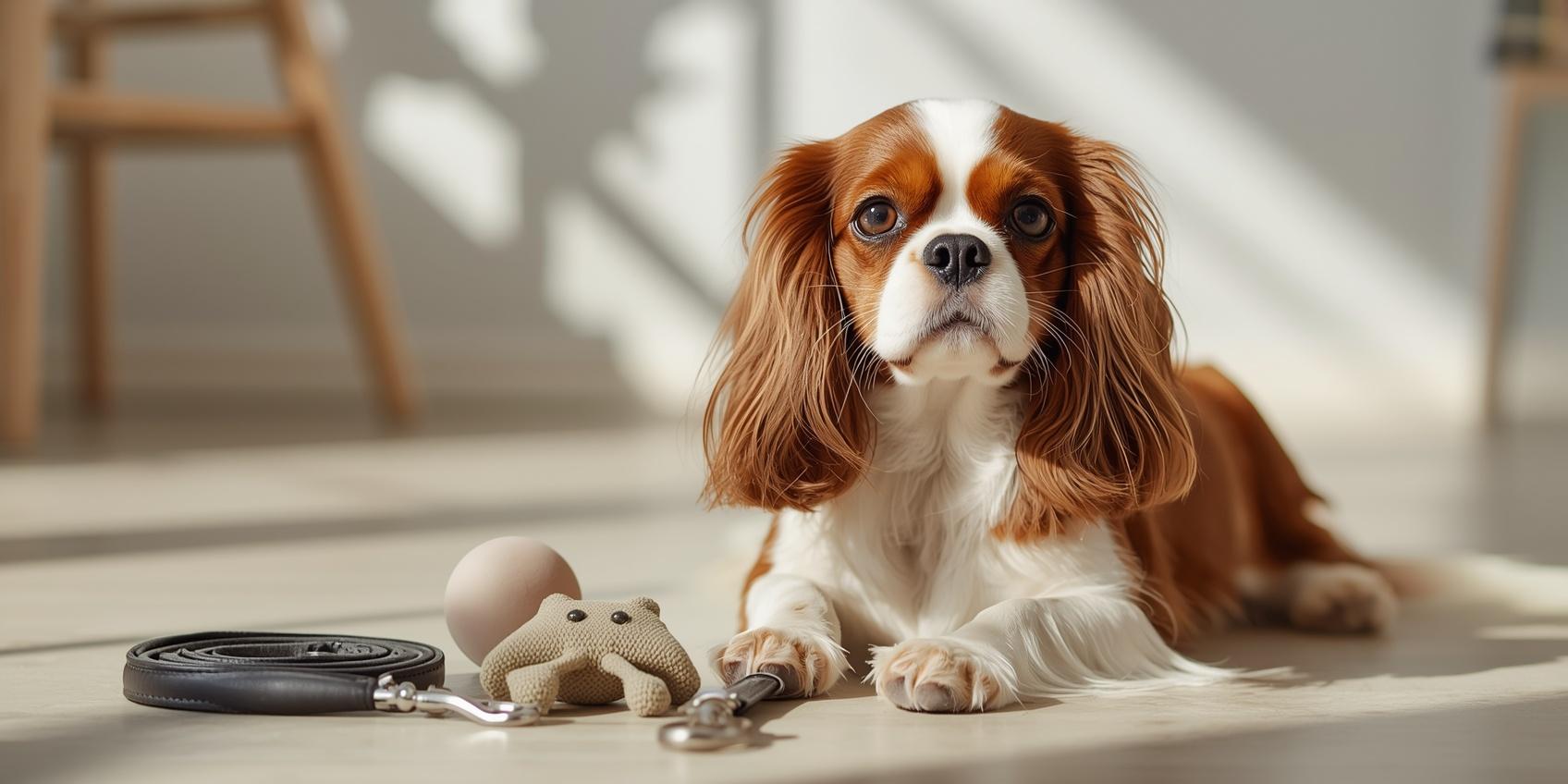
Cavalier King Charles Spaniel Misconceptions

If you’re thinking about bringing a Cavalier King Charles Spaniel into your life, you might have heard some things that don’t quite add up. Maybe you’ve been told they are low-energy dogs or that they don’t require much grooming. These common ideas can lead to surprises down the road, and you want to be ready. Understanding the truth about this charming breed will help you give your new companion the best care and happiness possible. Keep reading to discover the real story behind Cavalier King Charles Spaniel misconceptions and make sure your furry friend’s needs are truly met. Credit: www.akc.org Common Myths Cavalier King Charles Spaniels are loved by many. Yet, several myths about this breed cause confusion. These common myths often create wrong ideas about their nature and care. Understanding the truth helps owners give better love and attention to their pets. Aggressiveness Myths Many think Cavaliers are aggressive dogs. This is not true. They are gentle and friendly by nature. They enjoy meeting new people and other pets. Aggression is rare unless the dog feels scared or threatened. Proper training and socialization keep them calm and happy. Health Misconceptions People believe Cavaliers have many health problems. While some health issues exist, they are not always serious. Regular vet visits help catch problems early. Good diet and exercise improve their health. Most Cavaliers live long and happy lives with proper care. Exercise Needs Misunderstood Some say Cavaliers need a lot of exercise. They do need daily walks and playtime. But they are not high-energy dogs. Short walks and indoor play often keep them fit. They enjoy calm activities and love to relax with their owners. Temperament Truths The Cavalier King Charles Spaniel often faces many myths about its temperament. These dogs are not just pretty faces. Their true nature is gentle, loving, and calm. Understanding their real temperament helps owners enjoy better relationships with their pets. Let’s explore some important truths about their character. Friendly Nature Cavaliers are known for their warm and friendly attitude. They greet everyone with a wagging tail. Strangers and children alike feel welcomed by these dogs. Their kind and gentle nature makes them great companions. This breed rarely shows aggression or fear. They thrive on positive attention and love to please. Social Behavior These spaniels enjoy being around people and other pets. They do not like to be left alone for long. Social interaction is vital for their happiness. Cavaliers are playful but calm, fitting well in various social settings. They adapt easily to new environments and friends. This social nature helps reduce anxiety and stress in the dog. Compatibility With Families Cavaliers fit well into family life. They are patient and gentle with children. Their calm demeanor makes them safe for homes with kids. These dogs enjoy participating in family activities. They form strong bonds with all family members. Cavaliers bring warmth and joy to any household. Health Realities Cavalier King Charles Spaniels are often seen as healthy and happy dogs. Some think they never face health problems. The truth is different. This breed has specific health realities owners should know. Understanding these helps give the best care and keeps them happy. Common Health Issues Cavaliers often suffer from heart problems, especially mitral valve disease. This disease affects the heart’s ability to pump blood well. Many also face ear infections because of their floppy ears. Eye conditions like cataracts and retinal problems occur too. Some Cavaliers have hip dysplasia, which affects their joints and movement. Preventive Care Tips Regular vet check-ups catch issues early. Clean their ears weekly to avoid infections. Brush their teeth to prevent dental problems. Feeding a balanced diet supports their heart and joints. Exercise keeps them fit but avoid hard jumps to protect joints. Early screening for heart problems helps manage disease better. Lifespan Expectations Cavaliers live about 10 to 14 years. Good care can extend their life. Health problems might shorten it if unchecked. Knowing their risks helps owners plan for a longer life. Love and proper care make them great companions for years. Training And Exercise Cavalier King Charles Spaniels often get misunderstood about their training and exercise needs. Many think they are very lazy or extremely high energy. The truth lies somewhere in between. Understanding their real needs helps owners provide better care and happier lives. Energy Levels Cavaliers have moderate energy. They enjoy playtime but also love resting. They are not hyperactive dogs. Their energy suits families and apartment living. Expect bursts of fun, then quiet moments. This balance makes them good companions for calm and active owners alike. Training Challenges These dogs are smart but can be stubborn. Training requires patience and consistency. They respond well to gentle commands and rewards. Harsh methods confuse or scare them. Early socialization helps avoid fear or shyness. Regular short training sessions work best. Daily Activity Suggestions Daily walks keep Cavaliers healthy and happy. Aim for two 20-minute walks or one longer walk. Play fetch or gentle games to stimulate their minds. Indoor play works well on rainy days. Mental activities like puzzle toys also help. Balance exercise with rest for best results. Grooming Needs Caring for a Cavalier King Charles Spaniel’s coat is often misunderstood. Many believe these dogs need constant and intense grooming. The truth is, their grooming needs are manageable with regular care. Knowing the basics helps keep your dog healthy and happy without stress. Coat Maintenance The Cavalier’s coat is soft and silky, not thick or coarse. It needs brushing about three times a week. This stops mats and tangles from forming. Use a gentle brush to avoid hurting their skin. Pay close attention to areas behind the ears and under the legs. These spots tangle the fastest. Shedding Facts Cavaliers shed lightly throughout the year. They do not lose large clumps of hair at once. Regular brushing helps control loose hair in your home. Shedding increases a little during spring and fall. Expect more hair on your clothes and furniture then. A … Read more
Best Ways to Stop Cavalier King Charles Spaniel Barking: Solutions

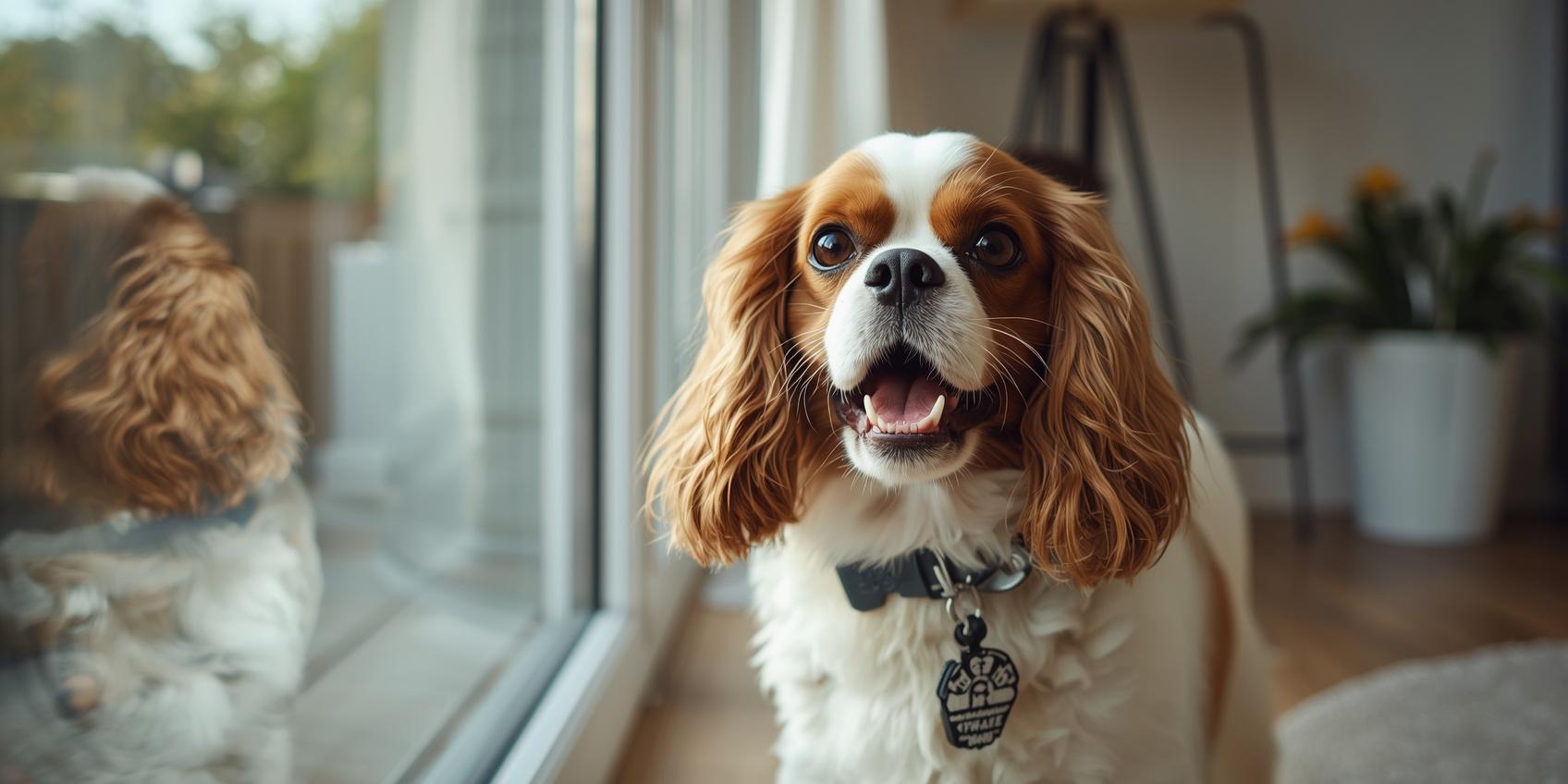
Cavalier King Charles Spaniel Barking

If you’ve ever owned a Cavalier King Charles Spaniel, you know how sweet and loving they are. But what happens when your furry friend starts barking more than usual? It can be confusing and even frustrating. You want to understand why your Cavalier King Charles Spaniel barking and how to handle it without stress. This article will help you uncover the reasons behind your dog’s barking and show you simple ways to keep your home peaceful. Keep reading—you’re about to discover the secrets to happy, calm moments with your beloved pet. Barking Traits Cavalier King Charles Spaniels have a unique way of using their voices. Their barking shows their feelings and needs. Understanding their barking helps owners respond well. It also builds a strong bond between dog and owner. These dogs are not known for loud, constant barking. Their barks tend to be soft but clear. They use barking to alert, express excitement, or ask for attention. Breed Vocal Tendencies Cavaliers are gentle and friendly. They rarely bark without a reason. Their barks sound high-pitched and short. They prefer soft, quick barks over loud, long ones. They bark more when they feel excited or anxious. Their bark can be a way to communicate joy or stress. This breed is not a natural guard dog. Common Triggers Cavaliers bark at new sounds or strangers. Sudden noises like doorbells often cause barking. They also bark when they want attention or play. Separation can make them bark more. They dislike being left alone for too long. Their barking warns owners about changes around the home. Reasons For Barking Cavalier King Charles Spaniels bark for many reasons. Understanding why they bark helps you respond better. It also strengthens your bond with your pet. Some reasons are natural and common in this breed. Others may need your attention to stop unwanted barking. Alert And Protection These dogs bark to warn about strangers or sounds. Their barking tells you something is happening nearby. It is a natural way to protect their home. They act as little guards despite their small size. Attention Seeking Cavaliers often bark to get your attention. They want to play, eat, or just be close. Barking helps them say, “Look at me!” They need your response to feel happy and loved. Boredom And Anxiety Barking can show boredom or stress in these dogs. They may feel lonely or have too much energy. Barking helps release their nervousness or frustration. Giving them toys and time outside reduces this type of barking. Managing Excessive Barking Managing excessive barking in Cavalier King Charles Spaniels helps keep your home calm. This breed is naturally vocal but some dogs bark more than needed. Controlling this behavior improves your dog’s happiness and your peace. Understanding how to guide your dog gently makes a big difference. Consistent effort and patience are key. Use clear methods that suit your dog’s personality and needs. Training Techniques Start with simple commands like “quiet” or “enough.” Use short training sessions daily. Teach your dog to stop barking on command. Redirect their attention to toys or treats. Avoid yelling, which can cause more barking. Use calm, firm tones to show control. Environmental Adjustments Remove triggers that cause barking. Close windows to block outside noises. Use white noise machines to mask sounds. Provide a quiet, safe space for your dog. Keep your dog busy with puzzles and toys. Regular walks reduce excess energy that fuels barking. Positive Reinforcement Reward your dog when it stays quiet. Use treats, praise, or play as rewards. Timing is important—reward immediately after good behavior. Ignore barking to avoid giving attention. Reinforce calm behavior consistently every day. This builds trust and encourages good habits. Credit: www.reddit.com Socialization’s Role Socialization plays a key role in managing Cavalier King Charles Spaniel barking. It helps your dog feel safe around new people, places, and sounds. A well-socialized dog barks less out of fear or confusion. Social experiences build calmness and reduce stress. This creates a happier, quieter pet. Introducing your Cavalier to different environments early makes a big difference. Positive encounters prevent fear-based barking. Socialization also teaches your dog how to react properly. It builds trust between you and your pet. The result is a confident dog that barks only when needed. Reducing Fear-based Barking Fear often triggers excessive barking in Cavaliers. New sights and sounds can feel scary. Socialization exposes your dog to these calmly. Over time, your dog learns nothing bad will happen. This lowers anxiety and barking. Gentle introductions to strangers and other pets help. Short, positive sessions work best. Your dog gains comfort, not stress. Building Confidence Confidence stops nervous barking before it starts. Socializing your Cavalier boosts bravery. Meeting different people and dogs makes them bold. Praise and treats during social time reinforce good behavior. A confident dog feels safe and relaxed. This means fewer alerts and less noise. Regular social visits keep confidence strong. Your dog enjoys life more and barks less. Health Factors Health plays a big role in how much your Cavalier King Charles Spaniel barks. Changes in their body or feelings can cause them to bark more or differently than usual. Understanding these health factors helps you know why your dog is barking. Some health issues make dogs bark to tell us something is wrong. Paying attention to these signs can keep your dog safe and happy. Pain-related Vocalization Pain is a common cause of increased barking. Your dog may bark if it feels hurt or sick. This barking is often sharp or unusual. It can happen after injury or illness. Dogs cannot tell us where it hurts. Barking is one way to show discomfort. Watch for other signs like limping or restlessness. These clues help find the cause of pain. A vet visit is important to treat pain and reduce barking. Age And Hearing Changes Older dogs may bark more due to hearing loss. When dogs cannot hear well, they may feel confused. Barking helps them react to sounds they do not understand. … Read more

Best Dog Treats for Bad Breath: Freshen & Protect Teeth

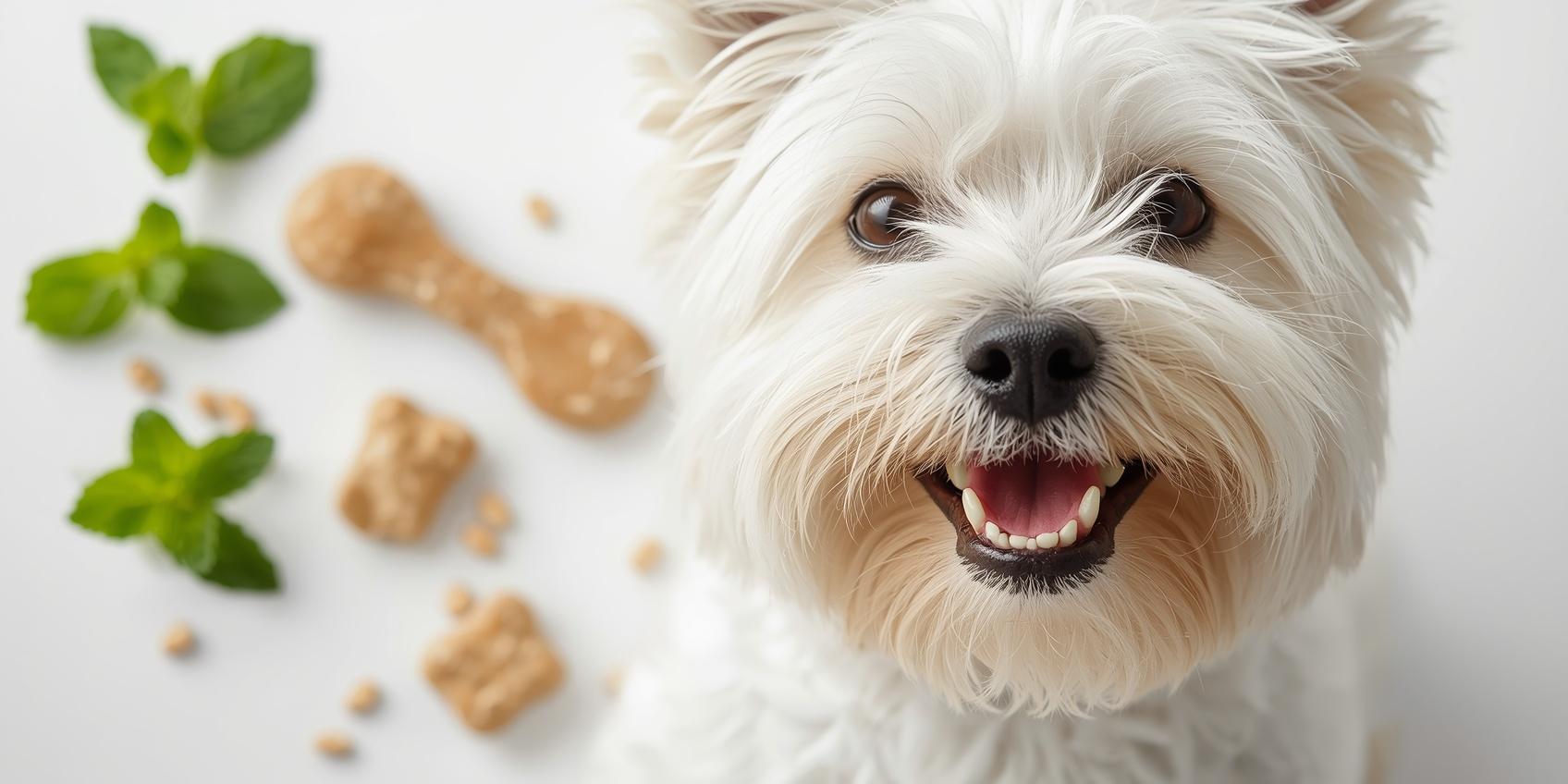
Dog Treats for Bad Breath

Is your dog’s breath making cuddle time less enjoyable? Bad breath in dogs is more common than you might think, and it can be a sign of dental problems or other health issues. But don’t worry—there’s a simple and tasty way to help your furry friend freshen up. Dog treats for bad breath are specially designed to fight odor and keep your pup’s mouth healthy. Keep reading to discover how these treats work and which ones are the best for your dog’s smile and your nose! Causes Of Bad Breath In Dogs Bad breath in dogs is more than just a nuisance. It often signals an underlying problem. Understanding the causes helps in treating and preventing it effectively. Several factors can lead to unpleasant odors from your dog’s mouth. Some causes are simple to fix, while others need veterinary care. Knowing these causes can guide you to the right dog treats and dental care products. Dental Issues Dental problems are the top cause of bad breath in dogs. Plaque and tartar buildup create bacteria. These bacteria produce foul odors. Gum disease, tooth decay, and infections worsen the smell. Regular dental checkups and cleanings are important. Diet And Digestion Your dog’s diet impacts their breath. Certain foods leave strong smells in the mouth. Poor digestion can cause bad breath too. When food does not digest well, it creates gas. This gas can come up as bad breath. Underlying Health Problems Some health issues cause bad breath in dogs. Kidney disease, diabetes, and liver problems affect breath odor. These conditions need quick veterinary attention. Bad breath may be the first sign of illness. Early detection helps in better treatment. Benefits Of Using Dog Treats Dog treats for bad breath do more than just mask odors. They help keep your dog’s mouth clean and healthy. Using these treats regularly supports your pet’s overall dental care. They also encourage good habits that improve oral hygiene. Small, tasty treats can make a big difference in your dog’s breath and teeth. Choosing the right treats can benefit your dog’s health in several ways. They freshen breath, promote dental health, and encourage chewing. Each benefit works together to keep your dog happy and healthy. Freshening Breath Dog treats for bad breath contain ingredients that fight odor. They reduce bacteria that cause smelly breath. Treats with mint or parsley leave a fresh scent. Chewing these treats helps clean the mouth naturally. Your dog’s breath will smell cleaner after regular use. Promoting Dental Health Treats help remove plaque and tartar buildup. This prevents gum disease and tooth decay. Crunchy textures scrub the teeth while chewing. Some treats include enzymes that break down harmful bacteria. Regular treats can reduce visits to the vet for dental problems. Encouraging Chewing Habits Chewing is a natural way for dogs to clean teeth. Treats provide a safe and healthy outlet for this need. They keep dogs busy and reduce boredom. Good chewing habits also prevent destructive behavior. Using treats trains dogs to chew on proper items. Types Of Dog Treats For Breath Bad breath in dogs can be unpleasant and a sign of dental issues. Treats designed to fight bad breath offer a simple way to help your dog’s oral health. Different types of treats work in different ways to freshen breath and clean teeth. Choosing the right type helps keep your dog’s mouth healthy and smelling fresh. Here are the main types of dog treats that target bad breath. Natural Ingredients Treats made with natural ingredients often include herbs like parsley and mint. These herbs help reduce bad odor naturally. Natural treats avoid chemicals and artificial additives that may upset your dog’s stomach. They often contain ingredients that support digestion and oral health. Many dogs enjoy the mild flavors of these natural treats. Enzymatic Treats Enzymatic treats contain special enzymes that break down plaque and bacteria. These enzymes help clean teeth and freshen breath. They work gently and support long-term dental health. Regular use can reduce tartar buildup and prevent gum disease. Enzymatic treats are a popular choice for dogs with sensitive mouths. Chew Toys With Freshening Properties Chew toys made to freshen breath combine play with dental care. These toys often have textured surfaces that scrape away plaque. Some include breath-freshening agents or flavors. Chewing helps increase saliva, which cleans the mouth naturally. Dogs enjoy chewing, making these toys a fun way to fight bad breath. Choosing The Right Treat Choosing the right dog treat helps fight bad breath effectively. Not all treats are equal. Some treats clean teeth better and freshen breath faster. Picking the best treat depends on size, texture, and ingredients. Size And Texture Size matters for safety and effectiveness. Treats should fit your dog’s mouth easily. Too big or too hard treats may cause choking or tooth damage. Soft treats work well for small or older dogs. Crunchy treats help scrape off plaque and reduce bad breath. Choose texture based on your dog’s chewing habits. Ingredients To Avoid Avoid treats with artificial colors or flavors. These can irritate your dog’s mouth and stomach. Sugars and fillers feed bacteria that cause bad breath. Look for natural ingredients like parsley or mint. These help freshen breath naturally. Always check the ingredient list before buying. Vet Recommendations Consult your vet for the best treat options. Vets know what suits your dog’s health needs. They can suggest treats that improve dental health. Some dogs need special treats for sensitive teeth. Following vet advice ensures safe and effective breath care. Diy Dog Treat Recipes Making your own dog treats at home is a great way to fight bad breath naturally. You control the ingredients and avoid harmful chemicals. These treats can be fresh, tasty, and healthy for your dog’s mouth. Simple recipes with natural items help clean teeth and freshen breath. Herbal Breath Fresheners Herbs like parsley and mint work well to freshen breath. Chop fresh parsley finely and mix it into plain yogurt. Mint leaves can be blended into a dog-safe … Read more

Best Pumpkin Puree Dog Food Topper: Boost Digestion & Nutrition

Pumpkin Puree Dog Food Topper

Are you looking for a simple way to boost your dog’s meals? Pumpkin puree dog food toppers might be just what you need. They add flavor, nutrition, and even help with digestion. Imagine giving your furry friend a tasty treat that supports their health every day. Keep reading to discover why pumpkin puree could be the perfect addition to your dog’s diet and how to use it safely and effectively. Credit: www.amazon.com Benefits Of Pumpkin Puree For Dogs Pumpkin puree is a simple, natural food topper for dogs. It offers many health benefits that support your pet’s well-being. Adding pumpkin puree to your dog’s meals can improve digestion, aid weight control, and provide important nutrients. Its mild taste and soft texture make it easy for dogs to eat. Pumpkin puree is gentle on the stomach and can help with both constipation and diarrhea. This makes it a great choice for dogs with sensitive digestion. Improves Digestion Pumpkin puree contains fiber that helps move food through the digestive tract. It soothes the stomach and reduces upset. This fiber can help regulate bowel movements, easing constipation or diarrhea. The natural moisture in pumpkin also keeps your dog hydrated. A healthy gut means better nutrient absorption and less discomfort. Many dog owners see faster recovery from digestive issues with pumpkin added to meals. Supports Weight Management Pumpkin puree is low in calories but high in fiber. This combination helps dogs feel full longer after eating. It prevents overeating and supports healthy weight control. Fiber slows digestion, which helps keep hunger at bay. Pumpkin also adds bulk to meals without extra fat. This makes it a good choice for dogs needing to lose weight or maintain a healthy size. Rich In Nutrients Pumpkin is packed with vitamins and minerals. It contains vitamin A, C, and E, which support vision and immunity. Potassium and iron help maintain strong muscles and red blood cells. Antioxidants in pumpkin protect cells from damage. These nutrients work together to keep your dog healthy and active. Regular use of pumpkin puree can boost overall vitality. Credit: www.petsmart.com Choosing The Right Pumpkin Puree Choosing the right pumpkin puree for your dog’s food topper is important. Not all pumpkin purees are the same. Some are better for your dog’s health and digestion. Knowing what to pick helps keep your pet happy and healthy. Consider the type of pumpkin puree, its ingredients, and how it is made. This guide will help you find the best pumpkin puree for your furry friend. Canned Vs. Fresh Pumpkin Canned pumpkin is easy to use and lasts long. It is cooked and soft, perfect for mixing with dog food. Fresh pumpkin needs cooking before serving. It offers a natural taste but can be harder to prepare. Choose canned for convenience and fresh for a homemade touch. Avoiding Additives And Preservatives Check labels carefully. Some pumpkin purees contain sugar, salt, or spices. These can upset your dog’s stomach. Pick pure pumpkin without any added ingredients. Pure pumpkin is safer and better for your dog’s digestion. Organic Options Organic pumpkin is grown without pesticides or chemicals. It is cleaner and safer for your pet. Organic options usually cost more but offer extra health benefits. Choose organic if you want the purest pumpkin for your dog. How To Use Pumpkin Puree As A Food Topper Pumpkin puree is a simple, healthy way to boost your dog’s meals. It adds flavor and nutrients that support digestion. Using pumpkin as a food topper is easy and safe with the right steps. Follow clear guidelines for serving size, mixing, and frequency. This helps your dog enjoy pumpkin without stomach upset. Learn how to add pumpkin puree correctly to dry or wet food. Serving Size Guidelines Start with a small amount. One teaspoon for small dogs works well. Medium dogs can have one to two teaspoons. Large dogs may enjoy up to one tablespoon. Watch your dog’s reaction before increasing the amount. Too much pumpkin can cause loose stools. Mixing With Dry And Wet Food Mix pumpkin puree well into your dog’s food. For dry kibble, add a spoonful on top. Stir lightly to coat the pieces. For wet food, blend pumpkin directly in. This improves taste and texture. Make sure the food is cool or room temperature before mixing. Frequency Of Use Use pumpkin puree as a topper two to three times a week. Avoid daily use to prevent digestive issues. Monitor your dog’s stool and energy levels. Adjust the frequency based on how your dog responds. Pumpkin works best as a treat or supplement, not a main meal. Potential Risks And Precautions Pumpkin puree dog food topper offers many benefits but also has some risks. Knowing these risks helps keep your dog safe and healthy. Use pumpkin puree carefully and watch your dog for any problems. This section covers important risks and precautions to consider. Allergic Reactions Some dogs may be allergic to pumpkin or ingredients in the puree. Watch for signs like itching, swelling, or trouble breathing. Allergies can show up as skin rashes or stomach upset. Stop feeding the topper if any reaction appears. Allergic reactions need quick attention to avoid serious problems. Overfeeding Concerns Giving too much pumpkin puree can cause diarrhea or stomach pain. Pumpkin is high in fiber, which affects digestion. Use only small amounts as a food topper. Overfeeding may also lead to weight gain if extra calories add up. Balance is key to keeping your dog’s diet healthy. Consulting Your Veterinarian Always talk to your vet before adding pumpkin puree to your dog’s food. Your vet knows your dog’s health needs and diet. They can recommend safe amounts and check for any health risks. Vet advice helps avoid problems and ensures your dog benefits from the topper. Diy Pumpkin Puree Recipes For Dogs Making pumpkin puree for your dog is easy and healthy. This tasty topper adds nutrients and fiber to your dog’s meals. You can prepare it at home with simple steps. Fresh … Read more

Best Dog Treats for Sensitive Stomachs: Gentle & Safe Options

Dog Treats for Sensitive Stomachs

If your dog has a sensitive stomach, you know how hard it can be to find treats that won’t upset their tummy. You want to spoil your furry friend, but not at the cost of discomfort or digestive issues. Luckily, there are tasty and gentle dog treats for sensitive stomachs that designed just for dogs like yours. You’ll discover the best options to keep your pup happy and healthy without any stomach troubles. Keep reading to learn how to choose treats that your dog will love and that will keep their tummy calm. Credit: hutchpaving.com Causes Of Sensitive Stomachs In Dogs Dogs with sensitive stomachs often suffer from discomfort and digestive issues. Understanding the causes helps pet owners choose the right treats. Sensitive stomachs can stem from several factors. These factors affect how dogs digest food and absorb nutrients. Identifying the root cause can improve your dog’s health and happiness. Common Triggers Many dogs react to sudden changes in diet or eating spoiled food. Stress and anxiety can also upset a dog’s stomach. Some dogs are sensitive to certain ingredients like dairy or artificial additives. Overeating or eating too fast may cause stomach pain and vomiting. Recognizing these triggers helps prevent future problems. Food Allergies And Intolerances Food allergies cause immune reactions after eating certain proteins. Common allergens include beef, chicken, dairy, and wheat. Food intolerances do not involve the immune system but cause digestive upset. Symptoms include diarrhea, gas, and itching. Choosing treats with limited or novel ingredients can reduce reactions. Digestive Disorders Some dogs have medical conditions that affect digestion. Examples include inflammatory bowel disease and pancreatitis. These disorders cause chronic stomach pain and poor nutrient absorption. Dogs with digestive issues need special diets and gentle treats. Regular vet check-ups help manage these conditions effectively. Choosing The Right Treats Choosing the right treats for dogs with sensitive stomachs requires care. Treats can affect digestion and overall health. Some ingredients cause upset stomachs or allergies. Knowing what to avoid and what is safe helps keep dogs happy and healthy. Ingredients To Avoid Artificial colors and flavors often irritate sensitive tummies. Wheat, corn, and soy can cause allergies or digestion problems. Dairy products may lead to upset stomach or diarrhea. Avoid treats with preservatives like BHA and BHT. These ingredients can worsen stomach issues in dogs. Safe And Gentle Ingredients Simple, natural ingredients work best for sensitive dogs. Sweet potatoes, pumpkin, and carrots are easy to digest. Chicken and turkey are good protein choices. Brown rice and oats provide gentle carbohydrates. These ingredients support digestion and reduce stomach upset. Hypoallergenic Treat Options Hypoallergenic treats use limited ingredients to lower allergy risks. Many use novel proteins like venison or duck. Grain-free options help dogs with grain sensitivities. These treats avoid common allergens to protect sensitive stomachs. Always check labels for hidden ingredients. Homemade Treat Recipes Making dog treats at home is a great way to control what your pet eats. This is very helpful for dogs with sensitive stomachs. You can choose safe ingredients that do not upset their digestion. Homemade treats often use simple, healthy ingredients. They avoid additives and preservatives found in many store-bought snacks. Your dog gets fresh, tasty bites made with care. Simple Grain-free Treats Grains can cause stomach problems for some dogs. Try making treats without wheat, corn, or rice. Use ingredients like coconut flour or almond flour instead. Mix these with eggs and a bit of pumpkin puree. Pumpkin helps digestion and is gentle on the stomach. Cut dough into small shapes and bake until firm. These treats are easy to digest and tasty. Low-fat Snack Ideas Fat can upset sensitive dog stomachs. Choose low-fat ingredients like plain cooked chicken or sweet potato. Mash the sweet potato and mix it with chicken broth. Shape into small balls or flatten into thin cookies. Bake at a low temperature until dry. These snacks provide energy without causing tummy troubles. Perfect for dogs needing a gentle diet. Using Limited Ingredients Simple recipes with few ingredients reduce risk of upset. Stick to basics like oats, carrots, and apples. These foods are usually safe and easy to digest. Mix oats with grated carrots and a little apple sauce. Form small treats and bake until firm. Limited ingredients mean less chance of allergies or problems. Your dog enjoys a clean, healthy snack every time. Commercial Treat Brands To Consider Choosing the right dog treats for sensitive stomachs can be tricky. Many dogs need gentle ingredients to avoid tummy troubles. Commercial treat brands offer options designed to support digestion and keep pets happy. These brands often use simple recipes that limit allergens and irritants. Here are some reliable commercial treat brands worth considering. They balance taste and tummy health well. Each brand brings unique benefits for dogs with sensitive stomachs. Top Vet-recommended Brands Some brands get strong praise from veterinarians. These treats often contain limited ingredients and avoid common allergens. Brands like Hill’s Prescription Diet and Royal Canin make treats formulated to support digestive health. They use tested recipes that help reduce stomach upset. These treats can be good for dogs with food sensitivities or allergies. Organic And Natural Options Natural treats appeal to pet owners who want fewer chemicals in their dog’s diet. Brands like Blue Buffalo and Wellness offer organic or natural treats. They use real meat and simple plant-based ingredients. These treats avoid artificial colors, flavors, and preservatives. Dogs with sensitive stomachs may find these gentler and easier to digest. Budget-friendly Choices Quality treats do not always mean high prices. Several brands provide affordable options that still focus on sensitive stomachs. Look for treats from brands like Zuke’s and Nutro. They offer limited ingredient recipes without a big cost. These treats help keep your dog’s tummy calm and your wallet happy. Tips For Introducing New Treats Introducing new dog treats to a pet with a sensitive stomach needs care. Sudden changes can upset digestion and cause discomfort. Taking small, careful steps helps your dog accept the new treat … Read more

Calming Dog Treats for Anxiety: Natural Relief Solutions

Calming Dog Treats for Anxiety

If your dog struggles with anxiety, you know how hard it is to see them stressed or scared. You want to help them feel calm and safe, but finding the right solution can be tricky. That’s where calming dog treats for anxiety come in—they’re an easy and natural way to ease your pet’s worries. You’ll discover how these treats work, what ingredients really help, and how to choose the best ones for your furry friend. Keep reading to find out how you can bring peace and comfort to your dog’s life today. Credit: www.amazon.com Causes Of Anxiety In Dogs Anxiety in dogs can stem from many different causes. Understanding these causes helps pet owners provide the right care. Dogs, like people, feel stress from their surroundings. This stress can trigger anxious behaviors that affect their health and happiness. Some dogs develop anxiety due to changes in their environment or routine. Others might feel scared of loud noises or new places. Genetics can also play a role, making some dogs more prone to anxiety than others. Common Triggers Loud noises such as thunder or fireworks often scare dogs. New environments or travel can make dogs feel uneasy. Separation from their owners is a big cause of anxiety. Changes in routine or new people around can also trigger stress. Some dogs fear other animals or busy places. Past trauma or neglect may cause deep anxiety in some dogs. Behavioral Signs Anxious dogs may bark or whine more than usual. Pacing, trembling, or hiding are common signs. Some dogs chew furniture or scratch doors. Loss of appetite can show anxiety. Excessive licking or drooling may occur. Restlessness and avoiding eye contact are typical behaviors. Recognizing these signs early helps manage anxiety better. Ingredients That Soothe Dogs Calming dog treats contain special ingredients that help reduce anxiety. These ingredients work gently to relax dogs without harmful effects. Natural components support a dog’s mood and calm their nerves. Understanding these ingredients helps pet owners choose the right treats. Herbal Additives Herbs like chamomile and valerian root are common in calming treats. Chamomile soothes the stomach and promotes relaxation. Valerian root helps reduce stress and nervousness. Lavender is another herb that calms dogs with its mild scent. These herbs have been used for centuries for their calming effects. Nutritional Supplements Supplements like L-theanine and tryptophan support brain health. L-theanine comes from green tea and helps reduce anxiety. Tryptophan is an amino acid that boosts serotonin, the happy hormone. Omega-3 fatty acids also help by reducing inflammation and calming the brain. These nutrients improve mood and promote calm behavior in dogs. Types Of Calming Treats Calming dog treats come in various forms to suit different needs and preferences. Each type offers a unique way to help reduce anxiety in dogs. Understanding these types helps pet owners choose the best option for their furry friends. Chewables And Biscuits Chewables and biscuits are firm treats that dogs enjoy chewing. They provide a calming effect through natural ingredients like chamomile and valerian root. These treats also help distract dogs from anxiety by giving them something to chew. Chewables support dental health while soothing nerves. Soft Chews And Pastes Soft chews and pastes are easier to eat, especially for older dogs or those with dental issues. They contain calming herbs and supplements like L-theanine and CBD. These treats absorb quickly, offering faster relief from stress. Soft textures make dosing simple and enjoyable for dogs. Credit: www.holistapet.com Choosing Safe Treats Choosing safe calming dog treats is very important for your pet’s health. Not all treats are made with good ingredients. Some treats may contain harmful substances that can make anxiety worse. Pay close attention to what you buy. Safe treats help your dog feel calm without causing side effects. Check the treat’s quality and ingredients carefully. This helps you avoid risks and keep your dog safe. Learn how to read labels and spot harmful components. This knowledge helps you pick the best treats for your dog’s anxiety. Reading Labels Labels show what is inside the treat. Look for simple and natural ingredients. Avoid treats with many chemicals or artificial colors. Check for calming ingredients like chamomile or valerian root. These can help reduce anxiety safely. Watch the amount of protein and fat. Good balance keeps your dog healthy and calm. Avoiding Harmful Components Some ingredients harm your dog’s health. Avoid treats with artificial preservatives like BHA or BHT. These can cause allergies or stomach problems. Steer clear of added sugars and salt. These worsen health and behavior. Avoid fillers like corn, wheat, and soy. These can trigger allergies and upset digestion. Always choose treats made for dogs, not human snacks. Homemade Vs. Store-bought Choosing between homemade and store-bought calming dog treats can be tricky. Each option has its own strengths. Knowing these can help you pick what fits your dog’s needs best. Both aim to ease anxiety but differ in ingredients and preparation. Benefits Of Homemade Treats Homemade treats let you control every ingredient. You can avoid fillers and additives that may upset your dog. Using fresh, natural ingredients often means better taste and nutrition. You can tailor recipes to your dog’s allergies or preferences. Making treats at home can be a fun activity. Plus, it ensures your dog gets calming ingredients like chamomile or CBD in safe amounts. Convenience Of Commercial Options Store-bought treats save time and effort. They come ready to serve, perfect for busy days. Many products have been tested for safety and consistency. Labels often show the exact calming ingredients and doses. Commercial treats are easy to carry on walks or trips. They last longer than homemade ones, reducing waste. Buying from trusted brands gives peace of mind about quality. Integrating Treats Into Training Integrating calming dog treats into training helps reduce anxiety and builds trust. These treats support good behavior during stressful moments. Trainers can encourage calmness while teaching commands. Combining treats with training creates a positive learning space for dogs. Positive Reinforcement Techniques Use calming … Read more

Cavalier King Charles Spaniel Facts – Amazing Breed Guide

Cavalier King Charles Spaniel Facts

Are you curious about the charming Cavalier King Charles Spaniel? This small dog has a big heart and an even bigger personality. Whether you’re thinking about bringing one into your home or just want to learn more about Cavalier King Charles Spaniel Facts, these facts will surprise and delight you. From their playful nature to their unique history, you’ll discover why so many people fall in love with this breed. Keep reading to uncover everything you need to know about your potential new best friend! Origin And History The Cavalier King Charles Spaniel is a small dog with a rich past. Its origin and history tell a story of royal favor and careful breeding. This breed has roots that trace back several centuries. It was a favorite among English nobility and royalty. Its charming looks and gentle nature made it a prized companion. Early Beginnings In England The breed began in England during the 1600s. It was named after King Charles II, who adored small spaniels. These dogs often appeared in paintings and royal courts. They were bred to be companion dogs for the upper class. Influence Of King Charles Ii King Charles II loved these small spaniels deeply. His fondness made the breed popular among nobles. The dogs were prized for their friendly and affectionate behavior. They often stayed close to the king and his family. Development Over Time Over time, the breed’s look changed. Breeders mixed it with other small spaniels. This created a slightly different dog called the English Toy Spaniel. In the 1920s, efforts began to bring back the original type. The goal was to restore the breed’s classic features and charm. Modern Recognition And Popularity The Cavalier King Charles Spaniel gained official recognition in the 20th century. Dog clubs helped standardize the breed’s traits. Today, it is a beloved pet worldwide. Its history adds to its unique and endearing character. Physical Characteristics The Cavalier King Charles Spaniel has a charming and elegant look. This small dog is known for its soft features and friendly face. Its physical traits make it easy to recognize and loved by many. Size And Weight Cavaliers are small dogs with a balanced body. They usually weigh between 13 and 18 pounds. Their height ranges from 12 to 13 inches at the shoulder. This size makes them perfect for homes of all kinds. Coat And Colors The coat is silky and smooth, lying flat on the body. It needs regular brushing to stay shiny and healthy. Cavaliers come in four main colors: Blenheim (chestnut and white), tricolor (black, white, and tan), ruby (solid red), and black and tan. Each color is bright and eye-catching. Distinctive Features Big, dark eyes give Cavaliers a sweet expression. Their long ears are feathered and soft. The tail is also feathered and carried happily. These features create a gentle and loving appearance. Their face looks kind and eager to please. Temperament And Personality The Cavalier King Charles Spaniel is known for its sweet and gentle nature. This breed loves to be close to people and enjoys making friends. Their temperament is calm but playful, making them great companions. These dogs adapt well to many living situations. They bring warmth and joy to any home. Behavior With Families Cavaliers are very loving with family members. They enjoy cuddles and being part of daily activities. They get along well with children and are patient. These dogs rarely show aggression or fear. Their friendly nature makes them excellent family pets. Compatibility With Other Pets Cavaliers usually get along well with other pets. They are social and enjoy company. Dogs, cats, and small animals can live peacefully with them. Early socialization helps them accept new friends easily. They are gentle and rarely show dominance. Activity Levels This breed has moderate energy needs. They enjoy short walks and playful time outside. Cavaliers like to rest after exercise and relax indoors. They are suitable for people who enjoy a calm lifestyle. Regular play keeps them happy and healthy. Health Considerations Caring for a Cavalier King Charles Spaniel means knowing about their health needs. These dogs are sweet and friendly but can face some health problems. Understanding these issues helps owners give the best care. This section covers common health issues, lifespan, and preventive care tips. Common Health Issues Cavalier King Charles Spaniels often face heart problems. Mitral valve disease is the most common heart issue. It can cause coughing and tiredness in dogs. They may also get ear infections due to their long ears. Regular cleaning helps prevent this problem. Another concern is hip dysplasia, which affects the joints and causes pain. Some Cavaliers suffer from syringomyelia, a condition affecting the brain and spine. Watch for signs like scratching or sensitivity around the neck. Early detection improves care options. Lifespan The average lifespan of a Cavalier King Charles Spaniel is 12 to 15 years. Good care and regular vet visits can help dogs live longer. Healthy diets and exercise also support their longevity. Preventive Care Routine vet check-ups catch health issues early. Vaccinations and parasite control keep dogs safe from diseases. Dental care is important to avoid tooth problems. Feeding balanced food and daily exercise keeps Cavaliers healthy. Grooming, especially ear cleaning, helps prevent infections. Watch your dog’s behavior and physical changes closely. Training And Exercise Cavalier King Charles Spaniels are gentle and smart dogs. Training and exercise help keep them happy and healthy. These dogs enjoy learning new things and spending time with their owners. Regular activity stops them from getting bored or restless. Proper training builds good habits and a strong bond with your pet. Basic Training Tips Start training early and keep sessions short. Use clear commands and a calm voice. Reward good behavior with treats or praise. Be patient and consistent every day. Avoid harsh corrections or yelling. Socialize your dog with people and other pets. Teach basic commands like sit, stay, and come. This builds trust and makes your dog well-behaved. Exercise Needs Cavaliers need moderate … Read more

Turkey Cranberry Pumpkin Dog Treats – Amazing Healthy Snack

Turkey Cranberry Pumpkin Dog Treats

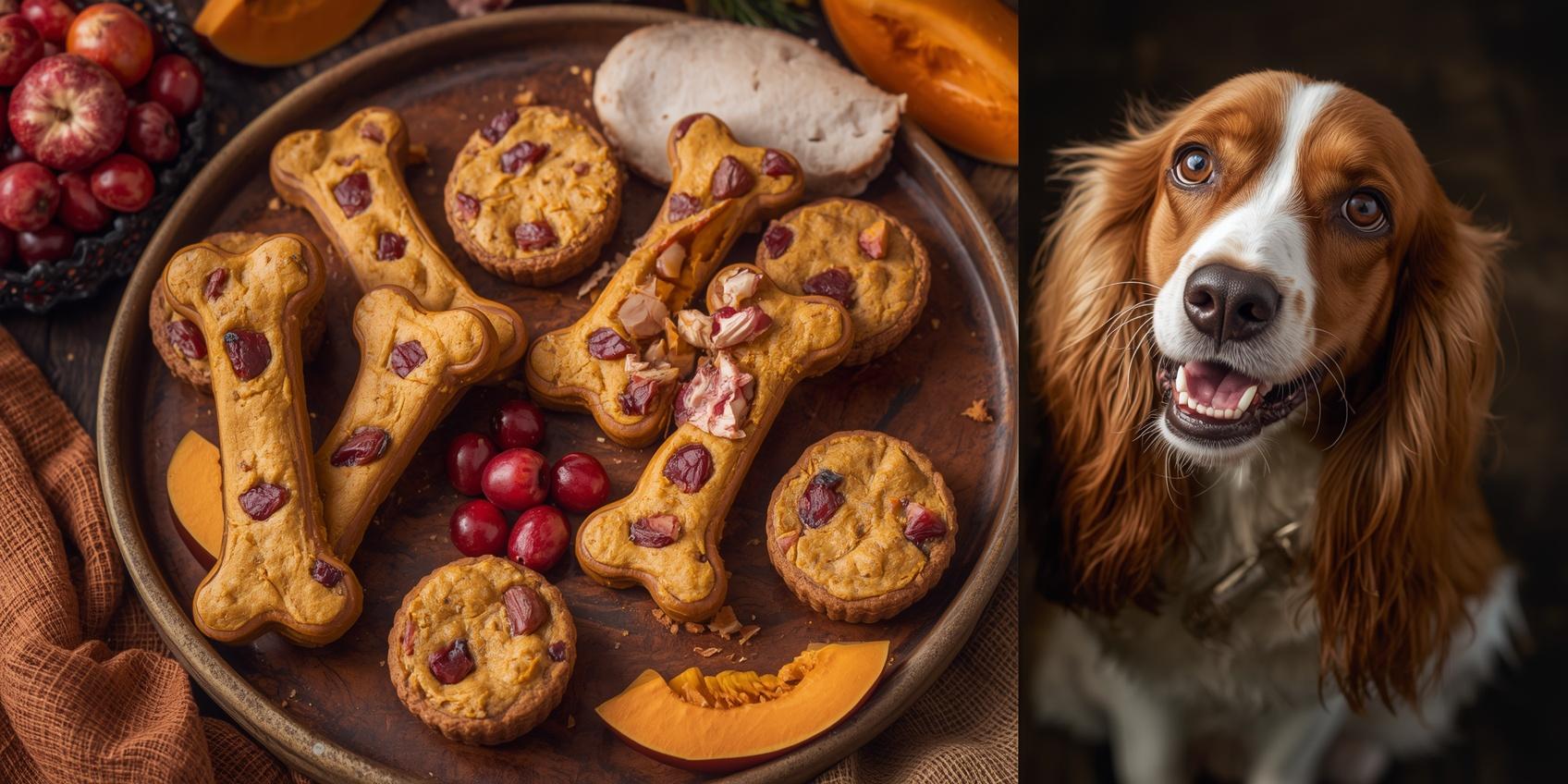
If you want to treat your furry friend to something special this season, Turkey Cranberry Pumpkin Dog Treats are the perfect choice. These tasty snacks combine flavors your dog will love with ingredients that support their health. Imagine seeing your dog’s tail wag with excitement every time you reach for a treat that’s both delicious and good for them. Keep reading, and you’ll discover how easy it is to make these nutritious treats at home—and why your dog will thank you for it! Credit: www.pookspantry.com Ingredients Needed Making Turkey Cranberry Pumpkin Dog Treats starts with the right ingredients. Choosing fresh and healthy components ensures tasty and safe snacks. Each ingredient plays an important role in nutrition and flavor. Below are the key items you need to prepare these treats at home. Turkey Selection Use lean, cooked turkey meat without bones or skin. Ground turkey works well and is easy to mix. Avoid processed or seasoned turkey. Fresh turkey provides protein that supports your dog’s muscles and energy. Cranberry Benefits Cranberries add a natural tart flavor and important antioxidants. They help maintain healthy urinary tract function in dogs. Use fresh or dried cranberries without added sugar. Cranberries also supply vitamins that boost the immune system. Pumpkin Uses Pumpkin is great for digestion and adds moisture to treats. Use plain canned pumpkin or cooked fresh pumpkin. Avoid pumpkin pie filling with spices or sugar. Pumpkin fiber aids in regular bowel movements and soothes the stomach. Additional Supplies You will also need oat flour or whole wheat flour for binding. Eggs help hold the ingredients together. A little water or broth can improve dough consistency. Measuring tools and baking sheets are useful for preparation and baking. Preparing The Mixture Preparing the mixture for Turkey Cranberry Pumpkin Dog Treats is simple and fun. This step brings all the tasty ingredients together. It creates a perfect blend that your dog will love. Follow these easy steps to get the mixture ready. Cooking The Turkey Start by cooking the turkey. Use lean ground turkey for best results. Heat a pan over medium heat. Cook the turkey until it is no longer pink. Break it into small pieces while cooking. Drain any extra fat before using the turkey. Mixing Wet And Dry Ingredients Next, combine the wet and dry ingredients. In a large bowl, add the cooked turkey. Then, pour in pumpkin puree. Mix these well to spread moisture evenly. In another bowl, mix flour and oats. Slowly add the dry mix to the wet mix. Stir until a dough forms. It should be firm but not sticky. Incorporating Cranberries And Pumpkin Finally, add cranberries and more pumpkin. Use fresh or dried cranberries. Fold them gently into the dough. Add a little extra pumpkin for softness. This adds flavor and keeps treats chewy. Mix until the cranberries are evenly spread. The dough is now ready for shaping. Shaping And Baking Shaping and baking Turkey Cranberry Pumpkin Dog Treats is a fun and important step. The shape makes the treats more appealing for your dog. The baking process ensures they are cooked perfectly and safe to eat. This section covers how to pick cookie cutters, bake the treats, and store them properly. Choosing The Right Cookie Cutter Select cookie cutters that fit your dog’s size. Small cutters work best for little dogs. Larger cutters suit bigger dogs or training treats. Simple shapes like bones or circles are easy to cut. Avoid cutters with tiny details that can break during baking. Clean your cutters well before use. Baking Time And Temperature Preheat the oven to 350°F (175°C). Place treats on a baking sheet lined with parchment paper. Bake for 20 to 25 minutes until golden brown. Check treats after 15 minutes to avoid burning. Oven temperatures may vary, so watch closely. Let treats firm up as they cool. Cooling And Storing Treats Remove treats from the oven carefully. Let them cool on a wire rack for at least 30 minutes. Cooling makes treats crisp and easy to store. Store in an airtight container to keep freshness. Keep treats in a cool, dry place. Use within two weeks or freeze for longer storage. Health Benefits For Dogs Turkey cranberry pumpkin dog treats offer more than just great taste. They provide important health benefits for dogs. Each ingredient supports your pet’s well-being in a unique way. This makes these treats a smart choice for healthy snacking. Nutritional Value Of Turkey Turkey is a rich source of protein. Protein helps build strong muscles and repair tissues. It is also low in fat, which supports a healthy weight. Dogs need protein for energy and overall growth. Turkey offers essential vitamins like B6 and niacin. These vitamins boost metabolism and brain function. Including turkey in treats helps dogs stay active and healthy. Pumpkin For Digestion Pumpkin is great for a dog’s digestion. It contains fiber that helps regulate bowel movements. This fiber prevents constipation and diarrhea. Pumpkin is gentle on the stomach and soothes irritation. It also adds moisture to dry dog food. Dogs with sensitive stomachs benefit from pumpkin’s natural goodness. It supports gut health and nutrient absorption. Cranberries And Urinary Health Cranberries support urinary tract health in dogs. They contain antioxidants that fight harmful bacteria. This reduces the risk of urinary infections. Cranberries also help maintain the pH balance in the bladder. This creates an environment where bacteria cannot grow easily. Including cranberries in treats keeps your dog’s urinary system healthy and strong. Tips For Customizing Treats Customizing Turkey Cranberry Pumpkin Dog Treats lets you make snacks your dog will love. You can change flavors, suit allergies, and store treats safely. This section shares easy tips to personalize these healthy treats. Simple changes can make treats more exciting. Small tweaks keep your dog’s snacks fresh and tasty. Adding Flavor Variations Try adding a pinch of cinnamon for warmth. Swap cranberries with blueberries for a sweet twist. Mix in shredded carrots for extra crunch and nutrients. Use natural peanut butter to boost … Read more

Best Dog Birthday Game Ideas – Fun Party Activities

Best Dog Birthday Game Ideas

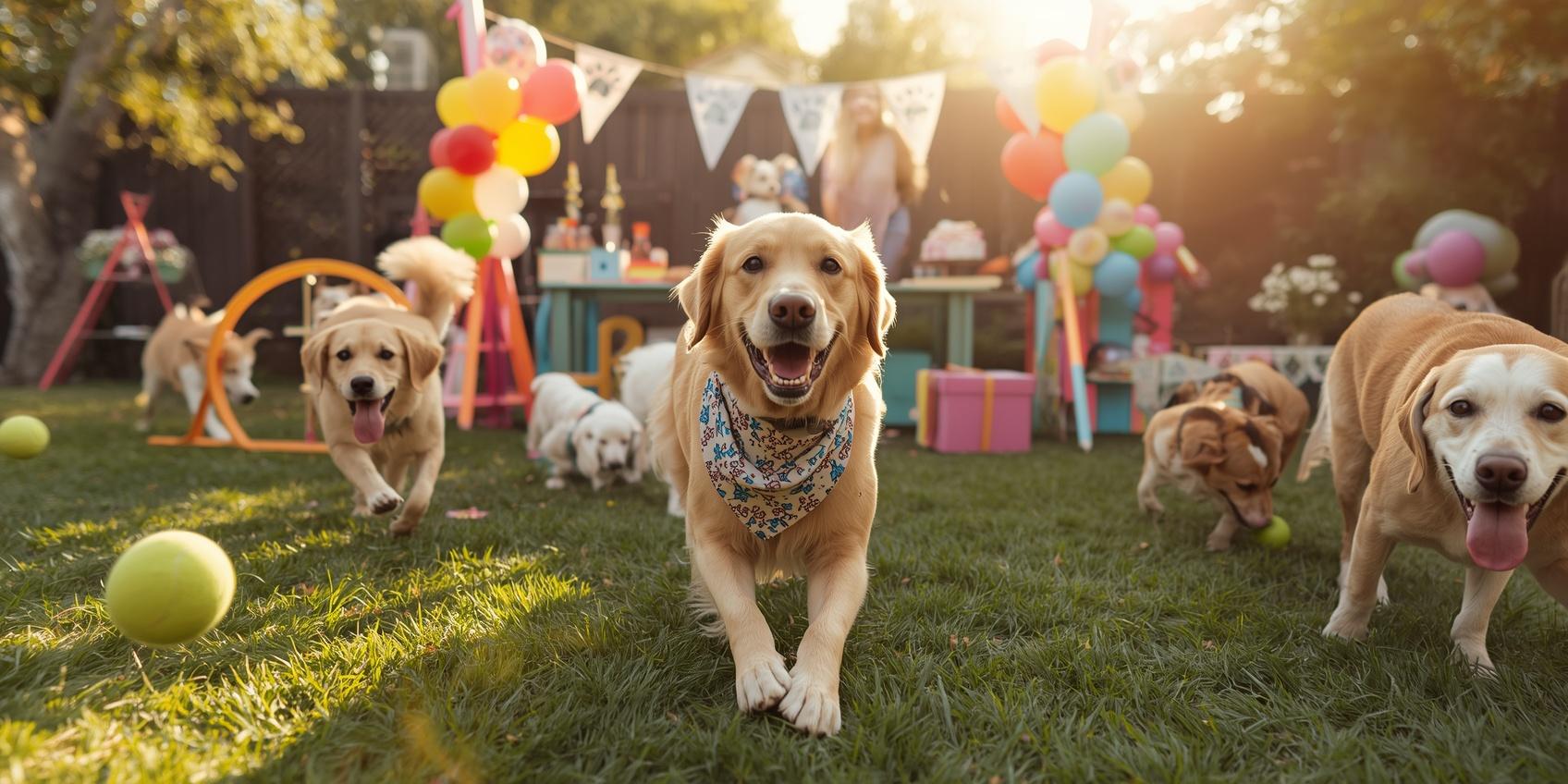
Celebrating your dog’s birthday is a special moment that deserves more than just treats and cuddles. You want your furry friend to have fun, stay active, and feel loved all day long. But coming up with the perfect game ideas can be tricky. What if you could turn your dog’s birthday party into an unforgettable experience filled with joy and excitement? You’ll discover the best dog birthday game ideas that are easy to set up and guaranteed to make your pup’s tail wag nonstop. Get ready to create happy memories that both you and your dog will cherish! Credit: www.etsy.com Fun Games For Small Dogs Small dogs have lots of energy and love to play. Their size means some games fit them better. Fun games help keep them happy and healthy. These activities also strengthen your bond with your pet. Try these fun game ideas for your small dog’s birthday. Indoor Fetch Variations Indoor fetch works well for small dogs. Use soft, small balls or toys that fit their mouth. Throw toys gently down a hallway or into a room. Change the game by rolling the toy on the floor. This makes it easier for small dogs to chase. Keep sessions short to avoid tiredness. Puzzle Toys Challenges Puzzle toys make small dogs think and move. Fill the toy with treats or kibble. Your dog must figure out how to get the food out. This game improves problem-solving skills and focus. Choose puzzles that match your dog’s skill level. Start easy, then increase difficulty for more fun. Hide And Seek Hide and seek is a fun way to play together. Hide behind furniture or doors and call your dog’s name. Let your dog find you using their nose and ears. This game strengthens your dog’s senses and trust. Use treats or praise when your dog finds you. Keep the hiding spots simple at first. Outdoor Games For Big Dogs Outdoor games help big dogs burn energy and stay healthy. They enjoy running, jumping, and playing outside. These games also make dog birthday parties fun and active. Choose games that fit their size and strength. Keep the activities safe and enjoyable for all dogs. Agility Course Setup Create a simple agility course in your backyard. Use cones, tunnels, and hurdles for your dog to navigate. This game improves your dog’s focus and coordination. Set up a start and finish line. Cheer your dog on as they complete the course. Change the course layout for variety and fun. Frisbee Fun Frisbee is a classic outdoor game for big dogs. Choose a soft, durable frisbee made for dogs. Toss it gently at first, then increase distance. Let your dog run and catch the frisbee in the air. This game builds your dog’s agility and strength. Play in an open space to avoid accidents. Water Play Activities Many big dogs love water games on hot days. Set up a kiddie pool or sprinkler in the yard. Toss floating toys into the water for your dog to fetch. Water play cools your dog and provides gentle exercise. Always watch your dog closely during water games. Dry your dog after play to avoid chills. Group Games For Multiple Dogs Group games make dog birthday parties lively and fun. Dogs enjoy playing with friends and sharing excitement. These games help dogs burn energy and build bonds. Choose games that keep all dogs active and happy. Safety is important, so watch the dogs closely during play. Tug Of War Tug of War is a classic group game for dogs. Use a strong rope or tug toy that dogs can grab. Let two or more dogs pull the toy from each side. This game builds strength and teamwork. Always supervise to avoid rough play and stop if dogs get too excited. Relay Races Relay races bring fast fun to any dog party. Set up a simple course with cones or markers. Dogs take turns running through the course to a friend. This game encourages speed and friendly competition. Keep the course short to suit all dog sizes and ages. Treasure Hunt Treasure Hunt turns the yard into a playground of surprises. Hide treats or favorite toys around the area. Let dogs sniff and search to find the hidden treasures. This game stimulates their minds and noses. Use safe, healthy treats and make the hiding spots easy to find. Credit: partieswithacause.com Diy Birthday Game Ideas DIY birthday games make your dog’s party fun and special. They keep your pet active and happy. You can use simple items at home. These games also bring friends and family closer. Let’s explore some easy and fun DIY game ideas for your dog’s birthday. Homemade Treat Hunt Hide small treats around your home or yard. Use easy spots at first, then increase the challenge. Your dog will use their nose to find the treats. This game sharpens their sense of smell and focus. It also gives them a tasty reward for effort. Obstacle Course With Household Items Create a mini obstacle course using chairs, boxes, and cushions. Make tunnels, jumps, and zigzag paths. Guide your dog through the course with gentle commands. This game improves agility and builds confidence. It also burns energy in a fun way. Interactive Toy Creation Make toys using old socks, ropes, or plastic bottles. Fill socks with crinkly paper or treats for extra fun. Tie ropes into knots for tug-of-war games. These toys keep your dog busy and entertained. They also help reduce boredom and chewing on furniture. Safety Tips For Birthday Games Planning fun games for your dog’s birthday is exciting. Safety must be the top priority. Dogs enjoy playing, but risks can happen without care. Follow simple tips to keep playtime safe and happy. Choosing Safe Toys Select toys made for dogs. Avoid small parts that dogs can swallow. Check for sharp edges or loose pieces. Use soft toys for gentle play. Hard toys should not break easily. Always replace damaged toys quickly. Supervising Playtime Watch … Read more

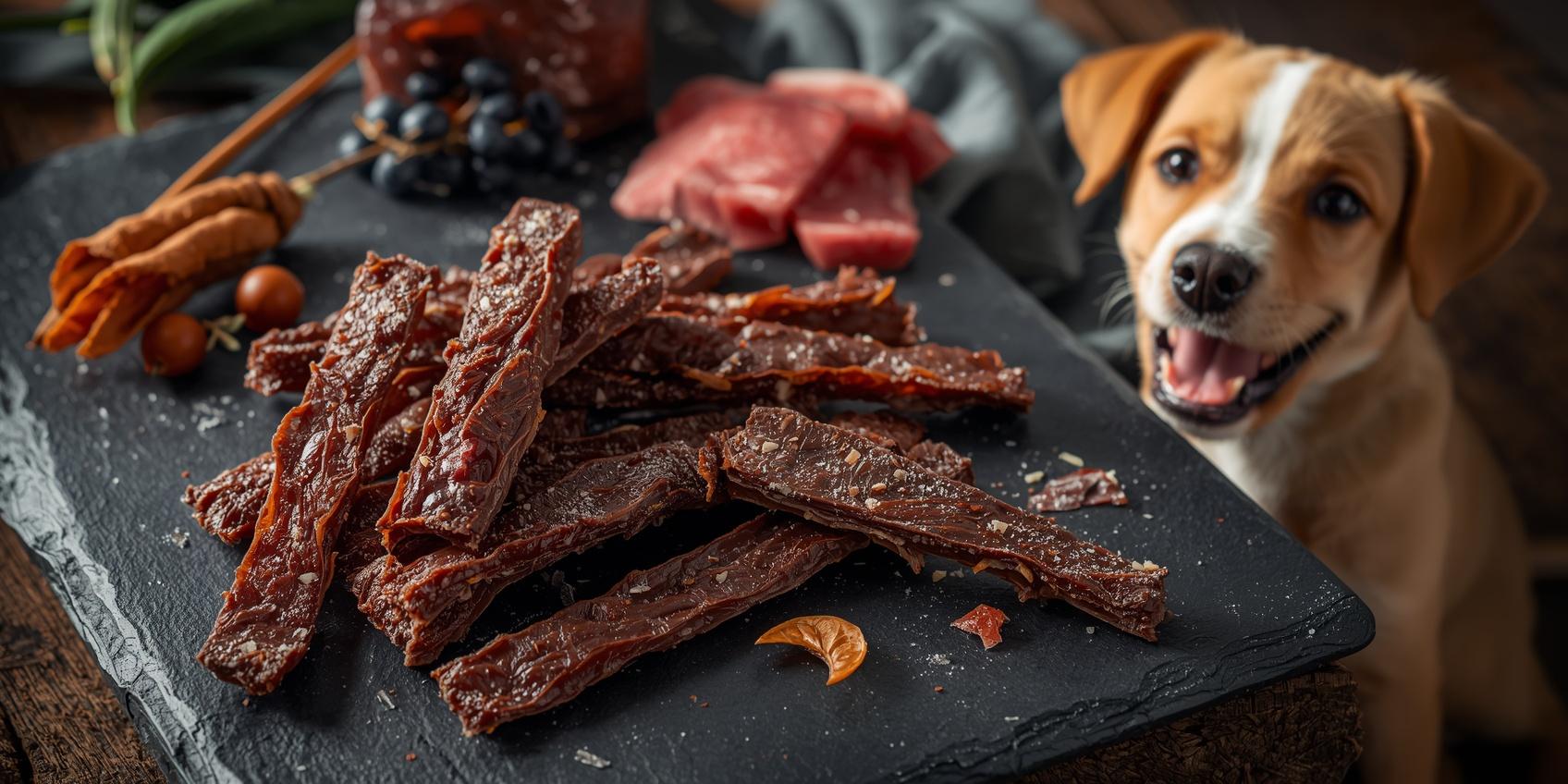
Homemade Beef Jerky for Dogs – Irresistible Healthy Treat

Homemade Beef Jerky for Dogs

If you love treating your dog to something special, homemade beef jerky for dogs might just be the perfect snack. You want something healthy, tasty, and safe for your furry friend, right? Making beef jerky at home lets you control exactly what goes into it—no mystery ingredients or preservatives. Plus, it’s a fun way to show your dog some extra love with a crunchy, protein-packed treat they’ll adore. Keep reading, and you’ll discover easy steps to make delicious, dog-friendly beef jerky that will have your pup begging for more! Credit: userealbutter.com Benefits Of Beef Jerky For Dogs Beef jerky is a popular treat for dogs. It offers many benefits beyond just taste. Giving your dog homemade beef jerky can support their health in different ways. This treat is easy to digest and packed with nutrients. It also helps keep dogs busy and happy. Homemade jerky allows control over ingredients. No harmful additives or preservatives. Just pure, natural meat your dog will love. Nutritional Value Beef jerky contains high protein. Protein helps build strong muscles. It also supports energy and healthy skin. Jerky has important vitamins like B12 and iron. These nutrients help keep your dog active. It is low in fat, making it a healthy snack choice. Healthy Treat Alternative Many store treats have fillers and sugar. Jerky made at home is free from these. It is a natural option for training or rewarding. This treat helps avoid weight gain. It reduces the risk of allergies caused by artificial ingredients. A simple, healthy snack your dog will enjoy. Improved Dental Health Chewing jerky helps clean teeth. It removes plaque and tartar buildup. This reduces bad breath in dogs. The chewy texture also massages gums. Strong gums mean fewer dental problems. A tasty way to support your dog’s oral health. Choosing The Right Beef Cuts Choosing the right beef cuts is key to making safe and tasty jerky for dogs. The cut affects texture, flavor, and health benefits. Good cuts have less fat and no chemicals. Picking the best meat helps keep your dog happy and healthy. Lean Meat Selection Lean beef cuts work best for homemade jerky. Fat can spoil quickly and cause stomach issues. Choose cuts like top round, eye of round, or sirloin. These have less fat and dry evenly. Lean meat makes jerky chewy and easy to digest. Avoiding Additives And Fillers Always pick fresh, plain beef without additives. Avoid meat with added salt, spices, or preservatives. These can harm your dog’s health. Check labels carefully if buying pre-cut meat. Pure beef ensures the jerky stays natural and safe for dogs. Preparing Beef For Jerky Preparing beef for jerky is a key step in making healthy treats for dogs. The right preparation ensures the jerky is safe, tasty, and easy to chew. It starts with choosing the right cut of beef and ends with slicing it properly. Proper preparation helps keep the jerky lean and preserves nutrients. It also makes the drying process faster and more even. Follow these steps to prepare beef perfectly for your dog’s jerky. Trimming Fat Remove all visible fat from the beef before slicing. Fat can spoil quickly and cause the jerky to go bad. Use a sharp knife to cut away any white or yellow fat parts. Keep only the lean meat for the best results. This helps the jerky last longer and stay fresh. Slicing Techniques Slice the beef into thin, even strips. Aim for about 1/8 to 1/4 inch thick pieces. Cut against the grain for tender jerky that is easier to chew. Cutting with the grain makes the jerky tougher. Use a sharp knife or meat slicer for clean cuts. Even slices dry evenly and prevent soft spots. Credit: www.dalmatiandiy.com Safe Seasoning Options Making homemade beef jerky for dogs is a great treat idea. Choosing safe seasonings is very important. Some spices are good for dogs, while others can harm them. Using the right ingredients keeps your dog healthy and happy. Simple, dog-friendly spices add flavor without risk. Dog-friendly Spices Many common spices are safe for dogs in small amounts. Cinnamon is a gentle spice that dogs often enjoy. It can help with digestion and freshen breath. Ginger is another good option; it soothes the stomach and reduces nausea. Turmeric supports joint health and has anti-inflammatory effects. Parsley adds a fresh taste and helps with bad breath. Use these spices lightly to avoid upsetting your dog’s tummy. Avoiding Harmful Ingredients Some seasonings can be dangerous to dogs. Avoid onion and garlic powder. Both can cause anemia and digestive issues. Salt should be very limited or left out completely. Too much salt harms a dog’s kidneys and heart. Avoid spicy peppers and hot seasonings. These can irritate the mouth and stomach. Stick to plain meat and safe spices for the best homemade jerky. Drying Methods Drying beef jerky is the key step to make a tasty, chewy treat for your dog. It removes moisture so the jerky lasts longer and stays safe. Several drying methods work well at home. Each method has its own benefits and tips to get the best results. Using A Dehydrator A dehydrator is a simple tool made for drying food. It uses low heat and air circulation to dry the meat evenly. Cut the beef into thin strips for faster drying. Place the strips on dehydrator trays without overlapping. Set the temperature around 160°F (70°C). Dry for 4 to 6 hours. Check the jerky often to avoid over-drying. The dehydrator keeps a steady temperature, which helps kill bacteria. Oven Drying Tips You can dry beef jerky in your oven if you don’t have a dehydrator. Use the lowest heat setting, usually between 160°F and 175°F. Place the meat strips on a wire rack over a baking sheet. This allows air to flow around the strips. Keep the oven door slightly open with a wooden spoon to let moisture escape. Dry for 4 to 8 hours. Turn the strips halfway through drying to ensure … Read more