10 Signs a Dog Is Dying And What To Do: Expert Tips

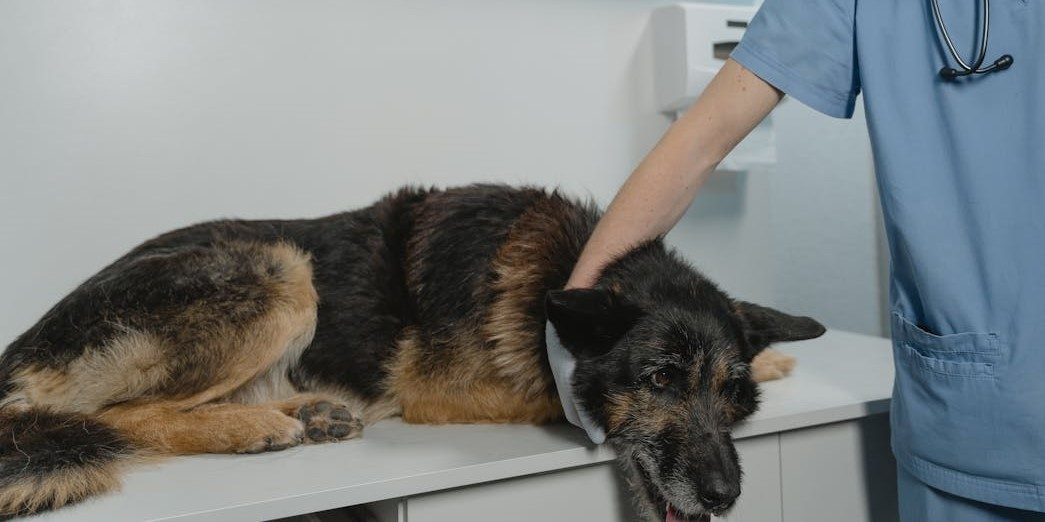
When it comes to our furry friends, few things are as heartbreaking as the thought of them nearing the end of their lives. As a devoted pet owner, you want to ensure your dog is comfortable and cared for during their final days. But how can you tell if your dog is dying? Recognizing the signs can be challenging, especially since dogs can’t tell us what they’re feeling. We’ll explore 10 key signs that may indicate your dog is approaching the end of their life. Understanding these signs is crucial not only for your peace of mind but also for providing the best possible care for your beloved pet. By learning what to look for, you can make informed decisions and offer your dog the compassion they deserve in their final moments. Keep reading to discover how you can help your furry companion feel loved and comfortable during this difficult time. (10 Signs a Dog Is Dying And What To Do) Physical Signs Of Decline Understanding the physical signs of decline in your dog can be heartbreaking yet essential. Being aware of these changes allows you to provide the necessary care and support during a challenging time. Let’s explore some common physical signs that may indicate your furry friend is nearing the end of their life. Physical Changes Decreased Appetite and Thirst:Loss of interest in food and water is a common sign as their bodies begin to shut down. You may notice your dog turning away from their favorite meals. Increased Lethargy and Sleep:Dogs may become extremely tired, spending most of their time resting. If your dog is not as active as usual, it could be a sign of declining health. Loss of Coordination:Difficulty with balance and coordination can lead to stumbling or dragging their hind legs. Pay attention to any unusual movements that seem out of character. Incontinence:As muscles weaken, dogs may lose control over bladder or bowel functions. This change can be distressing for both you and your pet. Labored Breathing:Breathing may become shallow, rapid, or irregular, indicating potential respiratory distress. Take note of any changes in their breathing pattern. Changes in Gum Color:Pale, white, blue, or bright red gums can signal poor circulation. Regularly check your dog’s gums to spot any concerning changes. Behavioral Changes Social Withdrawal or Clinginess:Some dogs may isolate themselves, while others may become more dependent on you for comfort. Recognizing your dog’s need for space or attention is crucial. Loss of Interest in Activities:A once playful pup may show no interest in toys, walks, or activities they once enjoyed. This behavior can be alarming and should not be ignored. Restlessness or Agitation:Some dogs become restless, pacing or changing positions frequently as they try to get comfortable. This behavior can indicate discomfort or pain. Cognitive Decline:Confusion, disorientation, or difficulty recognizing familiar people or places can occur. Observing these signs helps you understand your dog’s mental state. Have you noticed any of these physical or behavioral changes in your dog? Recognizing these signs can help you make informed decisions about their care. It’s always best to consult with your veterinarian for guidance tailored to your dog’s specific needs. Credit: www.carecredit.com Changes In Appetite And Thirst Changes in appetite and thirst can signal serious health issues in dogs. A dying dog may refuse food and water, indicating their body is shutting down. Noticing these signs early can help you provide comfort and seek necessary veterinary care. Understanding these changes is crucial for pet owners. Changes In Appetite One of the first signs that a dog is nearing the end of life is a change in appetite. Dogs may stop eating or show little interest in food. This is often due to their bodies shutting down. It can be heartbreaking to see your pet refuse their favorite meals. Look for noticeable changes. A dog that once enjoyed mealtime may now ignore their bowl. This lack of interest can signal discomfort or pain. It’s essential to monitor this change closely. If your dog isn’t eating for more than a day, consult your vet. Changes In Thirst Along with appetite changes, thirst can also decline. Dogs may drink less water or refuse it altogether. This can lead to dehydration, which is dangerous. Ensure your dog has access to fresh water at all times. Observe their drinking habits. A sudden drop in water intake can be alarming. If your dog is not drinking for an extended period, it’s crucial to contact your veterinarian. They can provide guidance and support to keep your dog comfortable. What To Do When you notice changes in appetite and thirst, act quickly. Keep a close eye on your dog. Take note of their eating and drinking patterns. This information can be helpful for your vet. Provide comfort during this time. Offer soft foods or tasty treats to encourage eating. Keep water nearby and ensure it is fresh. Sometimes, a gentle encouragement can make a difference. Consult your vet for advice. They can help determine the best course of action. They may recommend specific diets or hydration methods. Your vet’s guidance is vital in this difficult time. Increased Lethargy And Sleep Increased lethargy and excessive sleep can signal that a dog is nearing the end of life. Owners may notice their pet sleeping more than usual and lacking energy for daily activities. Recognizing these signs is crucial for understanding your dog’s needs during this difficult time. Increased lethargy and sleep are significant signs that your dog may be nearing the end of its life. If you notice your furry friend lying down more often and showing less enthusiasm for daily activities, it can be concerning. This change in behavior can be subtle at first but may gradually become more pronounced. Understanding these signs is crucial in providing the care and comfort your dog needs. Understanding Lethargy Lethargy in dogs can manifest as an unwillingness to engage in activities they once loved. You might observe your dog sleeping more than usual or seeming disinterested in playtime. … Read more