Good Dogs for First Time Owners: Top Breeds to Consider
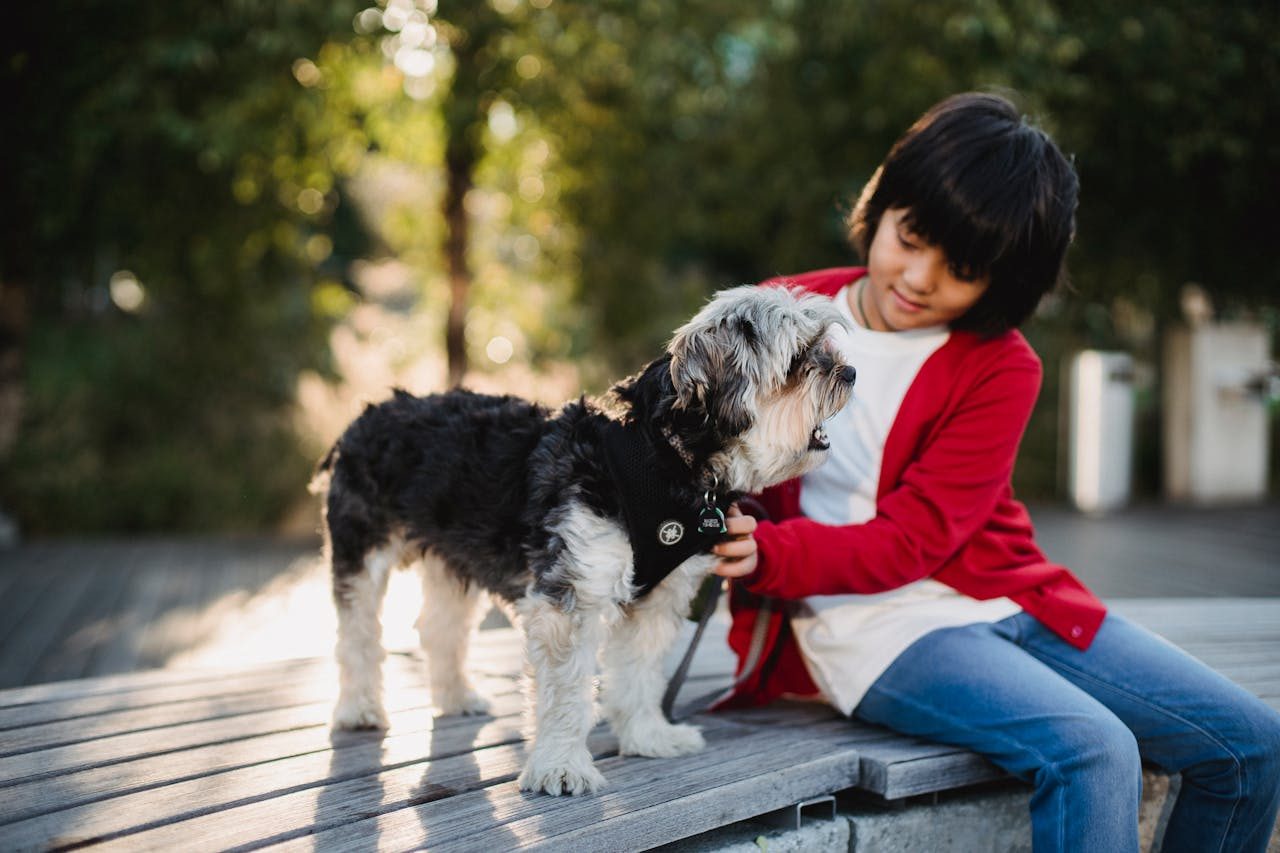
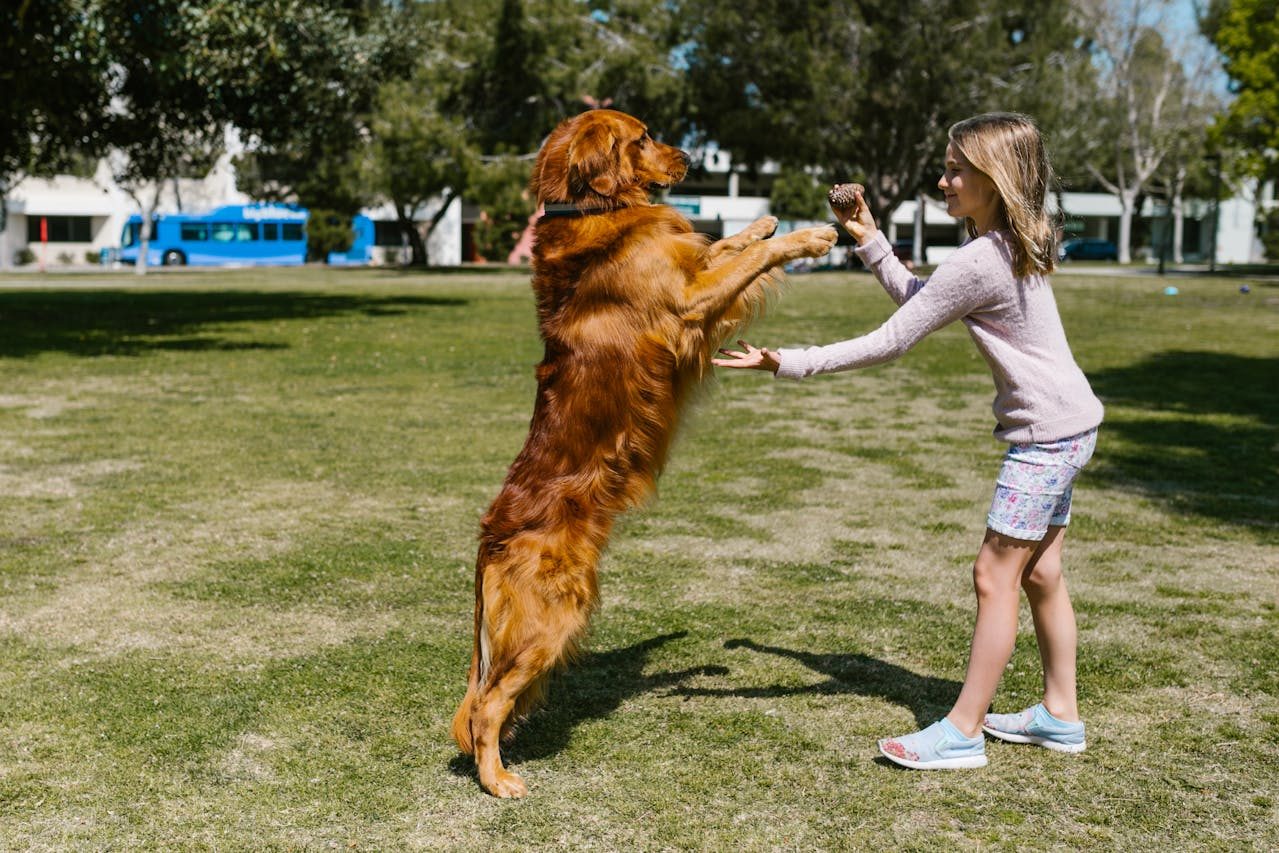
Choosing the right dog can be a daunting task, especially if you’re a first-time owner. You want a furry friend who will fit seamlessly into your life, be easy to train, and bring joy to your home. Good dogs for first time owners are breeds known for their friendly nature, trainability, and adaptability. But with so many options, where do you start? This guide introduces the best breeds for beginners, ensuring a smooth transition into pet ownership. Imagine coming home to a loyal, wagging tail a joyful companion ready to become part of your life. Sounds perfect, right? By understanding your lifestyle and the characteristics of these breeds, you can find a companion who will not only meet your needs but also enrich your life. Stay with us as we explore the best options for you and your future best friend. Your ideal dog is just a few scrolls away! Credit: www.veterinaryformula.com Family-friendly Breeds Choosing a dog for your family is important. Family-friendly breeds are often gentle, playful, and easy to train. They make great companions for kids and adults alike. These dogs can adapt well to various living situations. Here are some of the best family-friendly breeds for first-time dog owners. Golden Retrievers Golden Retrievers are known for their friendly nature. They are gentle and loyal pets. These dogs are intelligent and eager to please. This makes training them simple. Their playful attitude brings joy to families. Labrador Retrievers Labrador Retrievers are also very friendly. They have outgoing personalities that charm everyone. Labs are highly trainable due to their intelligence. They love being around people, making them great companions. Mixed Breed Dogs Mixed breed dogs are often found in shelters. Many already have some training and socialization. Adopting a mixed breed can be a rewarding experience. These dogs are usually adaptable to home life. They can offer love and companionship to first-time owners. Cavalier King Charles Spaniels Cavalier King Charles Spaniels are gentle and affectionate. They are easy to train and enjoy family activities. Their small size makes them suitable for apartments and houses. These dogs love being part of a family. Bichon Frise Bichon Frise dogs are cheerful and playful. They have a low-shedding coat, making them good for allergy sufferers. Their friendly nature makes them excellent family pets. They thrive on attention and companionship. Boston Terriers Boston Terriers are small but full of energy. They have a unique tuxedo-like appearance. These friendly dogs are playful and enjoy family interactions. They adapt well to various living situations. Greyhounds (rescue) Retired racing greyhounds make great family pets. They are gentle and affectionate. While they are known for speed, many adapt well to home life. Their calm demeanor can fit well into a family environment. Credit: www.goletapethospital.com Low-maintenance Dogs For first-time dog owners, low-maintenance dogs can be a game changer. These breeds typically require less grooming, exercise, and training effort, allowing you to enjoy the companionship of a furry friend without feeling overwhelmed. Choosing a low-maintenance dog can make the transition into pet ownership smooth and enjoyable. Characteristics Of Low-maintenance Dogs Low-maintenance dogs usually have a few common traits. They tend to be adaptable and easygoing. Additionally, their grooming needs are minimal, making them a practical choice for busy individuals. Short Coat:Dogs with short fur require less brushing and fewer trips to the groomer. Calm Temperament:These dogs are often less energetic, which means they are easier to manage. Quick Learners:Many low-maintenance breeds are intelligent and pick up commands swiftly. Best Low-maintenance Breeds Here are some dog breeds that fit the low-maintenance criteria: Basset Hound:Known for their laid-back demeanor, Basset Hounds love lounging and require minimal exercise. Shih Tzu:With their friendly nature, Shih Tzus are great companions and have low grooming needs if you keep their coat short. French Bulldog:These dogs are affectionate and require little exercise, making them perfect for apartment living. Why Low-maintenance Dogs Are Ideal For First-time Owners Low-maintenance dogs are perfect for first-time owners because they ease the learning curve. You can focus on building a bond rather than stressing about grooming schedules or complex training routines. This simplicity allows you to enjoy your new pet without the added pressure. Have you ever felt overwhelmed by the thought of dog ownership? Choosing a dog that aligns with your lifestyle can make all the difference. A low-maintenance breed can be your ideal partner as you embark on this exciting journey. Remember, while low-maintenance breeds can alleviate some responsibilities, they still need love and attention. You’ll be rewarded with loyalty and companionship, making the effort worthwhile. Make sure to consider your lifestyle and preferences before making a decision. Small Breeds For Beginners Small dog breeds can be great for first-time owners. They are often easier to manage and require less space. Many small breeds have friendly personalities. They adapt well to homes and apartments. Here are some small breeds perfect for new dog owners. Cavalier King Charles Spaniels Cavalier King Charles Spaniels are gentle and affectionate. They bond well with families. This breed is easy to train and eager to please. Their playful nature makes them great companions. Bichon Frise Bichon Frises are cheerful and playful dogs. They are small and fluffy, with low-shedding coats. This breed is friendly and good with children. They love to be around people and are easy to groom. Boston Terriers Boston Terriers are small but full of personality. They have unique tuxedo-like markings that are charming. This breed is friendly and social. Boston Terriers enjoy playtime and are good with kids. Greyhounds (rescue) Rescue greyhounds can be surprising choices. Despite their racing background, they are gentle dogs. Retired racing greyhounds adapt well to a home life. They enjoy relaxing and are known for being affectionate. Credit: www.thesprucepets.com Gentle Giants When you think of “Gentle Giants,” it’s hard not to feel a warm rush of affection. These large breeds often have a reputation for being calm, friendly, and protective. For first-time dog owners, they can be the perfect addition to your family, offering a … Read more