Doggy Scout

Learn: King Charles Spaniel Vs Cavalier Comparison

King Charles Spaniel Vs Cavalier Comparison

Choosing between a King Charles Spaniel and a Cavalier King Charles Spaniel? While they share a royal heritage, these breeds have distinct differences in size, facial features, and energy levels. This guide explores their unique histories, health considerations, and temperaments to help you decide which affectionate spaniel is the perfect match for your family and lifestyle.

Easy 2 Ingredient Cucumber Yogurt Frozen Dog Treats

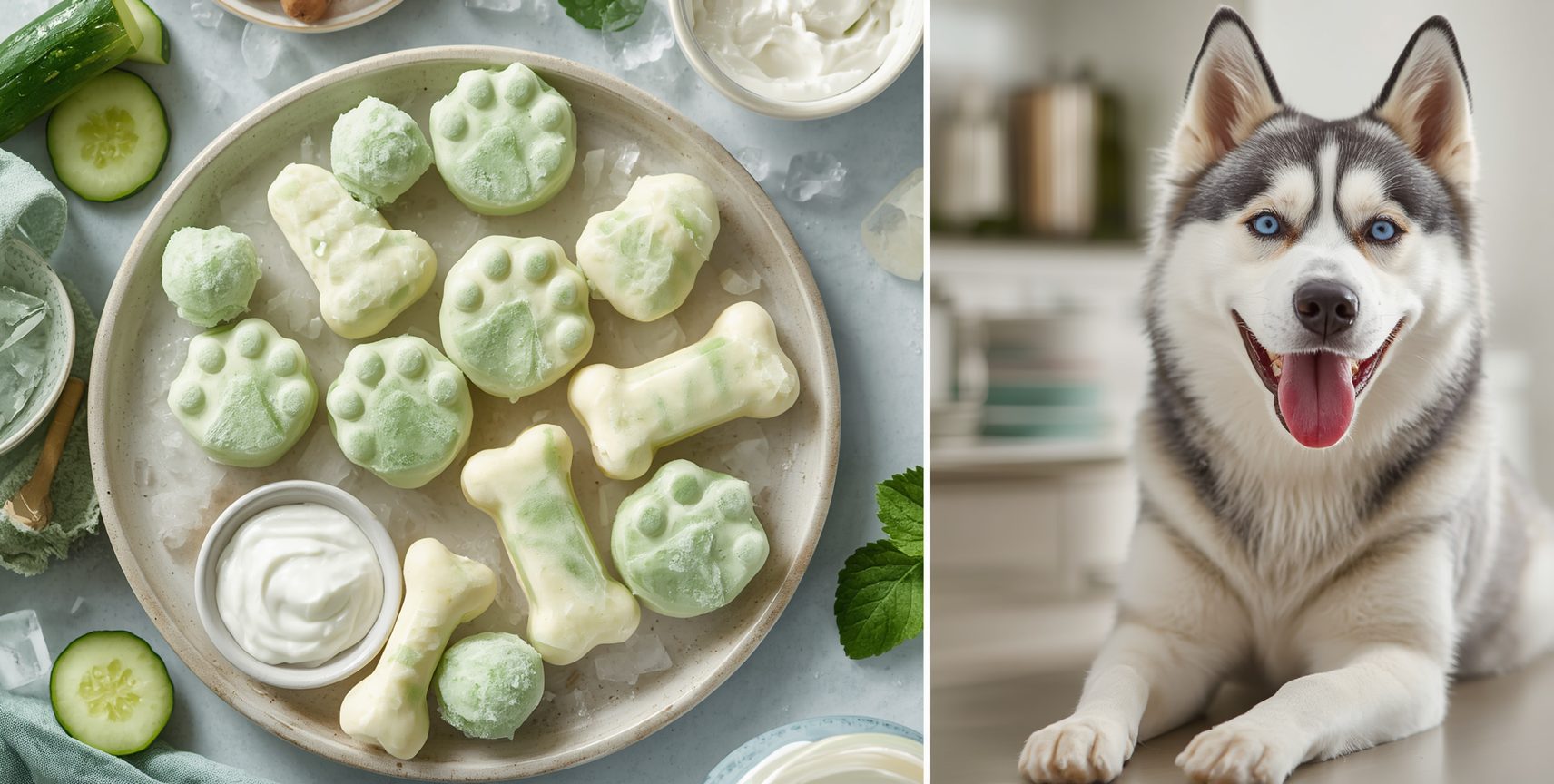
2 Ingredient Cucumber Yogurt Frozen Dog Treats

Looking for a healthy way to spoil your pup? These 2-ingredient cucumber yogurt frozen dog treats are the perfect refreshing snack for warm weather. Made with simple, natural ingredients, these treats provide a hydration boost and probiotics for digestion. Learn how to whip up this easy, low-calorie reward to keep your furry friend cool and happy.

Easy How To Clean Dog Poop Out Of The Carpet

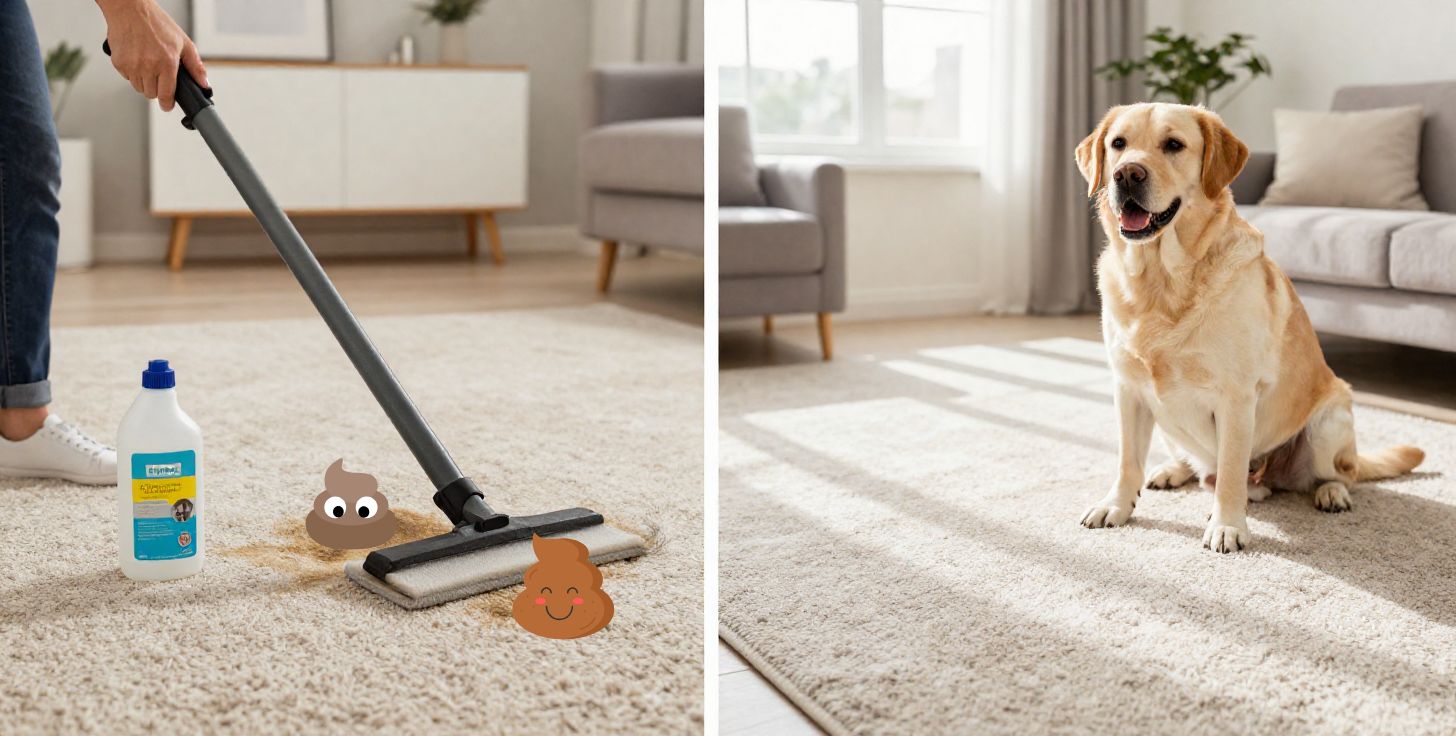
How To Clean Dog Poop Out Of The Carpet

Nothing ruins your day faster than discovering dog poop on your carpet. It’s messy, smelly, and can feel impossible to clean. But don’t worry—you can tackle this problem quickly and effectively. You’ll learn simple, step-by-step methods of how to clean dog poop out of the carpet without leaving stains or odors behind. By the end, your carpet will look fresh again, and you’ll feel confident handling any future accidents. Keep reading—you’ll be glad you did. Gather Cleaning Supplies Gathering the right cleaning supplies is the first step to remove dog poop from your carpet. Using the proper tools and products makes the job easier. It helps clean the mess quickly and prevents stains and odors. Prepare everything before you start to avoid delays. Here are the essential items to have on hand. Essential Tools Recommended Cleaning Products Remove Solid Waste Removing solid dog poop from carpet is the first step to cleaning. Act quickly to stop stains and odors. Handle the waste carefully to keep your carpet safe and clean. Use the right tools and methods to avoid damage. Follow simple steps to remove solid waste properly. Using Gloves And Paper Towels Wear disposable gloves to protect your hands from germs. Grab a few paper towels or a plastic bag. Gently pick up the solid waste without pressing it into the carpet. Use a scooping motion to lift the poop off. Dispose of the waste in a sealed bag to keep germs away. Avoiding Carpet Damage Do not rub or scrub the area harshly. Rubbing pushes waste deeper into carpet fibers. Use a blotting motion with paper towels instead. Avoid using colored cloths that may stain. Test cleaning products on a hidden spot first. This keeps your carpet looking fresh and clean. Blot The Stain Blotting the stain is a key step in cleaning dog poop from carpet. It helps remove moisture and solids without pushing the mess deeper. Act quickly to get the best results. Use gentle pressure and absorbent materials to lift the stain. Proper Blotting Techniques Use paper towels or a clean cloth for blotting. Press down gently on the stain. Do not rub or scrub the area. Rubbing spreads the stain and damages carpet fibers. Change the towel or cloth often. Keep blotting until no more moisture comes up. This stops the stain from setting deeper. Avoiding Stain Spread Blot only the stained spot. Avoid touching clean areas around it. Use a small cloth to control the blotting area. Start from the edges and move toward the center. This keeps the stain from growing. Keep the carpet dry outside the stained spot. This limits the mess and makes cleaning easier. Credit: cleanzen.com Apply Cleaning Solution Applying the right cleaning solution is key to removing dog poop stains from carpet. It breaks down the mess and lifts stains effectively. Choose a solution that suits your needs and carpet type. Test it on a small area first to avoid damage. Homemade Remedies Homemade remedies are budget-friendly and easy to prepare. Mix equal parts white vinegar and water in a spray bottle. Spray the solution on the stained area and let it sit for 5 minutes. Blot gently with a clean cloth to lift the stain. Another option is a baking soda paste. Combine baking soda with water until thick. Apply the paste to the stain and let it dry. Vacuum the dried paste to remove odor and residue. Commercial Cleaners Commercial cleaners are made specifically for pet stains. Choose one labeled safe for carpets and pets. Follow the instructions on the product label carefully. Usually, spray the cleaner on the stain and wait a few minutes. Blot with a clean cloth and repeat if needed. Some commercial cleaners also remove odors effectively. This helps keep your carpet smelling fresh after cleaning. Always ventilate the room well during use. Rinse And Dry Rinse and dry are key steps to clean dog poop from carpet. After picking up the solid waste, rinsing helps remove leftover dirt and odors. Drying stops moisture from causing stains or mold. These steps make your carpet fresh and safe again. Removing Residue Start by gently rinsing the stained area with cold water. Use a clean cloth or sponge to blot the spot. Avoid scrubbing hard to protect carpet fibers. Repeat rinsing until no residue remains. This clears out most dirt and smell. Speeding Up Drying Process After rinsing, blot the carpet with dry towels. Press down to soak up extra water. Open windows or use a fan to increase air flow. A hair dryer on low heat also helps. Quick drying stops mold and keeps carpet fresh. Deodorize The Carpet Removing dog poop from the carpet is only half the job. The next step is to deodorize the carpet. This step removes bad smells that cleaning alone can leave behind. A fresh carpet helps keep your home pleasant and clean. There are natural ways and store-bought products to help with this task. Natural Deodorizers Baking soda is a simple and effective natural deodorizer. Sprinkle it over the cleaned area. Let it sit for 15 to 30 minutes. Then vacuum it up. This process absorbs odors and leaves the carpet smelling fresh. White vinegar is another good option. Mix equal parts of water and white vinegar in a spray bottle. Lightly spray the carpet. Vinegar neutralizes smells without harming carpet fibers. Allow it to dry completely to avoid dampness. Store-bought Options Enzyme cleaners are popular for pet odors. These products break down odor-causing molecules. Spray the cleaner on the affected area. Let it work for the time suggested on the label. Then blot or air dry the carpet. Carpet deodorizing sprays also help mask odors. They come in many scents and formulas. Choose one safe for pets and carpets. Spray lightly and let it dry. These sprays add a fresh scent after cleaning. Prevent Future Accidents Preventing future accidents on your carpet saves time and stress. Teaching your dog good bathroom habits is key. Protecting … Read more

Easy 3 Ingredient Chicken Bone Broth Gummies For Dogs

3 Ingredient Chicken Bone Broth Gummies For Dogs

If you want to give your dog a tasty treat that also supports their health, you’re in the right place. Imagine a simple, natural gummy packed with all the benefits of chicken bone broth—made with just three easy ingredients. These gummies can boost your dog’s joints, digestion, and immune system without any fuss. Keep reading to discover how you can make these delicious, healthy snacks at home and see your furry friend thrive like never before. Read more to learn 3 Ingredient Chicken Bone Broth Gummies For Dogs Credit: www.thefreshgrocer.com Benefits Of Bone Broth Gummies Bone broth gummies for dogs are a tasty and healthy treat. They provide many benefits in a simple form. These gummies contain essential nutrients that support your dog’s overall health. Here are some key benefits of giving your dog bone broth gummies regularly. Supports Joint Health Bone broth gummies contain collagen and glucosamine. These help keep your dog’s joints strong and flexible. They reduce stiffness and pain from aging or activity. Healthy joints mean your dog can move and play easily. Boosts Immune System The nutrients in bone broth strengthen your dog’s immune system. Amino acids and minerals help fight infections and illnesses. A strong immune system keeps your dog healthy and active year-round. Improves Digestion Bone broth supports a healthy gut with natural gelatin. Gelatin soothes the digestive tract and helps nutrient absorption. Better digestion means less stomach upset and improved nutrient use. Your dog feels better and has more energy. Essential Ingredients Creating healthy chicken bone broth gummies for dogs requires just three essential ingredients. Each plays a key role in making tasty, nutritious treats. These ingredients support your dog’s health and make the gummies easy to chew and digest. Chicken Bone Broth Chicken bone broth is the main ingredient. It is rich in nutrients and minerals that help support joints and digestion. The broth provides natural collagen and calcium, important for strong bones. It also adds a familiar, savory taste dogs love. Gelatin Gelatin helps the broth turn into a gummy form. It is a natural thickener made from collagen. This ingredient makes the gummies soft and easy to chew. Gelatin also supports healthy skin and joints for dogs. Natural Flavor Enhancers Natural flavor enhancers improve the taste without chemicals. Ingredients like turmeric, parsley, or a little garlic powder can add extra health benefits. These natural flavors make the gummies more appealing to dogs. They keep the treats wholesome and tasty. Step-by-step Recipe This recipe shows how to make chicken bone broth gummies for dogs using just three ingredients. Each step is clear and easy to follow. Your dog will enjoy a healthy, tasty treat made at home. Preparing The Bone Broth Start with fresh chicken bones. Use a slow cooker or pot to simmer them. Add water to cover the bones fully. Simmer gently for 12 to 24 hours. This extracts all the nutrients and flavors. Strain the broth carefully to remove bones and solids. Let the broth cool before the next step. Mixing Ingredients Measure one cup of cooled bone broth. Add two tablespoons of unflavored gelatin. Stir well until the gelatin dissolves completely. Use a whisk for better mixing. Avoid lumps to ensure smooth gummies. Pour the mixture into silicone molds. Choose small shapes for easy dog treats. Setting The Gummies Place the filled molds in the refrigerator. Let them chill for at least two hours. The gelatin will firm up into chewy gummies. Remove the gummies gently from molds. Store them in an airtight container. Keep refrigerated for freshness and safety. Storage And Serving Tips Storing and serving chicken bone broth gummies for dogs correctly keeps them fresh and tasty. Good storage stops spoilage and preserves nutrients. Proper serving helps your dog enjoy benefits without any risks. Proper Storage Methods Store gummies in an airtight container. Keep them in the fridge for up to one week. For longer storage, freeze in small portions. Avoid leaving gummies in warm places. Heat can melt and spoil them quickly. Recommended Serving Sizes Serve one or two gummies daily for small dogs. Medium dogs can have two to three gummies. Large dogs may eat three to four gummies per day. Always start with a smaller amount. Watch how your dog reacts before increasing servings. Safety Considerations Check ingredients for any allergies your dog has. Do not give gummies to dogs with sensitive stomachs without vet advice. Keep gummies out of reach of children. Use clean hands when handling gummies. Stop feeding if your dog shows signs of discomfort. Common Questions Many pet owners have questions about chicken bone broth gummies for dogs. These treats are simple but new to some. Understanding safety, feeding frequency, and signs of allergies helps keep dogs healthy. Are Gummies Safe For All Dogs? Most dogs can enjoy these gummies safely. They contain only three natural ingredients. Always check with your vet before starting any new treat. Puppies, pregnant dogs, or dogs with health issues need extra care. Avoid gummies if your dog has known allergies to any ingredient. How Often To Feed? Feed gummies as a small treat once or twice daily. Avoid overfeeding to prevent stomach upset. Use gummies to supplement your dog’s diet, not replace meals. Adjust the amount based on your dog’s size and activity level. Signs Of Allergic Reactions Watch for itching, swelling, or redness on your dog’s skin. Vomiting or diarrhea can also signal allergies. If your dog shows these signs, stop feeding gummies immediately. Contact your vet for advice and treatment. Credit: www.thefreshgrocer.com Frequently Asked Questions What Are The Benefits Of Chicken Bone Broth For Dogs? Chicken bone broth supports joint health, improves digestion, and boosts immunity in dogs. It is rich in collagen, minerals, and amino acids essential for overall wellness. How Do I Make 3 Ingredient Bone Broth Gummies? Simmer chicken bones with water and a natural gelling agent like gelatin. Cool the mixture, pour into molds, and refrigerate until firm. Are Bone Broth Gummies Safe For All … Read more

Surprising: Are Cavalier King Charles Spaniels Hunting Dogs

Are Cavalier King Charles Spaniels Hunting Dogs

Discover if the charming Cavalier King Charles Spaniel possesses hidden hunting instincts. While their ancestors flushed game for British royalty, modern Cavaliers are bred for companionship. This guide explores their history, physical traits, and mild prey drive, explaining why these gentle dogs are better suited for family life and therapy work than traditional hunting tasks.

Best Mint Parsley Dog Treats: Fresh Breath Teeth

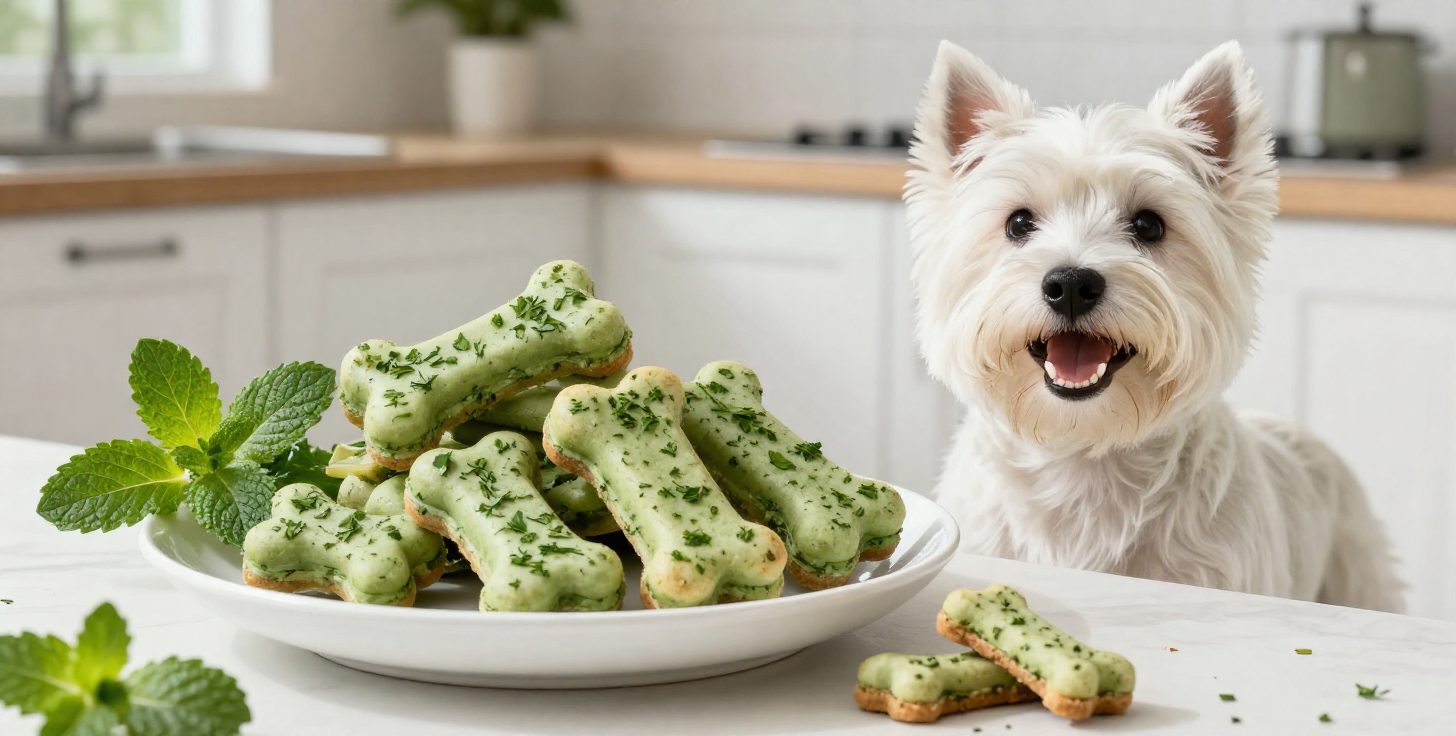
Mint Parsley Dog Treats

Improve your dog’s dental health with natural mint parsley treats. These healthy snacks freshen breath and support clean teeth by reducing plaque and bacteria. Discover the nutritional benefits of safe herbs, learn how to bake simple DIY treats at home, and find ways to incorporate these natural remedies into your furry friend’s daily oral hygiene.

Learn: Why Is My Cavalier King Charles Spaniel So Small

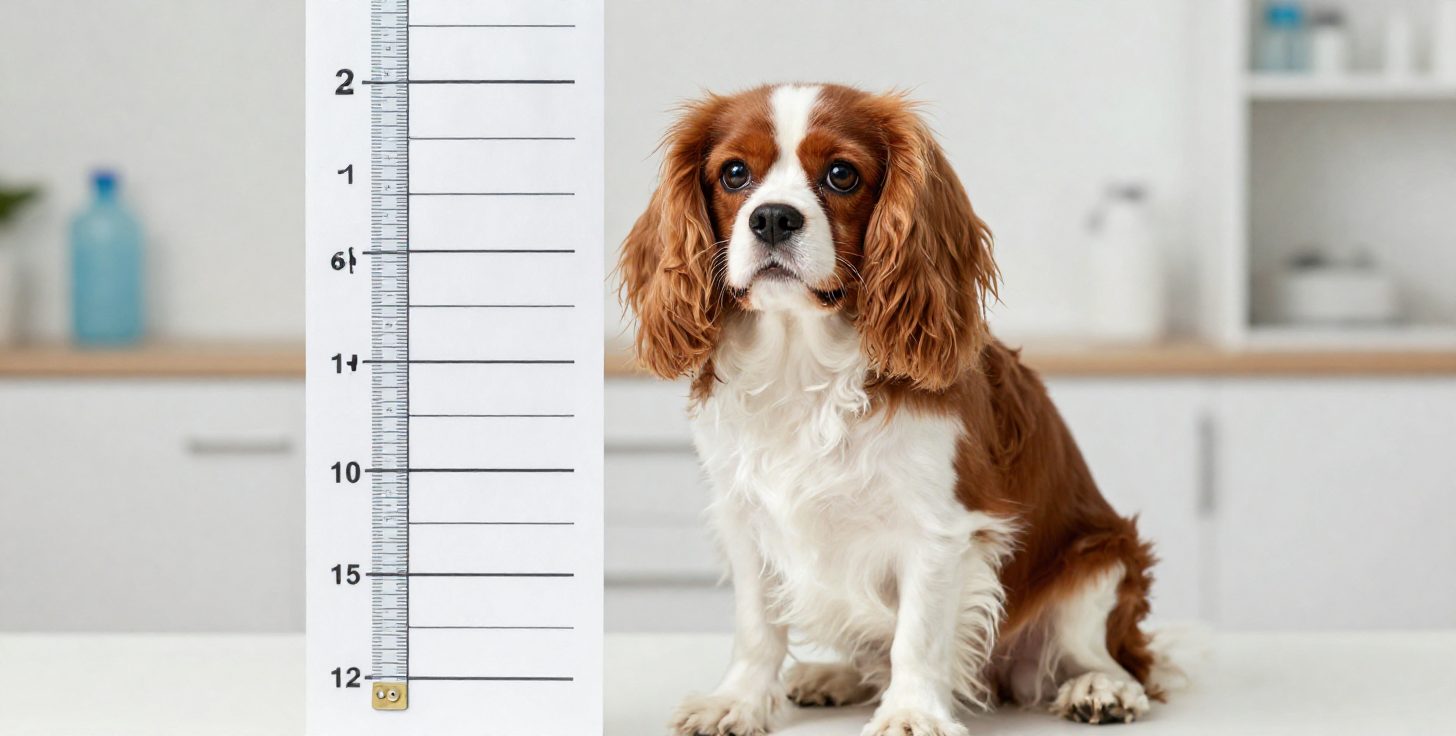
Why Is My Cavalier King Charles Spaniel So Small

Many owners wonder why their Cavalier King Charles Spaniel is smaller than others. This guide explores common reasons for size variations, including genetics, nutrition, and health issues. Learn about typical growth stages, environmental factors, and when to consult a vet to ensure your dog is healthy, providing clarity and confidence for every pet parent.

How to Remove Dog Smell From the House – Proven Solutions

How to Remove Dog Smell From the House

Does your home smell like your furry friend even when you’ve cleaned up? If you love your dog but hate the lingering odor, you’re not alone. That dog smell can sneak into carpets, furniture, and even the air you breathe. The good news? You don’t have to live with it. You’ll discover how to remove Dog smell from the house for good. Keep reading, and you’ll soon enjoy a fresher, cleaner home without giving up your pet’s company. Credit: inclusivenews.com.ng Sources Of Dog Odor Dog odor in the house comes from many places. Knowing these sources helps to remove the smell better. The smell is not just from the dog’s fur. It also comes from other areas where the dog spends time. Understanding these sources is the first step to a fresher home. Common Smell Origins Dogs have natural oils on their skin and fur. These oils can cause a strong odor over time. Wet fur makes the smell worse after baths or rain. Dog breath and saliva also add to the scent. Dirt and dust stick to their coat and bring in smells. Sometimes, dogs have skin infections that cause a bad odor. Their food and treats can leave a scent on their breath and fur. Feces and urine are strong sources of dog odor if not cleaned quickly. Areas Most Affected Dog beds and blankets hold a lot of smell. These fabrics absorb oils and dirt from the dog. Carpets and rugs trap hair and dirt easily. Sofas and chairs where dogs sit carry their scent. Floors around feeding areas can smell from spilled food or water. Crates and carriers need regular cleaning to stop odors. Walls and baseboards near dog spots may also have a faint smell. Even the air can hold dog odor if ventilation is poor. Cleaning Pet Bedding Cleaning pet bedding helps reduce dog smell inside the house. Bedding collects dirt, hair, and odors from your dog. Washing it regularly keeps your home fresh. It also keeps your dog healthy and comfortable. Washing Techniques Use hot water to kill bacteria and remove odors. Choose a pet-safe detergent without strong fragrances. Avoid fabric softeners as they can irritate your dog’s skin. Add a cup of white vinegar to the rinse cycle for extra odor removal. Dry the bedding thoroughly to prevent mold and mildew growth. Frequency Recommendations Wash pet bedding once a week for dogs that spend most time indoors. For dogs that go outside often, wash twice a week. If your dog has allergies or skin problems, wash more often. Clean bedding regularly to keep odors and dirt under control. Replace old bedding when it becomes worn or stained. Deodorizing Carpets And Upholstery Dog smell often sticks to carpets and upholstery. These soft surfaces absorb odors and trap dirt. Removing these smells helps your home feel fresh and clean. A clean carpet and upholstery also improve air quality. Regular deodorizing keeps your space inviting for guests and family. Effective Cleaning Methods Start by vacuuming carpets and furniture thoroughly. This removes hair, dust, and loose dirt. Use a carpet cleaner or shampooer for deep cleaning. Choose products designed for pet odors. Spot clean stains with a mild detergent and water. Blot the area gently to avoid spreading stains. Allow carpets and upholstery to dry fully. Good airflow speeds up drying and prevents mold. Using Natural Deodorizers Baking soda is a safe and cheap deodorizer. Sprinkle it over carpets and furniture. Let it sit for 15 to 30 minutes. Then vacuum it up to remove odors. White vinegar is another natural option. Mix equal parts vinegar and water in a spray bottle. Lightly spray affected areas and let them air dry. These natural methods reduce odors without harsh chemicals. They are safe for pets and children. Maintaining Air Quality Keeping the air in your home fresh helps remove dog smell fast. Clean air stops odors from sticking around. It makes your house more comfortable for everyone. Fresh air also helps reduce dust and allergens. This keeps your family and pets healthier. Use simple steps to improve air quality every day. Ventilation Tips Open windows to let fresh air flow inside. It pushes out old, smelly air quickly. Use fans to help air move better in rooms. Place fans near windows for best results. Regularly airing your home keeps dog odors low. Avoid closing all windows for long periods. Air moves slower in closed spaces, trapping smells. Air Purifiers And Fresheners Air purifiers catch dust, pet dander, and bad smells. Choose purifiers with HEPA filters for best cleaning. Run purifiers daily to keep air fresh longer. Natural fresheners like baking soda absorb odors well. Place bowls of baking soda in smelly areas. Avoid strong chemical sprays that can irritate pets. Use gentle scents like lavender or lemon instead. Regular Grooming Practices Regular grooming helps reduce dog smell in the house. Keeping your dog clean stops dirt and oils from building up. It also controls shedding and skin issues that cause odor. Grooming creates a fresher environment for both you and your pet. Bathing Schedule Bath your dog regularly to remove dirt and bad smells. Most dogs need a bath every 4 to 6 weeks. Use a gentle dog shampoo to protect their skin. Avoid bathing too often; it can dry out their coat. Clean ears and paws during baths to prevent odor. Brushing And Coat Care Brush your dog’s coat daily or several times a week. Brushing removes loose hair and dirt that cause smell. It spreads natural oils, keeping the coat healthy and shiny. Use the right brush for your dog’s fur type. Regular brushing helps spot skin problems early. Odor-absorbing Products Dog smell in the house can be tough to remove. Odor-absorbing products help trap and neutralize bad smells. These products target the source of the odor instead of just masking it. Using odor absorbers keeps your home smelling fresh. They work on carpets, furniture, and air. You can find ready-made products or make … Read more

Homemade Chicken and Rice Dog Food – Amazing Recipe

Homemade Chicken and Rice Dog Food

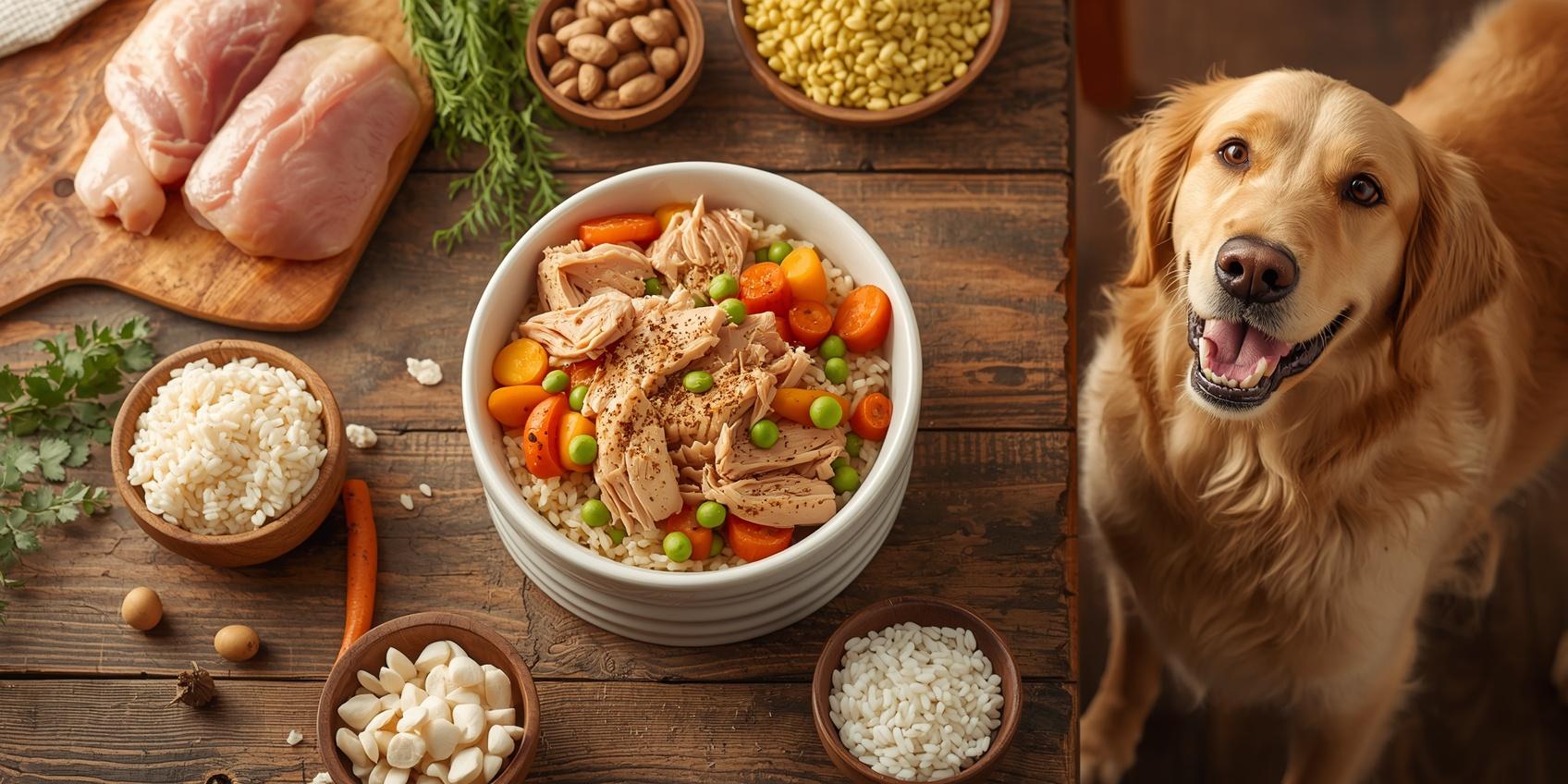
If you want to give your dog a meal that’s both healthy and delicious, making homemade chicken and rice dog food is a great choice. You probably care a lot about what goes into your pet’s bowl, and this simple recipe lets you control every ingredient. Imagine feeding your dog food that’s fresh, natural, and made with love—no mystery additives or fillers. Keep reading, and you’ll discover an easy way to prepare a nutritious meal that your furry friend will love, helping them stay happy and full of energy. Benefits Of Homemade Dog Food Homemade dog food offers many benefits for your pet’s health. You can provide fresh, wholesome meals made from real ingredients. This helps your dog stay strong and happy. Making food at home also builds trust between you and your dog. It shows you care deeply about their well-being. Feeding your dog homemade meals lets you know exactly what they eat. This reduces the chance of allergic reactions and digestive problems. Many pet owners notice better energy and shinier coats after switching to homemade food. It is a great way to support your dog’s long life. Nutritional Advantages Homemade dog food contains fresh, natural ingredients without fillers. You can include lean chicken, rice, and vegetables for balanced nutrition. This ensures your dog gets the right proteins, carbs, and vitamins. Fresh food is easier to digest and absorb. Your dog will feel better and have more energy every day. Control Over Ingredients You decide what goes into your dog’s meals. No hidden preservatives or artificial additives. This helps avoid allergies and food sensitivities. You can tailor recipes to your dog’s needs or preferences. Controlling ingredients means safer meals and fewer health risks. It’s a simple way to protect your pet. Cost-effectiveness Homemade dog food can save money compared to store brands. Buying fresh ingredients in bulk is often cheaper. You avoid costly packaging and marketing fees. Preparing meals at home allows you to use leftovers wisely. This reduces waste and stretches your budget. Feeding your dog well does not have to be expensive. Credit: blog.justfoodfordogs.com Choosing The Right Chicken Choosing the right chicken is key for a healthy dog meal. Chicken is a great source of protein and nutrients. The quality and cut affect your dog’s digestion and taste. Pick chicken that suits your dog’s size and health needs. Freshness matters too for safety and flavor. Types Of Chicken Cuts Chicken breast is lean and easy to digest. It has less fat, good for dogs with sensitive stomachs. Thighs contain more fat and flavor. Use skinless cuts to avoid extra fat. Ground chicken is easy to mix with rice. Avoid bones, as they can harm your dog. Organic Vs. Regular Chicken Organic chicken is raised without antibiotics or hormones. It may have fewer chemicals and pesticides. Regular chicken is often less expensive and more available. Both types can be healthy if cooked well. Choose organic if you want fewer additives for your dog. Preparing Chicken Safely Wash your hands before and after handling chicken. Cook chicken fully to kill harmful bacteria. Avoid seasoning, salt, or spices. Cut chicken into small, bite-sized pieces. Store leftovers in the fridge and use quickly. Safe preparation prevents illness and keeps your dog healthy. Selecting The Best Rice Choosing the right rice is important for your homemade chicken and rice dog food. Rice gives your dog energy and helps digestion. Not all rice types are the same. Some are better for dogs than others. Knowing how to cook rice well matters too. Also, serving the right amount keeps your dog healthy and happy. White Rice Vs. Brown Rice White rice is easy to digest. It is softer and gentler on dogs’ stomachs. Brown rice has more fiber and nutrients. But it can be harder to digest. For dogs with sensitive stomachs, white rice works best. Brown rice suits active dogs with strong digestion. Choose rice based on your dog’s needs. Cooking Methods For Rice Cook rice fully until soft. Use plain water without salt or spices. Boil or steam rice for best results. Avoid frying or adding oils. Overcooked rice is easier to digest. Cool rice before serving to your dog. Proper cooking keeps rice safe and tasty. Portion Sizes For Dogs Rice should be part of a balanced meal. Use about one-third rice and two-thirds chicken and veggies. Too much rice can cause weight gain. Smaller dogs need less rice than bigger dogs. Adjust portions based on your dog’s size and activity. Watch your dog’s weight and health regularly. Additional Ingredients To Include Adding extra ingredients to homemade chicken and rice dog food boosts nutrition. It helps your dog get a balanced diet beyond just protein and carbs. Some foods support health and digestion. Others give vitamins and minerals dogs need daily. Knowing what to add makes your recipe better and safer. Vegetables That Support Health Vegetables add fiber and vitamins to your dog’s meal. Carrots are good for eyes and skin. Green beans help with digestion and are low in calories. Peas provide protein and important minerals. Sweet potatoes offer energy and fiber. Always cook vegetables well to make them easy to digest. Supplements And Vitamins Supplements fill in any nutrition gaps. Fish oil gives omega-3 fats for a shiny coat. Calcium supports strong bones and teeth. Probiotics improve gut health and digestion. Use a multivitamin made for dogs to cover all bases. Follow vet advice for correct amounts. Avoiding Harmful Foods Some foods harm dogs and must be avoided. Onions and garlic can cause serious health issues. Grapes and raisins may lead to kidney failure. Chocolate contains toxins that hurt dogs badly. Avoid salt and artificial spices, which upset digestion. Keep your dog’s food simple and safe. Credit: ahp-co.com Step-by-step Cooking Instructions Making homemade chicken and rice dog food is simple and rewarding. Follow these clear steps to prepare a healthy meal for your dog. Each step focuses on safe, easy cooking methods. This way, you know exactly what … Read more

Homemade Chicken and Sweet Potato Dog Food Recipe

Homemade Chicken and Sweet Potato Dog Food

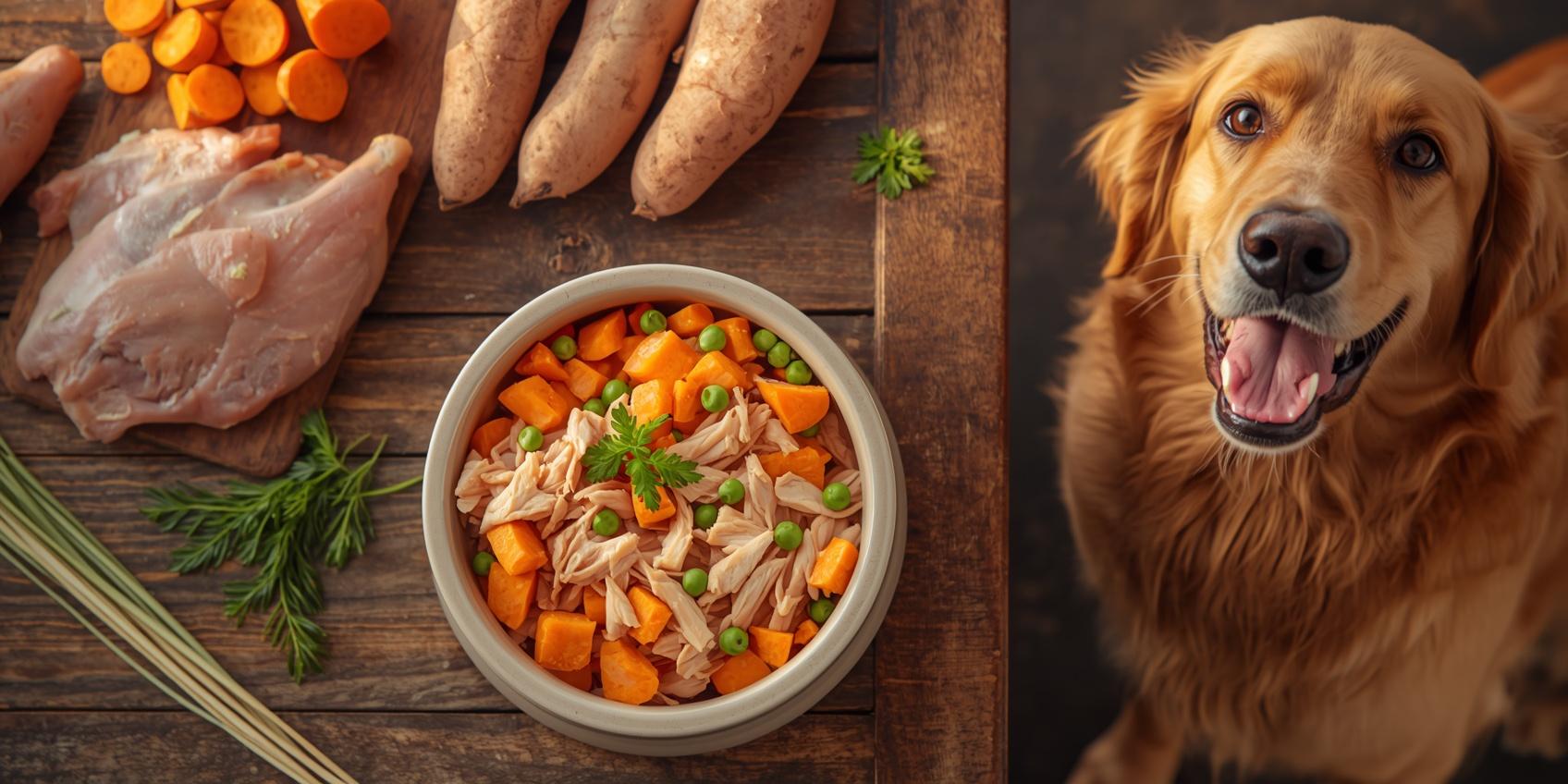
Are you looking for a healthy and tasty meal to treat your furry friend? Homemade Chicken and Sweet Potato Dog Food is a simple recipe that you can make with just a few ingredients. It’s packed with nutrients that support your dog’s energy, digestion, and overall health. Plus, cooking for your dog lets you control exactly what goes into their bowl—no more guessing about fillers or additives. Keep reading, and you’ll discover how easy it is to prepare this delicious, wholesome meal your dog will love. Credit: www.hutchpaving.com Benefits Of Homemade Dog Food Making homemade dog food has many benefits for your pet. It lets you offer fresh meals with real ingredients. You can tailor the food to meet your dog’s needs. This helps keep your dog healthy and happy every day. Nutritional Advantages Homemade dog food often has more nutrients. Fresh chicken and sweet potatoes provide protein and fiber. These support muscle growth and good digestion. No fillers or artificial additives dilute the meal. Your dog gets pure, natural nutrition with every bite. Control Over Ingredients Preparing food at home means you know every ingredient. You avoid harmful preservatives and chemicals found in some store brands. Choose fresh vegetables, lean meats, and healthy oils. This helps manage allergies or sensitivities your dog may have. You decide what goes into every meal. Cost-effectiveness Homemade meals can save money over time. Buying ingredients in bulk is cheaper than premium dog food. You use simple, affordable foods like chicken and sweet potatoes. No extra charges for packaging or marketing. Feeding your dog well can fit your budget easily. Credit: inthevintagekitchen.com Choosing Ingredients Choosing the right ingredients is the first step in making healthy dog food. Each ingredient plays a key role in your dog’s nutrition and taste. Careful selection ensures your dog gets the best meal possible. Quality matters more than quantity for homemade recipes. Selecting Quality Chicken Choose fresh, lean chicken without added hormones or antibiotics. Skinless chicken breast is ideal for easy digestion. Avoid processed chicken or leftovers with sauces. Fresh chicken provides essential protein and amino acids for your dog’s muscles and energy. Picking The Right Sweet Potatoes Sweet potatoes should be firm and free from spots or bruises. They offer fiber, vitamins, and natural sweetness dogs enjoy. Peel and cook them well to aid digestion. Sweet potatoes are gentle on the stomach and help maintain healthy digestion. Adding Vegetables And Supplements Include dog-safe vegetables like carrots, peas, or green beans. These add vitamins, minerals, and fiber to the meal. Avoid onions, garlic, and other toxic foods. A small amount of fish oil or a canine vitamin supplement boosts health. Always consult your vet before adding supplements. Preparation Steps Preparing homemade chicken and sweet potato dog food is easy. Follow these simple steps to make a healthy meal your dog will enjoy. Proper preparation keeps the food safe and tasty. Each step matters for good nutrition and flavor. Cooking Chicken Safely Choose fresh, boneless chicken breasts or thighs. Cut the chicken into small pieces for even cooking. Boil the chicken in water until fully cooked. Check that the meat is white inside with no pink. Avoid using any seasoning, salt, or oil. Let the chicken cool before mixing with other ingredients. Preparing Sweet Potatoes Wash the sweet potatoes thoroughly to remove dirt. Peel the skin to make digestion easier for dogs. Cut the sweet potatoes into small cubes. Boil or steam the cubes until soft. Test softness by poking with a fork. Soft sweet potatoes are easier for dogs to chew and digest. Combining Ingredients Mix the cooked chicken and sweet potatoes in a bowl. Add a little water if needed to moisten the mix. Stir well to combine all parts evenly. Let the mixture cool completely before serving. Store leftovers in the refrigerator for up to three days. Serve in appropriate portions based on your dog’s size. Portioning And Storage Proper portioning and storage keep homemade dog food fresh and safe. It helps avoid waste and ensures your dog gets the right amount of nutrition. Understanding how to serve and store the chicken and sweet potato mix is key. Determining Serving Sizes Serving size depends on your dog’s weight, age, and activity level. Small dogs need less food than bigger ones. A general rule is 2-3% of your dog’s body weight per day. Divide this into two meals for better digestion. Watch your dog’s weight and energy to adjust portions. Consult your vet for exact amounts if unsure. Storing Fresh Food Store fresh homemade food in airtight containers. Keep it in the refrigerator for up to three days. Label containers with the date for easy tracking. Avoid leaving food out for more than two hours. Always check for signs of spoilage before feeding your dog. Freezing And Reheating Tips Freeze extra portions in small, meal-sized containers or bags. This keeps food fresh for up to three months. Thaw frozen food in the refrigerator overnight. Reheat gently to room temperature before serving. Avoid microwaving as it can create hot spots. Stir food well to distribute heat evenly. Feeding Guidelines Feeding your dog homemade chicken and sweet potato food needs care. Proper feeding keeps your dog healthy and happy. Follow simple rules to make the change smooth and safe. Transitioning Your Dog’s Diet Change your dog’s food slowly. Mix small amounts of homemade food with old food. Increase new food over 7 to 10 days. Watch for signs of upset stomach. Slow change helps avoid digestion problems. Monitoring Health And Reactions Check your dog daily after changing food. Look for changes in energy and mood. Watch for itching, vomiting, or diarrhea. Healthy skin and shiny coat show good nutrition. Contact a vet if problems appear. Adjusting Portions Over Time Start with small portions. Adjust amount based on your dog’s size and activity. Grow or active dogs need more food. Less active dogs need less. Keep an eye on weight and energy. Change portions to keep your dog fit. Credit: … Read more