Doggy Scout

Homemade Chicken and Sweet Potato Dog Food Recipe
Homemade Chicken and Sweet Potato Dog Food

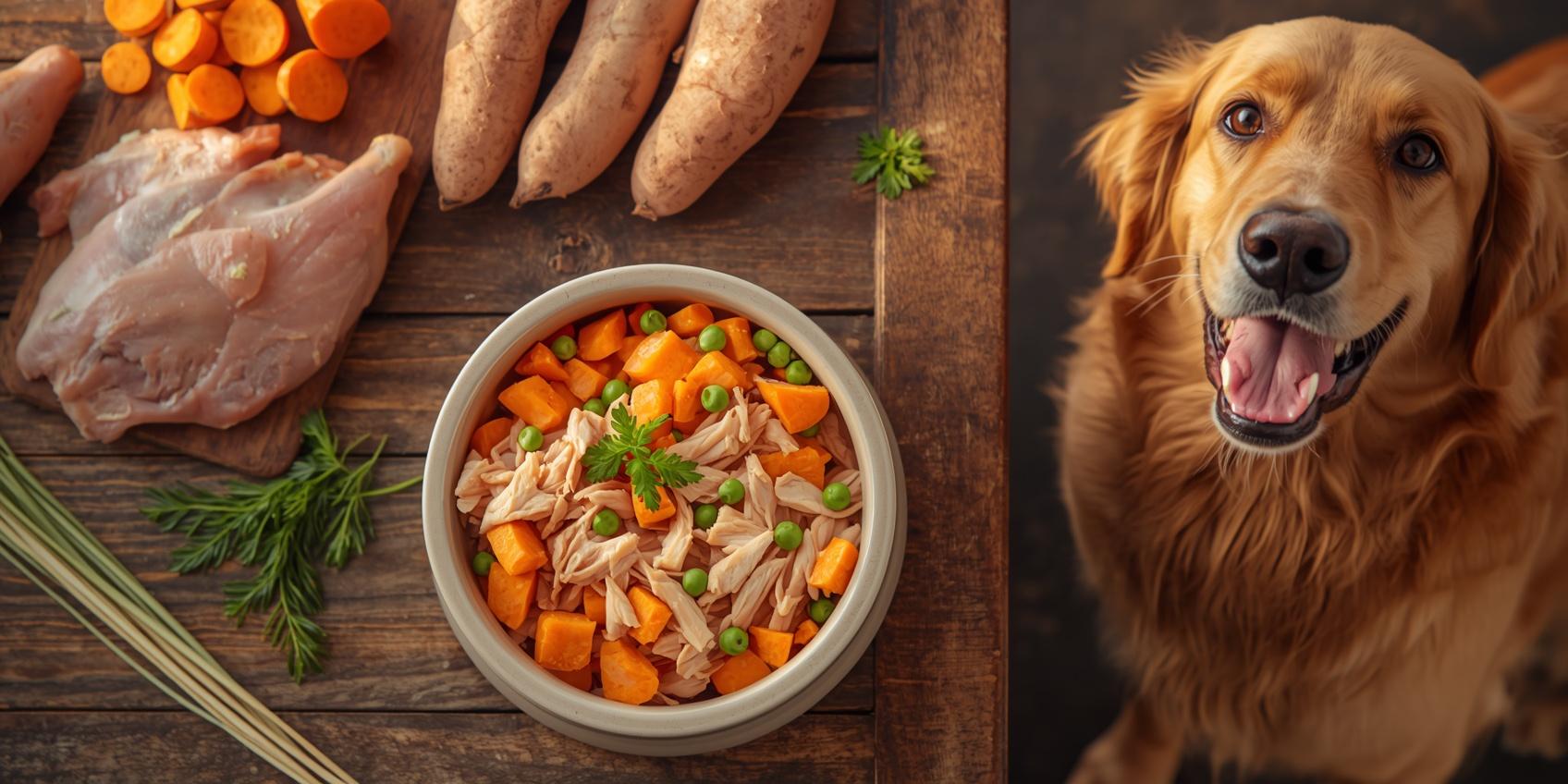
Are you looking for a healthy and tasty meal to treat your furry friend? Homemade Chicken and Sweet Potato Dog Food is a simple recipe that you can make with just a few ingredients. It’s packed with nutrients that support your dog’s energy, digestion, and overall health. Plus, cooking for your dog lets you control exactly what goes into their bowl—no more guessing about fillers or additives. Keep reading, and you’ll discover how easy it is to prepare this delicious, wholesome meal your dog will love. Credit: www.hutchpaving.com Benefits Of Homemade Dog Food Making homemade dog food has many benefits for your pet. It lets you offer fresh meals with real ingredients. You can tailor the food to meet your dog’s needs. This helps keep your dog healthy and happy every day. Nutritional Advantages Homemade dog food often has more nutrients. Fresh chicken and sweet potatoes provide protein and fiber. These support muscle growth and good digestion. No fillers or artificial additives dilute the meal. Your dog gets pure, natural nutrition with every bite. Control Over Ingredients Preparing food at home means you know every ingredient. You avoid harmful preservatives and chemicals found in some store brands. Choose fresh vegetables, lean meats, and healthy oils. This helps manage allergies or sensitivities your dog may have. You decide what goes into every meal. Cost-effectiveness Homemade meals can save money over time. Buying ingredients in bulk is cheaper than premium dog food. You use simple, affordable foods like chicken and sweet potatoes. No extra charges for packaging or marketing. Feeding your dog well can fit your budget easily. Credit: inthevintagekitchen.com Choosing Ingredients Choosing the right ingredients is the first step in making healthy dog food. Each ingredient plays a key role in your dog’s nutrition and taste. Careful selection ensures your dog gets the best meal possible. Quality matters more than quantity for homemade recipes. Selecting Quality Chicken Choose fresh, lean chicken without added hormones or antibiotics. Skinless chicken breast is ideal for easy digestion. Avoid processed chicken or leftovers with sauces. Fresh chicken provides essential protein and amino acids for your dog’s muscles and energy. Picking The Right Sweet Potatoes Sweet potatoes should be firm and free from spots or bruises. They offer fiber, vitamins, and natural sweetness dogs enjoy. Peel and cook them well to aid digestion. Sweet potatoes are gentle on the stomach and help maintain healthy digestion. Adding Vegetables And Supplements Include dog-safe vegetables like carrots, peas, or green beans. These add vitamins, minerals, and fiber to the meal. Avoid onions, garlic, and other toxic foods. A small amount of fish oil or a canine vitamin supplement boosts health. Always consult your vet before adding supplements. Preparation Steps Preparing homemade chicken and sweet potato dog food is easy. Follow these simple steps to make a healthy meal your dog will enjoy. Proper preparation keeps the food safe and tasty. Each step matters for good nutrition and flavor. Cooking Chicken Safely Choose fresh, boneless chicken breasts or thighs. Cut the chicken into small pieces for even cooking. Boil the chicken in water until fully cooked. Check that the meat is white inside with no pink. Avoid using any seasoning, salt, or oil. Let the chicken cool before mixing with other ingredients. Preparing Sweet Potatoes Wash the sweet potatoes thoroughly to remove dirt. Peel the skin to make digestion easier for dogs. Cut the sweet potatoes into small cubes. Boil or steam the cubes until soft. Test softness by poking with a fork. Soft sweet potatoes are easier for dogs to chew and digest. Combining Ingredients Mix the cooked chicken and sweet potatoes in a bowl. Add a little water if needed to moisten the mix. Stir well to combine all parts evenly. Let the mixture cool completely before serving. Store leftovers in the refrigerator for up to three days. Serve in appropriate portions based on your dog’s size. Portioning And Storage Proper portioning and storage keep homemade dog food fresh and safe. It helps avoid waste and ensures your dog gets the right amount of nutrition. Understanding how to serve and store the chicken and sweet potato mix is key. Determining Serving Sizes Serving size depends on your dog’s weight, age, and activity level. Small dogs need less food than bigger ones. A general rule is 2-3% of your dog’s body weight per day. Divide this into two meals for better digestion. Watch your dog’s weight and energy to adjust portions. Consult your vet for exact amounts if unsure. Storing Fresh Food Store fresh homemade food in airtight containers. Keep it in the refrigerator for up to three days. Label containers with the date for easy tracking. Avoid leaving food out for more than two hours. Always check for signs of spoilage before feeding your dog. Freezing And Reheating Tips Freeze extra portions in small, meal-sized containers or bags. This keeps food fresh for up to three months. Thaw frozen food in the refrigerator overnight. Reheat gently to room temperature before serving. Avoid microwaving as it can create hot spots. Stir food well to distribute heat evenly. Feeding Guidelines Feeding your dog homemade chicken and sweet potato food needs care. Proper feeding keeps your dog healthy and happy. Follow simple rules to make the change smooth and safe. Transitioning Your Dog’s Diet Change your dog’s food slowly. Mix small amounts of homemade food with old food. Increase new food over 7 to 10 days. Watch for signs of upset stomach. Slow change helps avoid digestion problems. Monitoring Health And Reactions Check your dog daily after changing food. Look for changes in energy and mood. Watch for itching, vomiting, or diarrhea. Healthy skin and shiny coat show good nutrition. Contact a vet if problems appear. Adjusting Portions Over Time Start with small portions. Adjust amount based on your dog’s size and activity. Grow or active dogs need more food. Less active dogs need less. Keep an eye on weight and energy. Change portions to keep your dog fit. Credit: … Read more
Easy Crockpot Dog Food Recipes With Ground Turkey

Crockpot Dog Food Recipes With Ground Turkey

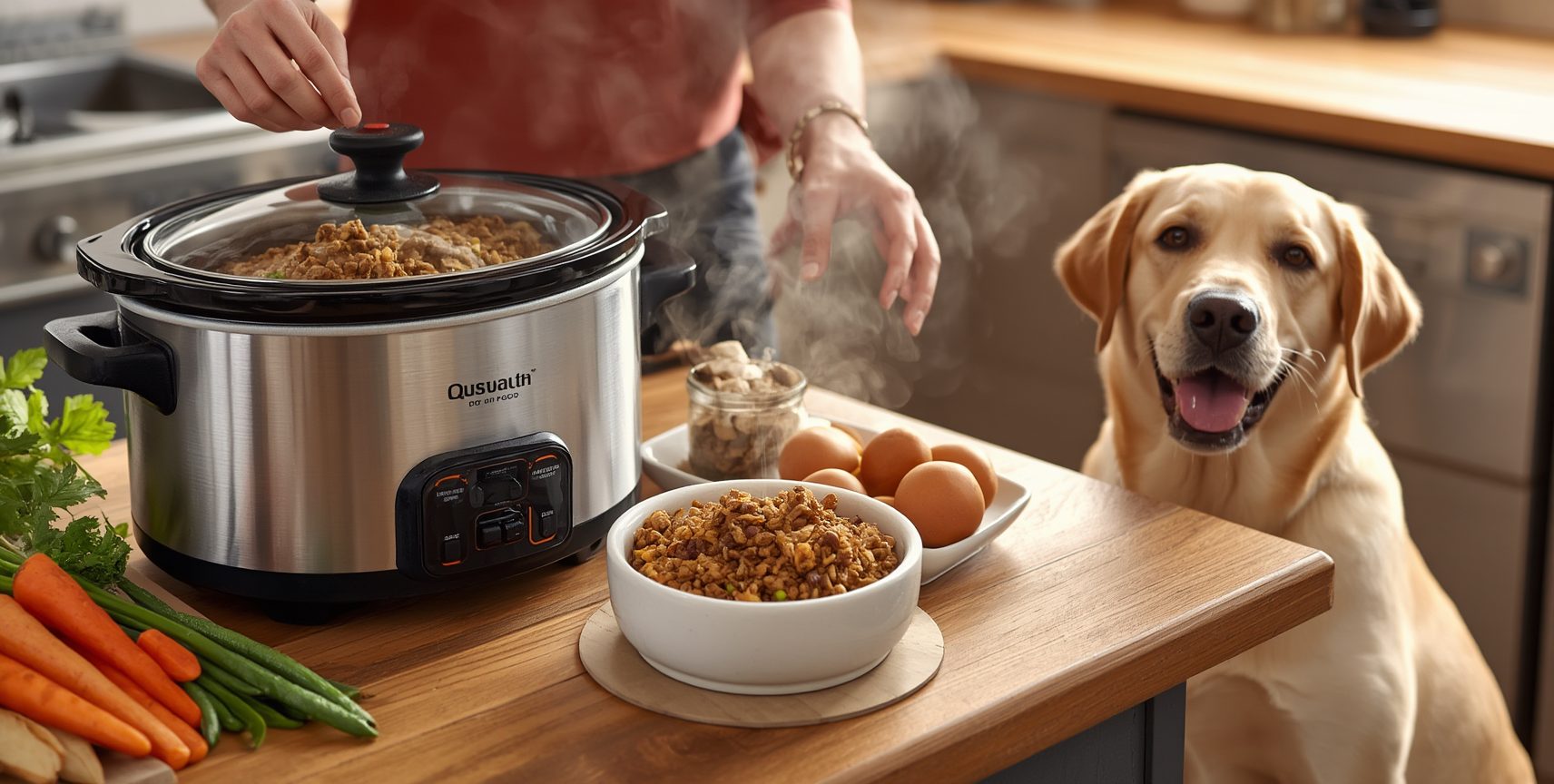
Are you looking for a simple, healthy way to feed your dog delicious meals? Crockpot dog food recipes with ground turkey are a perfect choice. They save you time, use wholesome ingredients, and your furry friend will love the taste. Imagine coming home to a warm, homemade meal ready for your dog—no fuss, no mess. Keep reading to discover easy recipes that will make your dog’s tail wag with joy and keep them healthy every day. Credit: www.acupfullofsass.com Benefits Of Crockpot Dog Food Crockpot dog food recipes with ground turkey offer many benefits for pet owners. Cooking dog food at home ensures fresh ingredients and better control over what your dog eats. Using a crockpot makes the process simple and effective. Slow cooking preserves nutrients and flavors in the food. The gentle heat helps break down ingredients for easy digestion. Dogs enjoy tasty meals without additives or preservatives. Nutritional Advantages Ground turkey provides lean protein that supports muscle growth. Slow cooking keeps vitamins and minerals intact. It helps maintain healthy skin, coat, and energy levels. Homemade food avoids fillers found in some commercial dog foods. Balanced meals improve your dog’s overall health. Convenience And Time-saving A crockpot allows you to prepare meals in advance. Simply add ingredients and let the slow cooker do the work. Meals cook while you focus on other tasks. Portion and freeze for quick feeding later. Saves time on daily cooking and cleanup. Cost-effectiveness Ground turkey is affordable and widely available. Buying ingredients in bulk reduces expenses. Homemade dog food cuts costs compared to premium store brands. You control portions, avoiding waste. Feeding your dog well without overspending. Credit: www.theproducemoms.com Why Choose Ground Turkey Ground turkey is a great choice for homemade dog food recipes. It offers many benefits that support your dog’s health and well-being. This meat is gentle on the stomach and easy to prepare in a crockpot. Here’s why ground turkey stands out as a healthy option for your furry friend. Lean Protein Source Ground turkey contains high-quality protein with low fat. Protein helps build strong muscles and supports energy. Dogs need protein to stay active and healthy. Choosing lean turkey reduces extra calories and fat intake. It suits dogs that require a balanced diet. Allergy-friendly Option Many dogs have food allergies or sensitivities. Ground turkey is less likely to cause allergic reactions. It is a good alternative to common proteins like beef or chicken. Feeding turkey helps avoid itching, redness, or upset stomach. This makes it safer for dogs with allergies. Digestibility For Dogs Ground turkey is easy for dogs to digest. It breaks down well in the stomach and intestines. This helps dogs absorb more nutrients from their food. Digestible meals reduce the risk of digestive problems. It is ideal for dogs with sensitive tummies or older pets. Essential Ingredients For Recipes Preparing homemade dog food with ground turkey is a great way to give your pet a healthy meal. Choosing the right ingredients ensures balanced nutrition and good taste. Essential ingredients include vegetables, grains, and supplements. Each plays an important role in your dog’s diet. Vegetables And Their Benefits Vegetables add vitamins and fiber to your dog’s meals. Carrots help with eyesight and are easy to digest. Green beans provide fiber and support digestion. Sweet potatoes offer energy and promote healthy skin. Avoid onions and garlic as they can be harmful to dogs. Grains And Alternatives Grains provide energy and help keep your dog full. Brown rice is a common choice, rich in fiber and easy to digest. Oats support heart health and provide slow-release energy. Quinoa is a good grain alternative with protein and essential amino acids. Some dogs need grain-free options, like sweet potatoes or pumpkin. Supplements And Additives Supplements improve nutrition and support your dog’s health. Fish oil adds omega-3 fatty acids for a shiny coat. Calcium supports strong bones and teeth. Plain yogurt adds probiotics for healthy digestion. Always consult your vet before adding supplements to your dog’s food. Basic Crockpot Dog Food Recipe A basic crockpot dog food recipe with ground turkey offers a simple way to feed your dog healthy meals. This recipe uses fresh ingredients that are gentle on your pet’s stomach. It cooks slowly, making the flavors blend well and the nutrients stay strong. Preparing your dog’s food at home helps control what goes into their bowl. It ensures your dog eats natural and wholesome ingredients without fillers or preservatives. This method is easy and saves time, giving you peace of mind about your dog’s diet. Ingredients List Step-by-step Cooking Instructions Storage Tips Turkey And Sweet Potato Delight The Turkey and Sweet Potato Delight is a tasty Crockpot dog food recipe. It combines ground turkey with sweet potatoes for a healthy meal. This dish provides protein and vitamins for your dog. The slow cooking makes the ingredients soft and easy to digest. Many dogs enjoy the natural flavors of turkey and sweet potato together. Ingredient Variations You can change ingredients to fit your dog’s needs. Use carrots instead of sweet potatoes for more crunch. Add green beans to increase fiber. Substitute ground chicken if turkey is not available. Avoid onions and garlic as they are harmful to dogs. Always choose fresh, natural ingredients for best results. Cooking Process Start by browning the ground turkey in a pan. Place turkey and chopped sweet potatoes in the Crockpot. Pour in a cup of water or low-sodium broth. Cook on low for 6 to 8 hours. Stir occasionally to mix flavors. Let it cool before serving to your dog. Feeding Guidelines Serve the meal in small portions at first. Watch for any allergic reactions or upset stomach. Adjust portion size based on your dog’s weight and activity. Store leftovers in the fridge for up to 3 days. Always provide fresh water alongside the meal. Consult your vet for specific dietary advice. Credit: www.meatloafandmelodrama.com Turkey, Rice, And Veggie Mix The Turkey, Rice, and Veggie Mix is a healthy meal for your dog. It combines lean … Read more

Banana Peanut Butter Chew Sticks for Dogs – Amazing Treat

Banana Peanut Butter Chew Sticks for Dogs

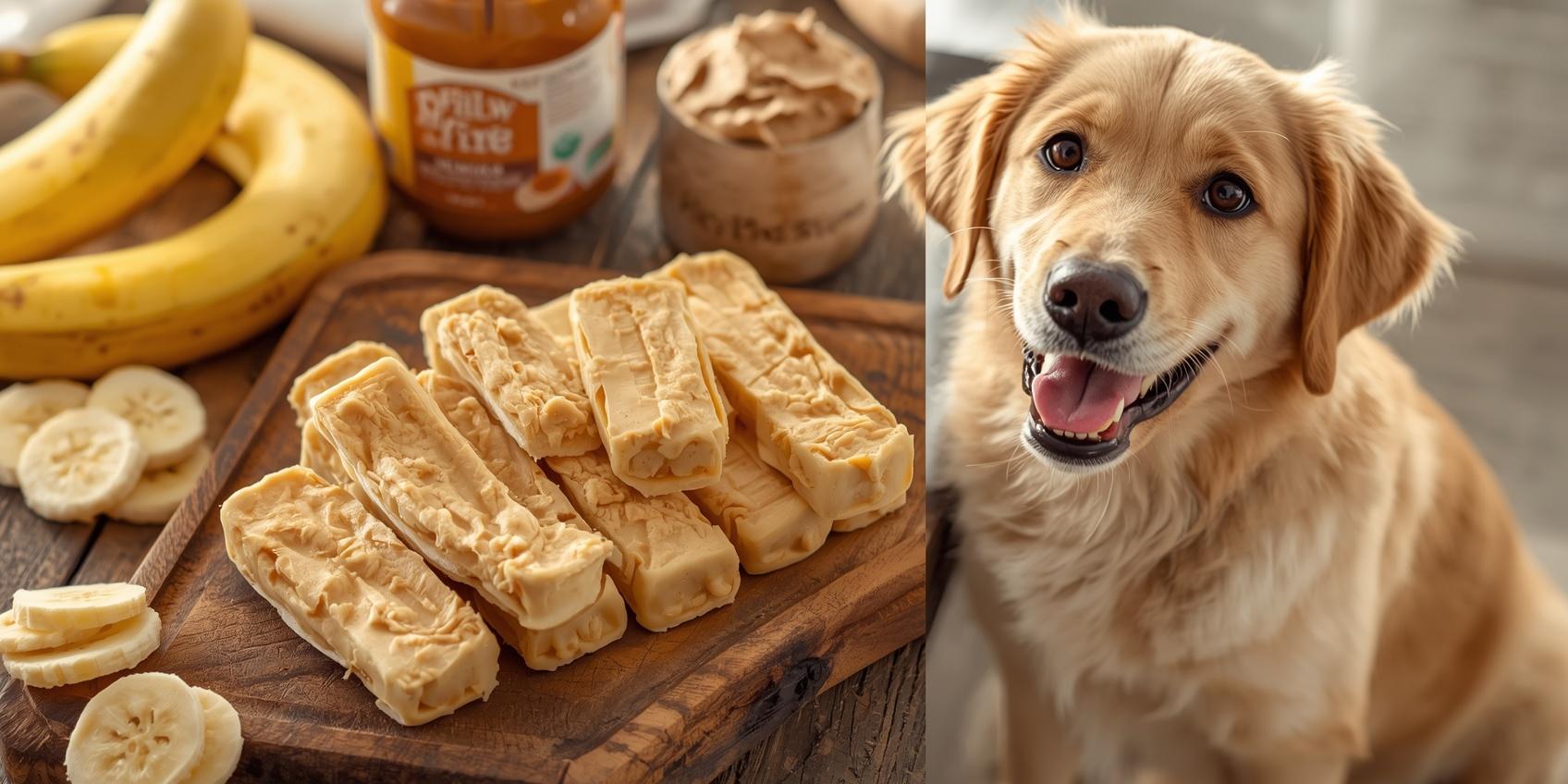
Looking for a tasty and healthy treat your dog will love? Banana peanut butter chew sticks might be just what you need. These treats combine flavors your dog can’t resist with ingredients that support their health. If you want to keep your furry friend happy and satisfied while giving them something safe to chew on, you’ll want to learn more about these delicious sticks. Keep reading to discover why banana peanut butter chew sticks for dogs could become new favorite snack. Credit: www.floraandvino.com Benefits Of Banana Peanut Butter Chew Sticks Banana peanut butter chew sticks offer many benefits for dogs. They combine tasty flavors with health advantages. These chew sticks make treat time both fun and useful. Dogs enjoy chewing, and these sticks help support their well-being in several ways. Nutritional Value Bananas provide important vitamins like potassium and vitamin C. Peanut butter adds protein and healthy fats. Together, they give dogs energy and nutrients. These chew sticks also contain fiber, aiding digestion. Natural ingredients make the sticks safe and healthy. Dental Health Support Chewing on these sticks helps clean dogs’ teeth. The texture reduces plaque and tartar buildup. It also massages gums to keep them strong. Regular chewing supports better breath and oral health. These sticks are a tasty way to care for teeth. Mental Stimulation Chewing challenges dogs and keeps their minds active. It helps reduce boredom and stress. Mental exercise through chewing improves focus and behavior. Banana peanut butter sticks provide a fun, engaging task. This keeps dogs happy and mentally sharp. Ingredients To Look For Choosing the right ingredients for Banana Peanut Butter Chew Sticks is important. Good ingredients keep your dog healthy and happy. Watch for natural, safe items that support your dog’s nutrition. Avoid harmful substances that might cause problems. Think about allergies too. Here are key points to consider. Natural Components Look for real bananas and natural peanut butter. These provide vitamins and protein for your dog. Ingredients like oats or sweet potatoes add fiber and nutrients. Natural oils help keep chew sticks tasty and moist. Avoid artificial flavors or colors that add nothing good. Avoiding Harmful Additives Check labels for no artificial preservatives or chemicals. Some preservatives can upset your dog’s stomach. Avoid added sugars or salt. These can harm your dog’s health over time. Steer clear of ingredients like xylitol. It is toxic to dogs and must never be included. Allergen Considerations Peanut allergies are rare but possible in dogs. Watch for any signs of allergies after feeding. Some dogs may react to wheat or corn in chew sticks. Choose grain-free options if your dog has allergies. Always introduce new treats slowly and watch carefully. Making Homemade Chew Sticks Making homemade Banana Peanut Butter Chew Sticks for dogs is fun and rewarding. These treats are healthy and tasty. You control the ingredients, so they stay natural. Plus, your dog will love the fresh flavor and chewy texture. Preparing these chew sticks at home needs only a few steps. It saves money and lets you customize flavors. You can make them soft or firm, depending on your dog’s preference. Let’s explore some simple recipes, tips for preparation, and storage advice. Simple Recipes Start with ripe bananas and natural peanut butter. Mash the bananas until smooth. Mix in peanut butter and a bit of oat flour. Stir until the dough forms. Roll it out and cut into stick shapes. Bake at a low temperature until firm. Cool completely before giving to your dog. Preparation Tips Use fresh, natural peanut butter without xylitol. Avoid added sugar or salt. Use ripe bananas for natural sweetness. Flour helps bind the mixture and adds chewiness. Roll sticks evenly for uniform baking. Use parchment paper to prevent sticking. Let sticks cool fully to harden properly. Storage Guidelines Store chew sticks in an airtight container. Keep them in a cool, dry place. Refrigerate for longer freshness. Freeze extra sticks to extend shelf life. Thaw sticks before serving frozen ones. Check for mold or spoilage before use. Homemade treats last up to two weeks refrigerated. Credit: www.lemon8-app.com Choosing Store-bought Options Choosing store-bought Banana Peanut Butter Chew Sticks for dogs saves time and effort. These treats come ready to use and offer balanced nutrition. Many brands make them with natural ingredients and flavors dogs love. Picking the right product helps keep your dog healthy and happy. Top Brands Some brands stand out for quality and safety. Look for names known for pet health. Brands with positive reviews and strict testing are best. Popular brands often use real banana and peanut butter. Trusted brands avoid fillers and harmful additives. Reading Labels Labels reveal what the chew sticks contain. Check for natural ingredients and no artificial colors. Avoid products with high sugar or salt. Look for clear ingredient lists and no unknown chemicals. Protein and fiber content matters for your dog’s diet. Price Vs. Quality Cheap treats may lack good nutrition. Higher price often means better ingredients and safety. Choose products that balance cost and value. Investing a bit more can improve your dog’s health. Don’t sacrifice quality for a lower price. Feeding Guidelines And Safety Feeding Banana Peanut Butter Chew Sticks to your dog can be a healthy treat option. It is important to follow safe feeding practices. These guidelines help keep your dog happy and healthy. Understanding portion size and watching for allergies are key steps. Avoid giving treats at the wrong time to prevent problems. Read on to learn about portion control, allergy monitoring, and when to avoid these chew sticks. Portion Control Give your dog chew sticks in small amounts. Too many treats can cause stomach upset or weight gain. Use treats to reward good behavior, not as a meal replacement. For small dogs, one stick per day is enough. Larger dogs can have one or two sticks. Always check the package for specific feeding instructions. Monitoring Allergic Reactions Watch your dog closely after giving a new treat. Look for signs like itching, swelling, or vomiting. These may … Read more

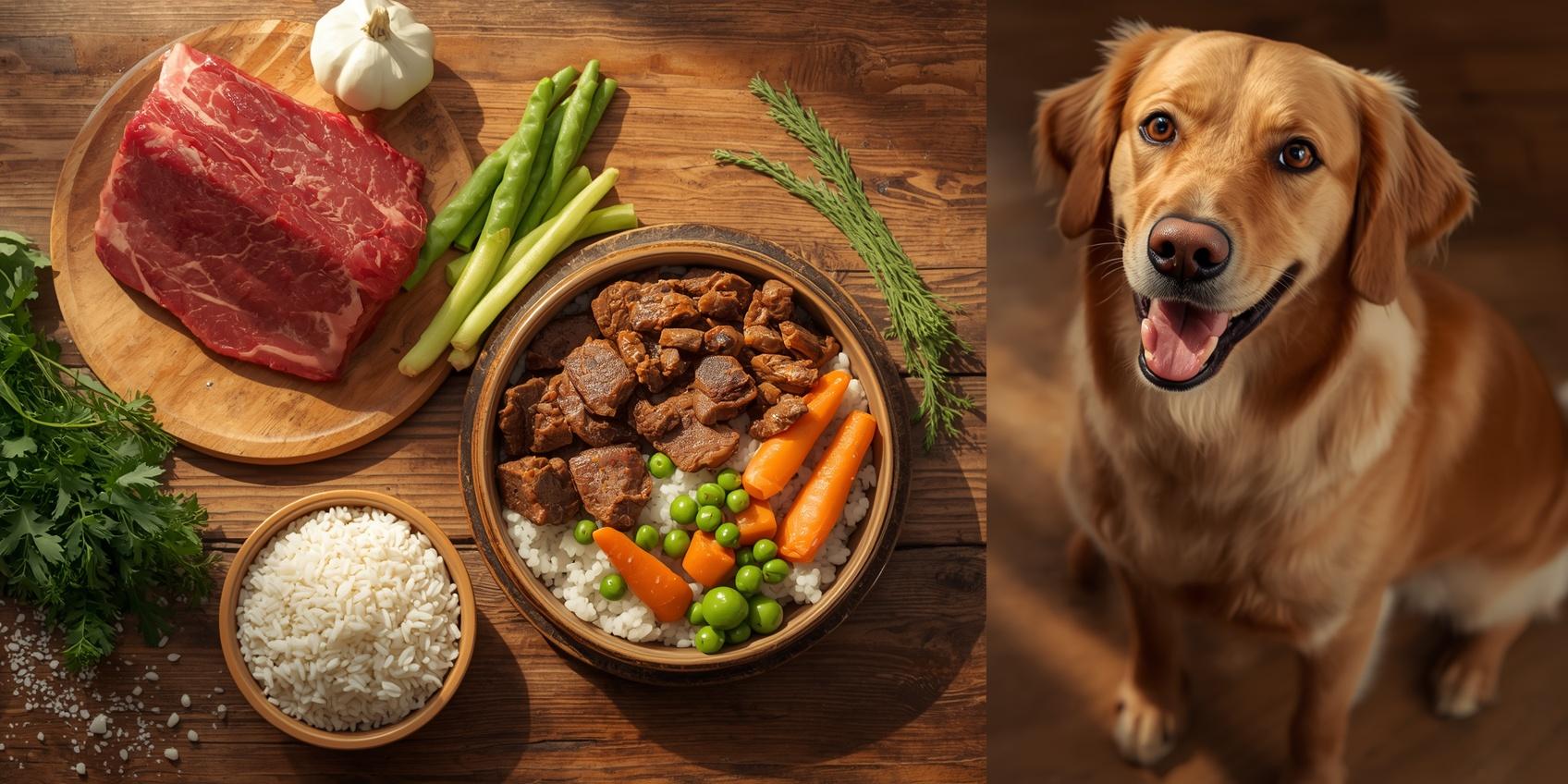
Homemade Beef and Rice Dog Food – Amazing Recipe

Homemade Beef and Rice Dog Food

If you want to give your dog a meal that’s healthy, tasty, and made with love, homemade beef and rice dog food is a perfect choice. You might wonder if it’s hard or time-consuming, but it’s actually simple and rewarding. Imagine knowing exactly what goes into your dog’s bowl and seeing their tail wag with every bite. You’ll find an easy recipe that fits your busy life and keeps your furry friend happy and strong. Keep reading to discover how to make a meal your dog will love—and you’ll feel great serving. Benefits Of Homemade Dog Food Making dog food at home offers many advantages for your pet’s health and well-being. It allows you to provide fresh, natural meals without additives. You can ensure your dog gets the right nutrients every day. Homemade meals can also suit special dietary needs or allergies. Cooking for your dog creates a stronger bond. You know exactly what your dog eats. This peace of mind is priceless for pet owners. Plus, homemade food often tastes better to dogs than store-bought options. Nutritional Advantages Homemade dog food gives balanced nutrition with real ingredients. You choose fresh beef, rice, and vegetables for meals. This helps avoid unhealthy fillers found in some commercial foods. Fresh food supports better digestion and energy. It can improve your dog’s coat, teeth, and overall health. Control Over Ingredients Cooking at home means total control over every ingredient. Avoid harmful chemicals, preservatives, and fillers. Add only what benefits your dog’s health. Customize meals for allergies or sensitivities. Monitor salt, fat, and carb levels carefully. This control helps prevent diet-related health problems. Cost-effectiveness Homemade dog food can save money over time. Buying fresh ingredients in bulk lowers costs. Avoid expensive commercial dog food brands. Reduce vet bills by feeding a healthier diet. Cooking at home also reduces waste. You use leftovers and avoid packaging expenses. Credit: thismessisours.com Ingredients Needed Making homemade beef and rice dog food starts with choosing the right ingredients. Fresh, natural items help keep your dog healthy and happy. Each component plays a vital role in your dog’s nutrition. Quality matters. It affects taste, digestibility, and nutrient content. Let’s explore the key ingredients for this recipe. Selecting Quality Beef Choose lean ground beef with low fat. Avoid processed or seasoned meat. Fresh beef has more nutrients and tastes better. Organic or grass-fed beef offers higher quality. Check the expiration date for freshness. Trim off excess fat before cooking. Choosing The Right Rice Use plain white or brown rice. Brown rice contains more fiber and vitamins. Rinse rice to remove dirt and starch. Cook rice fully to aid digestion. Avoid instant or flavored rice packs. Rice adds energy and helps digestion. Adding Vegetables And Supplements Include dog-safe vegetables like carrots and peas. Vegetables add vitamins, fiber, and antioxidants. Cook veggies until soft for easy chewing. Avoid onions, garlic, and toxic plants. Add supplements like fish oil for omega-3. Calcium powder supports strong bones. Consult your vet about supplements. Preparation Steps Preparing homemade beef and rice dog food is simple and rewarding. Follow these steps to make a healthy meal your dog will enjoy. Each step is easy to follow and uses common kitchen tools. Let’s get started. Cooking The Beef Start by choosing lean ground beef. Place it in a large pan over medium heat. Cook the beef until fully brown. Break the meat into small pieces while cooking. Drain any excess fat to keep the meal healthy. Set the cooked beef aside to cool. Preparing The Rice Use white or brown rice for this recipe. Rinse the rice under cold water to remove starch. In a pot, add rice and double the amount of water. Bring it to a boil, then reduce heat to low. Cover the pot and simmer until rice is soft and water is absorbed. Fluff the rice with a fork and let it cool. Mixing Ingredients Combine the cooked beef and rice in a large bowl. Mix well to spread the beef evenly. Let the mixture cool completely before serving. Store leftovers in the refrigerator for up to three days. Serve the meal at room temperature for your dog’s comfort. Credit: spoiledhounds.com Portioning And Storage Portioning and storage are key for homemade beef and rice dog food. Serving the right amount keeps your dog healthy and happy. Storing the food properly keeps it fresh and safe to eat. Follow simple steps to make feeding easy and worry-free. Proper Serving Sizes Serve your dog based on its weight and activity level. Small dogs need less food than big dogs. Use a measuring cup for accuracy. Divide the daily amount into two or three meals. Avoid overfeeding to prevent weight gain and health issues. Safe Storage Tips Store the dog food in airtight containers. Use clean containers to avoid bacteria. Keep food in the fridge if you plan to use it soon. For longer storage, freeze the portions in small bags. Thaw frozen food in the fridge before serving. Shelf Life Expectations Fresh homemade dog food lasts 3 to 4 days in the fridge. Frozen portions can last up to 3 months. Always check for signs of spoilage like bad smell or mold. Discard any food that looks or smells off. Proper storage helps maintain nutrients and safety. Feeding Guidelines Feeding your dog homemade beef and rice food needs care and attention. Proper feeding helps your dog stay healthy and active. Each dog is different, so feeding amounts and times may change. Use these guidelines to feed your dog well. Adjusting Portions By Dog Size Small dogs need less food than large dogs. A tiny dog may eat half a cup per meal. Medium dogs might need one to one and a half cups. Large dogs often require two cups or more. Watch your dog’s weight and energy to adjust amounts. Avoid overfeeding to keep your dog fit. Frequency Of Meals Most adult dogs do well with two meals a day. Puppies need three to four smaller … Read more

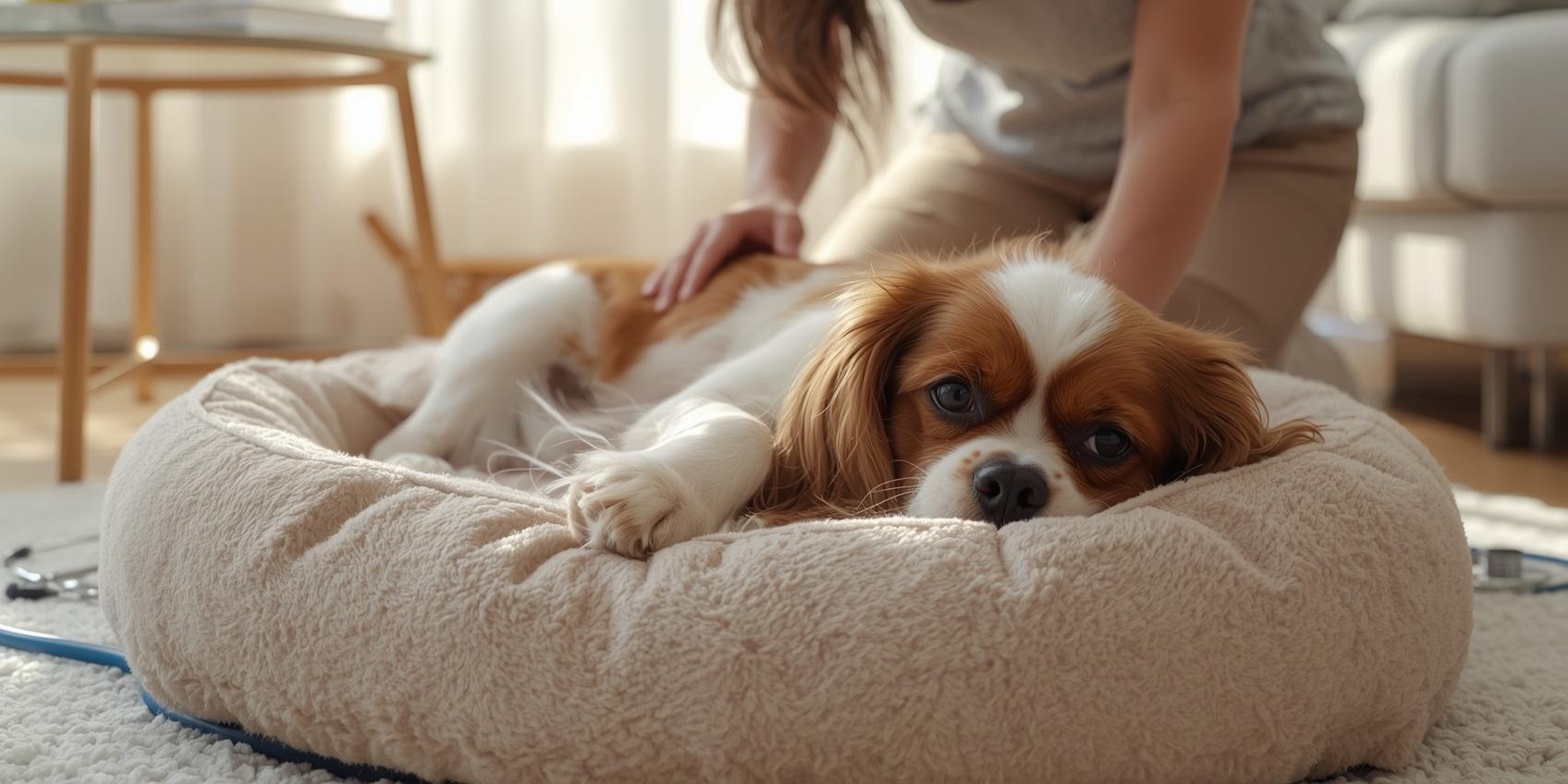
Early Signs of Heart Issues in Cavaliers – Critical Warning

Early Signs of Heart Issues in Cavaliers

If you have a Cavalier King Charles Spaniel, you know how loving and lively they can be. But did you know that this breed is prone to certain heart problems? Recognizing the early signs of heart issues in your Cavalier can make a huge difference in their health and happiness. You don’t want to miss subtle changes that could signal trouble. You’ll discover the key symptoms to watch for and learn how to act quickly to protect your furry friend’s heart. Early Signs of Heart Issues in Cavaliers Keep reading—your Cavalier’s well-being depends on it. Credit: www.smalldoorvet.com Common Heart Issues In Cavaliers Cavaliers often face heart problems as they age. Knowing common heart issues helps catch signs early. Early detection can improve their health and comfort. Here are the main heart problems that Cavaliers may develop. Understanding each helps owners watch for symptoms and get timely care. Mitral Valve Disease This is the most common heart problem in Cavaliers. The mitral valve weakens and leaks blood inside the heart. This causes the heart to work harder and may lead to heart failure. Signs include coughing, tiredness, and difficulty breathing. Dilated Cardiomyopathy This condition makes the heart muscle thin and weak. The heart cannot pump blood well. It can cause weakness, fainting, and fluid buildup in the lungs or belly. This disease progresses fast and needs quick medical care. Arrhythmias Arrhythmias mean irregular heartbeats. The heart may beat too fast, too slow, or unevenly. This can cause dizziness, weakness, or collapse. Some arrhythmias need medication to keep the heart steady and prevent complications. Credit: www.hillspet.com Behavioral Changes To Watch Behavioral changes often signal heart problems in Cavaliers early. Owners must watch closely for signs that differ from normal behavior. These changes may show discomfort or reduced heart function. Catching them early helps get timely care and improves quality of life. Lethargy And Weakness A Cavalier with heart issues may seem very tired. Less energy and frequent resting are common signs. Weakness may cause trouble standing or walking. Watch for reluctance to play or interact. These changes suggest the heart struggles to supply enough oxygen. Coughing And Breathing Difficulties Coughing that lasts or happens often can mean heart problems. Breathing may become fast, shallow, or labored. You might notice wheezing or gasping for air. These signs occur when fluid builds up in the lungs. Immediate attention is needed if breathing worsens suddenly. Exercise Intolerance Reduced ability to exercise is a clear warning sign. A Cavalier may stop quickly during walks or play. Panting heavily after light activity is unusual. The dog may avoid stairs or jumping. This shows the heart cannot keep up with physical demands. Physical Symptoms Of Heart Problems Heart problems in Cavaliers often show clear physical signs. Early detection can help manage the condition better. Watch for changes in your dog’s body and behavior. These signs tell you the heart might not work well. Recognizing them early can save your pet’s life. Swollen Abdomen A swollen belly can mean fluid buildup. This happens when the heart fails to pump properly. The fluid collects in the abdomen and causes swelling. Your Cavalier’s tummy may look bigger than usual. The skin might feel tight or stretched. This symptom needs quick attention from a vet. Fainting Episodes Sudden fainting or collapsing shows poor blood flow. The heart may not send enough blood to the brain. Your dog might fall without warning and recover fast. These episodes can happen during activity or rest. Fainting is a serious warning sign of heart trouble. Rapid Or Irregular Heartbeat Listen for fast or uneven heartbeats in your dog. A racing or irregular pulse means the heart struggles. You might notice your Cavalier panting or restless. Sometimes, the heartbeat feels too fast to count. This symptom signals an urgent need for veterinary care. Credit: thepetdoctorinc.com Diagnostic Tests For Early Detection Detecting heart problems early in Cavaliers is vital. Diagnostic tests reveal hidden issues before symptoms worsen. Early detection helps vets plan effective treatment. It improves the dog’s quality of life and lifespan. Several tests check the heart’s health. These tests are safe and painless for dogs. Vets use them to find problems like heart murmurs, valve issues, or rhythm changes. Heart Murmur Detection Heart murmur detection is a simple first step. A vet listens to the dog’s chest with a stethoscope. Unusual sounds can indicate blood flow problems or valve damage. Murmurs vary in loudness and location, giving clues about the issue. Regular checks catch murmurs early before serious damage occurs. Echocardiography Echocardiography uses ultrasound to create images of the heart. It shows the heart chambers, valves, and muscle movement. Vets see how well the heart pumps and detect valve leaks. This test is painless and done while the dog rests. It provides detailed information about heart structure and function. Electrocardiogram (ecg) An electrocardiogram records the heart’s electrical activity. Small electrodes attach to the dog’s skin. The ECG shows heart rhythm and detects irregular beats. It helps identify arrhythmias and conduction problems. The test is quick and non-invasive, offering valuable heart rhythm data. Preventive Care And Monitoring Preventive care and monitoring play a key role in keeping Cavaliers healthy. Early signs of heart issues can be subtle. Careful attention helps catch problems early and improve outcomes. Owners must stay alert and take action fast. Regular health checks, proper diet, and safe exercise all support heart health. Regular Vet Checkups Schedule vet visits at least twice a year. Vets can detect early heart problems during exams. They check heart rate, breathing, and overall health. Tests like X-rays or ultrasounds reveal hidden issues. Early detection allows timely treatment and better care. Diet And Weight Management Feed a balanced diet designed for small breeds. Avoid high-fat or salty foods that strain the heart. Control portion sizes to prevent weight gain. Extra weight increases heart workload and risk. Healthy weight helps maintain good heart function and energy. Exercise Guidelines Provide regular, gentle exercise like short walks. Avoid overexertion, especially in … Read more

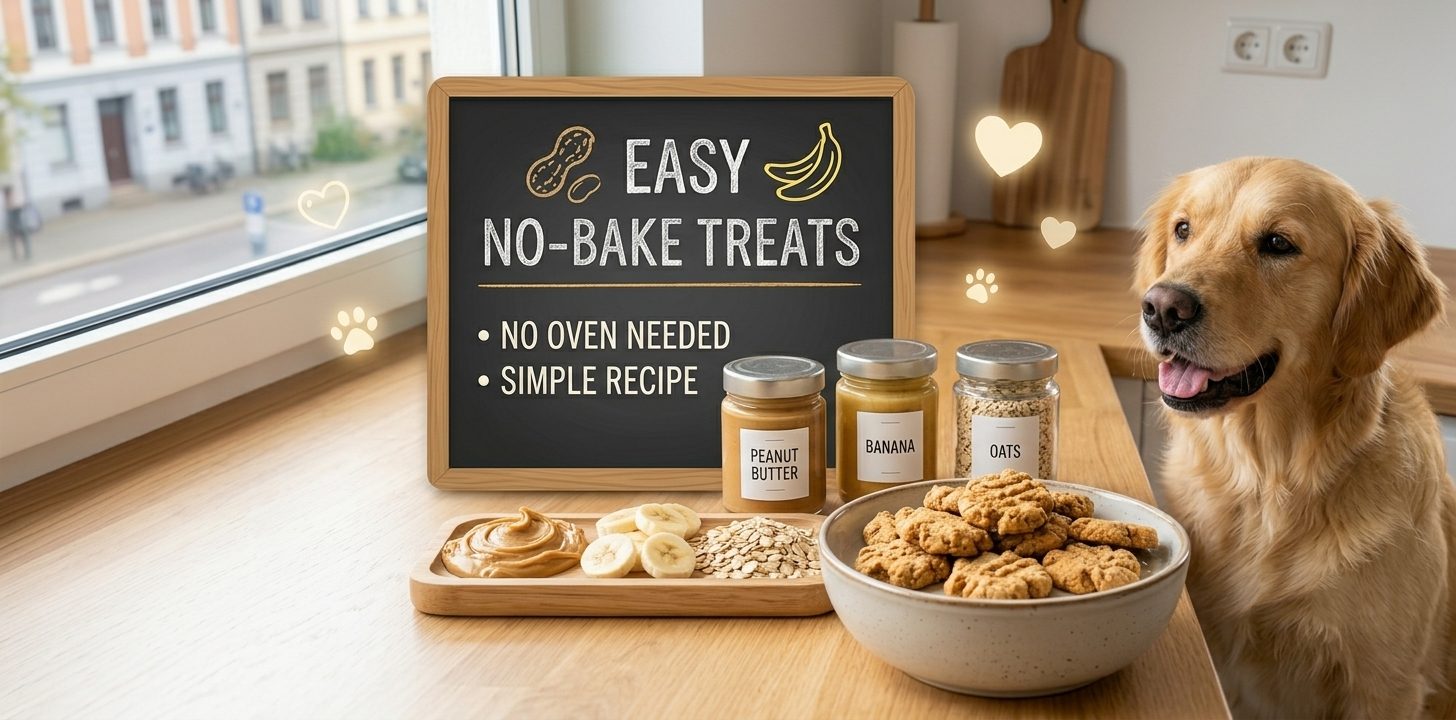
No Bake Homemade Peanut Butter And Banana Dog Treats

Treat your furry friend to healthy, no-bake homemade peanut butter and banana dog treats. This guide explains how to prepare quick snacks using natural ingredients while avoiding harmful additives like xylitol. Discover the benefits of DIY rewards, easy storage, and creative variations to keep your dog happy with every nutritious, delicious, and simple oven-free bite.

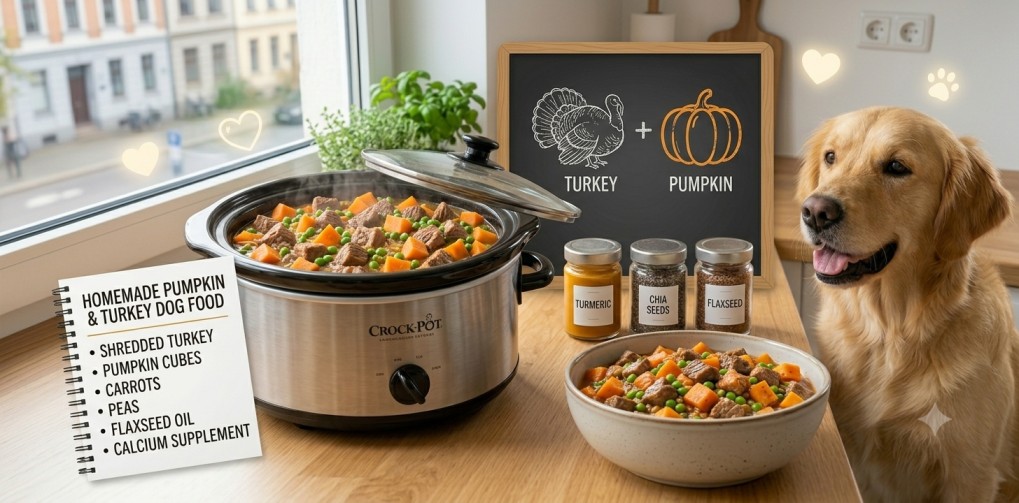
Best Homemade Pumpkin And Turkey Dog Food Recipe

Homemade Pumpkin And Turkey Dog Food

Discover how to make healthy homemade pumpkin and turkey dog food with this simple, nutritious recipe. Using fresh ingredients like lean turkey and fiber-rich pumpkin, you can provide your dog with a balanced meal free from harmful additives. This guide covers preparation, safety tips, and portioning advice to support your pet’s overall health and happiness.

Learn: Cavalier King Charles Spaniels Do They Shed

Cavalier King Charles Spaniels Do They Shed

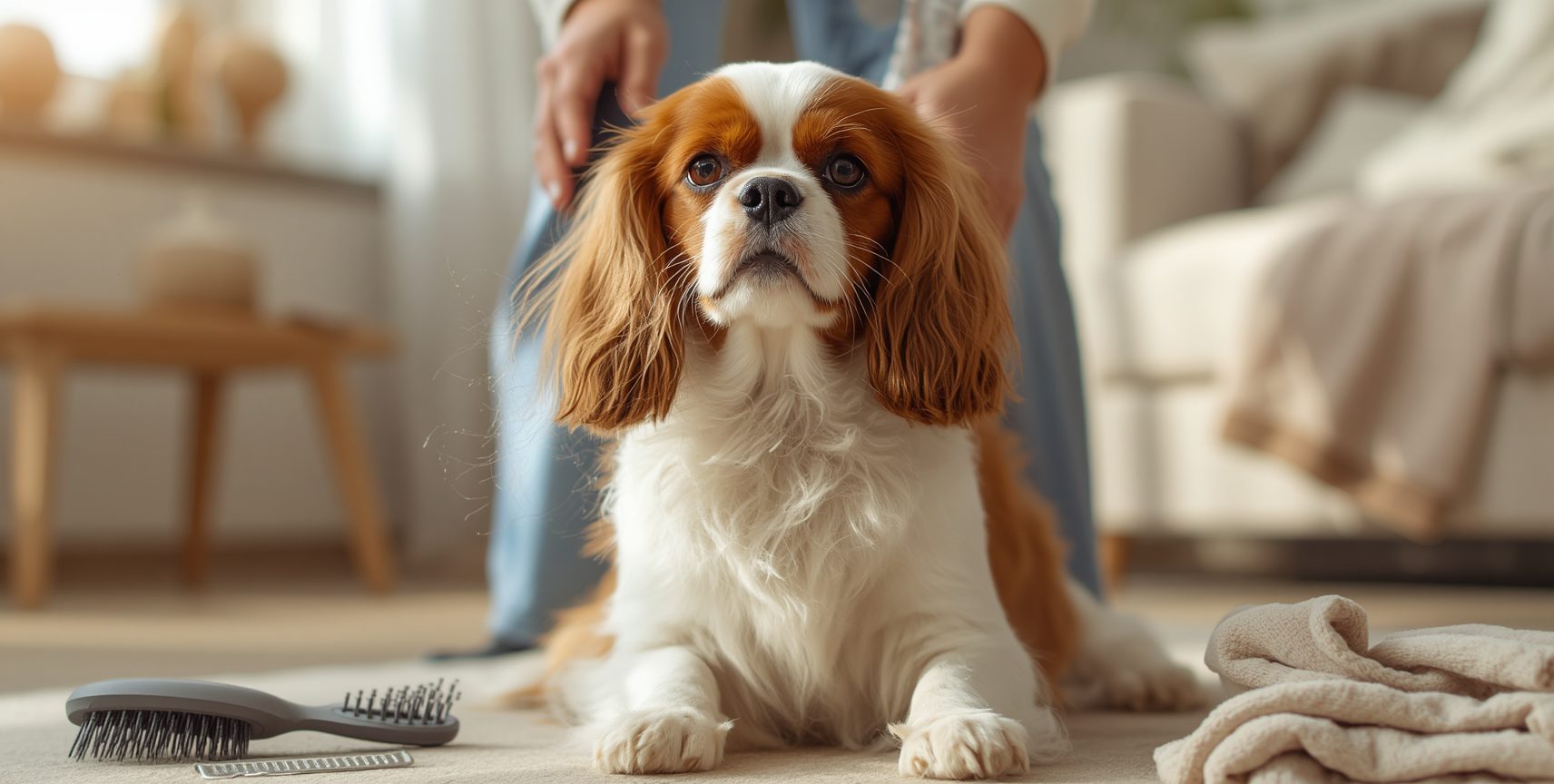
Cavalier King Charles Spaniels shed moderately throughout the year, with increased hair loss during spring and fall. While not hypoallergenic, their silky coats are manageable with regular brushing and a balanced diet. This guide explores their shedding patterns, grooming requirements, and health factors to help you maintain a clean home while enjoying your furry companion.

Perfect Cavalier King Charles Spaniels For First Time Owners

Cavalier King Charles Spaniels For First Time Owners

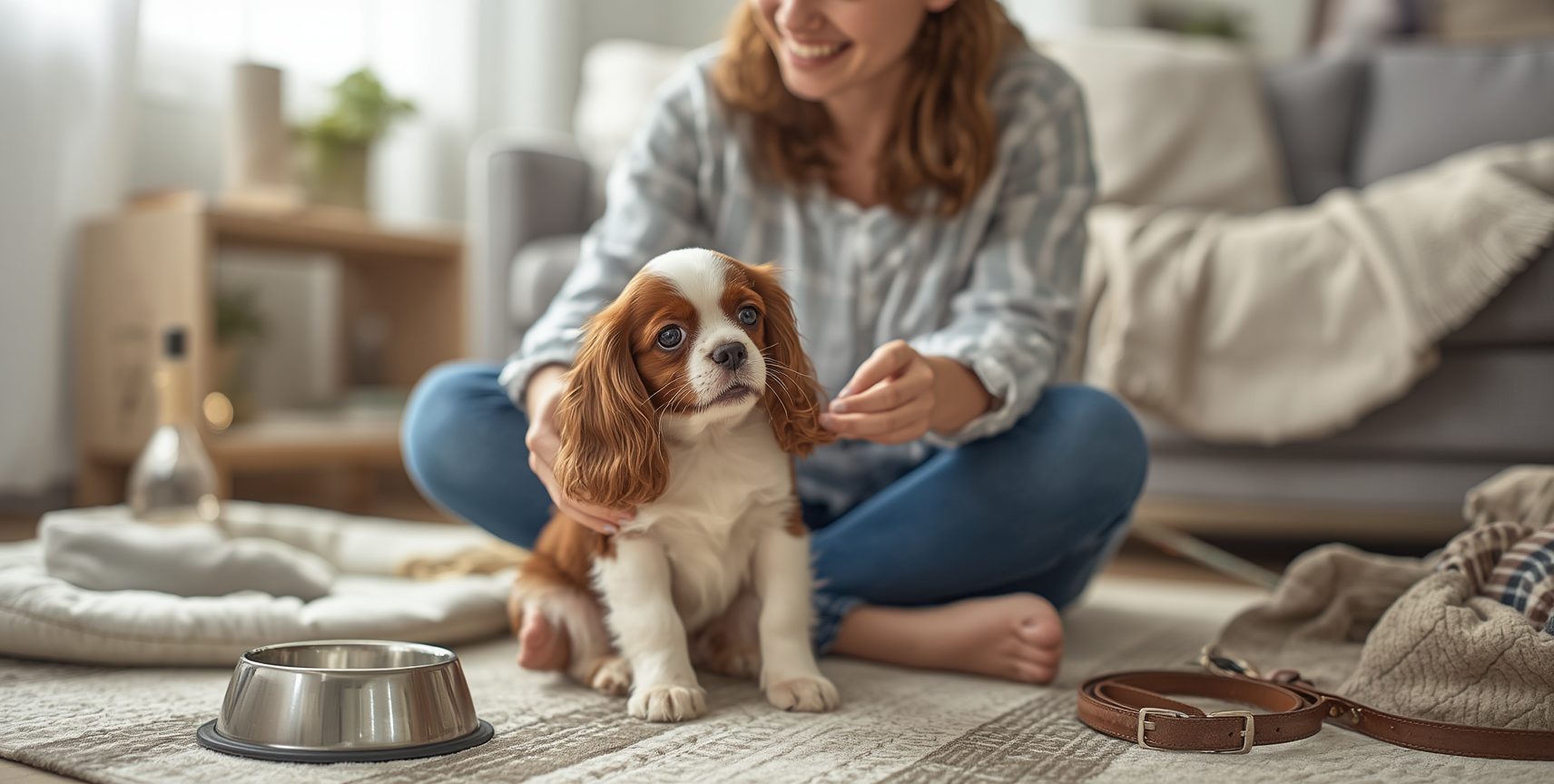
Cavalier King Charles Spaniels are excellent choices for first-time dog owners due to their gentle temperament, small size, and eagerness to please. This guide explores their affectionate nature, moderate exercise needs, and grooming requirements. While they face specific health challenges like heart issues, their adaptability and friendly personality make them ideal companions for any living environment.

How To Remove Dog Pee Stains And Smell

How To Remove Dog Pee Stains And Smell

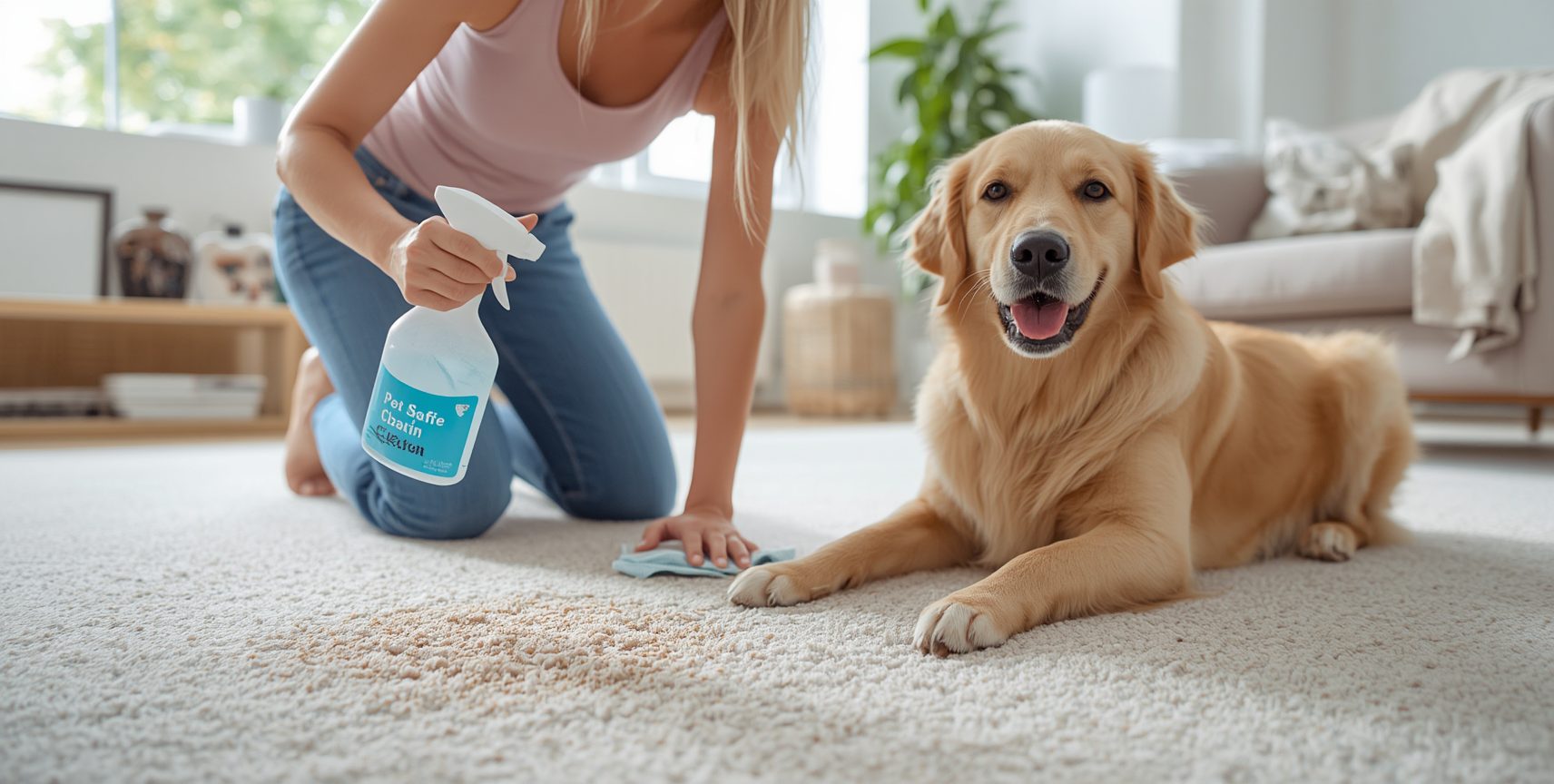
Stubborn dog pee stains and lingering odors can be frustrating, but they do not have to be permanent. This guide reveals effective techniques for removing urine using enzymatic cleaners and simple household remedies like vinegar and baking soda. Learn immediate cleanup steps, surface-specific tips, and prevention strategies to keep your home fresh, clean, and accident-free.