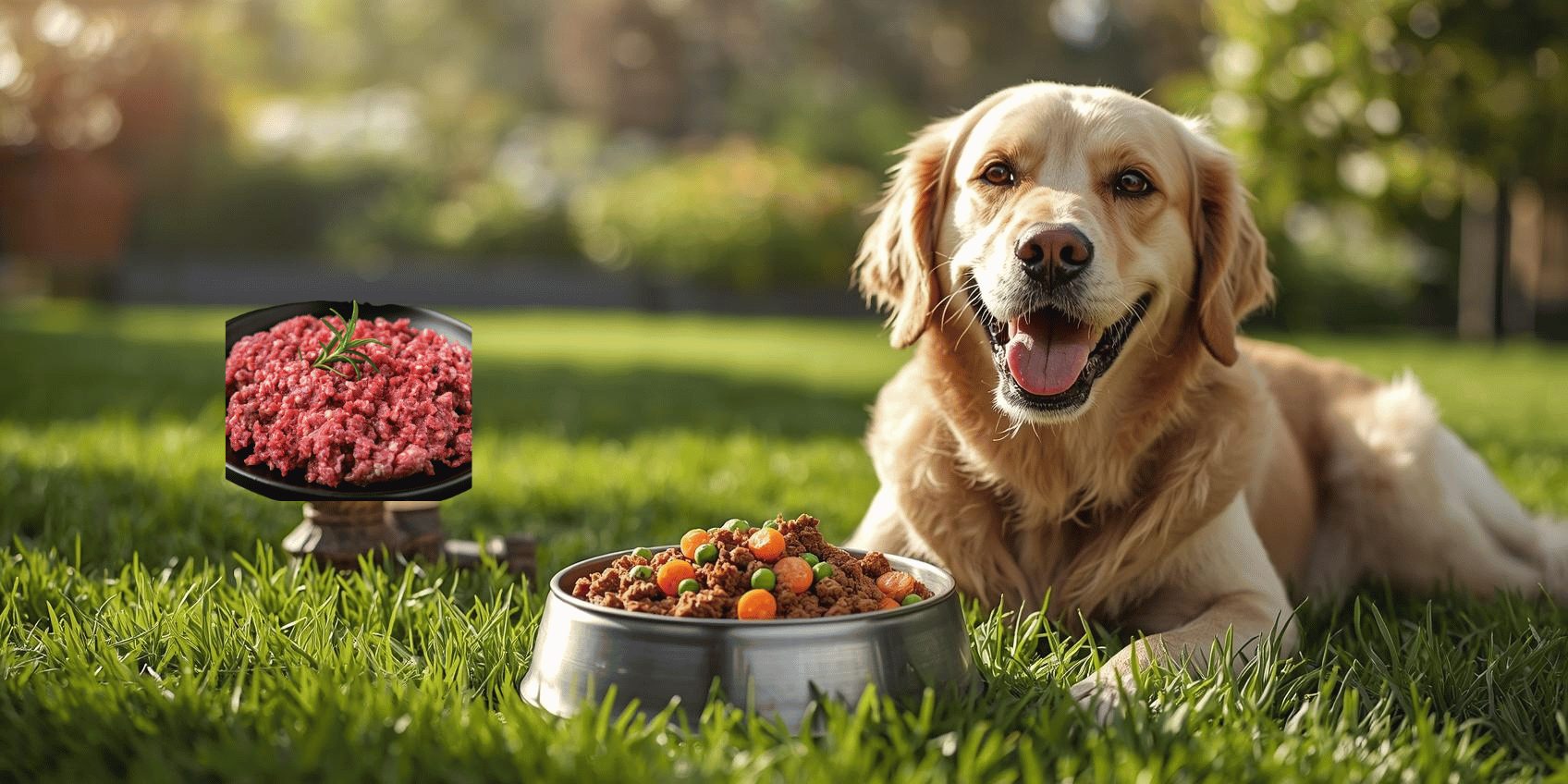
If you care about your dog’s health, you want to feed them the best food possible. Homemade beef dog food is a great way to give your furry friend nutritious meals made from real ingredients you trust.
But you might wonder, how do you make it right? What should you include to keep your dog happy and healthy? You’ll discover simple steps to create tasty, balanced beef meals your dog will love. Keep reading, and you’ll soon feel confident preparing food that supports your dog’s energy, coat, and overall well-being.
Credit: www.littlefiggy.com
Benefits Of Homemade Beef Dog Food
Homemade beef dog food offers many benefits for your pet’s health and happiness. You know exactly what goes into each meal. This helps you provide fresh and balanced nutrition. Feeding your dog homemade meals can improve their energy and coat condition. It also reduces risks of allergies and digestive problems.
Nutritional Advantages
Beef is rich in protein, essential for strong muscles and growth. It contains vitamins like B12 and minerals such as zinc. These nutrients support your dog’s immune system and overall health. Homemade meals allow you to add fresh vegetables and grains. This mix ensures a wide range of nutrients your dog needs daily.
Control Over Ingredients
Choosing what goes into your dog’s food means avoiding harmful additives. No preservatives, fillers, or artificial flavors. You can cater to your dog’s allergies or sensitivities easily. Fresh, whole ingredients give your dog a cleaner diet. This control helps maintain your dog’s health and energy levels.
Cost-effectiveness
Making beef dog food at home can save money over time. Buying ingredients in bulk is often cheaper than premium dog food. You reduce waste by preparing exact portions. Homemade food prevents unnecessary expenses on vet visits due to poor diet. This makes healthy feeding affordable and practical.

Credit: thismessisours.com
Selecting Quality Beef
Selecting quality beef is key for homemade dog food. Good beef gives dogs protein and nutrients. It helps keep dogs strong and healthy. Choosing the right beef makes meals tasty and safe. Not all beef is the same. Knowing which types to pick improves your dog’s diet.
Types Of Beef Cuts
Choose lean cuts with less fat. Ground beef, chuck, and round are good options. Avoid fatty or processed cuts. Muscle meat provides protein dogs need. Bones and fat can cause problems if not prepared well. Pick cuts that cook easily and stay fresh.
Grass-fed Vs Grain-fed
Grass-fed beef comes from cows eating grass only. It has more omega-3 and fewer chemicals. Grain-fed beef is cheaper and more common. It can have more fat and less nutrients. Grass-fed is healthier but costs more. Grain-fed is okay if fresh and clean.
Sourcing Locally
Buy beef from local farms or butchers. Local sources often provide fresher meat. You can ask about how cows were raised. Local meat reduces transport time and keeps beef fresh. Supporting local farmers helps your community. It also lets you check quality closely.
Essential Nutrients For Dogs
Dogs need many nutrients to stay healthy and strong. These nutrients come from their food. Homemade beef dog food can provide important nutrition. Understanding these nutrients helps you make balanced meals for your dog.
Proteins And Fats
Proteins build muscles and repair tissues. Beef is a great source of protein. Fats give energy and support healthy skin. Good fats come from meat and oils. Both proteins and fats keep dogs active and fit.
Vitamins And Minerals
Vitamins help the body work well. Minerals keep bones, teeth, and organs strong. Beef has some vitamins and minerals, but not all. Vegetables and supplements can fill the gaps. Balanced vitamins and minerals prevent diseases.
Balancing Carbohydrates
Carbohydrates provide energy for daily activities. Dogs need carbs in small amounts. Rice, oats, and sweet potatoes are good choices. Too many carbs can cause weight gain. Proper balance keeps your dog happy and healthy.
Basic Homemade Beef Dog Food Recipes
Making homemade beef dog food is simple and healthy. Basic recipes use common ingredients. These meals provide good nutrition and taste. They help keep your dog strong and happy.
Preparing food at home lets you control what your dog eats. Fresh beef is a great protein source. Mixing it with rice or vegetables makes balanced meals. Below are easy recipes to start with.
Simple Beef And Rice Meal
Cook 1 pound of ground beef until brown. Boil 1 cup of white rice until soft. Mix the beef and rice together. Let it cool before serving. This meal gives protein and energy.
Beef And Vegetable Mix
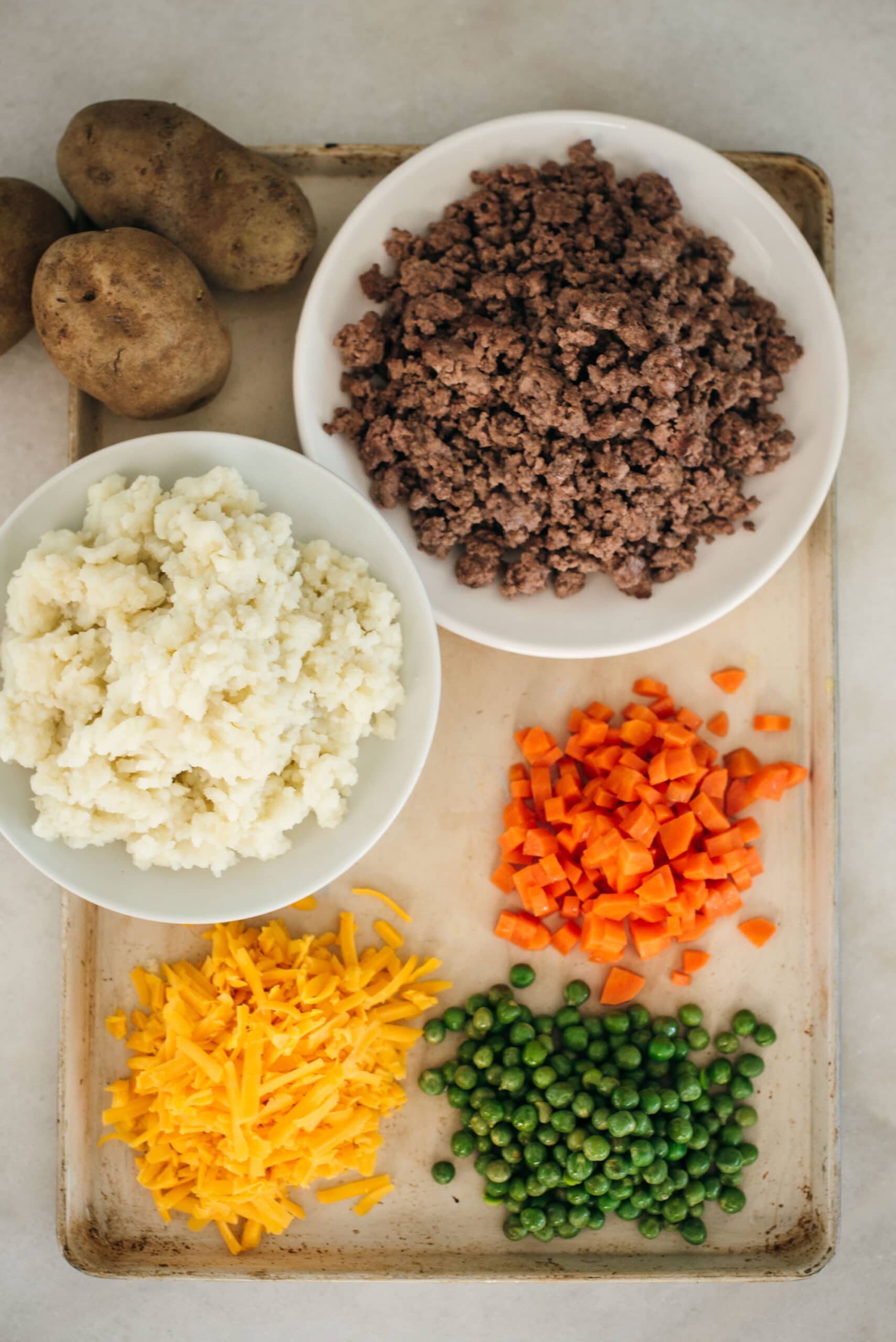
Use 1 pound of lean beef, cooked well. Chop carrots, peas, and green beans finely. Steam the vegetables until tender. Combine beef and vegetables in a bowl. Serve after the mix cools down.
Beef Stew For Dogs
Cut 1 pound of beef into small cubes. Boil beef with water for 30 minutes. Add chopped sweet potatoes and carrots. Simmer until all ingredients are soft. Cool the stew before feeding your dog.
Preparation And Cooking Tips
Preparing homemade beef dog food is simple with the right steps. Careful preparation keeps your dog healthy and happy. Good cooking and portion control make meals safe and tasty. Follow these tips to make the best beef meals for your dog.
Safe Cooking Methods
Cook beef thoroughly to kill harmful bacteria. Boiling, baking, or steaming are good methods. Avoid frying or using too much oil. Cool the food before serving to prevent burns. Use clean utensils and surfaces to avoid contamination.
Avoiding Harmful Ingredients
Skip onions, garlic, and spices. These can harm your dog’s health. Avoid salt and sugar in all meals. No bones, especially cooked ones, as they can splinter. Use fresh vegetables and safe herbs for flavor.
Portion Sizes
Feed the right amount to keep your dog fit. Portion size depends on your dog’s weight and activity. Small dogs need less; large dogs need more. Divide daily food into two or three meals. Watch your dog’s weight and adjust portions as needed.
Storing And Serving Homemade Dog Food
Storing and serving homemade beef dog food properly keeps it fresh and safe. Good storage prevents spoilage and maintains nutrients. Serving the food right helps your dog enjoy every meal. Follow simple steps to handle your dog’s food with care.
Proper Refrigeration
Store homemade beef dog food in an airtight container. Keep it in the fridge at 40°F or below. Use the food within three days for best freshness. Avoid leaving food out for more than two hours. Cold storage slows bacteria growth and keeps food safe.
Freezing For Longevity
Freeze extra portions in small, meal-sized containers. Use freezer bags or plastic containers with tight lids. Label each package with the date before freezing. Store food for up to three months in the freezer. Thaw frozen meals in the fridge overnight before serving.
Serving Suggestions
Serve homemade beef dog food at room temperature. Mix in a little warm water to enhance flavor and texture. Use clean bowls to prevent contamination. Portion meals according to your dog’s size and activity. Fresh water should always be available during meals.
Common Mistakes To Avoid
Making homemade beef dog food is a great way to care for your pet. Yet, mistakes can happen easily. These errors can harm your dog’s health or cause upset stomachs. Watch out for common mistakes. They help you keep your dog safe and happy.
Overfeeding
Giving too much food is a common problem. Dogs can gain weight fast. Extra weight leads to health problems. Follow portion guidelines for your dog’s size. Pay attention to their activity level. Stop feeding when your dog looks full. Avoid giving too many treats during the day.
Imbalanced Diet
Beef alone does not meet all needs. Dogs require vitamins, minerals, and fiber too. Add vegetables and grains in the right amounts. Skipping these can cause nutrient gaps. Use recipes made by pet nutrition experts. Balance is key for strong bones and energy.
Ignoring Allergies
Some dogs react to beef or other ingredients. Watch for itching, vomiting, or diarrhea signs. Allergies can worsen over time. Try small amounts first to check reactions. Consult a vet if symptoms appear. Switching proteins may help sensitive dogs feel better.
Consulting With Veterinarians
Consulting with veterinarians is key when feeding your dog homemade beef food. Vets know a lot about dog nutrition and health. They help you create a diet that fits your dog’s needs. They also spot any problems early. This keeps your dog safe and healthy.
Tailoring Diet To Your Dog’s Needs
Every dog is different. Age, weight, breed, and health affect their diet. Vets suggest the right amount of beef and other ingredients. They check for allergies or food sensitivities. This ensures your dog gets balanced meals. No missing nutrients or too much of one thing.
Monitoring Health Changes
Watch your dog’s health closely after changing food. Vets can spot changes in energy, coat, or digestion. They may ask for regular check-ups or tests. This helps catch any negative reactions early. Adjustments keep your dog comfortable and healthy.
When To Adjust The Recipe
Changes in your dog’s health or lifestyle need recipe tweaks. Weight gain or loss means changing portions. Illness or new health issues require new food plans. Vets advise when to add supplements or avoid some ingredients. Follow their advice to keep your dog thriving.

Credit: www.thesantegroup.org
Frequently Asked Questions
What Ingredients Are Best For Homemade Beef Dog Food?
Use lean beef, brown rice, carrots, peas, and sweet potatoes. These ingredients provide balanced protein, fiber, and essential nutrients for dogs.
How Do I Safely Prepare Beef Dog Food At Home?
Cook beef thoroughly to kill bacteria. Avoid seasoning, onions, garlic, and harmful additives. Always consult your vet before changing diets.
Can Homemade Beef Dog Food Meet All Nutritional Needs?
Yes, if balanced properly with protein, carbs, fats, vitamins, and minerals. Supplement with dog-safe vitamins for complete nutrition and health.
How Much Homemade Beef Food Should I Feed My Dog?
Portion size depends on your dog’s weight, age, and activity. Consult your vet to determine the right daily amount for your pet.
Conclusion
Making homemade beef dog food can be simple and healthy. You control the ingredients and avoid unwanted additives. Your dog gets fresh, natural meals every day. Just remember to balance nutrients for good health. Cooking at home saves money and builds a strong bond.
Watch your dog enjoy tasty food made with care. Try small batches first and observe any changes. Homemade meals can improve your dog’s energy and coat. A happy dog means a happy owner, too. Give it a try and see the difference yourself.