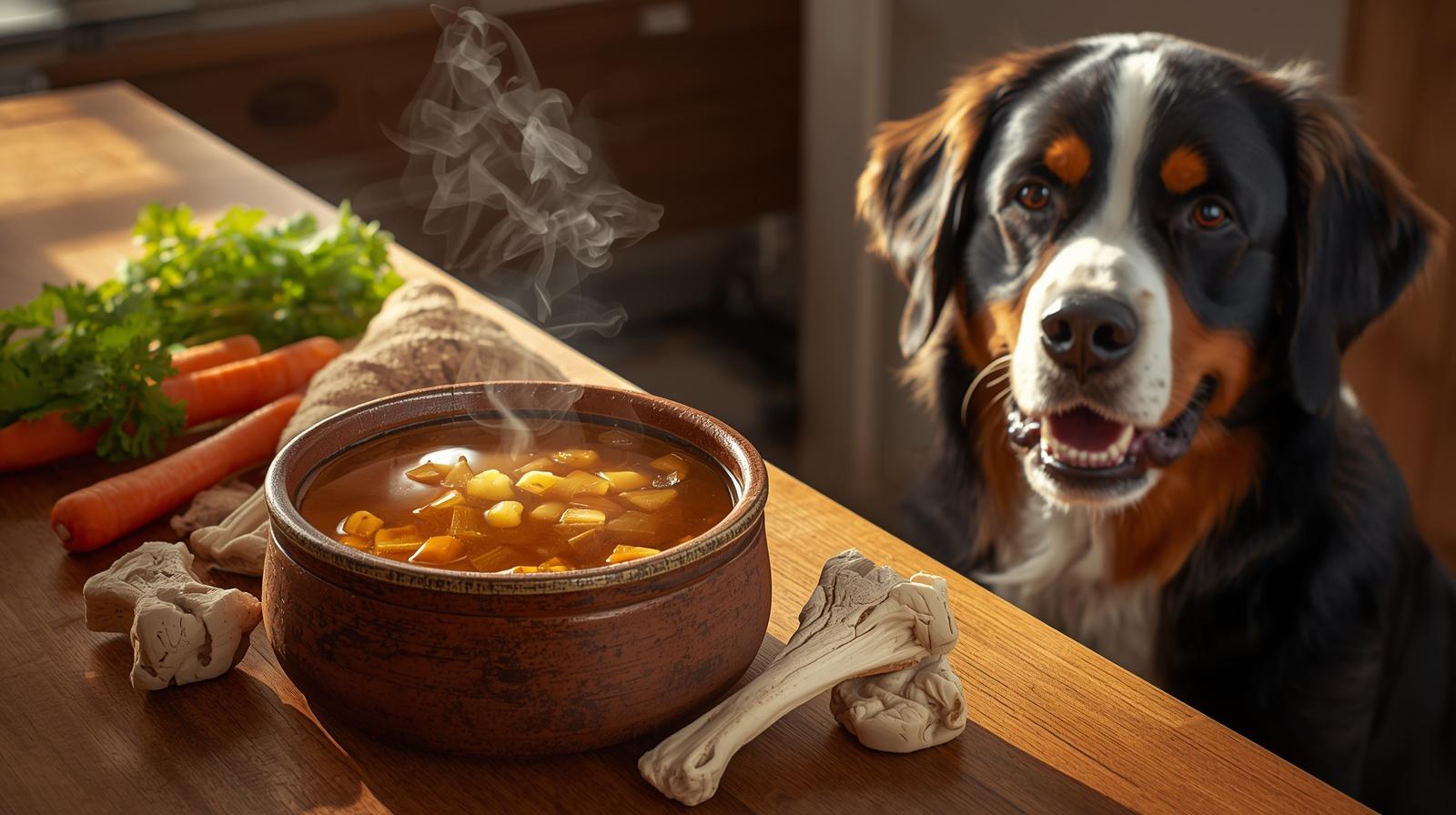
If you want to give your dog the best care possible, homemade bone broth is a simple and powerful way to boost their health. Imagine a natural, tasty treat packed with nutrients that support your dog’s joints, digestion, and immune system.
Making homemade bone broth for dogs at home lets you control exactly what goes into it, ensuring your furry friend gets the purest and healthiest option. Keep reading to discover how easy it is to prepare this nourishing broth and why your dog will love it.
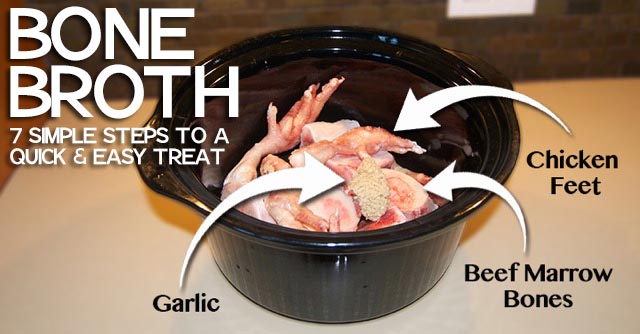
Credit: www.dogsnaturallymagazine.com
Benefits Of Bone Broth
Bone broth is a natural and healthy treat for dogs. It contains nutrients that help your dog feel better and stay strong. Making bone broth at home lets you control the ingredients. This keeps it fresh and safe for your pet.
Bone broth offers many health benefits. It supports joints, helps digestion, and keeps dogs hydrated. These benefits improve your dog’s daily life and overall health.
Joint Health Support
Bone broth has collagen and gelatin. These help keep joints strong and flexible. They reduce pain and swelling in older dogs. Regular use can improve your dog’s movement. It supports healthy cartilage and prevents joint damage.
Improved Digestion
Gelatin in bone broth helps the digestive system work well. It soothes the stomach and heals the gut lining. Dogs with sensitive stomachs may feel less discomfort. Bone broth helps absorb nutrients better. It supports a healthy balance of gut bacteria.
Enhanced Hydration
Bone broth is mostly water, so it helps keep dogs hydrated. It is a tasty way to increase water intake. Dogs who drink more stay healthier and more active. It also helps with dry mouth or thirst during hot days. Hydration supports energy and good body functions.
Choosing Ingredients
Choosing the right ingredients is key to making healthy bone broth for dogs. Good ingredients help create a broth full of nutrients and flavor. Focus on natural, safe items that support your dog’s health.
Always pick fresh and high-quality ingredients. This makes the broth tasty and nutritious. Avoid anything that might upset your dog’s stomach.
Best Bones For Broth
Use raw, meaty bones like chicken necks or beef knuckles. These bones have good marrow and collagen. Avoid cooked bones; they can splinter and harm dogs. Bones with some meat attached add extra flavor and nutrients. Always choose bones from trusted sources to ensure safety.
Safe Vegetables And Herbs
Carrots, celery, and pumpkin are safe vegetables for broth. They add vitamins and gentle flavor. Fresh parsley or turmeric can boost health benefits. Avoid onions, garlic, and chives; these are toxic to dogs. Keep vegetable portions small to avoid stomach upset.
Avoiding Harmful Additives
Do not add salt, spices, or artificial flavorings. These can harm your dog’s digestion and health. Avoid store-bought broths with preservatives or MSG. Use only fresh, natural ingredients for the best results. Clean water is essential for a pure, healthy broth.
Step-by-step Preparation
Making homemade bone broth for dogs is simple and rewarding. It provides nutrients and supports joint health. Follow these steps to prepare a tasty, healthy broth your dog will love.
Cleaning And Prepping Bones
Choose raw or roasted bones from beef, chicken, or turkey. Rinse bones under cold water to remove dirt. Remove any meat scraps or fat. Cut large bones into smaller pieces for better cooking. Avoid seasoning or adding salt.
Cooking Time And Methods
Place bones in a large pot or slow cooker. Cover bones with water. Simmer gently to extract nutrients. Cook beef bones for 12 to 24 hours. Chicken bones need 6 to 12 hours. Use low heat to keep broth clear. Do not boil hard; it can spoil nutrients.
Straining And Storing
Let broth cool slightly before straining. Use a fine mesh strainer or cheesecloth. Remove all bones and solids carefully. Pour broth into clean containers. Store in the fridge for up to 5 days. Freeze portions for longer storage. Always thaw before serving to your dog.
Serving Tips
Serving homemade bone broth to your dog requires some care. Proper serving helps your dog enjoy the broth safely and benefits from its nutrients. Here are some simple tips to serve bone broth correctly.
Portion Sizes For Dogs
Start with small amounts, like a few tablespoons. Smaller dogs need less, bigger dogs can have more. Watch your dog’s reaction and adjust the amount. Do not give too much at once to avoid upset stomach.
Mixing With Regular Food
Pour bone broth over your dog’s dry or wet food. It makes the meal tastier and easier to eat. Mixing helps your dog get more water and nutrients. Use broth as a food topper, not a meal replacement.
Frequency Of Use
Serve bone broth a few times a week. Daily use is okay but keep portions small. Use it as a treat or meal enhancer. Avoid using broth with too much salt or seasoning often.
Common Mistakes To Avoid
Making bone broth for dogs at home is simple and healthy. Yet, some common mistakes can reduce its benefits. Avoid these errors to keep your dog’s broth nutritious and safe.
Using Cooked Bones
Never use cooked bones for bone broth. Cooked bones become brittle and can splinter. These sharp pieces can hurt your dog’s mouth and digestive tract. Always choose raw bones to make broth. Raw bones release more nutrients and stay safe for your pet.
Adding Salt Or Seasonings
Salt and seasonings are harmful to dogs. Many spices and herbs can upset their stomach. Keep the broth plain with no salt or flavorings. This ensures the broth is gentle on your dog’s system. Pure bone broth is best for hydration and nutrition.
Overfeeding Bone Broth
Bone broth is healthy but should be given in moderation. Too much broth can cause diarrhea or upset stomach. Treat it as a supplement, not a meal replacement. A few tablespoons daily is enough for most dogs. Monitor your dog’s reaction and adjust the amount if needed.
Bone Broth Variations
Bone broth is a healthy treat for dogs. It gives them vitamins, minerals, and good nutrients. Different types of bones make different flavors and benefits. Each variation offers unique health support and taste for your dog.
Chicken Bone Broth
Chicken bone broth is gentle and easy to digest. It has glucosamine, which helps dog joints. It is rich in collagen, good for skin and coat. Most dogs enjoy its mild flavor.
Beef Bone Broth
Beef bone broth is rich and full of nutrients. It contains minerals like calcium and phosphorus. This broth supports strong bones and teeth. Its hearty taste suits dogs with bigger appetites.
Fish Bone Broth
Fish bone broth has omega-3 fatty acids. These fats help reduce inflammation and support the brain. It is lighter than beef broth but very nutritious. Dogs that like seafood usually love this broth.
Storing And Shelf Life
Storing homemade bone broth properly keeps it fresh and safe for your dog. Knowing how long it lasts helps avoid waste and keeps your pet healthy. Bone broth can spoil if not stored right. Follow simple steps to preserve its flavor and nutrients.
Refrigeration Guidelines
Cool the broth completely before placing it in the fridge. Use airtight containers to keep out air and bacteria. Store broth for up to four days in the refrigerator. Keep the temperature below 40°F (4°C) to slow bacteria growth. Label containers with the date to track freshness.
Freezing Tips
Freeze broth in small portions for easy use. Silicone trays or ice cube trays work well for freezing. Once frozen, transfer cubes to freezer bags or containers. Frozen bone broth lasts up to six months. Thaw broth overnight in the fridge before serving. Avoid refreezing thawed broth to keep quality high.
Signs Of Spoilage
Check broth for a sour or off smell. Cloudy or slimy texture signals spoilage. Look for mold spots on the surface or container. If broth tastes strange, do not feed it to your dog. Always discard broth showing any spoilage signs to protect your pet.
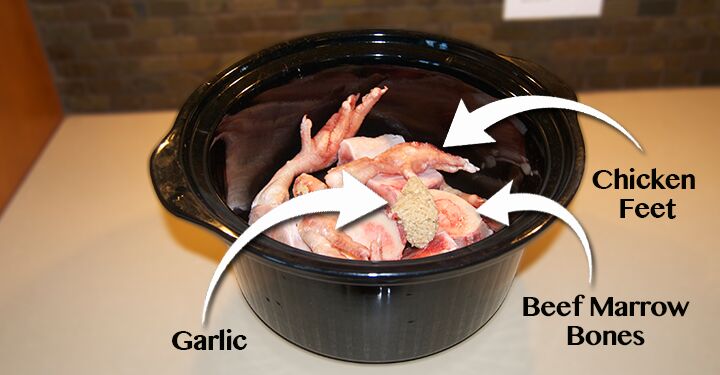
Credit: www.dogsnaturallymagazine.com

Credit: dogchild.co
Frequently Asked Questions
What Are The Benefits Of Homemade Bone Broth For Dogs?
Homemade bone broth supports joint health, digestion, and hydration in dogs. It contains collagen, minerals, and amino acids essential for overall wellness. It also boosts the immune system and promotes a shiny coat, making it a nutritious supplement for your dog’s diet.
How Do I Make Safe Bone Broth For My Dog?
Use raw or cooked bones without seasoning. Simmer bones with water for 12-24 hours. Avoid onions, garlic, or salt. Cool and strain the broth before serving. Store it in the fridge for up to 5 days or freeze for longer.
Can Bone Broth Help Dogs With Arthritis?
Yes, bone broth contains glucosamine and chondroitin, which support joint health. These nutrients reduce inflammation and improve mobility. Regularly feeding bone broth can ease arthritis symptoms and promote cartilage repair in dogs, enhancing their quality of life.
How Much Bone Broth Should I Give My Dog Daily?
Start with 1-2 tablespoons per 10 pounds of body weight. Adjust based on your dog’s size and preference. Bone broth is a supplement, not a meal replacement. Consult your vet for personalized advice, especially for dogs with health conditions.
Conclusion
Homemade bone broth offers many benefits for your dog’s health. It supports joints, digestion, and hydration. You control the ingredients, keeping it natural and safe. Making broth at home is simple and cost-effective. Your dog will enjoy the taste and nutrients.
Try adding broth to meals for extra flavor. Small changes like this improve your dog’s well-being. Give your pet the care it deserves with homemade bone broth. A healthy dog is a happy dog.