
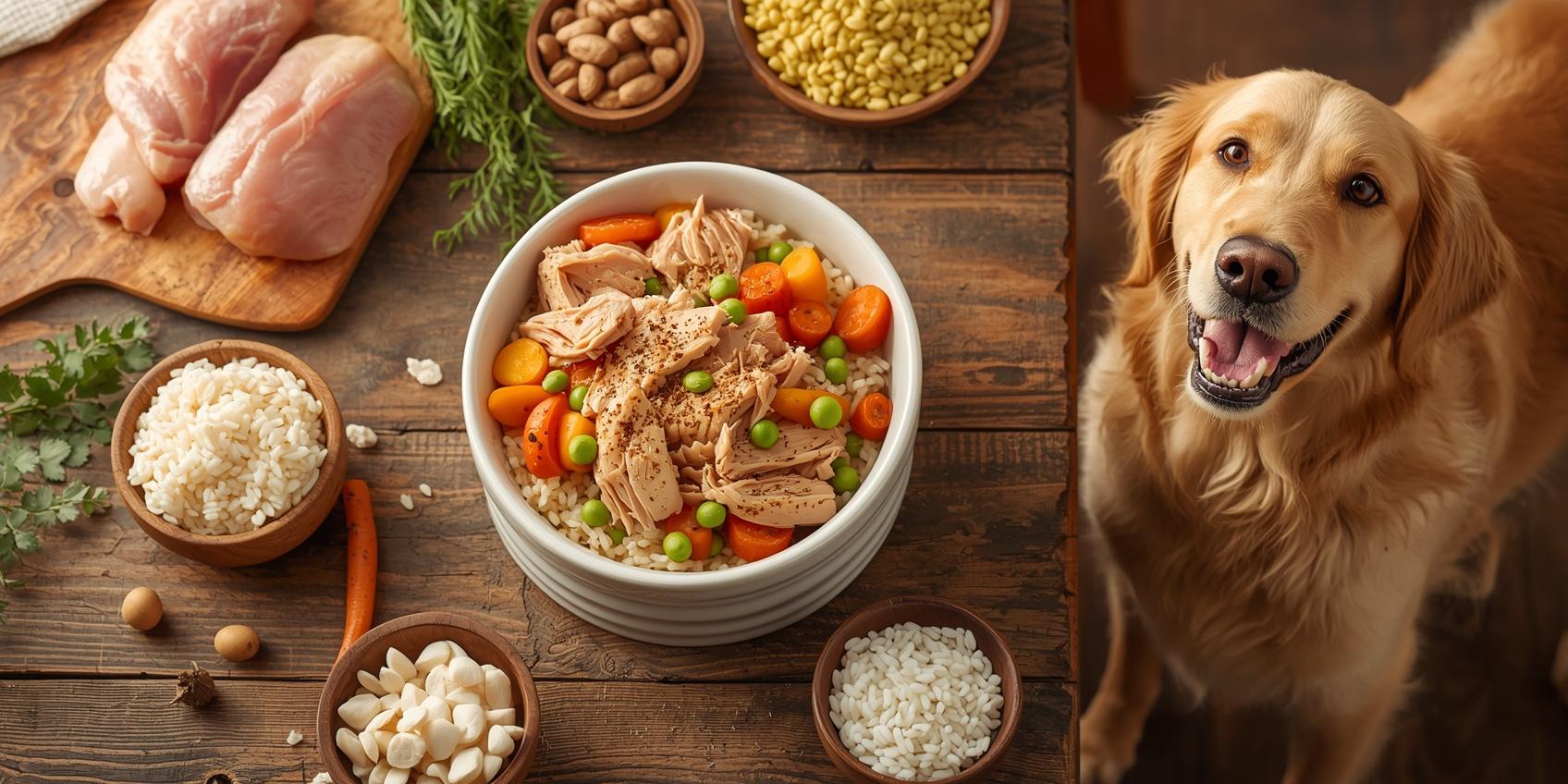
If you want to give your dog a meal that’s both healthy and delicious, making homemade chicken and rice dog food is a great choice. You probably care a lot about what goes into your pet’s bowl, and this simple recipe lets you control every ingredient.
Imagine feeding your dog food that’s fresh, natural, and made with love—no mystery additives or fillers. Keep reading, and you’ll discover an easy way to prepare a nutritious meal that your furry friend will love, helping them stay happy and full of energy.
Benefits Of Homemade Dog Food
Homemade dog food offers many benefits for your pet’s health. You can provide fresh, wholesome meals made from real ingredients. This helps your dog stay strong and happy. Making food at home also builds trust between you and your dog. It shows you care deeply about their well-being.
Feeding your dog homemade meals lets you know exactly what they eat. This reduces the chance of allergic reactions and digestive problems. Many pet owners notice better energy and shinier coats after switching to homemade food. It is a great way to support your dog’s long life.
Nutritional Advantages
Homemade dog food contains fresh, natural ingredients without fillers. You can include lean chicken, rice, and vegetables for balanced nutrition. This ensures your dog gets the right proteins, carbs, and vitamins. Fresh food is easier to digest and absorb. Your dog will feel better and have more energy every day.
Control Over Ingredients
You decide what goes into your dog’s meals. No hidden preservatives or artificial additives. This helps avoid allergies and food sensitivities. You can tailor recipes to your dog’s needs or preferences. Controlling ingredients means safer meals and fewer health risks. It’s a simple way to protect your pet.
Cost-effectiveness
Homemade dog food can save money compared to store brands. Buying fresh ingredients in bulk is often cheaper. You avoid costly packaging and marketing fees. Preparing meals at home allows you to use leftovers wisely. This reduces waste and stretches your budget. Feeding your dog well does not have to be expensive.

Credit: blog.justfoodfordogs.com
Choosing The Right Chicken
Choosing the right chicken is key for a healthy dog meal. Chicken is a great source of protein and nutrients. The quality and cut affect your dog’s digestion and taste. Pick chicken that suits your dog’s size and health needs. Freshness matters too for safety and flavor.
Types Of Chicken Cuts
Chicken breast is lean and easy to digest. It has less fat, good for dogs with sensitive stomachs. Thighs contain more fat and flavor. Use skinless cuts to avoid extra fat. Ground chicken is easy to mix with rice. Avoid bones, as they can harm your dog.
Organic Vs. Regular Chicken
Organic chicken is raised without antibiotics or hormones. It may have fewer chemicals and pesticides. Regular chicken is often less expensive and more available. Both types can be healthy if cooked well. Choose organic if you want fewer additives for your dog.
Preparing Chicken Safely
Wash your hands before and after handling chicken. Cook chicken fully to kill harmful bacteria. Avoid seasoning, salt, or spices. Cut chicken into small, bite-sized pieces. Store leftovers in the fridge and use quickly. Safe preparation prevents illness and keeps your dog healthy.
Selecting The Best Rice
Choosing the right rice is important for your homemade chicken and rice dog food. Rice gives your dog energy and helps digestion. Not all rice types are the same. Some are better for dogs than others. Knowing how to cook rice well matters too. Also, serving the right amount keeps your dog healthy and happy.
White Rice Vs. Brown Rice
White rice is easy to digest. It is softer and gentler on dogs’ stomachs. Brown rice has more fiber and nutrients. But it can be harder to digest. For dogs with sensitive stomachs, white rice works best. Brown rice suits active dogs with strong digestion. Choose rice based on your dog’s needs.
Cooking Methods For Rice
Cook rice fully until soft. Use plain water without salt or spices. Boil or steam rice for best results. Avoid frying or adding oils. Overcooked rice is easier to digest. Cool rice before serving to your dog. Proper cooking keeps rice safe and tasty.
Portion Sizes For Dogs
Rice should be part of a balanced meal. Use about one-third rice and two-thirds chicken and veggies. Too much rice can cause weight gain. Smaller dogs need less rice than bigger dogs. Adjust portions based on your dog’s size and activity. Watch your dog’s weight and health regularly.
Additional Ingredients To Include
Adding extra ingredients to homemade chicken and rice dog food boosts nutrition. It helps your dog get a balanced diet beyond just protein and carbs. Some foods support health and digestion. Others give vitamins and minerals dogs need daily. Knowing what to add makes your recipe better and safer.
Vegetables That Support Health
Vegetables add fiber and vitamins to your dog’s meal. Carrots are good for eyes and skin. Green beans help with digestion and are low in calories. Peas provide protein and important minerals. Sweet potatoes offer energy and fiber. Always cook vegetables well to make them easy to digest.
Supplements And Vitamins
Supplements fill in any nutrition gaps. Fish oil gives omega-3 fats for a shiny coat. Calcium supports strong bones and teeth. Probiotics improve gut health and digestion. Use a multivitamin made for dogs to cover all bases. Follow vet advice for correct amounts.
Avoiding Harmful Foods
Some foods harm dogs and must be avoided. Onions and garlic can cause serious health issues. Grapes and raisins may lead to kidney failure. Chocolate contains toxins that hurt dogs badly. Avoid salt and artificial spices, which upset digestion. Keep your dog’s food simple and safe.
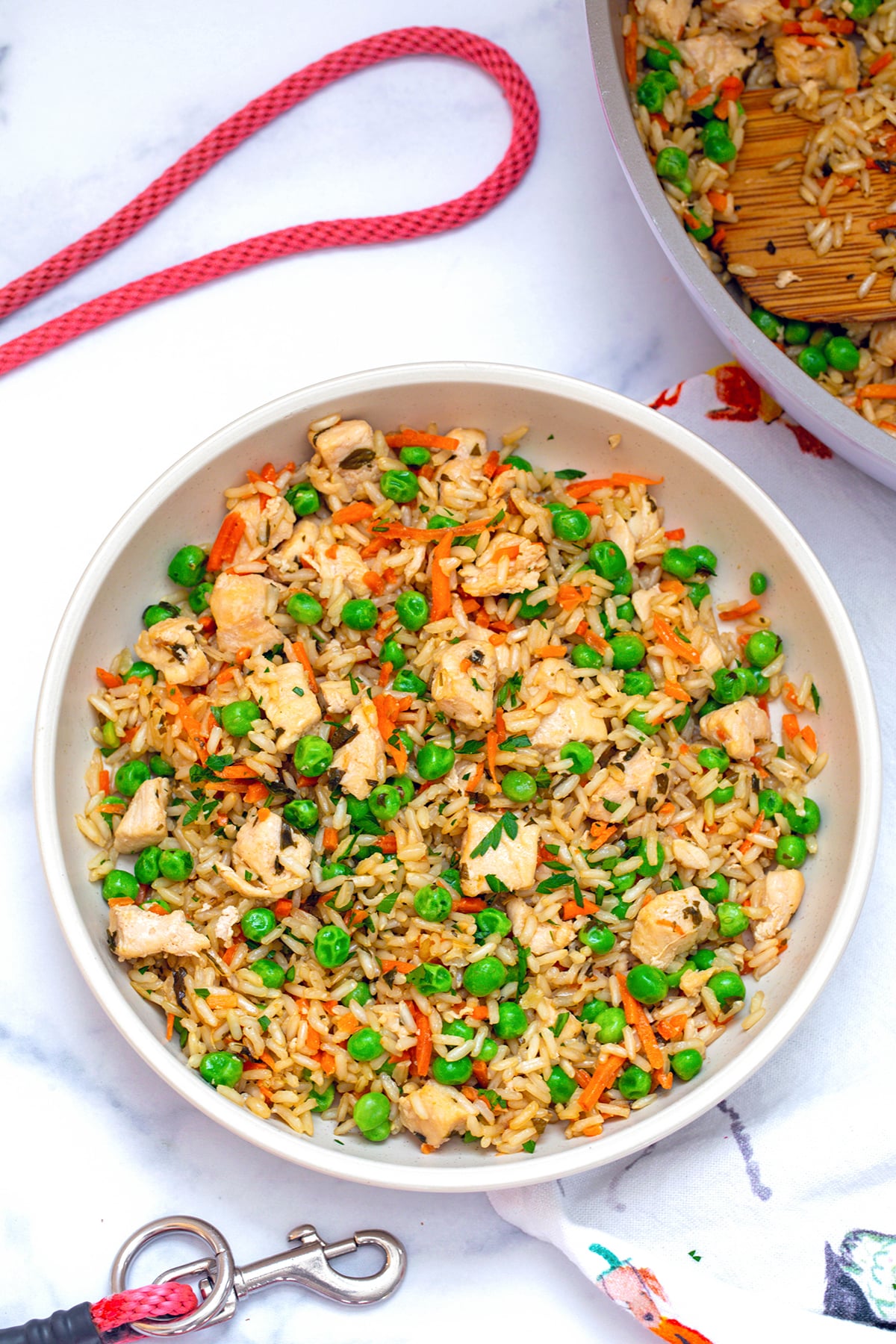
Credit: ahp-co.com
Step-by-step Cooking Instructions
Making homemade chicken and rice dog food is simple and rewarding. Follow these clear steps to prepare a healthy meal for your dog. Each step focuses on safe, easy cooking methods. This way, you know exactly what goes into your dog’s food.
Preparing Chicken
Start with fresh, boneless chicken breasts. Rinse the chicken under cold water. Cut the chicken into small, bite-sized pieces. Do not use seasoning or salt. Place the chicken in a pot with water. Boil the chicken until fully cooked, about 15 minutes. Drain the water and let the chicken cool.
Cooking Rice
Use white or brown rice for this recipe. Rinse the rice to remove excess starch. Add rice and water to a pot. Use two cups of water for one cup of rice. Bring the water to a boil. Reduce heat and cover the pot. Cook for 15 to 20 minutes until rice is soft. Let the rice cool before mixing.
Mixing Ingredients
Place the cooked chicken and rice in a large bowl. Mix gently to combine well. Make sure the pieces are evenly spread. Let the mixture cool to room temperature. Serve the appropriate portion for your dog’s size. Store leftovers in an airtight container in the fridge.
Storage And Serving Tips
Storing and serving homemade chicken and rice dog food properly keeps it fresh and safe. Good storage stops spoilage and helps keep your dog healthy. Serving the right amount keeps your dog happy and full. Changing your dog’s diet slowly helps avoid stomach upset. These tips make homemade meals easy and safe for your pet.
Proper Storage Methods
Store homemade dog food in airtight containers. Use glass or BPA-free plastic for best results. Keep the food in the fridge for up to 3 days. Freeze extra portions in small containers or bags. Label each with the date to track freshness. Thaw frozen food in the fridge overnight before serving. Never leave food out for more than 2 hours.
Serving Sizes And Frequency
Serve food based on your dog’s weight and age. Small dogs need less; large dogs need more. Divide the daily amount into two or three meals. Avoid overfeeding to prevent weight gain. Watch your dog’s energy and adjust portions if needed. Fresh water should always be available during meals.
Transitioning To Homemade Food
Switch your dog’s food slowly over 7-10 days. Start by mixing 25% homemade with 75% old food. Increase homemade food each day while reducing old food. Watch for any signs of upset stomach or allergies. If problems appear, slow the transition or consult a vet. A slow change helps your dog adjust comfortably.

Credit: www.allrecipes.com
Common Mistakes To Avoid
Making homemade chicken and rice dog food is a great choice. It lets you control what your dog eats. Still, some common mistakes can harm your dog’s health. Avoid these errors to keep your dog happy and strong.
Overfeeding
Giving too much food can cause weight gain. Overfeeding leads to obesity and health problems. Follow portion sizes based on your dog’s weight and activity. Use a measuring cup to keep portions correct. Avoid free feeding, which makes dogs eat too much.
Unbalanced Nutrition
Chicken and rice alone do not meet all needs. Dogs require vitamins, minerals, and fats too. Lack of nutrients can cause illness and weak bones. Add vegetables and supplements to balance meals. Consult a vet for a complete nutrition plan.
Ignoring Allergies
Some dogs are allergic to chicken or rice. Allergies cause itching, swelling, or stomach upset. Watch your dog for any bad reactions. Try small amounts first to test tolerance. Switch ingredients if allergies appear to keep dogs safe.
Frequently Asked Questions
What Ingredients Are Needed For Homemade Chicken And Rice Dog Food?
You need chicken breast, white rice, carrots, peas, and water. These ingredients are safe, nutritious, and easy to digest for dogs. Avoid seasoning or spices to keep it healthy and dog-friendly.
How Do I Prepare Homemade Chicken And Rice Dog Food?
Cook chicken thoroughly and boil rice until soft. Steam carrots and peas, then mix all ingredients. Let the food cool before serving to avoid burning your dog’s mouth.
Can Homemade Chicken And Rice Replace Commercial Dog Food?
Homemade chicken and rice can supplement but not fully replace commercial dog food. It lacks some vitamins and minerals. Consult your vet before making it a primary diet.
How Much Homemade Chicken And Rice Should I Feed My Dog?
Feed about 1/3 to 1/2 cup per 10 pounds of body weight daily. Adjust portions based on your dog’s age, activity, and health needs. Always provide fresh water alongside meals.
Conclusion
Homemade chicken and rice dog food is simple and healthy. You control the ingredients and avoid harmful additives. This recipe helps keep your dog strong and happy. Cooking at home saves money and shows care. Try it regularly to see positive changes in your pet.
Your dog will enjoy fresh, tasty meals every day. Making food yourself builds a stronger bond with your dog. Give this recipe a chance and watch your dog thrive.

