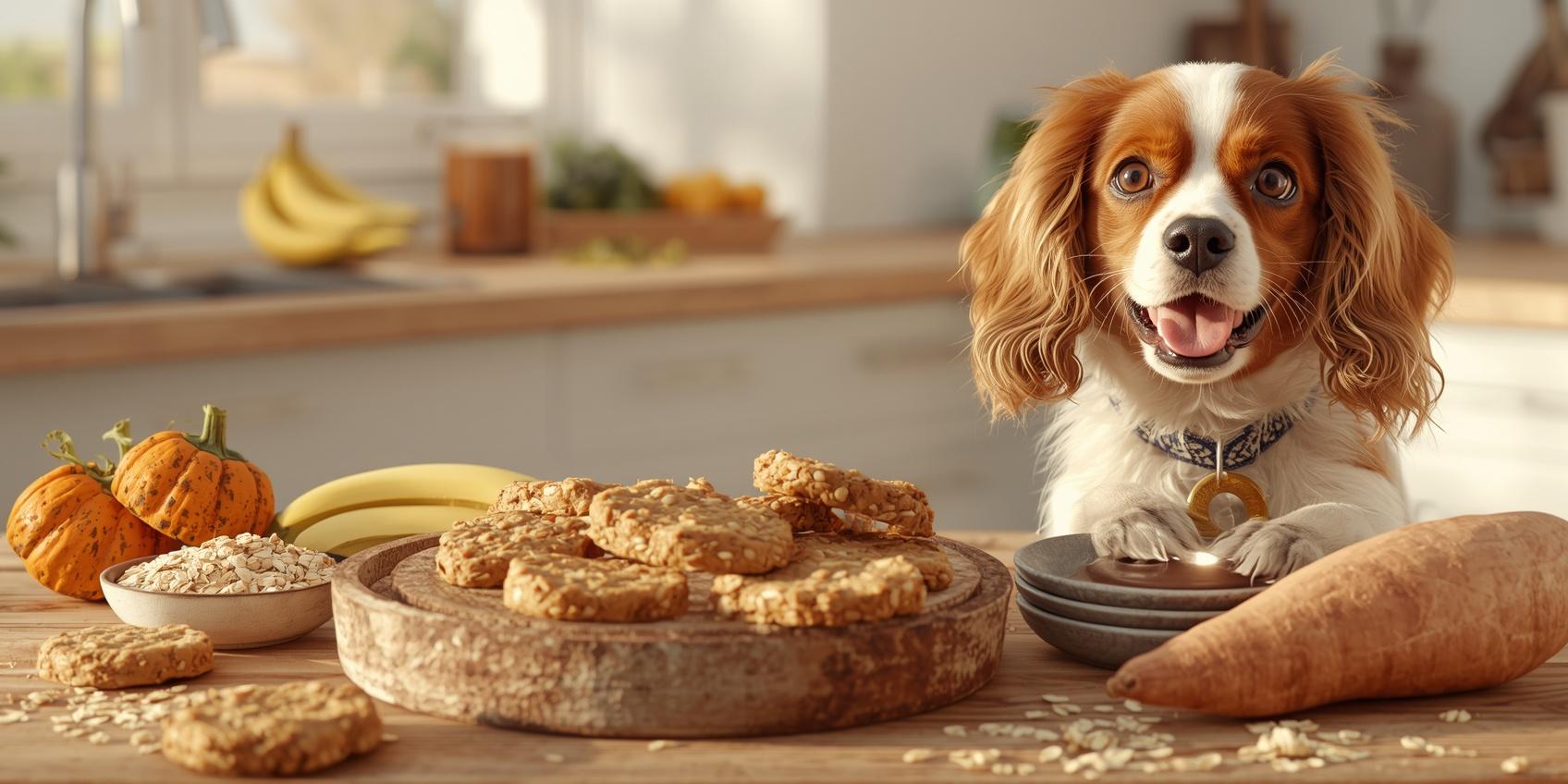
If you’re looking for a way to treat your dog that’s healthy and simple, making homemade dog treats without flour is the perfect choice. You want to give your furry friend something tasty, but without the fillers and additives found in many store-bought snacks.
Imagine knowing exactly what goes into each bite your dog enjoys—no mystery ingredients, just wholesome goodness. You’ll discover easy recipes that use natural ingredients, are gentle on your dog’s tummy, and will have your pet wagging their tail for more.
Keep reading, and you’ll learn how to create delicious treats that show your dog just how much you care.
Credit: itdoesnttastelikechicken.com
Benefits Of Flour-free Treats
Flour-free dog treats offer many benefits for your pet’s health. These treats avoid common fillers and focus on natural, nutritious ingredients. Dogs can enjoy tasty snacks without harmful additives found in some commercial treats.
Choosing flour-free options helps support your dog’s overall well-being. The quality of ingredients can improve energy and reduce health problems. Understanding these benefits encourages better choices for your furry friend.
Healthier Ingredients
Flour-free treats use whole foods like fruits, vegetables, and meats. These ingredients provide vitamins and minerals dogs need. They avoid processed starches and sugars that add little nutrition. This makes treats more like real food, supporting good health.
Ideal For Allergies
Many dogs have allergies to wheat or gluten. Flour-free treats remove these allergens completely. This reduces itchy skin, ear infections, and digestive upset. Treats without flour are a safer choice for sensitive dogs.
Easier Digestion
Flour can be hard for some dogs to digest. Removing it helps prevent stomach discomfort and gas. Natural, simple ingredients promote better digestion and nutrient absorption. Dogs feel better and enjoy treats more.
Credit: spoiledhounds.com
Common Flour Substitutes
Making homemade dog treats without flour is simple and healthy. Many common flour substitutes work well and add nutrition. These alternatives help keep treats tasty and safe for dogs with allergies or sensitivities. Below are some popular options that are easy to find and use.
Oatmeal And Oat Flour
Oatmeal and oat flour are gentle on dogs’ stomachs. They provide fiber and help with digestion. Oat flour is just ground oats, making it easy to swap for regular flour. Treats made with oats have a mild, nutty taste dogs enjoy. Always use plain oats, not flavored or sweetened types.
Coconut Flour
Coconut flour is high in fiber and low in carbs. It absorbs more liquid than other flours, so recipes may need extra moisture. This flour adds a slight sweetness and is good for dogs with grain allergies. Use it in small amounts to avoid dryness in treats.
Nut Meals
Nut meals like almond or peanut meal add protein and healthy fats. They create a rich flavor dogs love. Nut meals are grain-free and support energy levels. Avoid salted or flavored nuts. Grind nuts finely to make smooth dough for treats.
Essential Ingredients For Treats
Making homemade dog treats without flour is simple and healthy. Choosing the right ingredients helps keep treats tasty and safe for dogs. Natural foods provide good nutrition and flavor. Focus on fresh, wholesome items that dogs enjoy.
Proteins And Meats
Proteins are vital for strong muscles and energy. Use cooked chicken, turkey, or lean beef for treats. Fish like salmon offers healthy fats and omega-3s. Eggs also provide protein and are easy to digest. These ingredients keep treats nutritious and appealing.
Vegetables And Fruits
Vegetables and fruits add vitamins and fiber to treats. Carrots, sweet potatoes, and pumpkin are popular choices. Apples and blueberries bring natural sweetness and antioxidants. Avoid grapes, onions, and anything toxic to dogs. These ingredients make treats tasty and colorful.
Binding Agents
Binding agents hold treats together without flour. Mashed banana or unsweetened applesauce work well. Plain yogurt or canned pumpkin can also bind ingredients. These natural binders help create the perfect treat texture. They add moisture and keep treats soft or chewy.
Simple Flourless Treat Recipes
Making dog treats at home without flour is easy and healthy. These simple recipes use natural ingredients that dogs love. You can prepare these treats quickly with ingredients you may already have.
Flourless treats are gentle on your dog’s stomach. They also avoid common allergens found in many commercial treats. These recipes focus on taste and nutrition without extra fillers.
Peanut Butter And Banana Bites
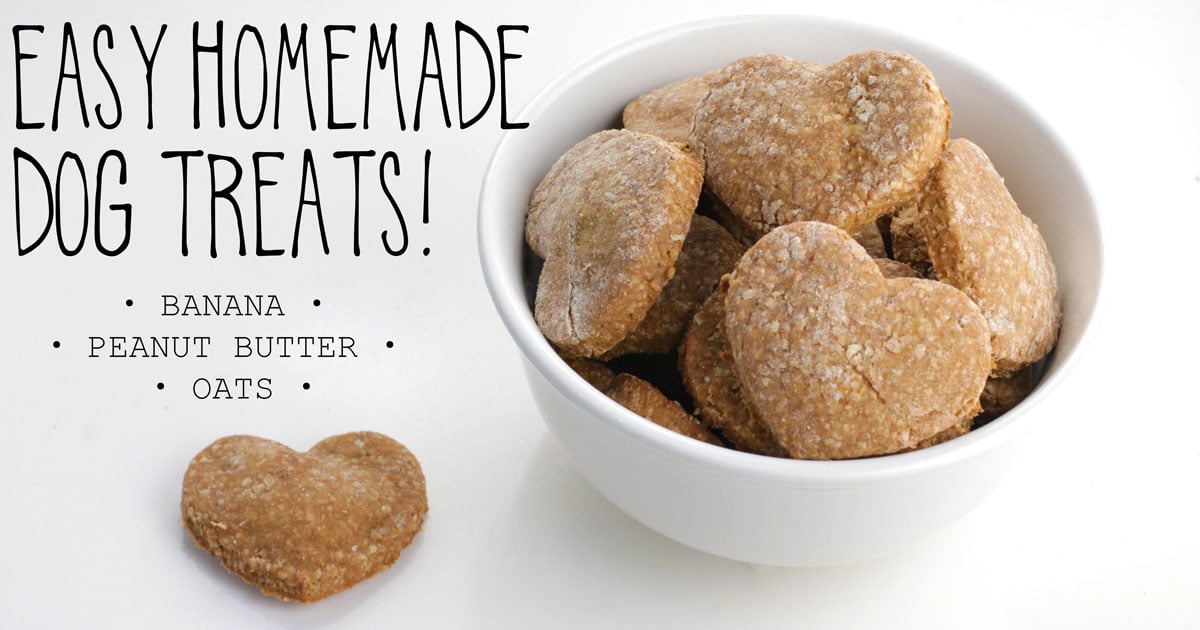
Mix ripe banana and natural peanut butter in a bowl. Form small balls and place them on a baking sheet. Chill the bites for an hour until firm. These treats are soft, tasty, and full of energy.
Pumpkin And Oat Cookies
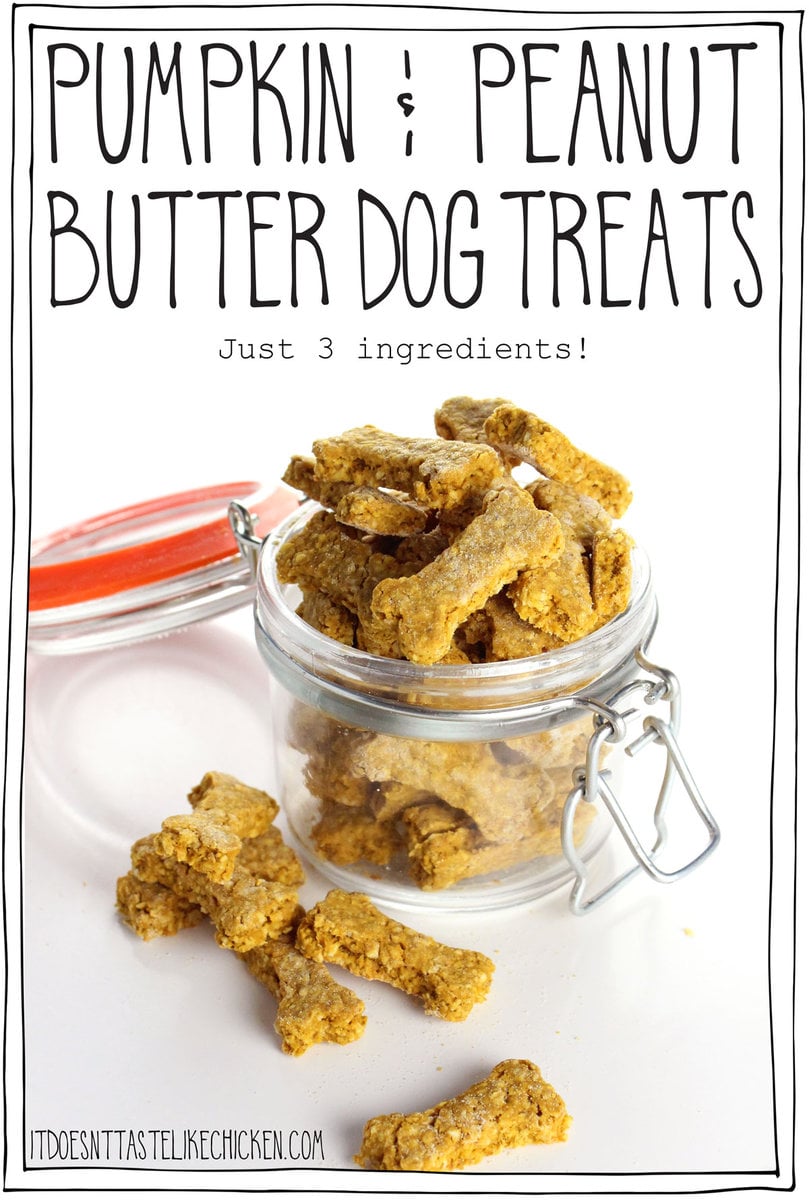
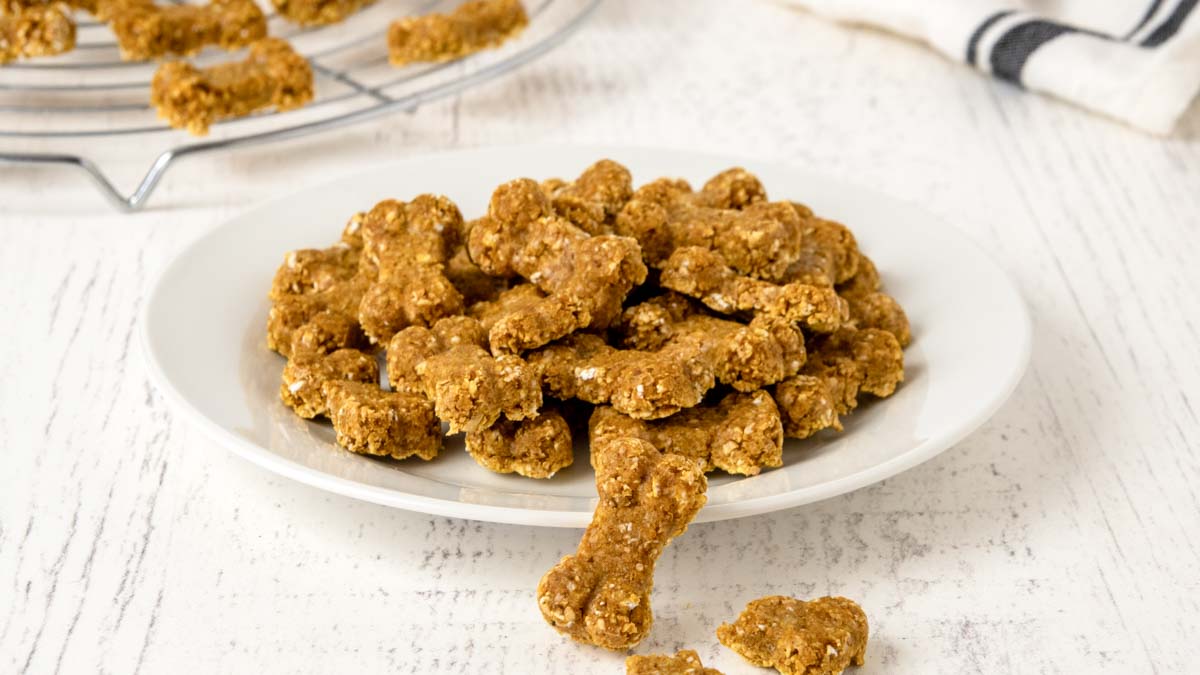
Combine canned pumpkin with rolled oats and an egg. Stir until the mixture forms a dough. Shape into small cookies and bake at 350°F for 20 minutes. These cookies help with digestion and are full of fiber.
Chicken And Sweet Potato Chews
Slice sweet potatoes and cook chicken breast until tender. Cut both into small strips. Mix and bake at 300°F for 25 minutes. These chews are chewy and packed with protein and vitamins.
Tips For Baking And Storage
Baking homemade dog treats without flour can be simple and fun. Knowing how to adjust texture, bake properly, and store treats well helps keep your dog happy and healthy. These tips make baking easier and keep treats fresh longer.
Adjusting Texture And Consistency
Use ingredients like oats or ground nuts to replace flour. Add mashed banana or pumpkin for moisture. If dough feels too sticky, add a little more oats. For dry dough, add a splash of water or broth. Aim for dough that holds shape but is not too wet.
Proper Baking Times
Bake treats on a low temperature, around 325°F (163°C). Check treats after 15 minutes for firmness. Thicker treats may need 20-25 minutes. Avoid overbaking to keep treats soft and chewy. Let treats cool completely before removing from the pan.
Storing For Freshness
Store treats in an airtight container at room temperature. Keep them in a cool, dry place away from sunlight. For longer storage, freeze treats in a sealed bag. Thaw frozen treats before giving them to your dog. Use treats within two weeks for best taste and freshness.
Safety And Nutritional Considerations
Making homemade dog treats without flour is a healthy choice. Safety and nutrition matter most when preparing these snacks. Dogs need treats that support their health without causing harm. Understanding what ingredients to use and how much to feed keeps dogs safe and happy.
Avoiding Harmful Ingredients
Some common foods can hurt dogs. Avoid chocolate, onions, garlic, grapes, and raisins. These ingredients can cause sickness or worse. Use simple, dog-safe items like pumpkin, sweet potato, or peanut butter. Always check ingredient lists carefully. Natural and fresh ingredients work best for dog treats.
Portion Control
Dogs need treats in small amounts. Too many treats lead to weight gain and health problems. Treats should be less than 10% of a dog’s daily food. Giving treats often can spoil their appetite for regular food. Measure treats to keep portions right. Treats are rewards, not meals.
Monitoring Allergic Reactions
Dogs can have allergies like people. Watch for itching, swelling, or upset stomach after new treats. Stop treats if any signs appear. Introduce new ingredients slowly. This helps spot allergies early. Consult a vet if unsure about certain foods. Safety means watching your dog closely.
Credit: itdoesnttastelikechicken.com
Frequently Asked Questions
What Ingredients Replace Flour In Homemade Dog Treats?
Common substitutes include oats, coconut flour, and almond meal. These alternatives are nutritious and safe for dogs. They provide texture without gluten. Using these ensures treats are healthier and easier to digest for dogs with flour sensitivities.
Are Homemade Flour-free Dog Treats Healthy?
Yes, they often contain natural, whole-food ingredients. Flour-free treats avoid gluten and processed carbs. This can improve digestion and reduce allergies. Homemade treats allow control over additives. They are a nutritious option for dogs with dietary needs.
How Do I Store Homemade Dog Treats Without Flour?
Store in an airtight container at room temperature. For longer freshness, refrigerate or freeze treats. Homemade treats without preservatives spoil faster. Proper storage maintains flavor and texture. Always check for signs of spoilage before feeding.
Can Dogs With Allergies Eat Flour-free Treats?
Flour-free treats are ideal for dogs with wheat allergies. Using oat or coconut flour reduces allergen exposure. Always check ingredient lists for other allergens. Consult your vet before introducing new treats. These treats offer a safe alternative for sensitive dogs.
Conclusion
Making homemade dog treats without flour keeps snacks healthy and safe. You control the ingredients and avoid fillers or additives. Dogs enjoy fresh treats made with simple, natural items. Baking at home lets you customize flavors and textures. Treat your pet with care and love through these recipes.
Try different recipes to find what your dog loves best. Homemade treats can strengthen your bond and keep tails wagging. Give your dog a tasty reward without any unnecessary ingredients. Simple, flour-free treats are a smart choice for happy pets.