
If you love spoiling your furry friend, you’ll want to try making homemade meatballs for dogs. These tasty treats are not only delicious but also packed with ingredients that are healthy and safe for your pup.
Imagine seeing your dog’s tail wag with excitement every time you bring out a bowl of these special meatballs. In this post, you’ll discover easy recipes and helpful tips that make cooking for your dog simple and fun. Keep reading to learn how to create meals that show your dog just how much you care.

Credit: spoiledhounds.com
Benefits Of Homemade Meatballs
Homemade meatballs are a great treat for dogs. They offer many benefits compared to store-bought snacks. You can make them fresh using healthy ingredients. Dogs enjoy the taste and texture of meatballs. These treats can improve your dog’s diet and well-being.
Making meatballs at home gives you control over what your dog eats. You avoid harmful additives and preservatives. Homemade meatballs also fit different dietary needs. They can be a good source of protein and nutrients.
Nutritional Advantages
Homemade meatballs contain fresh meat and healthy ingredients. This means more protein for your dog’s muscles. You can add vegetables for vitamins and minerals. No fillers or artificial flavors are included. This makes the meatballs nutritious and healthy.
Control Over Ingredients
Making meatballs at home lets you choose every ingredient. You can avoid allergens or foods your dog dislikes. This helps keep your dog safe and happy. You decide on the quality of meat and other parts. This control ensures the best food for your pet.
Cost-effectiveness
Homemade meatballs cost less than many store treats. You buy ingredients in bulk and use what you need. This saves money over time. Making treats at home also reduces waste. It is a budget-friendly way to pamper your dog.
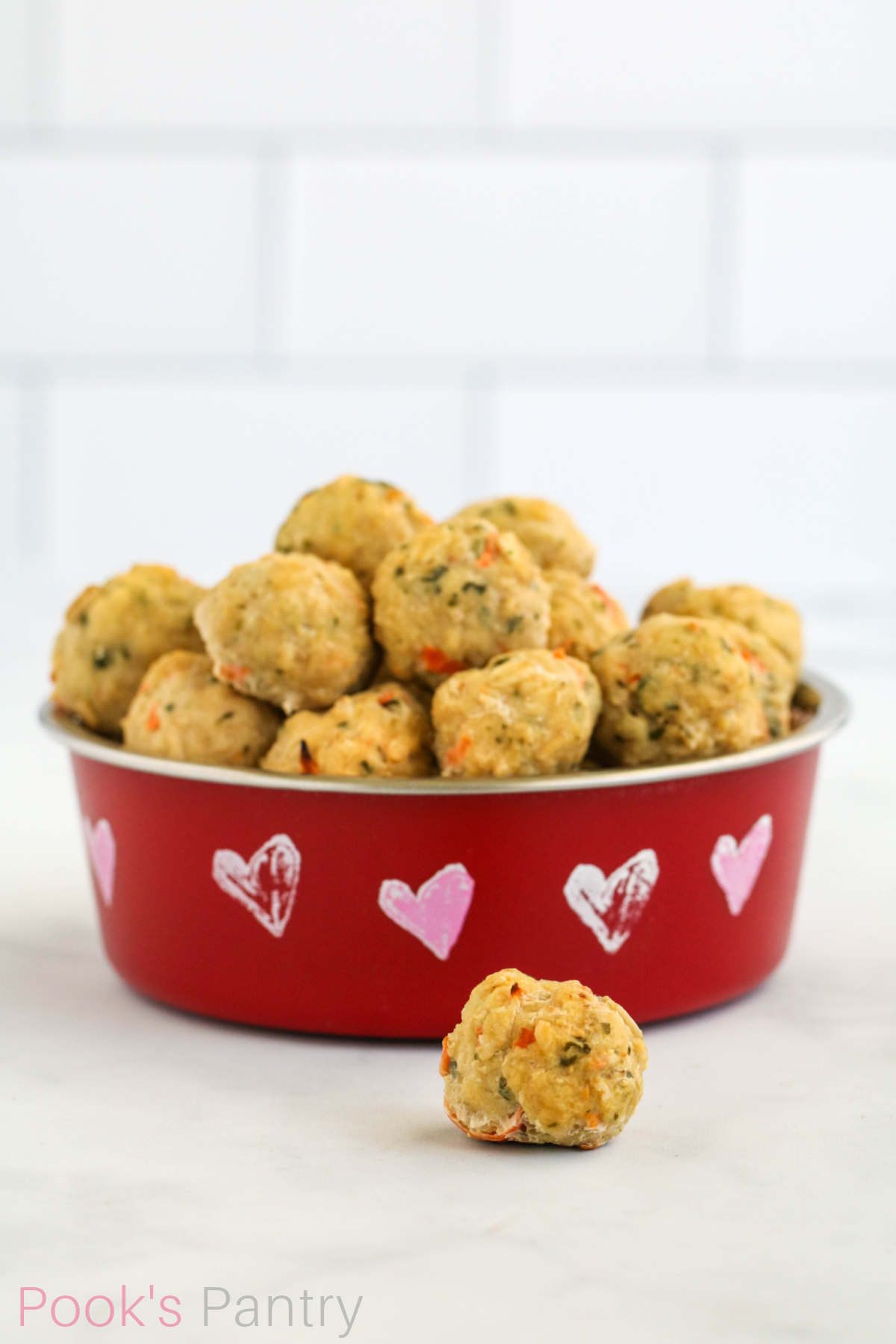
Credit: www.pookspantry.com
Choosing Dog-friendly Ingredients
Choosing the right ingredients for homemade meatballs is key to your dog’s health. Dogs need foods that support their digestion and energy. Using safe, natural items helps keep your pet happy and active.
Some ingredients can harm dogs or cause allergies. Knowing which foods are safe makes a big difference. Focus on fresh, simple foods that dogs enjoy and digest well.
Safe Proteins
Protein is important for muscle and energy. Use lean meats like chicken, turkey, or beef. Fish like salmon is also good. Avoid processed meats with added salt or spices. Plain, cooked meat is best for your dog.
Healthy Vegetables
Vegetables add vitamins and fiber to meatballs. Use carrots, peas, or green beans. These veggies support digestion and keep dogs healthy. Avoid onions, garlic, and mushrooms. These can be toxic and should never be used.
Avoiding Harmful Additives
Skip salt, sugar, and artificial flavors. These can hurt your dog’s health over time. No seasonings or sauces with onion or garlic powder. Keep ingredients pure and natural. This ensures safe, tasty treats for your dog.
Basic Meatball Recipe
Making homemade meatballs for dogs is simple and healthy. This basic recipe uses safe ingredients dogs love. You can prepare tasty treats at home with ease. These meatballs provide good nutrition and satisfy your dog’s cravings.
Essential Ingredients
Start with lean ground meat like chicken, turkey, or beef. Add cooked rice or oats for fiber and texture. Include finely chopped vegetables like carrots or peas. Use an egg to bind the mixture. Avoid onions, garlic, and spices harmful to dogs.
Preparation Steps
Mix all ingredients in a large bowl. Stir well until fully combined. Shape the mixture into small balls. Make sure they fit your dog’s size. Place the meatballs on a baking sheet or plate.
Cooking Methods
Bake the meatballs in the oven at 350°F (175°C) for 20 minutes. Or cook them in a pan with a little water on low heat. Avoid using oil or salt. Let the meatballs cool before serving to your dog.
Customizing Flavors And Textures
Customizing flavors and textures in homemade meatballs for dogs makes mealtime exciting. Dogs enjoy variety just like people do. Changing ingredients helps meet your dog’s taste and dietary needs. It also keeps your dog interested in their food.
Textures can be soft or firm, depending on your dog’s preference. Some dogs like chewy meatballs, while others prefer smooth and tender bites. Adjusting textures also helps with dogs that have dental issues or are very young.
Adding Herbs And Supplements
Herbs add flavor and health benefits to meatballs. Parsley can freshen breath and support digestion. Turmeric helps reduce inflammation. Use small amounts to avoid strong flavors.
Supplements like fish oil add omega-3 fatty acids. These support skin and coat health. Probiotics can improve gut health. Mix powders or capsules into the meatball mix carefully. Avoid herbs or supplements that are toxic to dogs, such as garlic and onion.
Adjusting For Dog Size And Age
Smaller dogs need smaller meatballs for easy chewing. Large dogs may enjoy bigger portions. Size affects cooking time too. Cook smaller meatballs faster to keep them tender.
Older dogs may need softer textures due to dental issues. Puppies need gentle ingredients that are easy to digest. Adjust protein levels based on age and activity. This customization ensures your dog stays healthy and happy.
Storage And Serving Tips
Storing and serving homemade meatballs for dogs properly keeps them fresh and safe. Proper handling helps maintain taste and nutrition. It also prevents spoilage and waste. Follow these easy tips to store and serve your dog’s treats the right way.
Proper Refrigeration
Store meatballs in an airtight container or sealed bag. Keep them in the fridge at or below 40°F (4°C). Use refrigerated meatballs within 3 to 4 days. Avoid leaving meatballs out at room temperature for long. This stops bacteria growth and keeps your dog healthy.
Freezing Guidelines
Freeze meatballs to extend their shelf life. Place them in a freezer-safe container or bag. Separate meatballs with parchment paper to prevent sticking. Label the container with the date. Use frozen meatballs within 2 to 3 months for best quality. Thaw in the fridge before serving, never at room temperature.
Serving Sizes
Serve meatballs in small portions based on your dog’s size. Tiny dogs need 1 or 2 meatballs per treat. Medium dogs can have 3 to 4 meatballs. Large dogs may eat 5 or more. Adjust servings if meatballs contain rich ingredients. Always watch your dog after feeding new treats to ensure no allergies or stomach upset.
Common Mistakes To Avoid
Making homemade meatballs for dogs is a great way to give them a healthy treat. Mistakes can happen, though. These mistakes might hurt your dog’s health or spoil the meatballs. Avoiding common errors keeps your dog safe and happy.
Using Toxic Ingredients
Some foods are toxic to dogs. Ingredients like onions, garlic, grapes, and chocolate must never be used. These can cause serious illness or even death. Always check each ingredient before adding it to the meatballs. Use dog-safe foods only.
Overfeeding Risks
Meatballs are tasty, but feeding too many is risky. Overfeeding can lead to weight gain and stomach upset. Dogs need balanced meals, not just treats. Give meatballs in small amounts as a supplement, not a main meal.
Improper Cooking
Raw or undercooked meat can carry harmful bacteria. Cooking meatballs fully kills germs and makes them safe. Overcooking, though, can dry out the meat and reduce nutrients. Cook just enough to be safe and tasty for your dog.
Signs Of Allergies Or Sensitivities
Homemade meatballs for dogs can be healthy and tasty treats. Yet, some dogs may show allergies or sensitivities to certain ingredients. Recognizing the signs early helps keep your dog safe and comfortable.
Allergies or sensitivities can cause discomfort and health issues in dogs. Watch your dog closely after feeding new homemade meatballs. Notice any changes in behavior or physical health.
Symptoms To Watch For
Look for itching, redness, or swelling on the skin. Your dog may scratch or lick certain areas a lot. Digestive problems like vomiting or diarrhea are common signs. Sneezing or coughing can also indicate allergies. Pay attention to sudden changes in energy or mood.
When To Consult A Vet
Seek veterinary help if symptoms last more than a day. Severe reactions like difficulty breathing need urgent care. Your vet can test for allergies and suggest safe foods. Follow the vet’s advice to avoid future problems.
Credit: www.busylittlekiddies.com
Frequently Asked Questions
What Ingredients Are Safe For Homemade Dog Meatballs?
Use lean ground meat, oats, carrots, and parsley. Avoid onions, garlic, and spices harmful to dogs. Always choose fresh, natural ingredients for healthy dog meatballs.
How Do I Make Meatballs Suitable For Dogs?
Mix lean meat with dog-safe veggies and oats. Form small balls and bake at 350°F for 20 minutes. Let cool before serving to ensure they’re safe and tasty.
Can Homemade Meatballs Improve My Dog’s Health?
Yes, homemade meatballs offer controlled nutrition without additives. They provide protein and essential nutrients from fresh ingredients. This supports muscle health and digestion in dogs.
How Often Can I Feed My Dog Meatballs?
Feed meatballs as occasional treats, not meals. Limit treats to 10% of your dog’s daily calories. Overfeeding can cause weight gain or digestive issues.
Conclusion
Homemade meatballs for dogs offer a tasty and healthy treat. You control the ingredients and avoid harmful additives. Your dog will enjoy fresh flavors made just for them. Cooking at home also lets you adjust for allergies or special diets.
Try making these meatballs often to keep your dog happy. Simple, safe, and full of love—your dog deserves it. Give it a try and watch your pet enjoy every bite!