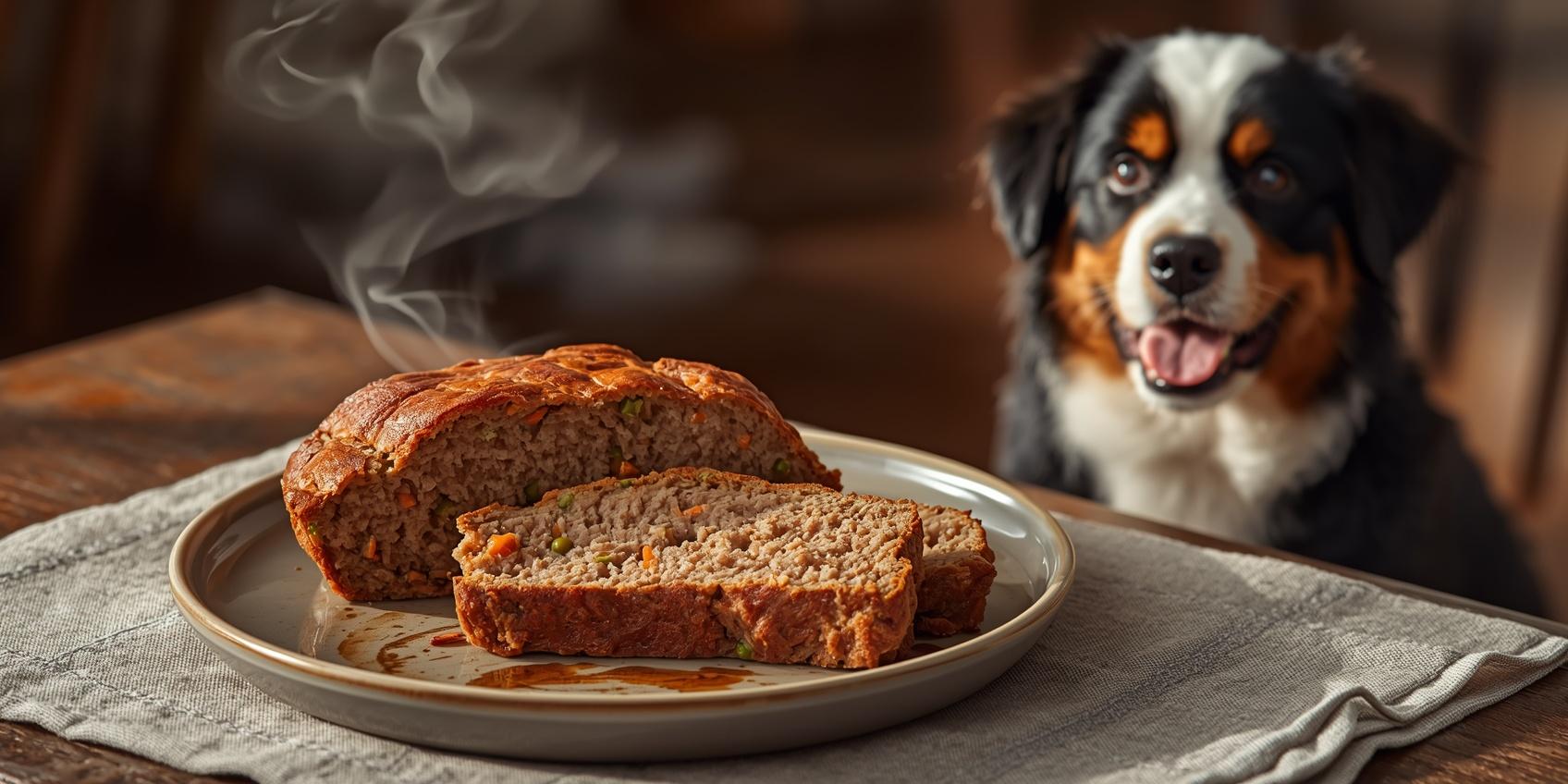
If you want to give your dog a tasty meal that’s both healthy and made with love, homemade meatloaf for dogs is a great choice. You might be wondering if it’s worth the effort or if your dog will even enjoy it.
This recipe is simple, packed with nutrients, and tailored just for your furry friend’s needs. Keep reading to discover how easy it is to make a meatloaf that will have your dog wagging their tail with every bite. Your dog deserves the best—let’s make mealtime special!
Benefits Of Homemade Meatloaf
Homemade meatloaf for dogs offers many benefits that store-bought food cannot match. It allows you to feed your dog fresh, healthy ingredients. You know exactly what goes into every meal. This helps your dog stay strong and happy.
Making meatloaf at home also helps avoid harmful additives. Many commercial dog foods have preservatives and fillers. These can cause health problems over time. Homemade meatloaf keeps your dog’s diet clean and natural.
Nutritional Advantages
Homemade meatloaf provides balanced nutrition tailored to your dog. You can include lean meats, vegetables, and grains. These ingredients supply essential vitamins and minerals. This supports your dog’s growth and energy. Fresh ingredients also improve digestion and coat health.
Control Over Ingredients
You control every ingredient in homemade meatloaf. No hidden sugars, salt, or chemicals. This reduces the risk of allergies and stomach upset. You can pick high-quality meats and fresh vegetables. This makes meals safer and healthier for your dog.
Customization For Allergies
Many dogs have food allergies or sensitivities. Homemade meatloaf lets you avoid problem ingredients. You can use alternative proteins like turkey or fish. Substitute grains with rice or oats if needed. This keeps your dog comfortable and healthy.

Credit: skinnyms.com
Essential Ingredients
Making homemade meatloaf for dogs needs careful choice of ingredients. Each ingredient should support your dog’s health and taste preferences. The right mix helps keep your dog happy and strong. Focus on proteins, vegetables, and binding agents for the best results.
Protein Choices
Protein is the main part of meatloaf for dogs. Good options include lean beef, chicken, turkey, or fish. These provide essential amino acids for muscle and tissue health. Avoid fatty or processed meats. Fresh, high-quality meat works best for your dog’s diet.
Healthy Vegetables
Vegetables add important vitamins and fiber. Carrots, peas, and green beans are safe and nutritious. Avoid onions, garlic, and other toxic veggies. Cook vegetables lightly to make them easier to digest. These help keep your dog’s digestion smooth and energy up.
Binding Agents
Binding agents hold the meatloaf together. Use eggs and oats or cooked rice for this. They add extra nutrition and make slicing easier. Avoid breadcrumbs with salt or spices. Good binders keep the meatloaf moist and firm for your dog to enjoy.
Step-by-step Preparation
Making homemade meatloaf for dogs is simple and rewarding. Follow these clear steps to prepare a healthy meal your dog will enjoy. The process includes mixing ingredients, shaping the meatloaf, and cooking it safely. Each step ensures the meatloaf is tasty and good for your pet’s health.
Mixing Ingredients
Start by gathering fresh, dog-safe ingredients. Use lean ground meat like chicken, beef, or turkey. Add cooked vegetables such as carrots and peas for nutrients. Include a small amount of oats or rice for binding. Mix everything gently in a large bowl. Make sure the mixture is even and well combined. Avoid adding salt, onions, or garlic, which are harmful to dogs.
Shaping The Meatloaf
Transfer the mixture to a clean surface or baking dish. Shape it into a loaf, about two inches thick. Keep the shape compact but not too tight. This helps it cook evenly. Using your hands is easiest and helps check for lumps. A uniform shape ensures all parts cook at the same time.
Cooking Methods
Bake the meatloaf in a preheated oven at 350°F (175°C). Cook for 45 to 60 minutes, depending on thickness. Use a meat thermometer to check the inside temperature. It should reach 160°F (71°C) to be safe. Let the meatloaf cool completely before serving. Avoid frying or grilling, as it can dry out the meat. Baking keeps the meat moist and tender for your dog.
Portioning And Storage
Portioning and storing homemade meatloaf for dogs keeps the food fresh and safe. Proper portions avoid waste and help maintain your dog’s health. Storing correctly saves time and effort during feeding.
Serving Sizes For Dogs
Serve meatloaf in small portions based on your dog’s weight. Small dogs need about 1/4 to 1/2 cup per meal. Medium dogs can have 1/2 to 1 cup. Large dogs may eat 1 to 2 cups. Adjust portions depending on activity and age.
Refrigeration Tips
Store meatloaf in an airtight container to keep it fresh. Place it in the fridge within two hours of cooking. Use the meatloaf within three to four days. Check for any signs of spoilage before feeding.
Freezing Guidelines
Freeze meatloaf in individual portions for easy thawing. Wrap each portion tightly in plastic wrap or foil. Place wrapped portions in a freezer-safe bag or container. Use frozen meatloaf within two to three months for best taste. Thaw in the fridge before serving.
Safety Tips
Safety is key when making homemade meatloaf for dogs. The right steps keep your pet healthy and happy. Careful preparation avoids risks from bad ingredients or improper cooking. Watch your dog’s reaction after feeding new food. These tips help you serve safe and tasty meals.
Avoiding Harmful Ingredients
Some foods harm dogs even in small amounts. Avoid onions, garlic, and chives. These cause stomach upset and can harm blood cells. Skip salt, sugar, and artificial spices. Use plain meats and dog-safe vegetables only. Check every ingredient before adding it to the mix.
Monitoring For Allergic Reactions
Watch your dog after the first taste. Look for itching, redness, or swelling. Vomiting or diarrhea also signal allergies. Stop feeding the meatloaf if any signs appear. Consult a vet if the reaction seems serious. Introduce new foods slowly to spot allergies early.
Proper Cooking Temperatures
Cook meatloaf thoroughly to kill harmful bacteria. Use a meat thermometer to check temperature. Aim for at least 160°F (71°C) inside. Undercooked meat may cause sickness. Let the meatloaf cool before serving. Warm food avoids burns and is easier to eat.

Credit: wheresthefrenchie.com
Adding Variety
Adding variety to your dog’s homemade meatloaf keeps mealtime exciting. Dogs enjoy tasting new flavors and textures. Variety also helps provide balanced nutrition. Different ingredients bring unique benefits to their diet. Rotating ingredients can prevent picky eating habits. It supports overall health and vitality.
Alternative Proteins
Try using chicken, turkey, or lamb instead of beef. Fish like salmon or whitefish adds omega-3 fatty acids. Ground eggs or cottage cheese can be protein sources too. These options offer different nutrients and flavors. They help avoid food allergies or sensitivities. Variety in proteins keeps your dog interested in meals.
Mixing In Supplements
Add dog-safe supplements to enrich the meatloaf. Include fish oil for healthy skin and coat. Probiotics support digestion and immune health. Glucosamine helps joint function in older dogs. Use powdered greens or vitamin blends for extra nutrients. Always check supplement safety for dogs before adding.
Seasonal Ingredient Options
Choose vegetables and fruits that grow in season. Pumpkin, carrots, and green beans are great fall options. In summer, try zucchini, peas, or blueberries. Seasonal ingredients provide fresh taste and vital vitamins. They keep meals natural and wholesome throughout the year. Rotate these to keep your dog’s diet diverse.

Credit: dogchild.co
Frequently Asked Questions
What Ingredients Are Safe For Homemade Dog Meatloaf?
Use lean meats like chicken or turkey, brown rice, carrots, and eggs. Avoid onions, garlic, and excessive salt. Fresh vegetables and dog-friendly spices ensure a healthy, tasty meal. Always consult your vet for allergy concerns or dietary restrictions.
How To Store Homemade Meatloaf For Dogs?
Store meatloaf in an airtight container in the fridge for up to 3 days. For longer storage, freeze in portions for up to 2 months. Thaw in the fridge before serving to keep freshness and nutrients intact.
Can Homemade Meatloaf Improve My Dog’s Health?
Yes, homemade meatloaf offers balanced nutrition with fresh ingredients. It supports digestion, boosts energy, and reduces additives found in commercial foods. Tailoring recipes to your dog’s needs promotes overall health and well-being. Always check with your vet before dietary changes.
How Often Should I Feed Homemade Meatloaf To My Dog?
Feed homemade meatloaf 2-3 times a week as part of a balanced diet. Combine with regular dog food or use as a special treat. Moderation ensures variety and prevents nutritional imbalances. Monitor your dog’s response to new meals.
Conclusion
Making homemade meatloaf for dogs brings many benefits. You control the ingredients and keep it healthy. Your dog enjoys fresh, tasty meals every time. It’s a great way to show care and love. Simple recipes make cooking easy and fun.
Try different veggies and meats to find favorites. Watch your dog’s happy tail wag with every bite. Homemade food helps support their health and energy. Treat your dog to meals made with heart and care.