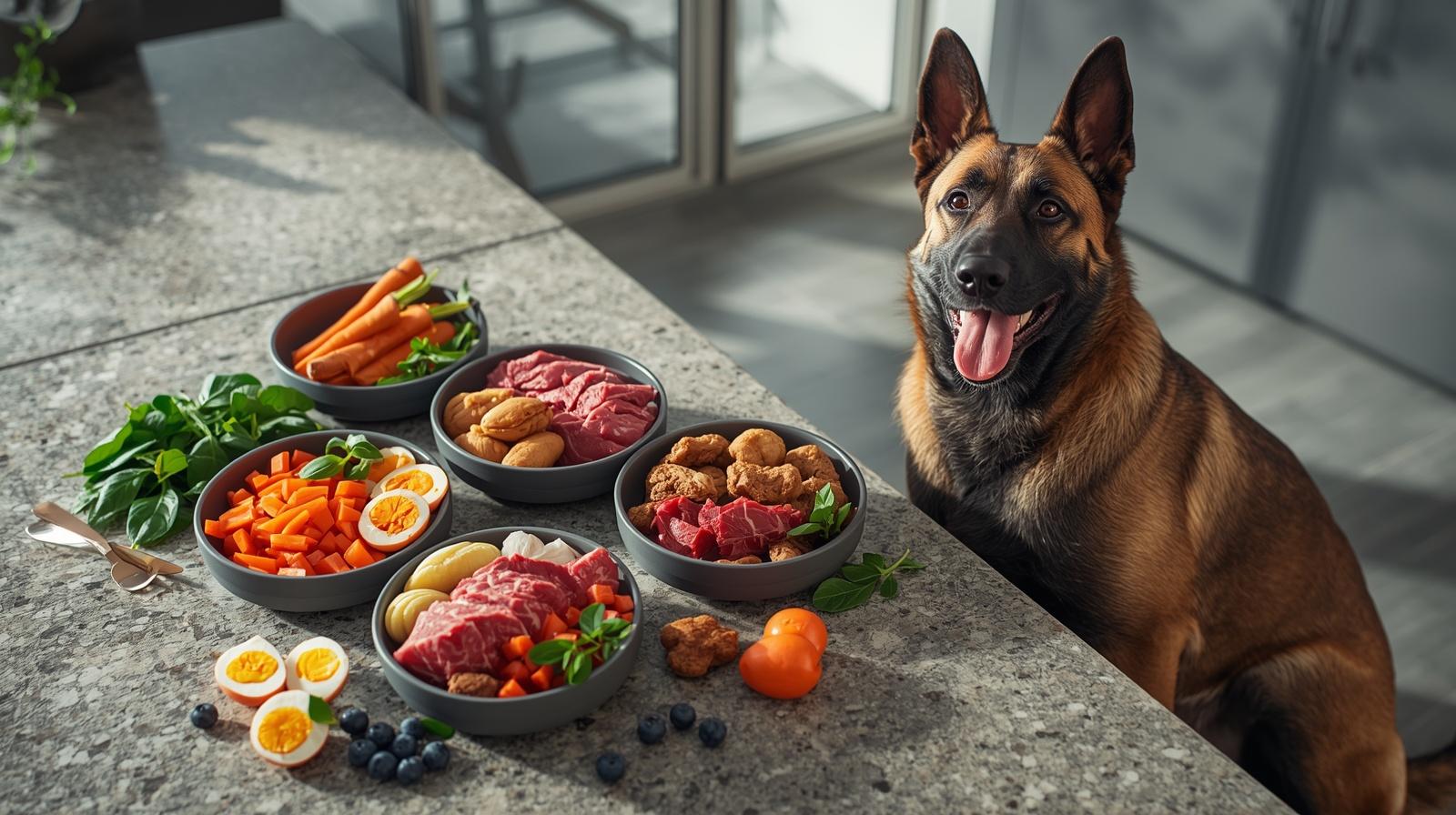
Are you looking for a healthier way to feed your dog? Homemade raw dog food recipes might be just what you need.
Feeding your dog raw food can boost their energy, improve their coat, and support better digestion. But where do you start? You want to give your furry friend the best without spending hours in the kitchen or worrying about missing important nutrients.
This guide will show you simple, tasty recipes that are easy to prepare and packed with everything your dog needs. Keep reading to discover how you can make your dog’s meals healthier and more delicious today.

Credit: www.thatmutt.com
Benefits Of Raw Dog Food
Raw dog food offers many benefits that support your pet’s health. It contains natural nutrients that are easy for dogs to absorb. Feeding raw food can improve your dog’s well-being in several ways.
Improved Digestion
Raw dog food contains enzymes that help break down food better. Dogs digest raw food more easily than processed kibble. This can reduce gas, bloating, and stomach upset. Better digestion means your dog absorbs more nutrients from meals.
Healthier Coat And Skin
Natural oils and fats in raw food nourish your dog’s skin. This leads to a shiny, soft coat that feels great to touch. Many dogs experience less itching and dryness. The right nutrients support skin repair and reduce shedding.
Increased Energy Levels
Raw food provides high-quality proteins and fats for energy. Dogs fed raw diets often show more playfulness and alertness. Steady energy helps your dog stay active throughout the day. Good nutrition supports muscles and overall vitality.
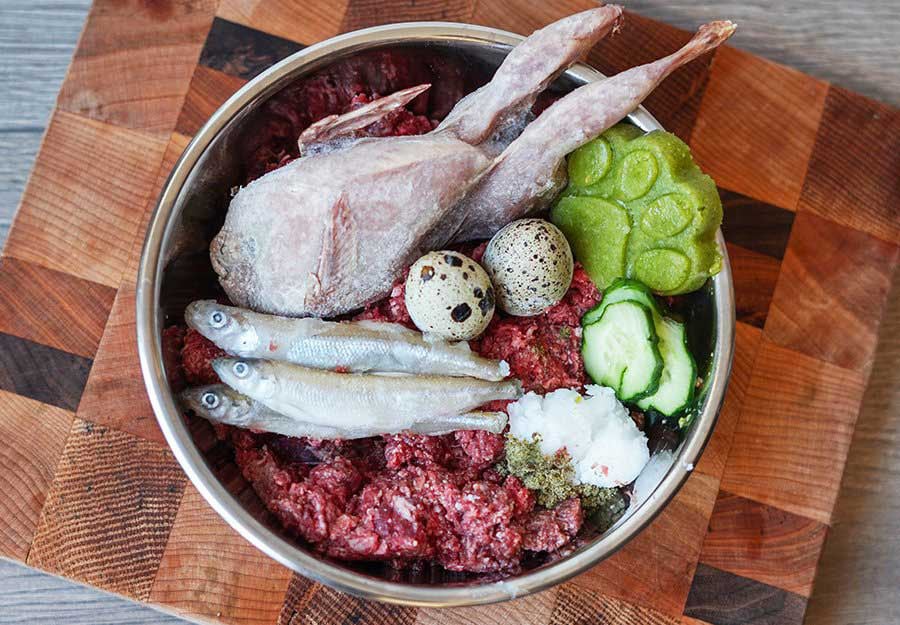
Credit: blog.homesalive.ca
Essential Ingredients
Creating homemade raw dog food starts with choosing the right ingredients. These ingredients must provide all the nutrients your dog needs. Balance is key to keep your pet healthy and happy. Focus on fresh, natural items that offer proteins, vitamins, and minerals.
Meats And Proteins
Meat is the main part of raw dog food. Use fresh beef, chicken, turkey, or lamb. Organ meats like liver and kidney add important nutrients. Fish such as salmon can provide healthy fats. Always choose high-quality, human-grade meat for safety.
Vegetables And Fruits
Vegetables and fruits give vitamins and fiber. Good choices include carrots, spinach, and broccoli. Apples and blueberries offer antioxidants. Avoid onions, grapes, and other toxic foods. Chop or puree veggies for easier digestion.
Supplements And Additives
Supplements help fill nutrition gaps in raw diets. Bone meal or crushed eggshells provide calcium. Fish oil adds omega-3 fatty acids. Probiotics support digestion and gut health. Use supplements carefully to keep meals balanced.
Safe Preparation Tips
Preparing homemade raw dog food needs care and attention. Safety is important to protect your dog and family from germs and bacteria. Follow simple steps to keep the food safe and healthy. Clean tools and proper handling help prevent illness. Portion control also keeps your dog’s diet balanced and fresh. These tips make raw feeding easier and safer.
Handling Raw Meat
Always use fresh meat from a trusted source. Keep raw meat cold until use. Thaw frozen meat in the fridge, not on the counter. Use separate cutting boards for raw meat and other foods. Wash your hands well before and after touching raw meat. Avoid cross-contamination by cleaning all surfaces after use.
Sanitation Practices
Clean all bowls, knives, and utensils with hot soapy water. Sanitize cutting boards regularly with vinegar or a mild bleach solution. Use separate containers for raw food storage. Store raw dog food in the coldest part of the fridge. Dispose of leftover food quickly to prevent spoilage. Keep your kitchen clean to stop bacteria from spreading.
Portion Control
Measure your dog’s food based on size and activity level. Avoid feeding large amounts at once to prevent stomach upset. Divide meals into smaller portions for better digestion. Use a digital scale for accuracy. Monitor your dog’s weight and adjust portions as needed. Fresh food works best when served in small, daily servings.
Popular Raw Dog Food Recipes
Raw dog food offers a fresh and natural diet for your pet. Many dog owners choose homemade recipes to control ingredients and ensure quality. These popular raw dog food recipes are easy to prepare and full of nutrients.
Each recipe uses simple ingredients that provide protein, vitamins, and minerals. These meals support your dog’s health and energy. Try these recipes to give your dog a tasty and healthy meal.
Chicken And Veggie Mix
This recipe combines lean chicken with fresh vegetables. Use ground chicken for easy digestion. Add finely chopped carrots and spinach for vitamins. Mix in a small amount of chicken liver for extra nutrients. Serve fresh or slightly chilled for best taste.
Beef And Bone Blend
Ground beef is the main ingredient here. Include raw meaty bones like chicken necks for calcium. Add chopped green beans and pumpkin for fiber. This blend supports strong bones and healthy digestion. Always supervise your dog while eating bones.
Fish And Greens Bowl
Use oily fish like salmon or sardines for omega-3 fats. Mix with steamed kale and zucchini for antioxidants. Include a small amount of fish oil for skin health. This bowl helps keep your dog’s coat shiny and soft. Serve in small portions to avoid fishy smell.
Transitioning To Raw Food
Switching your dog to a raw food diet takes care and time. Sudden changes can upset their stomach. A smooth transition helps your dog enjoy raw meals and stay healthy.
Gradual Introduction
Start by mixing small amounts of raw food with their current diet. Increase the raw portion slowly over two weeks. This helps your dog’s digestion adjust without stress.
Monitoring Your Dog’s Response
Watch your dog’s behavior and stool closely. Look for changes in energy, appetite, or digestion. Any signs of discomfort mean you should slow the transition.
Adjusting Portions
Feed the right amount based on your dog’s size and activity. Adjust portions if your dog gains or loses weight. Keep meals balanced to meet nutritional needs.
Common Challenges And Solutions
Making raw dog food at home is rewarding but not without hurdles. Some challenges can slow down your progress or cause frustration. Knowing common problems and their simple fixes helps keep your dog happy and healthy. Here are three main challenges pet owners face and easy ways to solve them.
Dealing With Picky Eaters
Dogs can be picky about new foods. Start by mixing small amounts of raw food with their usual meals. Gradually increase raw portions over several days. Try different protein sources like chicken, beef, or fish to find what your dog likes. Adding a bit of natural broth or a sprinkle of dog-safe herbs can make meals more tempting.
Balancing Nutrients
Raw diets need the right mix of meat, organs, bones, and veggies. Too much or too little of one ingredient can cause health issues. Use trusted recipes or consult a vet to balance nutrients. Keep variety in proteins and add supplements like fish oil for omega-3 fats. Regularly check your dog’s health and adjust recipes as needed.
Storage And Freezing Tips
Proper storage keeps raw food fresh and safe. Divide meals into portions and store in airtight containers. Label each with the date to track freshness. Freeze portions you won’t use soon. Thaw food in the fridge, never at room temperature, to avoid bacteria growth. Clean bowls and prep areas after every meal to maintain hygiene.

Credit: recipemaker.peterdobias.com
Frequently Asked Questions
What Are The Benefits Of Homemade Raw Dog Food?
Homemade raw dog food improves digestion and boosts immunity. It offers fresh, natural ingredients free from preservatives. Dogs get better skin, coat, and energy levels. It also helps control allergies and weight. Homemade meals ensure quality and tailored nutrition for your dog’s needs.
How Do I Balance Nutrients In Raw Dog Food?
Balance raw dog food with proteins, fats, and carbs. Include muscle meat, organ meat, and raw bones. Add vegetables and supplements like fish oil and vitamins. Proper ratios prevent deficiencies and support overall health. Consulting a vet ensures a safe, balanced diet for your dog.
Can All Dog Breeds Eat Raw Food Safely?
Most dog breeds can safely eat raw food. However, puppies, pregnant dogs, and seniors need special care. Some dogs with health issues may require vet advice before switching. Always introduce raw food gradually and monitor your dog’s response for safety.
How Do I Store Homemade Raw Dog Food Properly?
Store homemade raw dog food in airtight containers in the fridge. Use within 2-3 days to ensure freshness and safety. For longer storage, freeze portions and thaw before feeding. Proper storage prevents bacterial growth and keeps food nutritious and safe.
Conclusion
Feeding your dog homemade raw food can be healthy and tasty. You control the ingredients and avoid fillers. Fresh meat, vegetables, and supplements give balanced nutrition. Dogs often enjoy the natural flavors and textures. Always keep safety and hygiene in mind.
Start slowly and watch your dog’s reaction. Consult your vet to meet your dog’s needs. Homemade raw food can make mealtime special and nutritious. Give it a try and see how your dog feels. Simple, fresh, and made with care.