
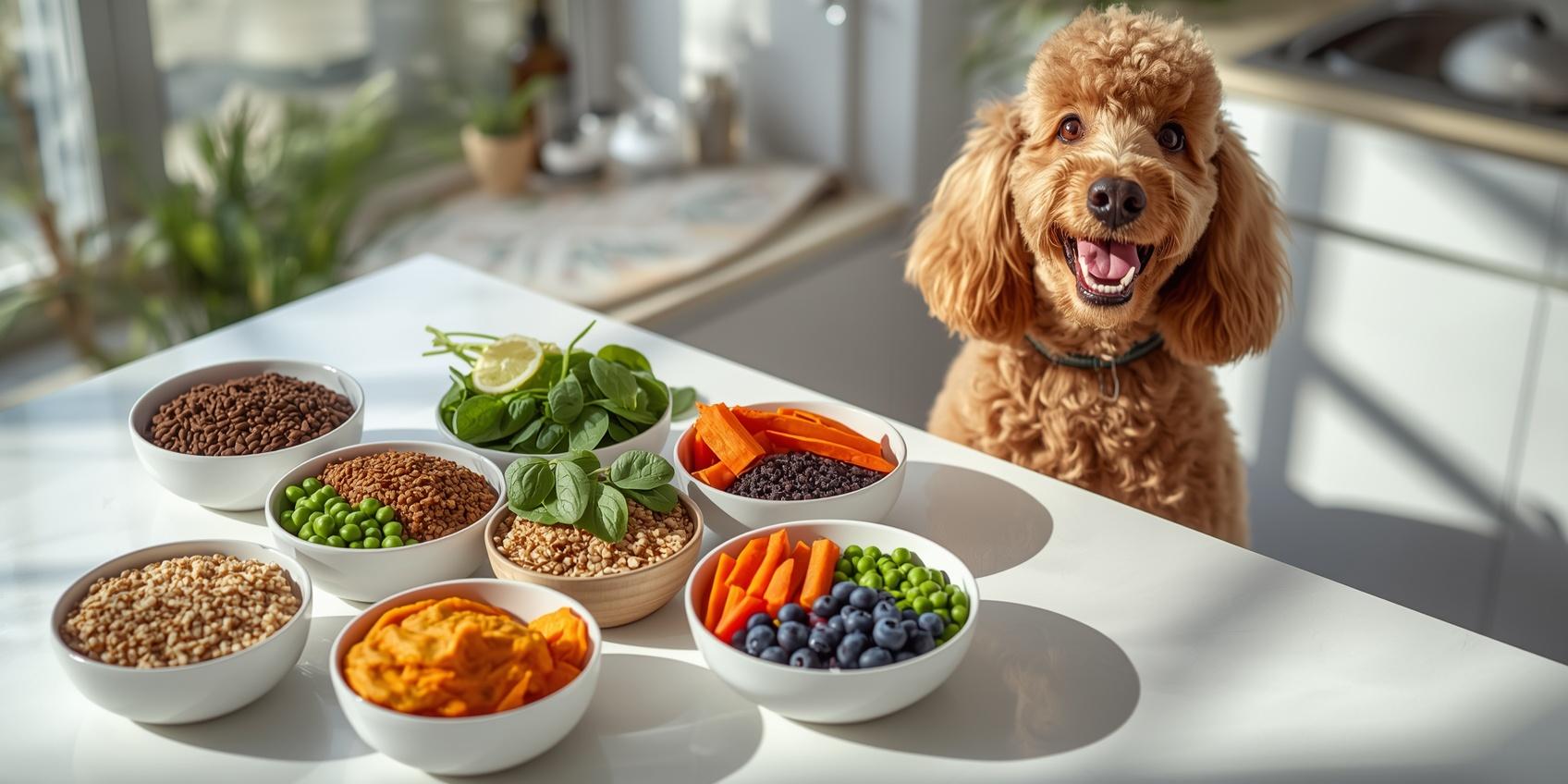
Are you looking for healthy and tasty food options for your furry friend? Making homemade vegan dog food recipes can be a great way to give your dog fresh, nutritious meals without any animal products.
You might wonder if a plant-based diet can truly meet your dog’s needs. This article will show you easy recipes that are not only good for your dog’s health but also simple to prepare. Keep reading to discover how you can make your dog’s mealtime both delicious and wholesome!

Credit: v-dog.com
Benefits Of Vegan Dog Food
Switching to vegan dog food offers several health and environmental benefits. Dogs can enjoy a balanced diet without animal products. Many pet owners choose vegan food to support animal welfare and reduce their pet’s carbon pawprint.
Vegan dog food recipes focus on plant-based ingredients that provide essential nutrients. These meals often contain vegetables, grains, and legumes. Properly made vegan diets can keep dogs healthy and energetic.
Improved Digestion And Gut Health
Plant-based meals are rich in fiber. Fiber helps dogs digest food smoothly. It also supports good bacteria in the gut. This can reduce stomach problems and improve overall digestion.
Reduced Risk Of Allergies
Animal proteins can cause allergies in some dogs. Vegan diets avoid common allergens like beef and chicken. This lowers the chance of skin irritation and itching. Dogs with food sensitivities may feel better on vegan food.
Supports Healthy Weight
Vegan dog food often has fewer calories and fat. This helps maintain a healthy weight. Overweight dogs have fewer health issues and live longer. Plant-based meals support steady, balanced energy levels.
Environmentally Friendly Choice
Producing plant-based dog food uses less water and land. It creates fewer greenhouse gas emissions. Choosing vegan food helps protect the planet. It reduces the demand for animal farming.

Credit: mrsplantintexas.com
Essential Nutrients For Dogs
Dogs need certain nutrients to stay healthy and strong. These nutrients support their energy, growth, and overall well-being. Homemade vegan dog food must include these essentials to keep dogs happy.
Protein Sources
Protein helps build muscles and repair tissues. Good vegan protein sources include lentils, chickpeas, and quinoa. Peas and tofu also provide quality protein. These plant foods supply amino acids dogs need daily.
Vitamins And Minerals
Vitamins and minerals keep dogs’ bodies working well. Leafy greens like spinach and kale give vitamin A and iron. Sweet potatoes offer vitamin C and fiber. A balanced mix of these nutrients supports strong bones and a healthy immune system.
Fats And Carbohydrates
Fats provide energy and keep skin shiny. Flaxseed oil and coconut oil are great vegan fat sources. Carbohydrates fuel dogs for play and exercise. Brown rice, oats, and pumpkin supply easy-to-digest carbs.
Common Ingredients For Vegan Dog Meals
Homemade vegan dog food uses simple, natural ingredients. These foods provide good nutrition and taste for dogs. Choosing the right ingredients ensures your dog stays healthy and happy. Many plant-based foods offer protein, fiber, and vitamins dogs need.
Legumes And Beans
Legumes and beans are excellent protein sources. Lentils, chickpeas, and peas are common choices. They help build strong muscles and support energy. These foods also contain fiber for good digestion. Soaking and cooking them well makes them easy to digest.
Grains And Seeds
Grains and seeds add energy and essential fats. Brown rice, oats, and quinoa provide carbohydrates for fuel. Flaxseeds and chia seeds offer omega-3 fatty acids. These fats keep skin healthy and coat shiny. Grains also supply important vitamins and minerals.
Vegetables And Fruits
Vegetables and fruits add vitamins and antioxidants. Carrots, sweet potatoes, and spinach are great choices. Apples and blueberries offer natural sweetness and vitamins. These foods support the immune system and overall health. Always wash and cut them into small pieces.
Easy Vegan Dog Food Recipes
Easy vegan dog food recipes offer healthy and simple meal ideas for your pet. These recipes use natural ingredients that are easy to find. They provide good nutrition and taste that dogs enjoy. Preparing homemade vegan meals can save money and avoid preservatives.
Each recipe focuses on balance and easy cooking. You can make these dishes in less than an hour. Perfect for busy pet owners who want fresh food for their dogs.
Lentil And Sweet Potato Stew
This stew combines lentils and sweet potatoes for energy and fiber. Cook lentils until soft, then add diced sweet potatoes. Simmer with water and a pinch of turmeric for digestion. Let it cool before serving. Dogs love the mild, sweet flavor.
Quinoa And Vegetable Mix
Quinoa is a great protein source for dogs. Cook quinoa and mix with steamed carrots and peas. Add a little olive oil for healthy fats. This meal is light and full of vitamins. Easy to prepare and gentle on your dog’s stomach.
Chickpea And Pumpkin Mash
Chickpeas and pumpkin create a creamy, filling meal. Mash cooked chickpeas with cooked pumpkin until smooth. Add a splash of coconut milk for taste. This recipe supports digestion and provides important nutrients. Serve at room temperature for best results.
Tips For Transitioning Your Dog
Switching your dog to homemade vegan food takes care and patience. Dogs need time to adjust to new tastes and textures. A slow change helps their stomachs and keeps them happy.
Start by mixing small amounts of vegan food with their current diet. Increase the vegan portion little by little over days or weeks. Watch how your dog reacts to the new food.
Introduce New Food Gradually
Mix 25% vegan food with 75% old food at first. After three days, increase to 50% vegan food. Then, raise it to 75% before going 100% vegan. This slow change helps avoid stomach upset.
Observe Your Dog’s Health
Check for signs like vomiting, diarrhea, or loss of appetite. Keep a close eye on energy levels and mood. If problems arise, slow the transition or consult a vet.
Keep Mealtime Consistent
Feed your dog at the same times each day. Use the same bowls and quiet place. Routine helps dogs feel safe during food changes.
Offer Plenty Of Fresh Water
New diets may make dogs thirsty. Always provide clean water nearby. Hydration supports digestion and overall health.
Use Flavor Enhancers
Add small amounts of vegetable broth or nutritional yeast. These can make vegan food more tasty. Avoid salt and harmful spices.

Credit: yumwoof.com
Ensuring Balanced Nutrition
Feeding your dog homemade vegan food needs care and planning. Dogs require a mix of nutrients for good health. Proteins, fats, vitamins, and minerals must be in the right amounts.
Without balance, your dog might lack important nutrients. This can cause health problems and low energy. Making sure your recipes include all key nutrients is very important.
Supplements To Consider
Plant-based diets can miss some nutrients dogs need. Supplements help fill these gaps. Common ones include vitamin B12, taurine, and omega-3 fatty acids.
Calcium is also crucial for strong bones. Add plant-based calcium or supplements designed for dogs. Use supplements carefully. Too much or too little can harm your pet.
Consulting A Veterinarian
Talk to a vet before changing your dog’s diet. They can check your dog’s health and suggest the best foods. Vets also recommend tests to spot nutrient shortages early.
Regular check-ups help keep your dog healthy on a vegan diet. A vet’s advice makes homemade meals safer and more balanced.
Common Challenges And Solutions
Making homemade vegan dog food can be rewarding but also tricky. Many pet owners face common challenges while preparing balanced meals. Knowing these challenges helps create better recipes and keep dogs healthy.
Below are some typical problems and easy solutions to improve your dog’s vegan diet.
Ensuring Complete Nutrition
Dogs need protein, vitamins, and minerals to stay healthy. Vegan meals may lack some nutrients found in meat. Use plant-based protein sources like lentils, chickpeas, and tofu. Add supplements like vitamin B12 and taurine for balance. Consult a vet to check your recipe’s nutrition.
Managing Food Allergies
Some dogs have allergies to common vegan ingredients. Watch for reactions like itching or upset stomach. Try simple recipes with one or two ingredients first. Replace allergens with safer options such as sweet potatoes or rice. Always introduce new foods slowly.
Keeping Meals Tasty And Appealing
Dogs may refuse vegan food if it tastes bland. Use herbs like parsley and basil for flavor. Mix in a little olive oil or natural peanut butter. Warm the food slightly to release aromas. Experiment with textures to find what your dog prefers.
Preventing Digestive Issues
Sudden changes in diet can cause diarrhea or gas. Transition slowly by mixing vegan food with old meals. Include fiber-rich vegetables like pumpkin or carrots. Avoid too many beans or lentils at once. Monitor your dog’s stool to ensure good digestion.
Frequently Asked Questions
What Ingredients Are Safe For Homemade Vegan Dog Food?
Safe ingredients include sweet potatoes, lentils, peas, carrots, brown rice, and pumpkin. Avoid onions, garlic, and chocolate. Always ensure balanced nutrition with protein, fiber, and vitamins suitable for dogs. Consult a vet for specific dietary needs before switching to vegan dog food.
Can Vegan Dog Food Provide Complete Nutrition?
Yes, vegan dog food can be complete if properly balanced. It must include essential amino acids, vitamins, and minerals. Supplementing with B12 and taurine is often necessary. Always consult a veterinarian or pet nutritionist to ensure your dog’s diet meets all nutritional requirements.
How Do I Transition My Dog To Vegan Food?
Transition gradually over 7-10 days by mixing increasing amounts of vegan food with current diet. Monitor for allergies or digestive issues. Provide fresh water and maintain regular vet check-ups. A slow transition helps your dog adjust comfortably to new food without stomach upset.
Are Homemade Vegan Dog Food Recipes Cost-effective?
Homemade vegan dog food can be cost-effective compared to commercial pet foods. Ingredients like beans, grains, and vegetables are affordable. Cooking at home reduces preservatives and fillers. However, consider time investment and need for supplements to ensure balanced nutrition.
Conclusion
Making homemade vegan dog food can keep your pet healthy. You control every ingredient, ensuring fresh and natural meals. These recipes offer variety and good nutrition for dogs. Always check with your vet before changing your dog’s diet. Simple steps can create tasty and balanced meals at home.
Your dog will enjoy the new flavors and benefits. Try these recipes and watch your dog thrive. Caring for your pet’s diet shows love and attention. Small changes bring big health rewards over time.