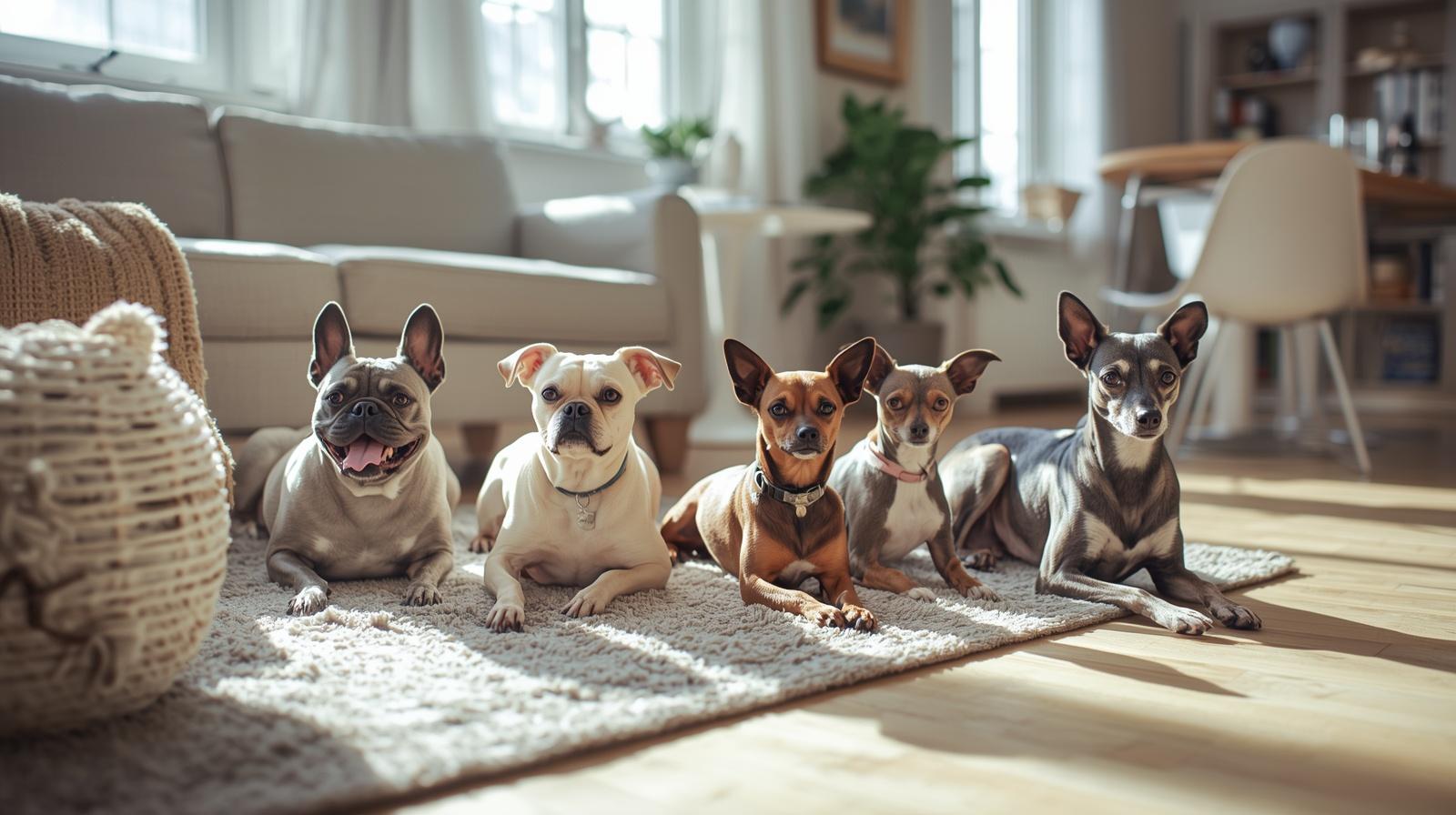
Looking for a furry friend that fits perfectly into your busy life? You want a dog that’s lovable, small, and easy to care for.
But with so many breeds out there, it can be tough to know which ones won’t demand too much time or effort. Imagine having a loyal companion who doesn’t need constant grooming, long walks, or endless attention—sounds ideal, right? You’ll discover the best low maintenance small dog breeds that can bring joy without overwhelming your schedule.
Keep reading to find the perfect match for your lifestyle and make your decision easier than ever.
:strip_icc()/deep-in-action-107951138-596a771c3df78c57f4a62e64.jpg)
Credit: www.thesprucepets.com
Top Low Maintenance Small Breeds
Small dog breeds can fit well into busy lives. They need less space and less exercise than bigger dogs. Some small breeds also require less grooming and health care. These are perfect for people who want a pet without too much work.
Here are some top low maintenance small breeds. They are easy to care for and friendly companions.
Chihuahua
Chihuahuas are tiny but full of energy. They need little grooming because their coat is short. These dogs do well in small homes or apartments. They enjoy short walks and indoor playtime. Chihuahuas bond closely with their owners and stay alert.
French Bulldog
French Bulldogs have a calm and friendly nature. Their short coat needs minimal grooming. They like short walks and relaxing at home. French Bulldogs adapt well to apartment living. They enjoy attention but don’t require much exercise.
Dachshund
Dachshunds have a unique long body and short legs. They need regular but simple grooming, especially the short-haired type. These dogs love to play but don’t need long walks. Dachshunds are loyal and enjoy being close to family.
Pug
Pugs have a short, smooth coat that is easy to care for. They are playful but calm, needing only moderate exercise. Pugs love socializing with people and other pets. Their friendly nature makes them great companions for small homes.
Boston Terrier
Boston Terriers are small, smart, and gentle. They have a short coat that needs little grooming. These dogs enjoy moderate exercise and are good for city living. Boston Terriers are friendly and get along well with children.
Key Traits Of Low Maintenance Dogs
Low maintenance small dog breeds are perfect for busy owners. They need less time and effort daily. Knowing their key traits helps you choose the right dog. These traits include grooming, exercise, temperament, and health. Each trait affects how easy the dog is to care for.
Grooming Needs
Low maintenance dogs have simple grooming needs. They shed less and rarely need trimming. Brushing once or twice a week is enough. Baths are needed only when the dog is dirty. This saves time and keeps the dog comfortable. Avoid breeds with long or thick coats. They require more care and attention.
Exercise Requirements
Small low maintenance dogs need moderate exercise. A daily walk or playtime suffices. They do not demand long runs or intense activities. This suits apartment living or busy schedules. These dogs enjoy short walks and indoor games. Exercise helps keep them healthy and happy.
Temperament
Calm and friendly temperaments define low maintenance dogs. They adapt well to different homes and families. These dogs are less likely to bark excessively. They enjoy quiet time and gentle play. They usually get along with children and other pets. Easy-going dogs reduce stress for owners.
Health Considerations
Healthy breeds need fewer vet visits and less care. Low maintenance dogs often have fewer genetic problems. Regular check-ups and vaccinations keep them well. Watch for breed-specific issues and address them early. Good nutrition and hygiene support long, happy lives.
Grooming Tips For Small Dogs
Grooming small dogs keeps them healthy and happy. Small dogs need care that fits their size and coat type. Regular grooming stops mats, bad smells, and skin problems. Here are easy grooming tips for small dogs.
Brushing Frequency
Brush small dogs at least twice a week. Dogs with longer hair may need daily brushing. Use a soft brush to avoid skin irritation. Brushing removes dirt and loose fur. It also helps check for ticks or skin issues.
Bathing Guidelines
Bath small dogs once a month or as needed. Use a gentle dog shampoo to protect their skin. Avoid using human shampoo; it can dry their coat. Make sure water is warm, not hot. Dry dogs well to prevent chills and skin problems.
Nail Trimming
Trim nails every 3 to 4 weeks. Long nails can cause pain and walking issues. Use small nail clippers made for dogs. Cut just the tip to avoid hitting quicks. If unsure, ask a vet or groomer for help.
Dental Care
Brush small dogs’ teeth 2 to 3 times a week. Use a dog toothbrush and toothpaste. Healthy teeth prevent bad breath and gum disease. Offer dental chews to keep teeth clean. Regular vet check-ups can catch dental problems early.

Credit: scala-santa.com
Exercise And Activity Levels
Small dog breeds often need less exercise than larger dogs. Their activity levels vary, but most enjoy short walks and playtime. Understanding their exercise needs helps keep them happy and healthy. It also prevents behavior problems caused by boredom or excess energy.
Daily Walks
Short daily walks suit most small dog breeds. A 15 to 30-minute walk provides good exercise. It helps them explore and use their energy. Walking also strengthens the bond between dog and owner. Choose quiet routes to avoid stress for shy dogs.
Indoor Play Ideas
Indoor play keeps small dogs active on bad weather days. Simple games like fetch or tug-of-war work well. Puzzle toys can challenge their minds and prevent boredom. Rotate toys often to keep playtime fresh and fun.
Managing Energy
Small dogs have bursts of energy but tire quickly. Let them rest after active play sessions. Regular short activities suit their energy levels best. Watch for signs of tiredness or overexertion. Balance activity with calm time to keep them content.
Feeding And Nutrition Basics
Feeding small dog breeds needs simple but careful planning. Their small size means they eat less but still need balanced nutrition. Good feeding supports their energy, coat health, and overall well-being. Small dogs can gain weight easily, so the right food and amounts matter.
Portion Control
Small dogs need smaller portions than large dogs. Overfeeding can cause weight gain and health problems. Follow the feeding guide on your dog’s food package. Divide their daily food into two or three meals. Watch your dog’s weight and adjust portions as needed. Use a measuring cup to avoid guessing.
Food Types
Choose food made for small breeds. These formulas have the right nutrients and size. Dry kibble is good for teeth and easy to store. Wet food can add moisture and taste. Mix both types for variety and better nutrition. Avoid foods with too many fillers or artificial ingredients.
Avoiding Common Diet Mistakes
Do not feed your small dog human food often. Many foods can upset their stomach or be toxic. Avoid giving too many treats. Treats should be less than 10% of daily calories. Skip table scraps and fatty foods. Fresh water should always be available. Regular feeding times help keep a healthy routine.
Health Issues To Watch For
Small dog breeds are often chosen for their size and easy care. Yet, they can have health issues that owners must know about. Understanding these problems helps keep your dog happy and healthy. Early care can prevent many serious problems.
Common Ailments
Small dogs often face joint problems like patellar luxation. This causes their knees to slip out of place. Dental issues are also common because of their small mouths. They may develop gum disease or tooth decay. Some breeds have heart problems, such as murmurs or valve disease. Watch for signs like coughing or tiredness. Eye conditions like cataracts can affect small dogs too.
Preventive Care
Good food and exercise help prevent many health problems. Brush your dog’s teeth regularly to avoid dental disease. Keep their weight in a healthy range to reduce joint stress. Protect them from fleas and ticks with proper treatments. Use a balanced diet made for small breeds. Grooming also helps spot skin or ear issues early. Clean ears gently to prevent infections.
Regular Vet Visits
Schedule vet check-ups at least once a year. More frequent visits may be needed as your dog ages. Vets can catch problems early during exams. Vaccines and parasite control keep your dog safe. Discuss any changes in behavior or eating habits. Regular tests help monitor heart and kidney health. Early care can improve your dog’s quality of life.
Choosing The Right Breed For You
Choosing the right small dog breed is very important. Each breed has its own needs and personality. Finding one that fits your life helps both you and your dog stay happy. Consider your daily routine, home size, and health before picking a breed.
Lifestyle Compatibility
Some small dogs need lots of playtime and exercise. Others prefer quiet time and short walks. Match a dog’s energy level with your activity. A calm dog suits a relaxed lifestyle. An active dog fits someone who enjoys outdoor time.
Space Considerations
Small dogs need enough room to move comfortably. Apartments and small homes work well for many breeds. Still, some small dogs like space to run and explore. Think about your living space size. Choose a breed that feels comfortable in your home.
Allergy Concerns
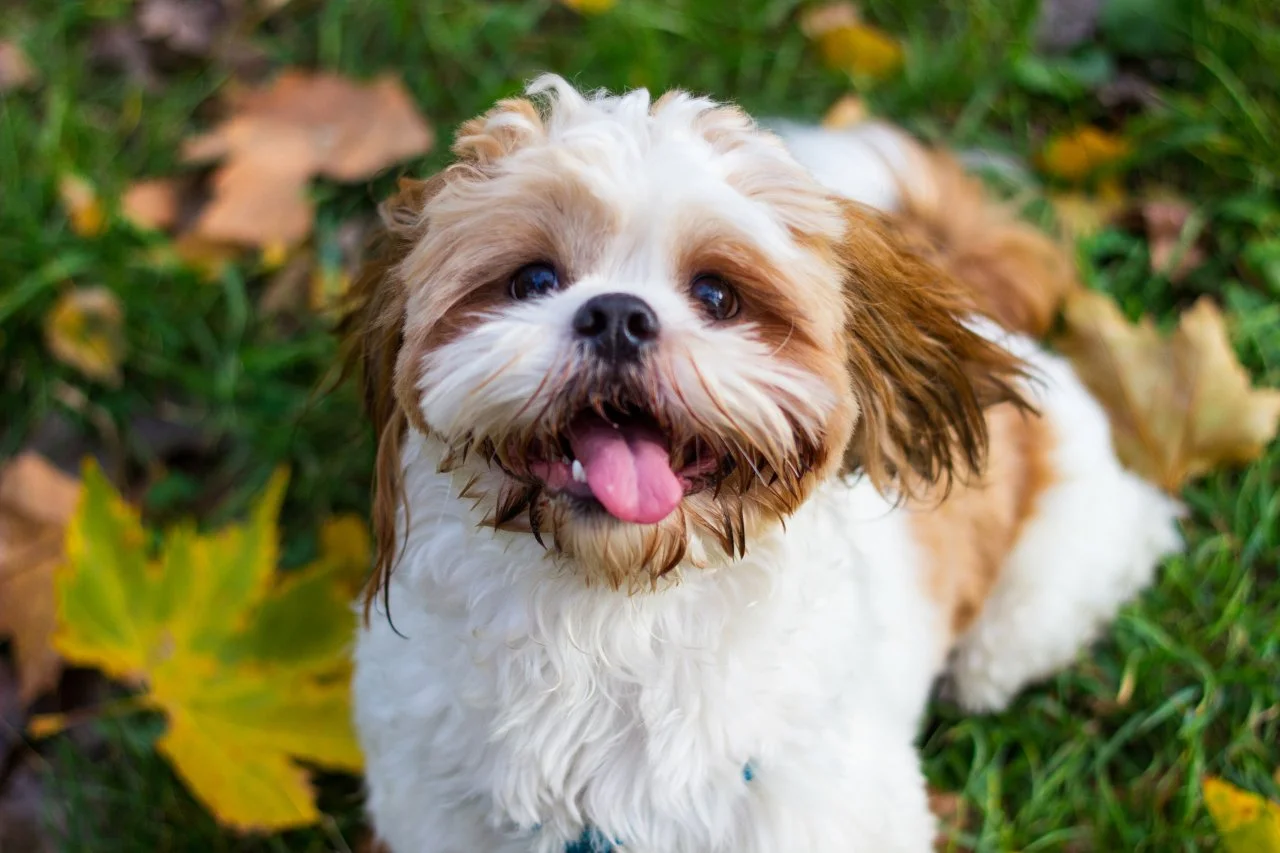
Many people worry about dog allergies. Some small breeds shed less and cause fewer reactions. Breeds like Poodles and Bichon Frises are good options. Always spend time with a dog before deciding. This helps check if allergies will be a problem.
Credit: www.hgtv.com
Frequently Asked Questions
What Are The Best Low Maintenance Small Dog Breeds?
The best low maintenance small dog breeds include French Bulldogs, Chihuahuas, and Pugs. They require minimal grooming and moderate exercise, making them ideal for busy owners or apartment living.
How Often Should I Groom A Low Maintenance Small Dog?
Low maintenance small dogs typically need grooming every 4 to 6 weeks. Regular brushing helps reduce shedding and keeps their coat healthy without extensive care.
Are Low Maintenance Small Dogs Good For Apartment Living?
Yes, low maintenance small dogs adapt well to apartments. Their small size and moderate exercise needs make them perfect for limited spaces and busy lifestyles.
Do Low Maintenance Small Dogs Require Special Diets?
No, low maintenance small dogs usually do not need special diets. A balanced, high-quality dog food suitable for their size and age is sufficient for their health.
Conclusion
Small dogs with low care needs fit many homes well. They stay happy with little grooming or exercise. These breeds save time and reduce stress. Great for busy people or small spaces. Choose a dog that matches your lifestyle. Enjoy the loyal company without heavy work.
Small dogs can bring big joy every day. Easy care means more play and less fuss. Find your perfect small friend and start enjoying life.