Are you tired of dealing with pet hair all over your clothes and furniture? If you love dogs but hate the constant shedding, you’re not alone.
Finding small dogs that don’t shed much can make a huge difference in your daily life. Imagine having a furry friend who stays by your side without leaving a trail of hair everywhere. You’ll discover the best small dog breeds that keep shedding to a minimum.
Keep reading to find the perfect low-shedding companion for your home and lifestyle.
Credit: www.akc.org
Best Small Non-shedding Breeds
Small dogs that do not shed are perfect for many homes. These breeds keep your space cleaner. They also cause less trouble for people with allergies. Small size means they fit well in apartments or small houses. These dogs bring joy without extra mess.
Bichon Frise
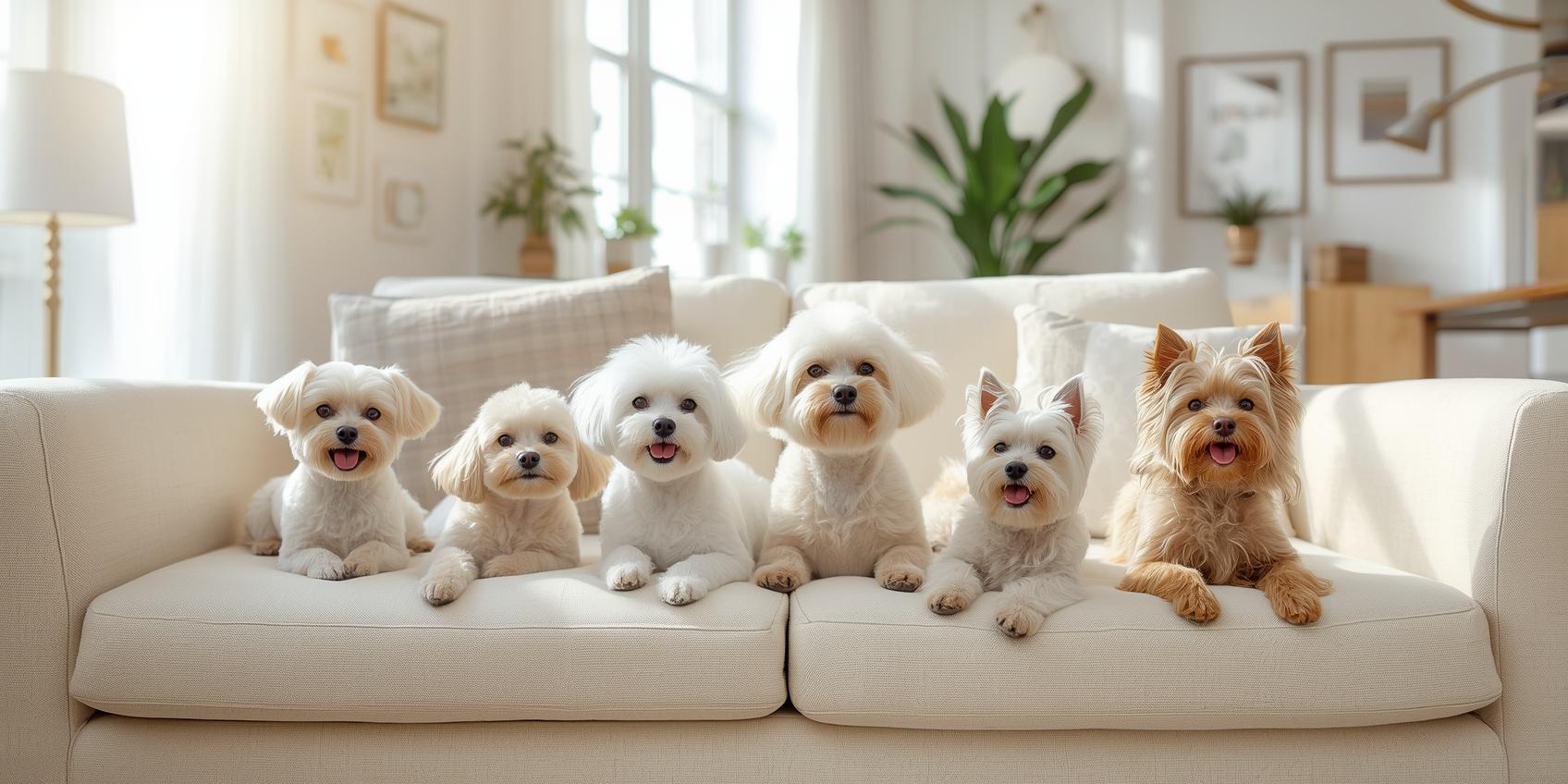
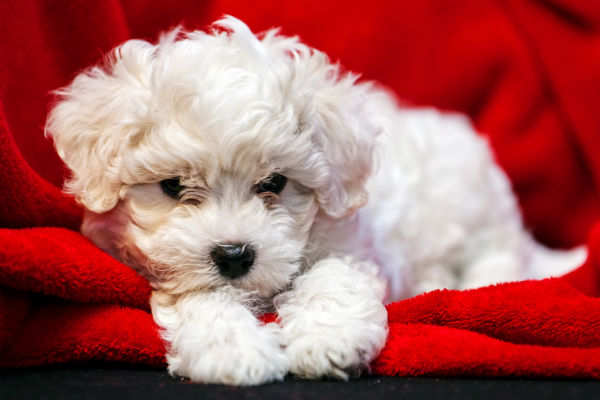
The Bichon Frise has soft, curly fur that traps loose hair. This breed rarely sheds, making it great for clean homes. It is friendly and loves to play. Bichons enjoy being around people and other pets. They need regular grooming to stay healthy.
Maltese
The Maltese has long, silky hair that sheds very little. This small dog is gentle and affectionate. It adapts well to indoor life. Maltese dogs like quiet environments and soft beds. They require careful grooming to avoid tangles.
Toy Poodle
Toy Poodles have tight curly coats that keep hair in. They shed almost nothing. These dogs are smart and easy to train. They enjoy activities and mental challenges. Regular grooming is important to keep their coat clean.
Shih Tzu
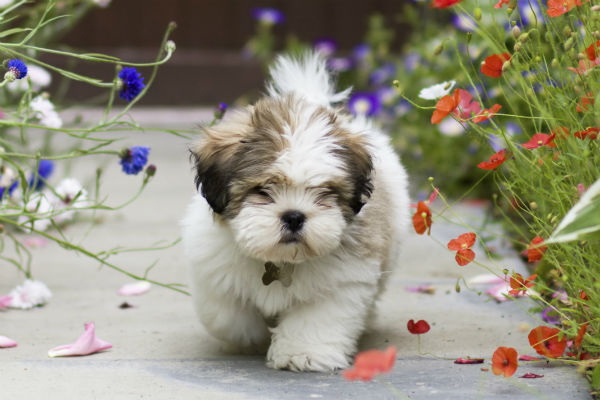
Shih Tzus have dense, long hair that sheds very little. This breed is calm and loving. They like to be close to their owners. Shih Tzus need daily brushing to prevent mats. Their friendly nature makes them great companions.
Yorkshire Terrier
Yorkshire Terriers have fine, silky hair that sheds minimally. They are lively and brave despite their size. Yorkies enjoy short walks and playtime. Regular grooming keeps their coat shiny and neat. They bond strongly with their families.
Benefits Of Non-shedding Small Dogs
Small dogs that do not shed offer many advantages. They are perfect for people who want a pet without the mess. These dogs keep homes cleaner and reduce allergy problems. Their size makes them ideal for many living spaces. Choosing a non-shedding small dog brings comfort and convenience.
Allergy-friendly Pets
Non-shedding dogs produce fewer allergens. This helps people with allergies feel better around pets. They do not spread fur all over the house. Breeds like the Maltese or Shih Tzu cause fewer allergy issues. These dogs allow more people to enjoy pet companionship.
Easier Home Maintenance
Homes stay cleaner with dogs that do not shed. Less fur means less cleaning on floors and furniture. Vacuuming and dusting become quicker and easier tasks. These dogs save time and effort in daily chores. They keep living spaces neat without extra work.
Suitable For Apartment Living
Small, non-shedding dogs fit well in apartments. Their size suits limited space perfectly. They do not leave fur on small furniture or carpets. These dogs adapt well to indoor life. They make apartment living more enjoyable and tidy.
Grooming Needs For Small Non-shedding Dogs
Small non-shedding dogs need special grooming to stay healthy and clean. Their coats do not drop much hair, but they still need care. Proper grooming keeps their skin healthy and fur soft. It also helps avoid mats and tangles. Regular attention to grooming makes these dogs happy and neat.
Regular Brushing Techniques
Brush your small dog’s coat at least two to three times a week. Use a soft-bristle brush or a comb made for small dogs. Brush gently to remove dirt and loose hair. Pay close attention to areas behind ears and under legs. Brushing prevents mats and spreads natural oils. This keeps the coat shiny and smooth.
Professional Grooming Frequency
Visit a professional groomer every 6 to 8 weeks. Groomers trim the coat to keep it tidy and comfortable. They also check for skin problems or parasites. Grooming sessions may include nail clipping and ear cleaning. Regular professional care helps keep your dog healthy and neat.
Bathing And Coat Care
Bath your small dog every 4 to 6 weeks. Use gentle shampoo made for dogs to avoid skin dryness. Rinse well to remove all soap residue. Dry the coat completely to prevent skin irritation. Regular baths keep your dog fresh and reduce odors. Clean skin supports a soft, healthy coat.
Health Considerations
Small dogs that do not shed are great for many homes. Caring for their health is very important. These dogs have some special health needs. Understanding these needs helps keep them happy and strong. Good care starts with knowing common health problems. Diet and exercise play a big role too. Preventive care helps avoid illness and injury. Let’s explore these key health considerations.
Common Health Issues
Small, non-shedding dogs may face certain health problems. Dental issues are common because of their small mouths. They may develop tooth decay or gum disease. Some breeds have breathing problems due to short noses. Joint problems like patellar luxation affect many small dogs. Allergies can cause skin irritation and itching. Watch for signs like coughing, limping, or scratching. Early visits to the vet help catch problems soon.
Diet And Exercise Tips
Feeding a balanced diet keeps small dogs healthy. Choose food made for small breeds. Avoid overfeeding to prevent obesity. Obesity causes joint and heart problems. Exercise is needed but should be gentle. Short walks and playtime suit small dogs well. Regular activity helps keep their weight in check. It also improves mood and energy. Adjust exercise based on your dog’s age and health.
Preventive Care
Preventive care protects your dog from many illnesses. Vaccinations are crucial to prevent diseases. Regular vet check-ups detect health issues early. Dental cleanings keep teeth and gums healthy. Parasite control stops fleas, ticks, and worms. Grooming supports skin health and comfort. Trim nails to avoid pain or injury. Preventive steps save money and stress in the long run.
Choosing The Right Small Dog
Choosing the right small dog requires careful thought. These pets become part of your daily life. Their size fits well in small homes or apartments. Small dogs that don’t shed can be perfect for people with allergies or those who dislike cleaning fur. Picking a dog that suits your lifestyle and personality helps create a happy home for both of you.
Lifestyle Compatibility
Think about your daily routine. Some small dogs need lots of exercise and playtime. Others enjoy relaxing and short walks. Choose a dog that matches your activity level. If you travel often, pick a dog that adapts well to new places. Small dogs that don’t shed often need grooming, so consider your time for care. Matching your lifestyle with the dog’s needs helps keep stress low.
Temperament And Personality
Small dogs have many different temperaments. Some are lively and love attention. Others may be calm and shy. Decide what personality fits your home best. If you have children, a friendly and patient dog is ideal. For quiet homes, a calm dog might suit better. Temperament affects how your dog interacts with family and guests. Learning about each breed’s traits helps you choose the right fit.
Adoption Vs. Breeder Options
Adopting a dog saves a life and gives a home to a pet in need. Shelters often have small dogs that don’t shed. Adoption fees are usually lower than buying from breeders. Breeders can offer puppies with known health history and traits. Choose a responsible breeder who cares about the dog’s well-being. Both options have benefits. Think about what works best for you and the dog’s future.
Credit: www.akc.org

Credit: www.countryliving.com
Frequently Asked Questions
Which Small Dog Breeds Are Best For Allergy Sufferers?
Breeds like the Maltese, Bichon Frise, and Yorkshire Terrier shed very little. They produce fewer allergens, making them ideal for allergy sufferers. Regular grooming helps minimize dander. These small dogs are great companions for people seeking low-shedding pets with friendly temperaments.
How Often Do Small Non-shedding Dogs Need Grooming?
Small non-shedding dogs require grooming every 4 to 6 weeks. Regular brushing prevents matting and controls loose hair. Professional grooming keeps their coat healthy and clean. Consistent care reduces allergens and maintains their signature low-shedding coat quality.
Are Small Non-shedding Dogs Hypoallergenic?
Many small non-shedding breeds are considered hypoallergenic because they shed less dander. However, no dog is completely allergen-free. People with allergies should spend time with the dog before adopting. This helps ensure compatibility and reduces allergy risks effectively.
What Are The Benefits Of Owning A Small Non-shedding Dog?
Small non-shedding dogs offer cleaner homes with less hair everywhere. They reduce allergy symptoms for sensitive individuals. These dogs are easier to maintain and ideal for apartment living. Plus, their friendly nature makes them excellent family pets and companions.
Conclusion
Small dogs that don’t shed make great pets for many people. They keep your home cleaner and need less grooming. These breeds suit people with allergies or busy lives. Choosing the right dog means thinking about size, care, and personality.
Small dogs bring joy without extra mess. Enjoy their company and easy care every day. A furry friend can fit any home and heart.