

If you’re a dog owner, you want to give your furry friend healthy treats that make them happy and strong. But did you know what fruits can dogs eat and can be great for your dog, while others might actually harm them?
It’s confusing to know which fruits are safe and which ones to avoid. You’ll discover the best fruits your dog can enjoy and the ones you should never let them eat. Knowing this can keep your pet safe and boost their health.
Keep reading to find out exactly what fruits belong in your dog’s bowl—and which ones don’t.
Safe Fruits For Dogs
Fruits can be a healthy treat for dogs. They offer vitamins, fiber, and water. Choosing safe fruits helps keep dogs happy and well. Some fruits provide special benefits. Others might cause harm. Knowing which fruits are safe is very important.
Apples And Their Benefits
Apples are a great snack for dogs. They contain vitamins A and C. These vitamins support the dog’s immune system. Apples also provide fiber for digestion. Always remove the seeds and core before feeding. Apple slices make a crunchy, tasty treat.
Blueberries As Antioxidants
Blueberries are small but powerful. They are full of antioxidants that fight cell damage. These antioxidants help keep dogs healthy. Blueberries are low in calories too. Dogs enjoy their sweet, juicy taste. Serve fresh or frozen for a cool snack.
Bananas In Moderation
Bananas are rich in potassium and vitamins. They support heart and muscle function. Bananas are soft, easy to eat, and tasty. Too much banana can cause stomach upset. Give small pieces as a treat only. Moderation keeps dogs feeling good.
Watermelon Hydration
Watermelon is mostly water, great for hydration. It helps keep dogs cool on warm days. Remove seeds and rind before feeding. Watermelon has vitamins A, B6, and C. Its natural sweetness makes it a favorite snack.
Pumpkin For Digestion
Pumpkin is good for a dog’s digestion. It contains fiber that helps regulate bowel movements. Pumpkin can ease both diarrhea and constipation. Use plain, cooked pumpkin without spices. A small spoonful added to meals works well.
Credit: www.thesantegroup.org
Fruits To Avoid
Not all fruits are safe for dogs. Some can cause serious health problems. Knowing which fruits to avoid helps keep your dog healthy.
Many common fruits can harm dogs in different ways. Some fruits contain toxins, while others upset the stomach. Avoid these fruits to prevent risks and vet visits.
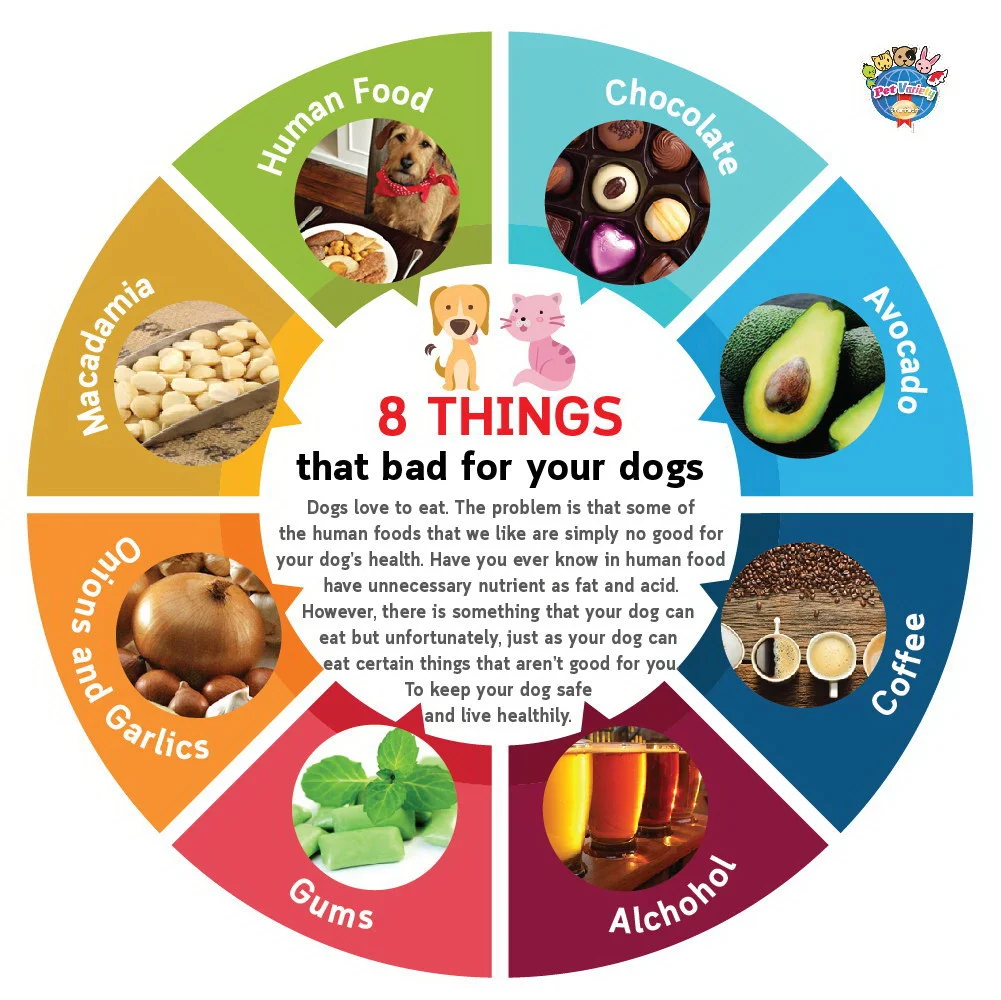
Grapes And Raisins Toxicity
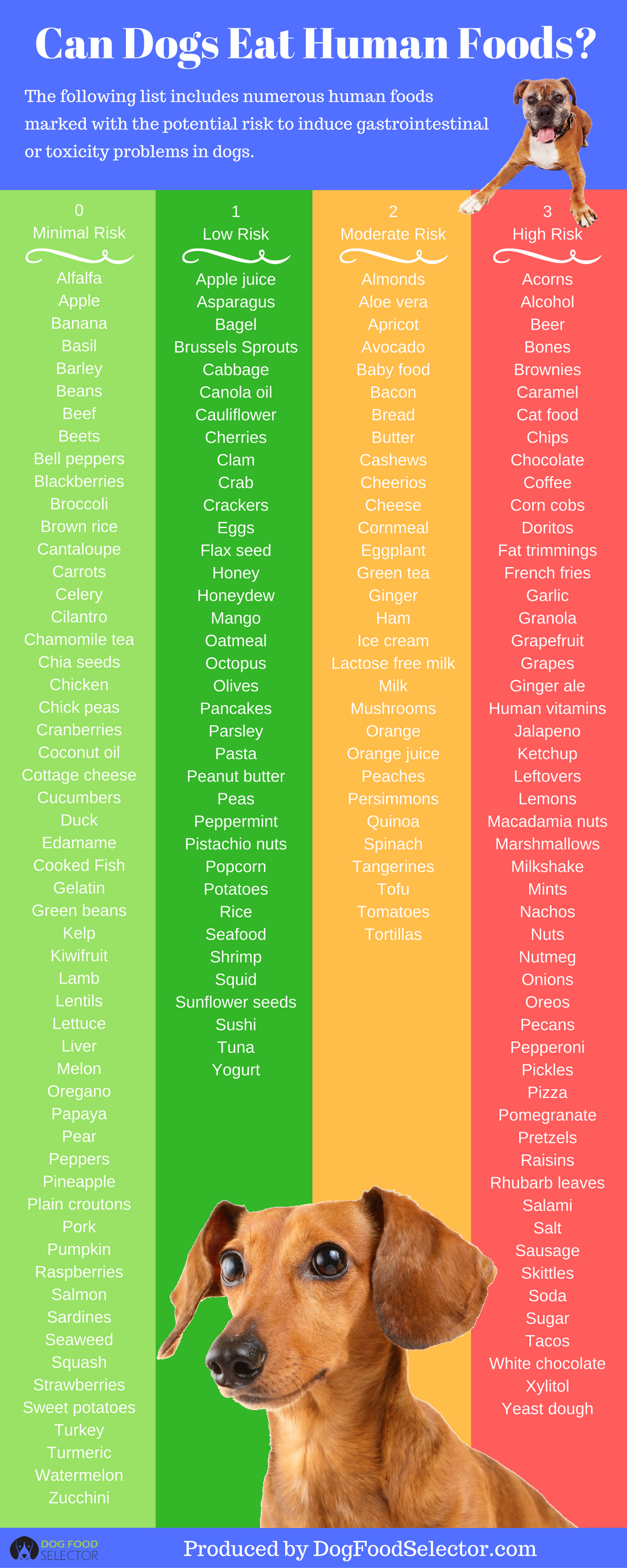
Grapes and raisins are very dangerous for dogs. They can cause kidney failure quickly. Even small amounts can make dogs very sick. Avoid giving grapes or raisins at all times.
Cherries And Cyanide Risk
Cherry pits contain cyanide, which is toxic to dogs. Swallowing pits can cause poisoning or choking. The fruit flesh is safer but remove all pits before feeding.
Avocado Dangers
Avocado contains a toxin called persin. Persin can cause vomiting and diarrhea in dogs. The pit is also a choking hazard. Keep avocados away from dogs.
Citrus Fruits And Upset Stomachs
Citrus fruits like oranges, lemons, and limes can upset your dog’s stomach. They cause irritation and digestive issues. Small amounts of orange flesh may be okay, but avoid peels.
Tomatoes And Green Parts
Ripe tomatoes are usually safe in small amounts. Green parts of tomato plants contain solanine, a poison for dogs. Avoid leaves, stems, and unripe tomatoes completely.
Feeding Tips For Fruits
Fruits can be a healthy snack for dogs when given the right way. They provide vitamins, fiber, and natural sweetness that dogs enjoy. Feeding fruits safely is important to avoid stomach problems or other health issues. Follow simple tips to keep your dog happy and healthy.
Portion Control
Keep fruit servings small. Too much fruit can cause diarrhea or upset stomach. A few small pieces are enough for a treat. Adjust the amount based on your dog’s size and weight. Treats should never replace a balanced diet.
Preparing Fruits Safely
Wash fruits thoroughly to remove dirt and pesticides. Remove seeds, pits, and cores before offering fruits. These parts can be toxic or cause choking. Cut fruits into bite-sized pieces to make eating easier. Avoid fruits with added sugar or syrup.
Signs Of Allergic Reactions
Watch for itching, swelling, or redness after eating fruits. Vomiting or diarrhea may also show allergies. If your dog shows these signs, stop feeding that fruit. Contact your vet for advice and treatment options.
Introducing New Fruits Slowly
Start with a small amount of a new fruit. Wait a few days to see how your dog reacts. Gradually increase the portion if no problems occur. This helps prevent stomach upset and identifies allergies early.
Credit: sinfoniagulfcoast.org
Nutritional Benefits Of Fruits
Fruits offer many health benefits for dogs in small amounts. They provide important nutrients that support overall well-being. Some fruits help boost the immune system and improve digestion. Others give dogs extra energy for play and exercise. Knowing the key benefits of fruits helps pick the best options for your dog’s diet.
Vitamins And Minerals
Fruits contain vitamins like A, C, and K. These vitamins help keep dogs’ skin, eyes, and bones healthy. Minerals such as potassium and magnesium support muscle function and heart health. Fresh fruits are natural sources of these nutrients. They help fill small gaps in a dog’s regular diet.
Fiber Content
Fiber in fruits helps dogs digest food better. It adds bulk to the stool and reduces constipation. Fiber also supports good gut bacteria. This keeps the digestive system balanced. Fruits like apples and pears have good fiber. They help maintain healthy bowel movements.
Natural Sugars And Energy
Fruits contain natural sugars that give dogs quick energy. These sugars are easier to digest than processed sugars. They provide a fast energy boost for active dogs. However, too much sugar can cause weight gain. Giving fruits in moderation keeps energy levels steady and safe.
:max_bytes(150000):strip_icc()/Surprising-Best-and-Worst-People-Foods-for-Dogs-According-to-a-Vet-7f85ee4f0f7c4ea88abe1c7144c3a406.jpg)
Credit: www.eatingwell.com
Frequently Asked Questions
What Fruits Are Safe For Dogs To Eat?
Dogs can safely eat apples, blueberries, bananas, and watermelon. These fruits provide vitamins and antioxidants. Always remove seeds and pits before feeding.
Which Fruits Are Toxic To Dogs?
Grapes, raisins, cherries, and avocados are toxic to dogs. They can cause kidney failure or digestive issues. Avoid feeding these fruits at all costs.
Can Dogs Eat Citrus Fruits Like Oranges?
Yes, dogs can eat small amounts of oranges. They are rich in vitamin C but too much can cause stomach upset. Remove seeds before offering.
How Should Fruits Be Prepared For Dogs?
Wash fruits thoroughly and remove seeds, pits, or rinds. Cut into small, bite-sized pieces to prevent choking and aid digestion.
Conclusion
Feeding fruits to dogs can be healthy and fun. Choose safe fruits like apples, blueberries, and bananas. Avoid toxic fruits such as grapes, cherries, and avocados. Always remove seeds and pits before giving fruits to your dog. Keep fruit portions small to prevent stomach problems.
Watch your dog’s reaction to new fruits carefully. Healthy treats help keep dogs happy and strong. Remember, fruits are only a part of a balanced diet. Consult your vet for any concerns about your dog’s food. Simple care makes a big difference in your dog’s health.