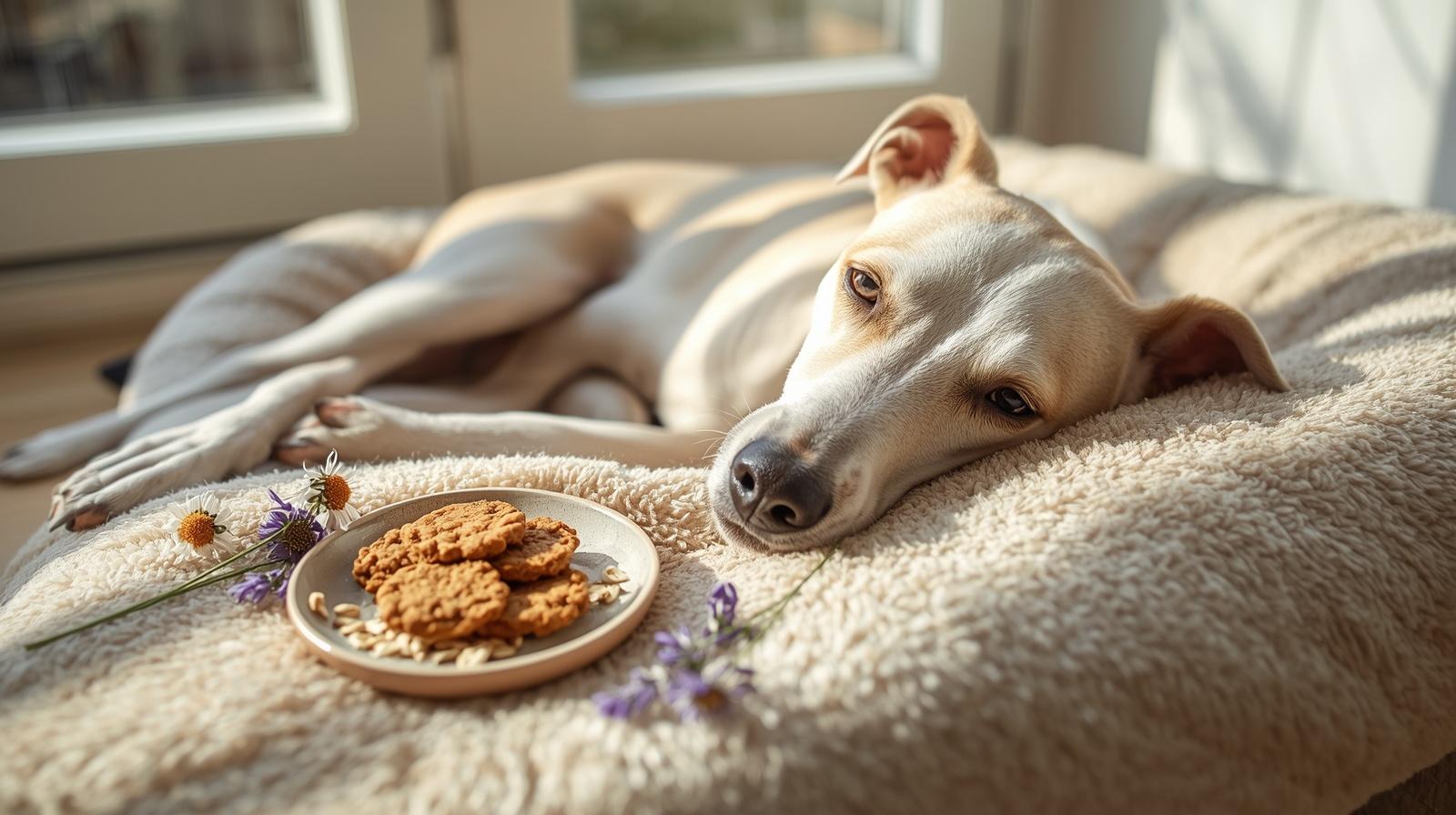
If your dog struggles with anxiety, you know how hard it is to see them stressed or scared. You want to help them feel calm and safe, but finding the right solution can be tricky.
That’s where calming dog treats for anxiety come in—they’re an easy and natural way to ease your pet’s worries. You’ll discover how these treats work, what ingredients really help, and how to choose the best ones for your furry friend. Keep reading to find out how you can bring peace and comfort to your dog’s life today.


Credit: www.amazon.com
Causes Of Anxiety In Dogs
Anxiety in dogs can stem from many different causes. Understanding these causes helps pet owners provide the right care. Dogs, like people, feel stress from their surroundings. This stress can trigger anxious behaviors that affect their health and happiness.
Some dogs develop anxiety due to changes in their environment or routine. Others might feel scared of loud noises or new places. Genetics can also play a role, making some dogs more prone to anxiety than others.
Common Triggers
Loud noises such as thunder or fireworks often scare dogs. New environments or travel can make dogs feel uneasy. Separation from their owners is a big cause of anxiety. Changes in routine or new people around can also trigger stress. Some dogs fear other animals or busy places. Past trauma or neglect may cause deep anxiety in some dogs.
Behavioral Signs
Anxious dogs may bark or whine more than usual. Pacing, trembling, or hiding are common signs. Some dogs chew furniture or scratch doors. Loss of appetite can show anxiety. Excessive licking or drooling may occur. Restlessness and avoiding eye contact are typical behaviors. Recognizing these signs early helps manage anxiety better.
Ingredients That Soothe Dogs
Calming dog treats contain special ingredients that help reduce anxiety. These ingredients work gently to relax dogs without harmful effects. Natural components support a dog’s mood and calm their nerves. Understanding these ingredients helps pet owners choose the right treats.
Herbal Additives
Herbs like chamomile and valerian root are common in calming treats. Chamomile soothes the stomach and promotes relaxation. Valerian root helps reduce stress and nervousness. Lavender is another herb that calms dogs with its mild scent. These herbs have been used for centuries for their calming effects.
Nutritional Supplements
Supplements like L-theanine and tryptophan support brain health. L-theanine comes from green tea and helps reduce anxiety. Tryptophan is an amino acid that boosts serotonin, the happy hormone. Omega-3 fatty acids also help by reducing inflammation and calming the brain. These nutrients improve mood and promote calm behavior in dogs.
Types Of Calming Treats
Calming dog treats come in various forms to suit different needs and preferences. Each type offers a unique way to help reduce anxiety in dogs. Understanding these types helps pet owners choose the best option for their furry friends.
Chewables And Biscuits
Chewables and biscuits are firm treats that dogs enjoy chewing. They provide a calming effect through natural ingredients like chamomile and valerian root. These treats also help distract dogs from anxiety by giving them something to chew. Chewables support dental health while soothing nerves.
Soft Chews And Pastes
Soft chews and pastes are easier to eat, especially for older dogs or those with dental issues. They contain calming herbs and supplements like L-theanine and CBD. These treats absorb quickly, offering faster relief from stress. Soft textures make dosing simple and enjoyable for dogs.

Credit: www.holistapet.com
Choosing Safe Treats
Choosing safe calming dog treats is very important for your pet’s health. Not all treats are made with good ingredients. Some treats may contain harmful substances that can make anxiety worse. Pay close attention to what you buy. Safe treats help your dog feel calm without causing side effects.
Check the treat’s quality and ingredients carefully. This helps you avoid risks and keep your dog safe. Learn how to read labels and spot harmful components. This knowledge helps you pick the best treats for your dog’s anxiety.
Reading Labels
Labels show what is inside the treat. Look for simple and natural ingredients. Avoid treats with many chemicals or artificial colors. Check for calming ingredients like chamomile or valerian root. These can help reduce anxiety safely. Watch the amount of protein and fat. Good balance keeps your dog healthy and calm.
Avoiding Harmful Components
Some ingredients harm your dog’s health. Avoid treats with artificial preservatives like BHA or BHT. These can cause allergies or stomach problems. Steer clear of added sugars and salt. These worsen health and behavior. Avoid fillers like corn, wheat, and soy. These can trigger allergies and upset digestion. Always choose treats made for dogs, not human snacks.
Homemade Vs. Store-bought
Choosing between homemade and store-bought calming dog treats can be tricky. Each option has its own strengths. Knowing these can help you pick what fits your dog’s needs best. Both aim to ease anxiety but differ in ingredients and preparation.
Benefits Of Homemade Treats
Homemade treats let you control every ingredient. You can avoid fillers and additives that may upset your dog. Using fresh, natural ingredients often means better taste and nutrition. You can tailor recipes to your dog’s allergies or preferences. Making treats at home can be a fun activity. Plus, it ensures your dog gets calming ingredients like chamomile or CBD in safe amounts.
Convenience Of Commercial Options
Store-bought treats save time and effort. They come ready to serve, perfect for busy days. Many products have been tested for safety and consistency. Labels often show the exact calming ingredients and doses. Commercial treats are easy to carry on walks or trips. They last longer than homemade ones, reducing waste. Buying from trusted brands gives peace of mind about quality.
Integrating Treats Into Training
Integrating calming dog treats into training helps reduce anxiety and builds trust. These treats support good behavior during stressful moments. Trainers can encourage calmness while teaching commands. Combining treats with training creates a positive learning space for dogs.
Positive Reinforcement Techniques
Use calming treats as rewards for calm behavior. Praise your dog with a soft voice and gentle petting. Reward only when your dog shows relaxed signs. This teaches dogs to associate calmness with treats. Repeat often to strengthen good habits.
Timing And Dosage
Give treats at the right moment for best effect. Offer treats immediately after calm behavior starts. Avoid giving too many treats at once. Follow package instructions for safe daily dosage. Proper timing and amount keep your dog safe and relaxed.
Other Anxiety-relief Methods
Calming dog treats help reduce anxiety, but other methods also work well. Combining different approaches can ease your dog’s stress better. Small changes in your dog’s life make a big difference. Let’s explore some simple ways to help your pet feel calm and safe.
Environmental Adjustments
Creating a quiet, safe space helps dogs feel secure. Use soft bedding and keep the area clean. Dim the lights and reduce loud noises. A cozy corner with familiar toys soothes nervous dogs. Sometimes, a calming scent like lavender can help. Avoid sudden changes in the home to keep stress low. Consistency in surroundings gives dogs peace of mind.
Exercise And Play
Daily exercise burns off nervous energy in dogs. Walks, runs, or playtime reduce anxiety symptoms. Playing with toys or other dogs lifts their mood. Simple games like fetch or tug build confidence. Exercise also improves sleep and behavior. Active dogs often feel happier and calmer. Make playtime a fun routine every day.
When To Consult A Vet
Calming dog treats can help ease mild anxiety in pets. Sometimes, anxiety is more serious. It needs expert care beyond treats. Knowing when to consult a vet protects your dog’s health and comfort. Understanding signs and treatment options helps you act fast and wisely.
Recognizing Severe Anxiety
Severe anxiety shows clear signs. Your dog may shake, drool, or hide a lot. They might bark nonstop or try to escape. Loss of appetite and restlessness are common. These signs last for days or weeks. Treats alone may not calm your dog.
Watch for changes in behavior. Aggression or destruction can also mean deep stress. Sudden fears or panic attacks need attention. Severe anxiety can harm your dog’s body and mind. A vet can check and diagnose the problem.
Medication And Therapy Options
Vets offer treatments beyond calming treats. Medicine can balance brain chemicals. It helps reduce panic and fear. Therapy, like behavior training, teaches coping skills. Combining medicine and therapy works best for many dogs.
Vets choose safe, tested medicines for your dog. They monitor progress and adjust doses. Therapy sessions guide owners on how to help. These treatments improve quality of life. They support long-term anxiety control.

Credit: www.amazon.com
Frequently Asked Questions
What Ingredients Calm Dogs In Anxiety Treats?
Calming dog treats often include chamomile, valerian root, L-theanine, and CBD oil. These ingredients help reduce stress and promote relaxation naturally. They support a dog’s nervous system without causing drowsiness or side effects. Always check for safe and vet-approved ingredients.
How Do Calming Treats Reduce Dog Anxiety?
Calming treats work by releasing natural compounds that soothe the nervous system. They help lower cortisol levels, easing stress and fear. Treats also provide a distraction and comfort during anxiety triggers like storms or separation. Consistent use can improve overall emotional balance.
Are Calming Dog Treats Safe For All Breeds?
Most calming treats are safe for all dog breeds when used as directed. However, dosage may vary by size and health condition. Always consult your vet before introducing new treats, especially if your dog has allergies or medical issues. Quality and ingredient transparency matter.
How Long Do Calming Treats Take To Work?
Calming treats typically start working within 30 minutes to an hour. Effects vary based on the dog’s metabolism and anxiety level. For best results, give treats before anxiety-inducing situations. Regular use can help maintain a calmer demeanor over time.
Conclusion
Calming dog treats can help reduce your pet’s anxiety. They offer a simple way to support your dog’s mood. Always choose treats with safe, natural ingredients. Watch your dog’s behavior closely after giving treats. Combine treats with love, care, and a calm environment.
Small steps lead to a happier, relaxed dog. Treats are just one part of a full plan. Your dog deserves comfort and peace every day. Keep your dog’s health and happiness as a priority. Calm moments with your dog bring joy to both.