
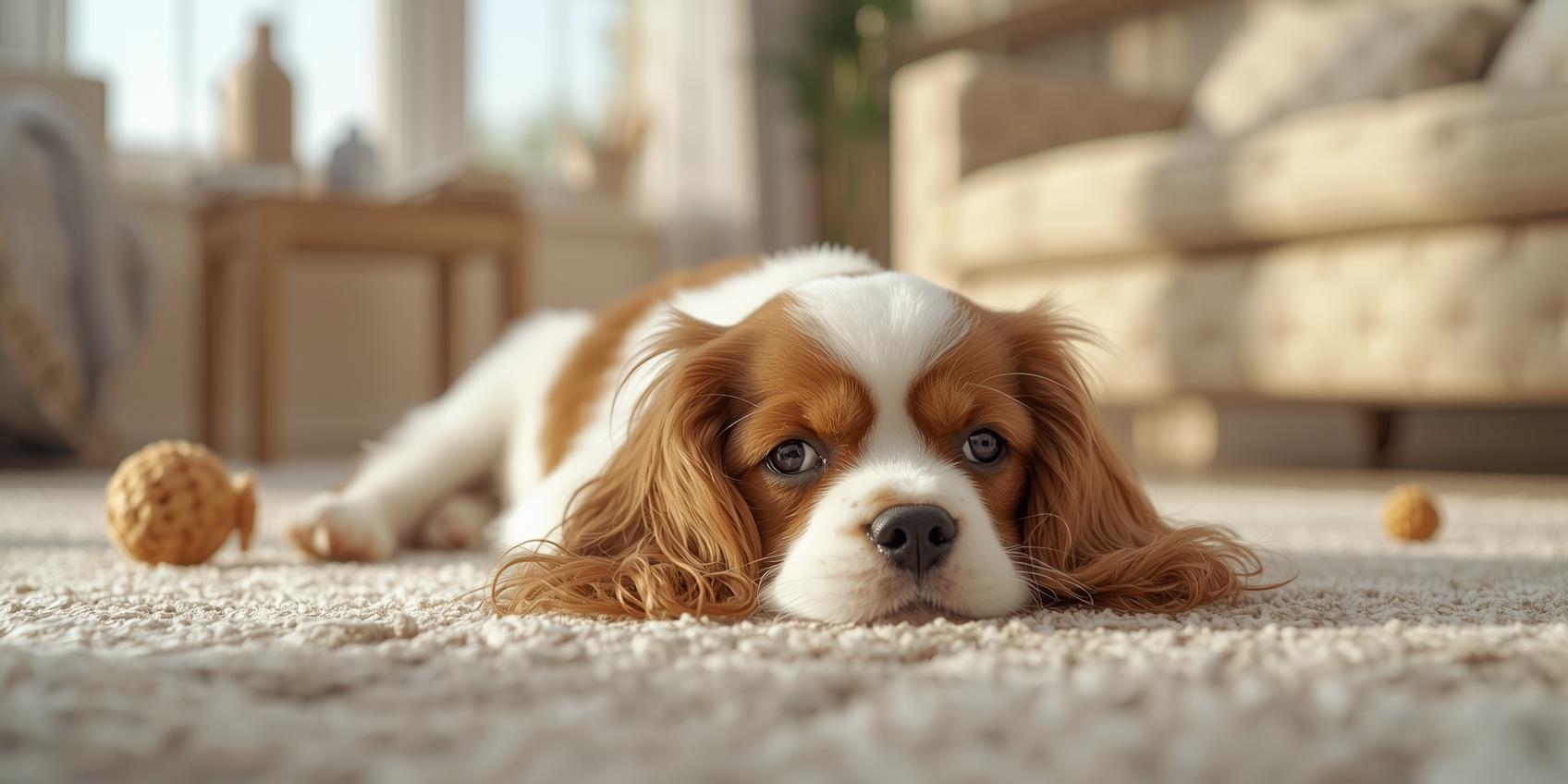
If you’ve just brought home a Cavalier puppy, you might be wondering, “When will my little ball of energy finally calm down?” It’s natural to want those sweet, peaceful moments where your puppy relaxes and snuggles instead of bouncing around nonstop. Understanding when and why your Cavalier starts to settle can help you enjoy every stage of their growth without feeling overwhelmed. (When Do Cavalier Puppies Calm Down)
You’ll discover the key signs to watch for, what influences their energy levels, and practical tips to help your puppy find calm faster. Keep reading to learn how to make your life—and your puppy’s—more peaceful and joyful.
Puppy Energy Levels
Puppy energy levels can surprise new dog owners. Cavalier puppies are lively and playful. They often run, jump, and explore everything around them. This high energy is normal. It helps them learn and grow strong.
Understanding when Cavalier puppies calm down is important. Knowing their energy patterns helps in training and care. Each puppy has its own pace, but some trends are common.
Typical Behavior Patterns
Cavalier puppies are very active in the first few months. They have short bursts of energy, followed by long naps. This cycle repeats many times a day. Playtime includes chasing toys, chewing, and running around.
They also show curiosity and want to explore new things. This can lead to mischief if not watched closely. Around six months, some puppies start to calm down a bit. Their play sessions become shorter and less intense.
Growth Milestones
At three months, a Cavalier puppy is full of energy but still needs lots of sleep. By six months, they begin to develop better control over their energy. Their muscles grow stronger, and they become more coordinated.
Between six to twelve months, energy levels slowly decrease. They still enjoy play but also relax more often. After one year, many Cavaliers show a calmer demeanor. Energy remains, but it is more balanced and easier to manage.
Factors Affecting Calmness
Cavalier puppies are lively and full of energy. Their calmness depends on many factors. Understanding these helps in raising a happy dog.
Breed Traits
Cavaliers are naturally friendly and playful. They have a gentle nature but stay active as puppies. Their breed traits mean they need time to settle down. Calmness grows with age, often after one year.
Environment Influence
A calm home helps puppies relax. Loud noises or lots of visitors can make them excited. A quiet, safe space reduces stress and hyperactivity. Consistent routines make puppies feel secure and calm.
Exercise Needs
Puppies need daily play and walks. Exercise uses up their extra energy. Without enough activity, they become restless or noisy. Proper exercise helps them rest better and calm down faster.
Signs Puppy Is Calming Down
Watching your Cavalier puppy grow calmer is a rewarding experience. It means they are learning and adjusting to their new life. Recognizing the signs of calming helps you understand your puppy’s needs better. These changes show that your puppy is becoming more relaxed and comfortable.
Behavioral Changes
Your puppy will start to act less hyper and more gentle. They may stop biting or jumping as much. Instead, they might enjoy sitting near you quietly. The constant need to explore everything will slow down. They begin listening better and following simple commands. This shift shows they trust their environment and you.
Sleep Patterns
A calming puppy will sleep longer and more deeply. They will take fewer, shorter naps during the day. Nighttime sleep becomes more consistent without many interruptions. This rest helps their brain and body grow healthy. Better sleep means your puppy feels safe and calm.

Credit: www.cassiescavaliers.com
Tips To Encourage Calm Behavior
Cavalier puppies are full of energy and excitement. Helping them become calm takes patience and smart methods. Calm behavior does not happen overnight. It grows with good habits and practice.
Using clear strategies can guide your puppy to relax more. These tips help your dog feel safe and focused. Your puppy learns what to expect and how to behave in different situations.
Training Techniques
Start training with simple commands like “sit” and “stay.” Use gentle, consistent rewards to encourage good behavior. Avoid yelling or harsh punishments. Teach your puppy to settle on cue with words like “calm” or “quiet.” Practice short sessions daily to build understanding.
Routine Establishment
Create a daily schedule for feeding, play, and rest times. Puppies feel safer with a predictable routine. Regular walks help release energy and reduce anxiety. Set fixed nap times to prevent overexcitement. A calm environment supports peaceful behavior.
Mental Stimulation
Provide toys that challenge your puppy’s mind. Puzzle feeders and treat-dispensing toys work well. Training games keep your puppy focused and tired. Rotate toys to keep interest high. Mental work reduces boredom and helps calm restless puppies.
When To Seek Professional Help
Knowing when to seek professional help for your Cavalier puppy is very important. Puppies often have high energy and playful behavior. Most calm down as they grow. But some signs mean you should get advice from a vet or trainer. Early help can make a big difference in your puppy’s life.
Professionals can guide you on behavior and health issues. They provide support and solutions. This helps your puppy become a happy and well-behaved dog. Watch closely for signs that need expert care.
Behavioral Concerns
Puppies may show anxiety, aggression, or constant barking. These behaviors might not improve with normal training. If your puppy bites hard or has trouble socializing, seek help. Excessive fear or nervousness also needs attention. Trainers can teach you methods to calm your puppy. Early work on behavior prevents problems later.
Health Issues
Some health problems cause restlessness or unusual behavior. Lack of appetite, vomiting, or diarrhea need a vet visit. Limping or trouble moving is a sign to act fast. If your puppy seems tired all the time, check with a doctor. Regular vet checkups catch hidden health issues early. Good health supports calm and happy behavior.

Credit: www.petmd.com
Credit: cavaliergifts.com
Frequently Asked Questions
When Do Cavalier Puppies Start To Calm Down?
Cavalier puppies usually begin to calm down around 6 to 12 months. Their energy gradually decreases as they mature. Early training and socialization help manage their playful nature effectively.
How Long Do Cavalier Puppies Stay Hyperactive?
Cavalier puppies often stay hyperactive for the first 6 to 12 months. Their energy levels naturally decline with age. Consistent exercise and mental stimulation reduce hyperactivity sooner.
What Factors Influence A Cavalier Puppy’s Calming Time?
Genetics, training, exercise, and socialization affect when Cavaliers calm down. Proper care and routine help them mature emotionally and physically faster. Each puppy’s calming time can vary based on these factors.
Can Training Speed Up A Cavalier Puppy’s Calming?
Yes, consistent training and positive reinforcement can help Cavalier puppies calm faster. Teaching boundaries and providing mental challenges reduce hyperactive behavior. Early training promotes better behavior long-term.
Conclusion
Cavalier puppies usually calm down between six months and one year. Their energy drops as they grow older. Patience and gentle training help them settle faster. Each puppy is different, so watch their behavior closely. Playtime and exercise keep them happy and tired.
Remember, calmness comes with time and care. Enjoy the lively puppy days—they don’t last long. Soon, your Cavalier will be a calm, loving companion. Keep loving and guiding your puppy every day.


