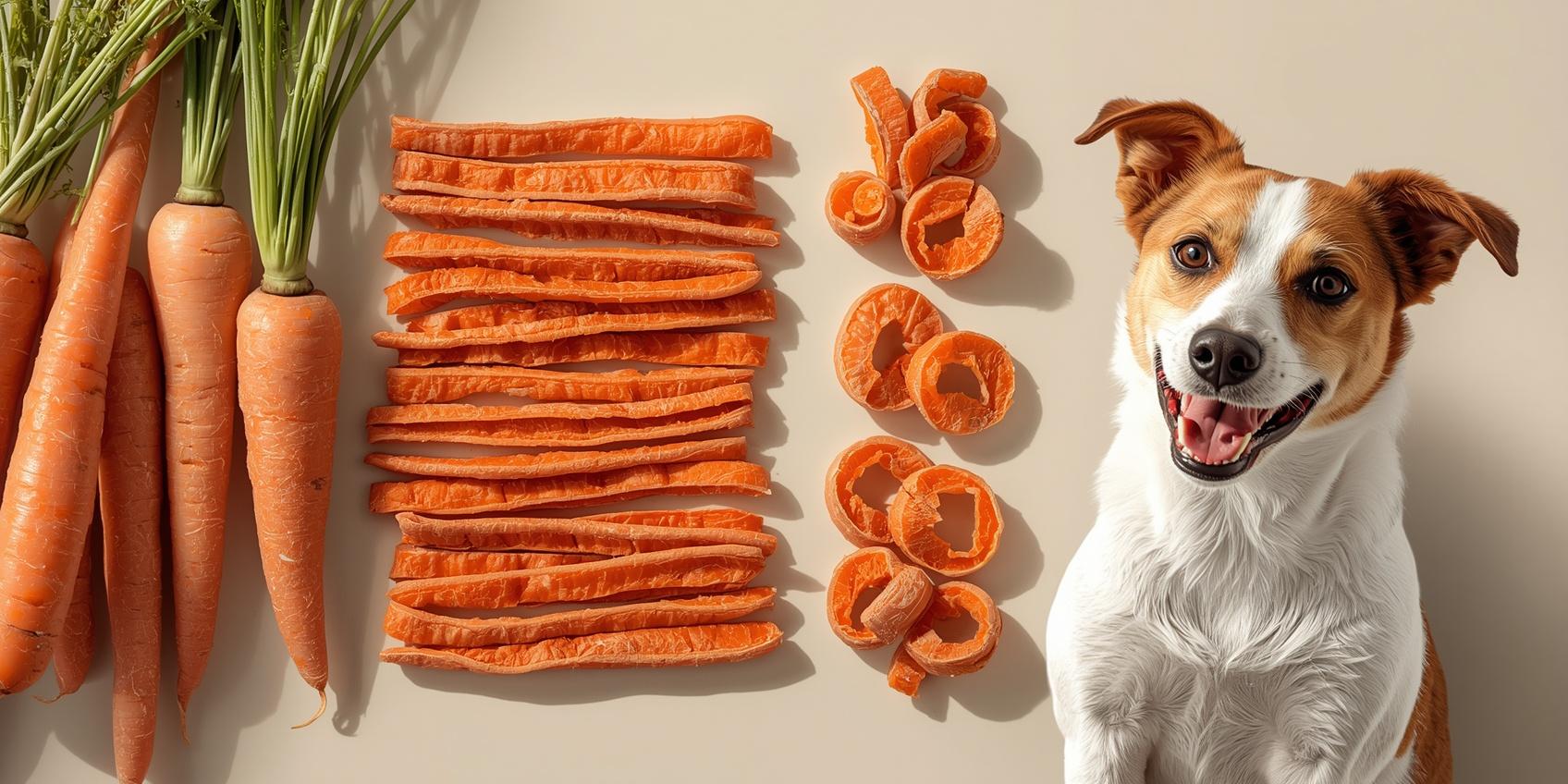
Are you looking for a healthy snack that your dog will love? Dehydrated carrots for dogs might be just what you need.
These crunchy treats are packed with nutrients and easy to store. Plus, they can help keep your furry friend happy and healthy. Keep reading to discover why dehydrated carrots could become your dog’s new favorite snack—and how you can make or buy them safely.
Your pup will thank you!
Benefits Of Dehydrated Carrots
Dehydrated carrots offer many benefits for dogs. They are a healthy snack that dogs enjoy. These carrots keep their nutrients while being easy to chew. They support your dog’s health in several ways.
Nutritional Value
Dehydrated carrots keep most vitamins and minerals. They are rich in vitamin A, which helps eyesight. Carrots also provide fiber for good digestion. Your dog gets nutrients without extra fillers or chemicals.
Dental Health Support
Chewing dehydrated carrots helps clean teeth naturally. The crunchy texture reduces plaque and tartar buildup. This supports healthier gums and fresher breath. A simple treat that helps keep teeth strong.
Low-calorie Treats
Dehydrated carrots have few calories. They are perfect for dogs that need to stay slim. You can give many without worrying about weight gain. A tasty snack that fits well in a balanced diet.
Credit: cosori.com
How To Dehydrate Carrots
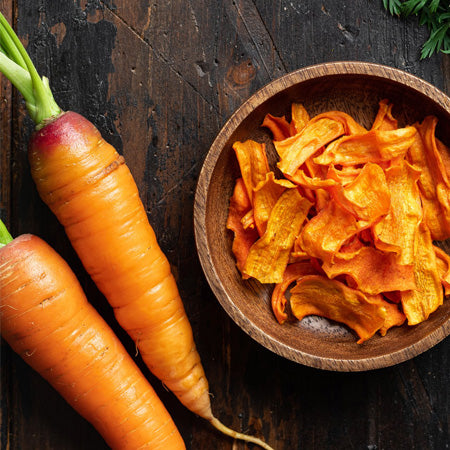
Dehydrating carrots is a simple way to make healthy dog treats. It keeps carrots fresh for a long time. Drying carrots also makes them crunchy and tasty for dogs. The process is easy and needs few tools. Follow these steps to prepare and dry carrots safely at home.
Preparation Steps
Start by washing carrots thoroughly. Remove dirt and any stickers. Peel the carrots with a vegetable peeler. Slice carrots into thin, even pieces. Thin slices dry faster and more evenly. Pat slices dry with a clean towel. This removes extra moisture for better drying.
Dehydration Methods
Use a food dehydrator for best results. Arrange carrot slices in one layer on trays. Set dehydrator to 125°F (52°C). Dry for 6 to 12 hours. Check slices for dryness; they should be crisp and firm. Oven drying works too. Place slices on a baking sheet with parchment paper. Set oven to the lowest temperature. Keep the oven door slightly open. Dry for 4 to 8 hours. Watch closely to avoid burning.
Storage Tips
Allow dried carrots to cool completely. Store in airtight containers or zip-lock bags. Keep containers in a cool, dark place. Avoid moisture and heat to keep carrots fresh. Properly stored, dehydrated carrots last up to six months. Check regularly for any signs of mold or spoilage.
Feeding Guidelines
Feeding dehydrated carrots to dogs requires care and attention. Proper serving sizes and feeding frequency ensure your pet stays healthy. You must also watch for any signs of allergies. This section covers easy-to-follow guidelines for feeding your dog dehydrated carrots safely.
Portion Size
Start with small pieces to avoid choking. A few small carrot bits per day work well for most dogs. Adjust the amount based on your dog’s size and weight. Treats should never replace a balanced diet. Keep portions moderate to prevent stomach upset.
Frequency
Offer dehydrated carrots as an occasional treat. Two to three times a week is enough for most dogs. Avoid daily feeding to reduce digestive issues. Use carrots to reward good behavior or training moments. Always provide fresh water after treats.
Potential Allergies
Watch your dog for unusual reactions after feeding carrots. Signs include itching, swelling, or vomiting. Stop feeding carrots immediately if symptoms appear. Consult your vet if allergic reactions persist. Most dogs tolerate carrots well, but allergies can happen.
Comparing Fresh And Dehydrated Carrots
Fresh and dehydrated carrots both serve as healthy snacks for dogs. Each type has unique benefits and drawbacks. Understanding these differences helps pet owners choose the best option for their pets. Here is a comparison focusing on nutrient retention, shelf life, and convenience.
Nutrient Retention
Fresh carrots contain high levels of vitamins and minerals. These nutrients support dogs’ immune systems and vision. Dehydrated carrots lose some water content but keep most nutrients. The drying process can reduce vitamin C slightly. Overall, dehydrated carrots still provide essential nutrients. Both forms offer good health benefits for dogs.
Shelf Life
Fresh carrots spoil quickly without proper storage. They last about one to two weeks in the refrigerator. Dehydrated carrots have a much longer shelf life. They can last several months if stored in a cool, dry place. This makes dehydrated carrots a better option for long-term storage. Less waste and more availability for your dog’s snacks.
Convenience
Fresh carrots require washing and cutting before feeding. Dehydrated carrots are ready to use right away. They are lightweight and easy to carry during travel or walks. Dehydrated carrots do not need refrigeration. This makes them a practical choice for busy pet owners. Both types offer convenience but in different ways.
Safety Considerations
Dehydrated carrots can be a healthy treat for dogs. Safety is very important when feeding them. Some precautions help keep dogs safe and happy.
Avoiding Additives
Choose dehydrated carrots with no added salt, sugar, or spices. Additives can harm your dog’s health. Natural carrots are best. Check the ingredient list carefully before buying.
Choking Hazards
Dehydrated carrots can be hard and small. They may cause choking, especially in small dogs. Break pieces into smaller bits for little dogs. Always watch your dog while eating treats.
Consulting A Vet
Talk to your vet before adding new treats. Your vet knows your dog’s health and diet. They can advise if dehydrated carrots are safe. This step helps avoid allergies or stomach problems.
Credit: olewousa.com
Diy Recipes For Dehydrated Carrot Treats
Dehydrated carrot treats are a healthy snack for dogs. Making these treats at home saves money and controls ingredients. Dogs enjoy the crunch and natural sweetness of carrots. Dehydrating keeps nutrients and makes carrots last longer.
Try these easy DIY recipes to create tasty carrot treats. Each recipe uses simple steps and common kitchen tools. Your dog will love the fresh, homemade flavor.
Simple Slices
Slice carrots into thin, even pieces. Use a sharp knife or a mandoline slicer. Arrange slices on a dehydrator tray or baking sheet. Dry at low heat until crisp, about 6 to 8 hours. Store in an airtight container for a crunchy snack.
Carrot Chips Mix
Cut carrots into small chips or sticks. Mix with other dog-safe veggies like sweet potatoes or green beans. Spread evenly on trays. Dehydrate for 8 to 10 hours until crunchy. This variety keeps treats interesting and colorful for your dog.
Carrot And Meat Combos
Grate carrots finely and mix with cooked, shredded chicken or beef. Form small patties or balls from the mix. Place on dehydrator trays and dry at low heat for 6 to 8 hours. These protein-packed treats satisfy hunger and provide energy.

Credit: www.amazon.com
Frequently Asked Questions
Are Dehydrated Carrots Safe For Dogs To Eat?
Yes, dehydrated carrots are safe for dogs. They retain nutrients and provide a crunchy, low-calorie treat. Always serve in moderation and ensure no added salt or spices.
How Do Dehydrated Carrots Benefit Dogs’ Health?
Dehydrated carrots support dental health by reducing plaque. They are rich in vitamins A and fiber, aiding vision and digestion. These treats promote overall well-being naturally.
Can Dehydrated Carrots Help With Dog Weight Management?
Yes, dehydrated carrots are low in calories and high in fiber. They help dogs feel full without adding fat, making them ideal for weight control.
How Should I Store Dehydrated Carrots For Dogs?
Store dehydrated carrots in an airtight container. Keep them in a cool, dry place to maintain freshness and prevent moisture, which can cause spoilage.
Conclusion
Dehydrated carrots make a healthy snack for dogs. They keep nutrients and taste well. Dogs enjoy the crunch and natural sweetness. These treats support digestion and add vitamins. Always offer carrots in moderation for safety. Store them in a cool, dry place.
Try these snacks to give your dog variety. Simple, natural, and good for your pet’s health. A small change that can bring big benefits.