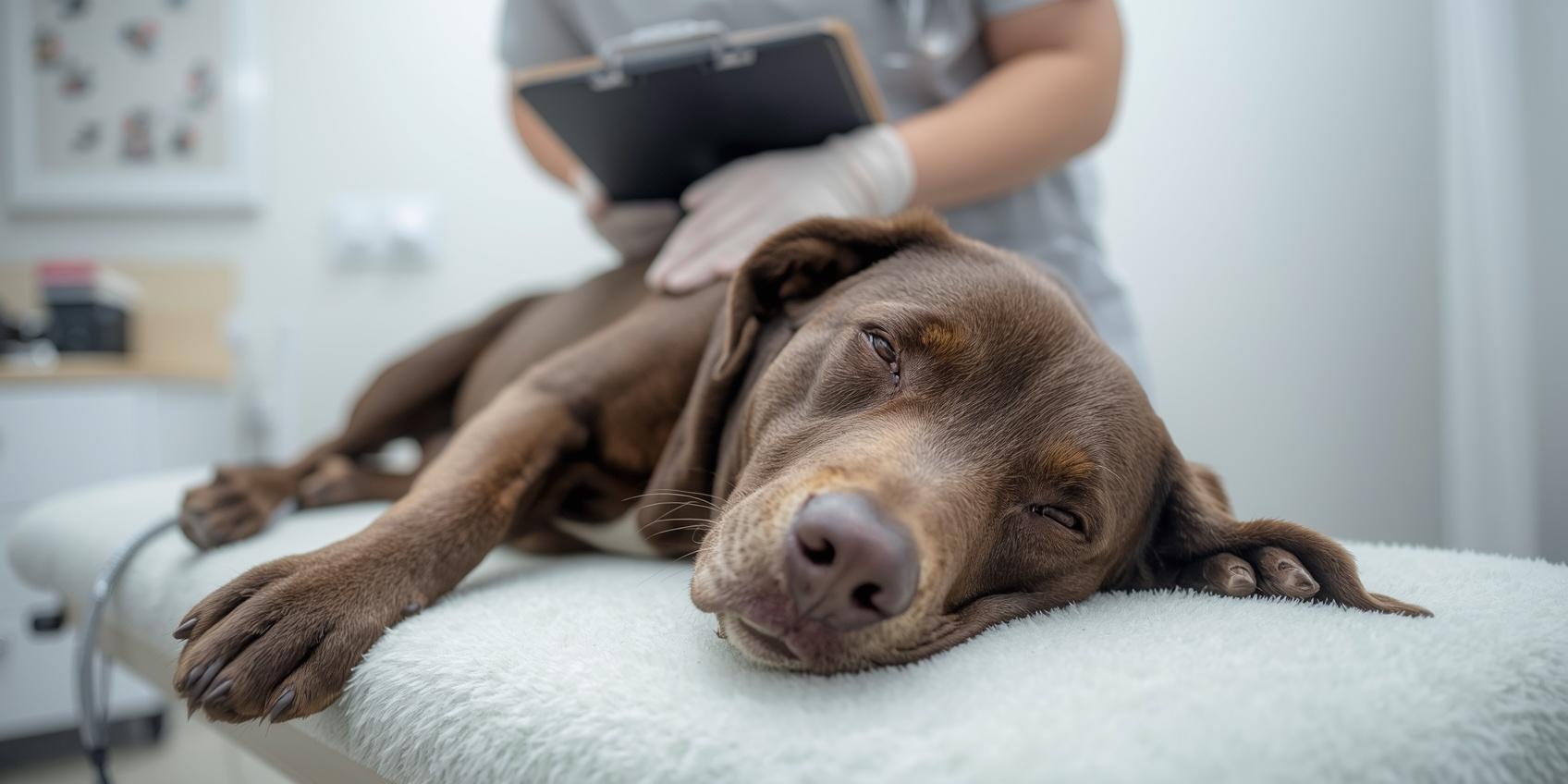
If you have a pet, you’ve probably heard about spay or neuter surgery. But do you really know why it’s so important for your furry friend?
This simple procedure can protect your pet’s health, improve their behavior, and even help control the pet population. Understanding what spay or neuter surgery involves and how it benefits your pet will help you make the best choice for their well-being.
Keep reading to discover everything you need to know to keep your companion happy and healthy.
Benefits Of Spaying And Neutering
Spaying and neutering pets offer many important benefits. These surgeries help keep pets healthy and calm. They also play a key role in controlling the number of homeless animals. Understanding these benefits can help pet owners make smart choices for their furry friends.
Health Advantages
Spaying and neutering lower the risk of certain cancers. Females have less chance of uterine infections and breast tumors. Males avoid testicular cancer and some prostate problems. These surgeries also reduce the risk of painful infections. Pets tend to live longer and healthier lives after surgery.
Behavioral Improvements
Neutered pets often show less aggression. They are less likely to roam far from home. Spayed females do not go into heat, avoiding related behaviors. These changes make pets easier to train and live with. Calm pets create a safer and happier home environment.
Population Control
Spaying and neutering prevent unwanted litters. This helps reduce the number of homeless animals. Shelters become less crowded and can care better for pets. Fewer stray animals mean less risk of disease spread. Controlling the population saves many lives and resources.
Credit: vetmed.illinois.edu
When To Schedule Surgery
Deciding the right time for spay or neuter surgery is important for your pet’s health. The timing affects recovery and long-term benefits. Knowing when to schedule helps avoid risks and supports your pet’s growth.
Veterinarians recommend certain ages based on species and breed. Your pet’s size and health also play a role in timing the surgery. Watch your pet closely to know when they are ready.
Ideal Age For Pets
Most pets can have surgery between four and six months old. This age allows them to grow strong before the procedure. Smaller breeds may have surgery earlier, while larger breeds might wait longer. Puppies and kittens often heal faster at this age. Early surgery helps prevent unwanted behaviors and health issues.
Signs Your Pet Is Ready
Your pet should be healthy and active before surgery. They need to eat well and have no infections. A calm temperament helps during recovery. Check with your vet if your pet has any health problems. Clear eyes, normal breathing, and good energy are good signs. Your vet will examine your pet to confirm readiness.
Surgical Procedure Details
Spay or neuter surgery is a common procedure for pets. It helps control pet populations and improves health. Understanding the surgical steps can reduce fear. Knowing what happens during surgery makes the process clearer.
What Happens During Surgery
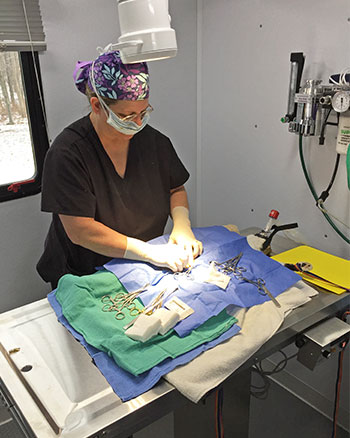
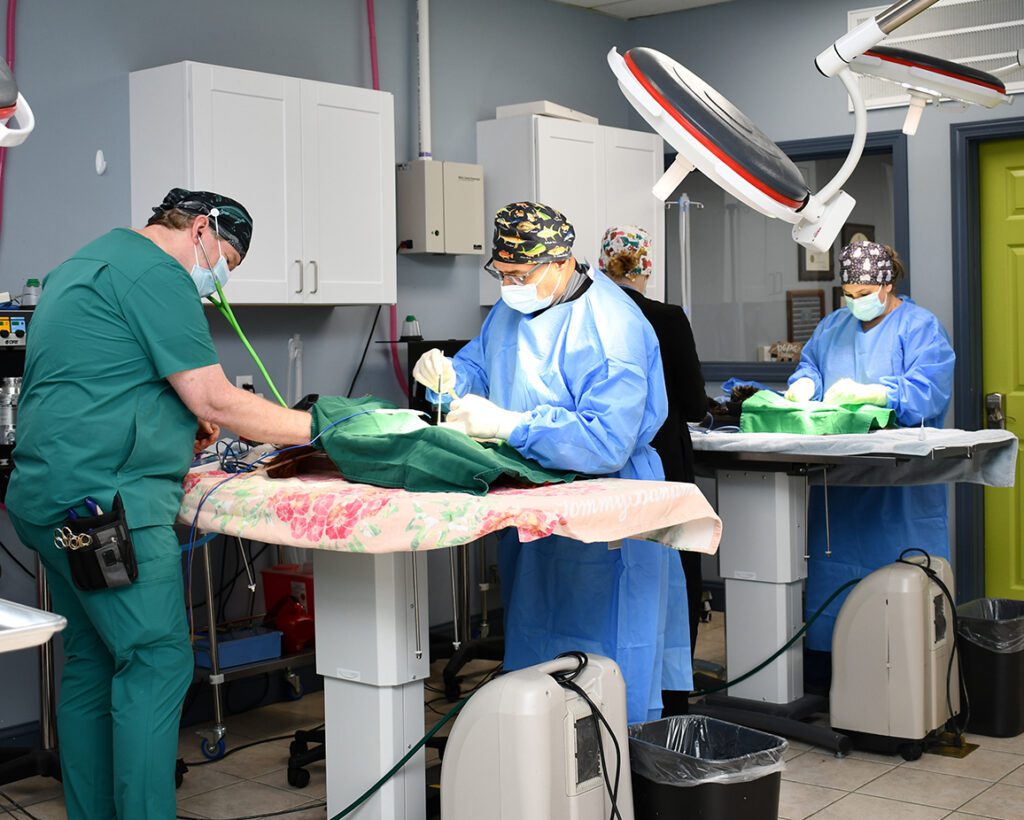
The surgery starts with a small cut near the pet’s belly. For females, the vet removes the ovaries and uterus. For males, the vet removes the testicles. The surgery usually takes less than an hour.
The vet carefully closes the cut with stitches. The pet wakes up slowly in a quiet room. The vet watches the pet to make sure it feels okay. Most pets go home the same day.
Types Of Anesthesia Used
Pets receive anesthesia to stay calm and pain-free. The vet uses general anesthesia, which makes pets sleep deeply. This stops pain and movement during surgery.
Before surgery, the vet may give a mild sedative. This helps pets relax before anesthesia. After surgery, pain medicine helps pets heal comfortably. The vet chooses safe drugs for each pet.
Risks And Complications
Spay or neuter surgery is a common procedure for pets. It helps control the animal population and can improve health. Like all surgeries, it carries some risks and possible complications. Knowing these helps pet owners prepare and care for their pets better.
Common Side Effects
Some side effects happen often but are usually mild. Pets may feel sleepy or tired for a day or two. Swelling or bruising near the surgery site can occur. Mild bleeding or scabbing is normal as the wound heals. Pets might lose their appetite for a short time. These effects generally go away within a few days. Monitoring the pet closely can catch any problems early.
Rare But Serious Issues
Serious complications are rare but need quick attention. Infection at the surgery site can happen if bacteria enter the wound. Signs include redness, swelling, and discharge. Internal bleeding is another risk, causing weakness or pale gums. Some pets may react badly to anesthesia with breathing or heart problems. A vet should be called immediately if any unusual symptoms appear. Early treatment can prevent worse outcomes.
Post-surgery Care
Post-surgery care is very important after spay or neuter surgery. Proper care helps pets heal faster. It also prevents infections and other problems. Owners should follow the vet’s advice closely. The right care makes a big difference in recovery.
Recovery Tips
Keep your pet calm and quiet for several days. Avoid running, jumping, or rough play. Use a clean, soft bed in a quiet room. Check the surgery site daily for redness or swelling. Do not let your pet lick or bite the area. Use an Elizabethan collar if needed. Give all medicines exactly as the vet says. Offer small meals at first, then normal food after 24 hours. Keep water available at all times.
Monitoring For Problems
Watch for signs of infection like redness, swelling, or bad smell. Notice if your pet has fever or seems very tired. Look for unusual bleeding or discharge from the surgery site. Check if your pet stops eating or drinking. Monitor for vomiting or diarrhea. Contact your vet right away if any problems appear. Early action can prevent serious issues. Keep a close eye on your pet’s behavior every day.
Cost And Accessibility
Spay and neuter surgery helps control pet populations and improves health. Many pet owners worry about the cost and finding a nearby clinic. Understanding typical prices and where to get help makes the process easier. Affordable options exist for most budgets and locations.
Typical Surgery Costs
The cost of spay or neuter surgery varies by pet size and location. For cats, prices usually range from $50 to $150. Dogs tend to cost more, often between $100 and $300. Larger dogs may have higher fees because surgery is more complex. Prices include anesthesia, surgery, and aftercare. Some vets charge extra for vaccinations or pain medicine. Costs differ between private clinics and animal shelters.
Low-cost Clinics And Assistance
Many communities offer low-cost spay and neuter clinics. These clinics help reduce costs for pet owners with limited funds. Nonprofit organizations often run special programs or events. Some offer vouchers or sliding scale fees based on income. Animal shelters sometimes provide free or low-cost surgery. Local government programs may also support these services. Call local shelters or animal control to find options nearby.
Credit: valuepetvet.com
Frequently Asked Questions
What Is Spay Or Neuter Surgery For Pets?
Spay or neuter surgery removes reproductive organs in pets. It prevents unwanted litters and reduces certain health risks. This procedure also helps control pet overpopulation and can improve behavior in some animals. It’s a routine, safe surgery performed by veterinarians.
When Is The Best Age To Spay Or Neuter Pets?
Most veterinarians recommend spaying or neutering pets between 4 to 6 months old. Early surgery can prevent unwanted behaviors and health issues. However, timing may vary based on the pet’s breed and health. Always consult your vet for personalized advice.
What Are The Benefits Of Spay Or Neuter Surgery?
Spaying or neutering prevents unwanted pregnancies and reduces the risk of cancers. It can decrease aggressive and territorial behaviors. This surgery also helps control pet population and reduces the risk of certain infections. Overall, it promotes a healthier, longer life for pets.
Are There Any Risks Associated With Spay Or Neuter Surgery?
Spay or neuter surgery is generally safe but carries minor risks like any surgery. Possible risks include infection, bleeding, or anesthesia reactions. Most pets recover quickly with proper care. Discuss potential risks with your veterinarian before the procedure.
Conclusion
Spaying or neutering helps keep pets healthy and happy. It prevents many health problems and unwanted litters. The surgery is safe and done by vets. Recovery is usually quick with proper care. Choosing this surgery shows responsible pet ownership. It also helps control stray animal populations.
Talk to your vet to learn more. Your pet will thank you with a longer, healthier life. Taking this step benefits both pets and communities. Simple, smart, and caring.