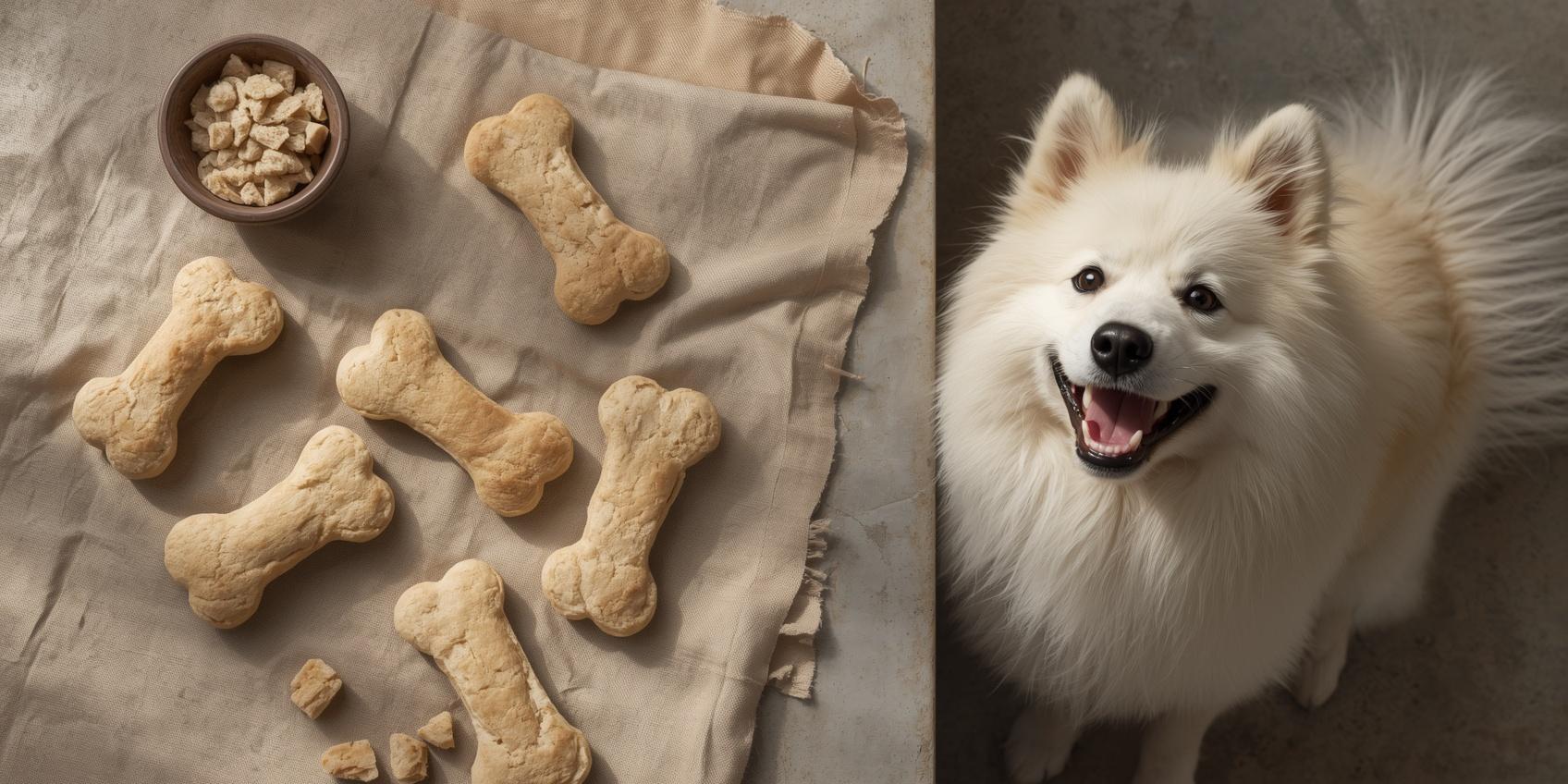
If you love treating your dog to something special, homemade sourdough dog treats are a delicious and healthy choice you can feel good about. Making these treats yourself lets you control every ingredient, ensuring your furry friend gets nothing but the best.
Plus, the unique tangy flavor and chewy texture of sourdough will have your dog wagging their tail for more. Keep reading to discover easy recipes and tips that will turn your kitchen into your pup’s favorite bakery!
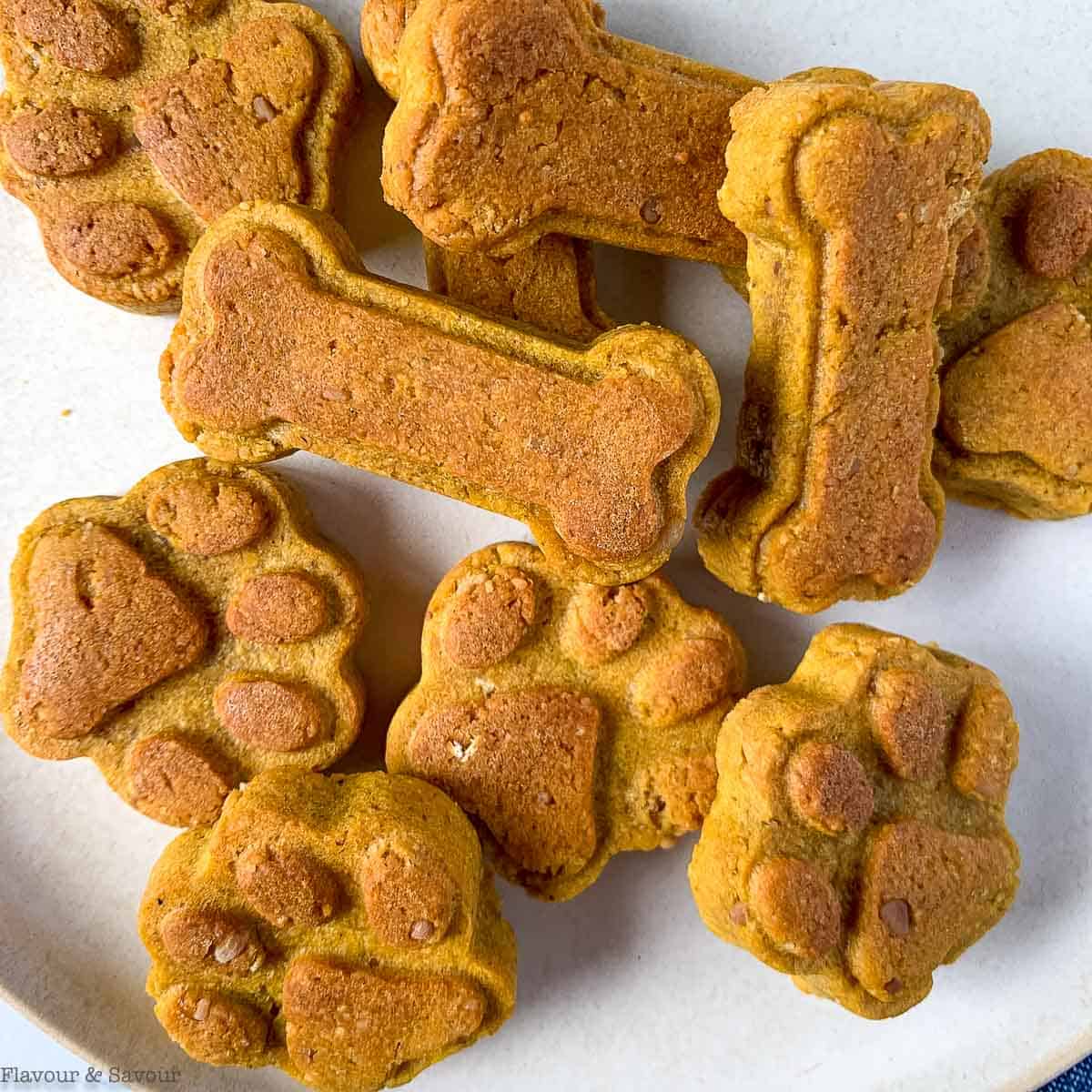
Credit: www.flavourandsavour.com
Benefits Of Sourdough Treats
Homemade sourdough dog treats offer many benefits for your furry friend. They are a healthy alternative to store-bought snacks. These treats support your dog’s digestion and overall health. Plus, you can control every ingredient used. That means safer and tastier treats for your pet.
Digestive Advantages
Sourdough treats contain natural probiotics. These good bacteria help balance your dog’s gut. A healthy gut means better digestion and nutrient absorption. Dogs with sensitive stomachs may find sourdough easier to digest. This reduces the chance of tummy upset and gas. Probiotics also boost the immune system naturally.
Natural Ingredients
Homemade sourdough treats use simple, natural ingredients. There are no artificial colors or preservatives. This lowers the risk of allergies and health problems. You can choose whole grains and fresh additions. These treats avoid harmful chemicals found in many commercial snacks. Natural ingredients keep your dog safe and happy.
Customization For Dogs
Making sourdough treats at home lets you customize recipes. Add flavors your dog loves, like pumpkin or peanut butter. Adjust the size and texture for small or large dogs. You can avoid ingredients that cause allergies or sensitivities. Homemade treats fit your dog’s needs perfectly. This personalization helps keep your dog healthy and satisfied.
Essential Ingredients
Making homemade sourdough dog treats needs the right ingredients. These ingredients keep your dog safe and happy. Choose flours and flavors that help your dog’s health. Avoid anything that can hurt your dog. This section explains what to use and what to skip.
Flours Suitable For Dogs
Choose flours that dogs can digest easily. Whole wheat flour is a good option for most dogs. Rice flour is gentle on sensitive stomachs. Oat flour adds fiber and is easy to find. Avoid flours with gluten if your dog is allergic. Use small amounts to prevent stomach upset.
Safe Additives And Flavors
Use natural flavors that dogs enjoy. Peanut butter without xylitol is a favorite. Pumpkin puree adds vitamins and moisture. Plain yogurt supports digestion and adds taste. Add a little cinnamon for flavor, but avoid nutmeg. Use fresh herbs like parsley for a healthy twist.
Avoiding Harmful Substances
Some ingredients can be toxic to dogs. Never use chocolate, grapes, or raisins. Avoid artificial sweeteners like xylitol. Onions and garlic are harmful and must be skipped. Salt and sugar should be very limited. Always check ingredients before using them in treats.
Creating The Sourdough Starter
Creating the sourdough starter is the first step in making homemade sourdough dog treats. This starter acts as a natural leavening agent and helps give the treats a unique flavor and texture. It is a mix of flour and water that captures wild yeast and good bacteria from the environment. This mix ferments over time to become bubbly and active. A healthy starter ensures your dog treats rise properly and taste great.
Starter Ingredients
The starter needs only two simple ingredients: flour and water. Use whole wheat or rye flour for best results. These flours contain more nutrients and natural yeast than white flour. Use clean, filtered water without chlorine. Chlorine can kill the yeast and bacteria needed for fermentation. Mix equal parts flour and water to begin your starter. Use a glass or plastic container for this process.
Feeding And Maintenance
Feed your starter daily to keep it alive and active. Remove half of the starter before feeding. Add fresh flour and water in equal parts to the remaining mixture. Stir well to combine. Keep the starter at room temperature, about 70°F (21°C). It will take about 5 to 7 days to become bubbly and ready for baking. If not used daily, store the starter in the refrigerator. Feed it once a week in this case.
Signs Of A Healthy Starter
A healthy starter bubbles and grows in size. It has a pleasant, slightly sour smell. The texture is thick but easy to stir. No pink or orange colors should appear. These signs mean the starter is active and safe to use. Use it to bake your dog treats once it doubles in size after feeding. An active starter gives your treats a light, crunchy texture dogs love.
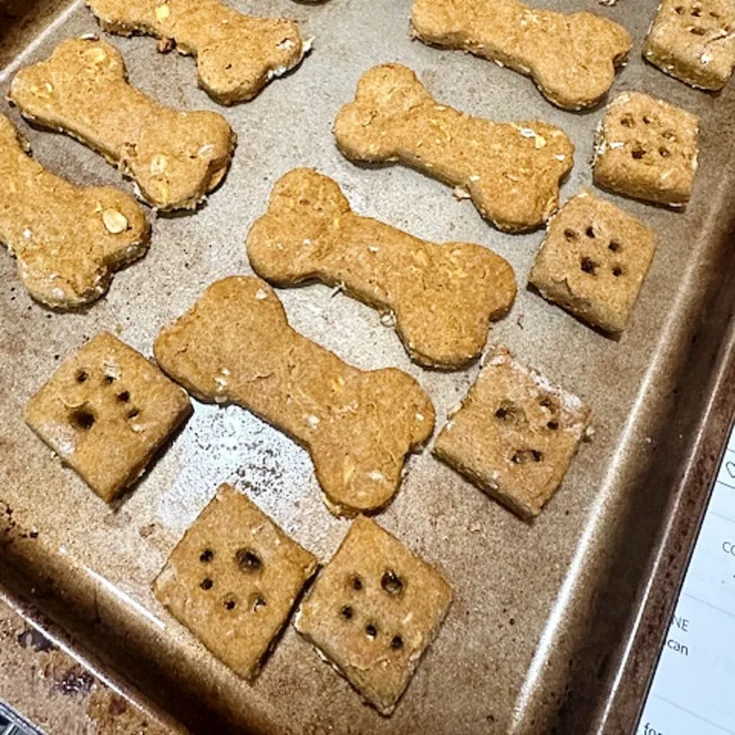
Credit: gbskitchen.com
Mixing The Dough
Mixing the dough is the first step in making homemade sourdough dog treats. It shapes the texture and flavor of the treats. Taking your time here helps create a perfect dough for baking.
Every ingredient plays an important role. The right mix makes dough easy to handle and tasty for your dog. Let’s break down the process into simple steps.
Measuring Ingredients
Start by measuring each ingredient carefully. Use a kitchen scale for accuracy. Precise amounts ensure consistent results every time. Too much flour or water changes the dough’s feel and taste.
Common ingredients include flour, sourdough starter, and water. Measure them in cups or grams. Keep everything ready before mixing. This makes the process smooth and fast.
Combining Flour And Starter
Mix the flour and sourdough starter in a large bowl. Stir gently to blend. The starter adds natural yeast and flavor. It helps the dough rise slightly and makes treats chewy.
Use a wooden spoon or your hands. Mix until the flour absorbs the starter fully. The dough will start to come together but still feel sticky.
Adjusting Consistency
Check the dough’s texture next. It should be soft but not too wet. Add a little flour if too sticky. Add water if too dry. Adjust in small amounts for best results.
The dough is ready when it holds together well. It should not stick too much to your hands. This balance helps shape treats easily and bake evenly.
Shaping And Cutting Treats
Shaping and cutting homemade sourdough dog treats is a fun part of the baking process. This step gives your treats a nice look and makes sure each piece is easy for your dog to eat. You can keep shapes simple or get creative. Proper portion sizes help keep your dog healthy and happy.
Tools For Shaping
Use cookie cutters for easy and neat shapes. A rolling pin helps flatten the dough evenly. A sharp knife can cut the dough into squares or strips. Silicone mats stop the dough from sticking. These tools make shaping faster and less messy.
Creative Shapes
Try bone-shaped cutters for a classic look. Hearts or stars add a fun touch. Use small round cutters for bite-sized treats. You can also shape dough by hand for unique forms. Keep shapes simple so they bake evenly.
Portion Sizes
Cut treats small for puppies or tiny dogs. Larger dogs can have bigger pieces. Aim for treats about one inch thick to bake well. Consistent sizes help with cooking time and feeding control. Watch your dog’s reaction and adjust sizes as needed.
Baking Tips
Baking homemade sourdough dog treats can be fun and rewarding. Proper baking ensures the treats are tasty and safe for your dog. Follow simple tips to get the best results every time.
Optimal Oven Temperature
Set your oven between 325°F and 350°F (160°C to 175°C). This range bakes the treats evenly without burning. Too hot, and the treats will brown too fast outside but stay soft inside. Keep the temperature steady for a crisp texture.
Baking Time Guidelines
Bake the treats for 20 to 30 minutes. Check after 20 minutes to avoid overbaking. The edges should be firm and slightly golden. The center must be dry and hard. Thicker treats need a few more minutes to bake fully.
Cooling And Storage
Let treats cool on a wire rack. Cooling helps them harden and stay crunchy. Store in an airtight container to keep freshness. Keep the container in a cool, dry place. Use treats within two weeks for best taste.
Safety And Storage
Making homemade sourdough dog treats is fun and healthy for your pet. Safety and proper storage keep the treats fresh and tasty. They help avoid spoilage and protect your dog’s health.
Shelf Life Of Treats
Fresh sourdough dog treats last about one week at room temperature. They stay good for two to three weeks if refrigerated. Freezing extends their life up to three months. Avoid keeping treats too long to keep them safe.
Proper Storage Methods
Store treats in an airtight container to keep moisture out. Use glass or plastic containers with tight lids. Keep them in a cool, dry place, away from sunlight. For longer storage, put treats in the fridge or freezer. Label containers with the date made for easy tracking.
Signs Of Spoilage
Check for mold on the treats before giving to your dog. A sour or off smell means spoilage. Treats that feel sticky or soft may be bad. If your dog refuses the treat, do not force it. Always toss spoiled treats to keep your dog safe.

Credit: food52.com
Flavor Variations
Flavor variations make homemade sourdough dog treats exciting. They keep your dog interested in each bite. Simple changes in ingredients can create new tastes and textures. This section explores easy ways to vary flavors using meats, vegetables, herbs, and seasonal items. Your dog will enjoy fresh and tasty treats every time.
Adding Meats And Vegetables
Meats add rich flavor and protein. Try cooked chicken, beef, or turkey. Chop them finely before mixing into the dough. Vegetables give treats a natural sweetness and crunch. Carrots, sweet potatoes, and peas work well. They add vitamins and fiber too. Avoid onions, garlic, and other harmful veggies.
Herbs And Supplements
Herbs bring fresh, mild flavors that dogs love. Parsley can freshen breath and add nutrients. Turmeric supports joints and digestion. Use small amounts to avoid strong smells. Supplements like fish oil add omega-3s for shiny coats. Probiotics help with gut health. Mix these into the dough carefully.
Seasonal Ingredients
Seasonal ingredients keep treats interesting all year. Pumpkin in fall adds moisture and fiber. Blueberries in summer offer antioxidants and sweetness. Apples in winter provide vitamins and crunch. Use fresh or frozen items. They make treats tasty and healthy, matching your dog’s natural diet.
Troubleshooting Common Issues
Making homemade sourdough dog treats can be fun and healthy for your pet. Sometimes, problems come up during baking. These issues can affect the texture, taste, and quality of the treats. Fixing these common problems helps you make better treats every time.
Dough Too Sticky Or Dry
Sticky dough is hard to shape and stick to your hands. Add a little flour, one tablespoon at a time. Mix well after each addition. Dry dough feels crumbly and cracks easily. Add small amounts of water or starter. Mix gently until dough becomes smooth and soft. Aim for dough that holds shape but is not sticky.
Treats Too Hard Or Soft
Hard treats can be tough for dogs to chew. Bake for a shorter time or at a lower temperature. Check treats often during baking. Soft treats might be underbaked. Bake longer until treats feel firm and dry. Use a toothpick to test inside the treat. It should come out clean and dry.
Starter Problems
A weak starter may not rise well. Feed your starter with fresh flour and water daily. Keep starter at room temperature for best results. If starter smells bad or has mold, discard and start fresh. A strong starter makes dough rise and adds flavor to treats.
Frequently Asked Questions
What Ingredients Are Needed For Sourdough Dog Treats?
You need sourdough starter, whole wheat flour, oats, peanut butter, and water. These ingredients are healthy and dog-safe.
How Long Do Homemade Sourdough Dog Treats Last?
Store treats in an airtight container for up to two weeks. For longer storage, freeze them for up to three months.
Are Sourdough Dog Treats Safe For All Dogs?
Yes, sourdough treats are generally safe but avoid if your dog has gluten allergies. Always consult your vet first.
Can Sourdough Treats Improve My Dog’s Digestion?
Yes, sourdough fermentation creates probiotics that may aid digestion and support gut health in dogs.
Conclusion
Making homemade sourdough dog treats is fun and healthy. You control the ingredients and avoid bad additives. Your dog will enjoy fresh, tasty snacks every day. Baking at home saves money and shows love for your pet. Try different shapes and flavors to keep treats exciting.
Share your treats with friends and their dogs too. Small efforts bring big smiles to your furry friend. Give it a try—you and your dog will both benefit. Simple, natural, and delicious treats are worth the time.