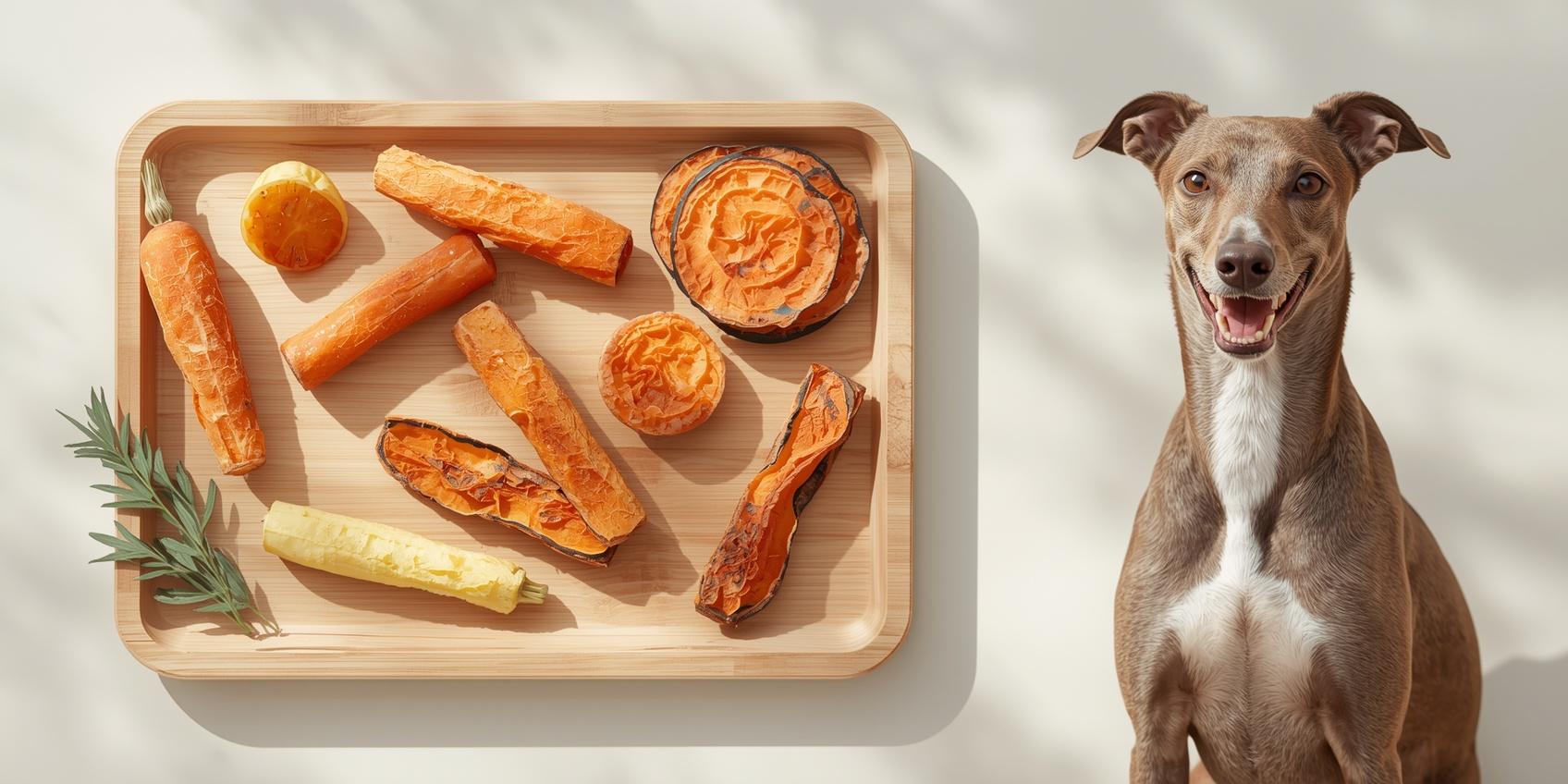
Are you looking for a healthy, tasty treat for your furry friend? Dehydrated vegetable dog treats might be just what your dog needs.
These simple snacks are packed with nutrients and free from artificial additives. Imagine giving your dog something crunchy, delicious, and good for their body—all in one bite. Keep reading to discover why dehydrated vegetable treats can be a game-changer for your dog’s diet and how you can easily make or choose the best ones.
Your dog will thank you!
Credit: naturespetcuisine.com
Benefits Of Dehydrated Treats
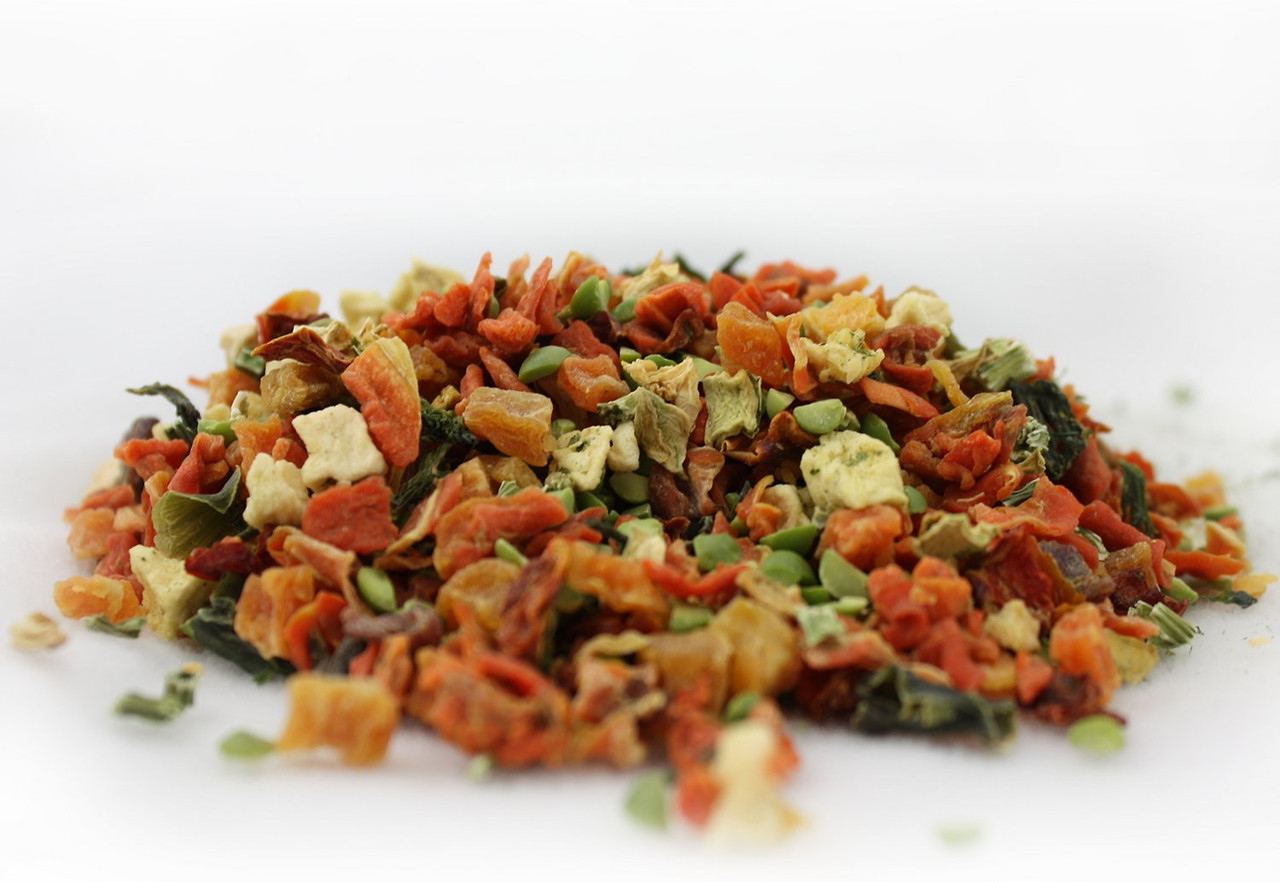
Dehydrated vegetable dog treats offer many benefits for your pet. They keep the natural taste and nutrients of vegetables. These treats are a healthy snack option. Dogs enjoy the crunchy texture, making treat time fun and rewarding.
Nutritional Value
Dehydrated treats keep most vitamins and minerals intact. The low heat drying process preserves nutrients better than cooking. Vegetables provide fiber, which helps digestion. These treats give your dog natural energy without additives.
Long Shelf Life
Removing moisture stops bacteria and mold growth. This means treats last longer without spoiling. You can store them easily at room temperature. No need for preservatives or refrigeration.
Natural Ingredients
These treats contain only simple, whole vegetables. No artificial colors, flavors, or chemicals. They are safe and gentle on your dog’s stomach. Pure ingredients reduce allergy risks and keep pets healthy.

Credit: vilapieneza.com.br
Choosing Vegetables
Choosing the right vegetables for dehydrated dog treats is very important. The vegetables must be healthy and safe for dogs. They should also keep their nutrients and flavor after drying. Picking fresh and suitable vegetables helps make treats tasty and good for your dog’s health.
Safe Options For Dogs
Carrots, green beans, and sweet potatoes are great choices. These vegetables are gentle on dogs’ stomachs. They provide vitamins and fiber dogs need. Cucumbers and zucchini also work well. They have high water content and low calories. These vegetables dry nicely without losing nutrients.
Avoiding Toxic Vegetables
Onions, garlic, and leeks are harmful to dogs. They can cause serious health problems. Avoid raw or cooked forms of these vegetables. Also, stay away from mushrooms found outside. Some wild mushrooms are poisonous. Always check the vegetable list before making treats.
Organic Vs Conventional
Organic vegetables have fewer pesticides and chemicals. This is safer for your dog’s health. Conventional vegetables may have residue from sprays. Washing well helps but does not remove all chemicals. Organic veggies often taste fresher. Choosing organic can improve the quality of your dog treats.
Preparation Steps
Preparing dehydrated vegetable dog treats takes a few simple steps. Each step helps keep the vegetables fresh and tasty. Proper preparation also keeps the treats safe for dogs. Follow these steps to make healthy snacks for your pet.
Washing And Peeling
Start by washing vegetables thoroughly under cold water. Dirt and pesticides must be removed completely. Use a vegetable brush for rough skins like carrots. Peel vegetables like potatoes and sweet potatoes to remove outer layers. Clean vegetables help ensure safe and tasty treats.
Cutting Techniques
Cut vegetables into uniform pieces for even drying. Small slices or thin strips work best. Avoid thick chunks that take longer to dry. Use a sharp knife for clean cuts. Consistent size helps the dehydrator work efficiently.
Blanching Tips
Blanch vegetables by boiling them briefly, then cooling in ice water. This step preserves color and texture. It also kills bacteria and stops enzymes that cause spoilage. Blanching time varies by vegetable type. Usually, 2 to 5 minutes is enough.
Credit: firstfilbio.com
Dehydration Methods
Dehydration removes moisture from vegetables, making dog treats last longer. This process keeps nutrients and flavors intact. Different methods can be used to dehydrate vegetables. Each method has its own benefits and steps.
Using A Food Dehydrator
A food dehydrator is a popular tool for drying vegetables. It uses low heat and a fan to remove water evenly. This method is fast and keeps nutrients well. Simply slice vegetables thin and place them on trays. Set the temperature between 125°F and 135°F. Drying time varies from 6 to 12 hours. Check for crispness to know when it is done.
Oven Drying Process
The oven can also dry vegetables for dog treats. Preheat the oven to the lowest temperature, around 140°F. Spread thin slices on a baking sheet in a single layer. Keep the oven door slightly open for air flow. This helps moisture escape and speeds drying. Turn the slices every hour to dry evenly. It takes 4 to 8 hours depending on vegetable type.
Air Drying
Air drying is the simplest method but takes the longest time. Hang or lay thin vegetable slices in a warm, dry place. Avoid areas with high humidity or direct sunlight. This method can take several days to a week. Vegetables dry slowly but keep their shape well. It works best with thin, small pieces. Patience is key for this natural drying method.
Storage And Serving
Storing and serving dehydrated vegetable dog treats properly keeps them fresh and tasty. Good storage stops moisture and air from spoiling the treats. Serving the right amount helps your dog stay healthy and happy. Follow these tips for best results.
Proper Storage Containers
Use airtight containers to store dehydrated vegetable dog treats. Glass jars with tight lids work well. Plastic containers with seals also keep air out. Avoid leaving treats in open bags or boxes. Keep containers in a cool, dry place away from sunlight.
Shelf Life Expectations
Dehydrated vegetable treats usually last up to six months. Shelf life depends on storage conditions and moisture levels. Check treats for any signs of mold or smell changes. Toss any treat that looks or smells off. Proper containers can extend freshness and prevent spoilage.
Serving Size Guidelines
Offer treats as small rewards or snacks. Limit serving size based on your dog’s weight. For small dogs, one or two small pieces work well. Larger dogs can have a few more, but avoid overfeeding. Treats should not replace regular meals or daily nutrition.
Troubleshooting Common Issues
Troubleshooting common issues with dehydrated vegetable dog treats helps keep them safe and tasty. These treats must stay fresh, crunchy, and mold-free. Many problems come from moisture, drying time, or storage. Fixing these issues improves the treat’s quality and your dog’s enjoyment.
Mold Prevention
Mold grows when moisture stays inside the treat or container. Dry vegetables fully before storing. Use airtight containers to stop air and humidity. Store treats in a cool, dry place away from sunlight. Check treats often for any signs of mold. Throw away any treat that looks or smells bad.
Maintaining Crunchiness
Crisp treats keep dogs happy and healthy. Avoid storing treats in humid areas. Use a dehydrator or oven to dry vegetables evenly. Let treats cool completely before sealing them. Add a small silica gel packet to the container to absorb moisture. Crunchy treats last longer and taste better.
Avoiding Over-drying
Over-drying makes treats too hard and brittle. This can break teeth or reduce flavor. Follow recommended drying times for each vegetable type. Check treats often during drying. Remove them when they are firm but still slightly flexible. Proper drying keeps treats safe and enjoyable.
Frequently Asked Questions
What Are Dehydrated Vegetable Dog Treats?
Dehydrated vegetable dog treats are dried veggies made into chewable snacks for dogs. They retain nutrients and natural flavors without additives or preservatives.
Are Dehydrated Vegetable Treats Safe For Dogs?
Yes, these treats are safe when made from dog-friendly vegetables. Avoid toxic veggies like onions or garlic. Always check ingredient lists.
How Do Dehydrated Treats Benefit My Dog’s Health?
They provide fiber, vitamins, and minerals in a natural form. Dehydrated treats support digestion and promote healthy skin and coat.
Can I Make Dehydrated Vegetable Dog Treats At Home?
Absolutely! Slice dog-safe vegetables thin, dehydrate in a food dehydrator or oven, and store in airtight containers. Homemade treats are fresh and customizable.
Conclusion
Dehydrated vegetable dog treats offer a healthy snack option. They keep nutrients and taste without added chemicals. Dogs enjoy the crunchy texture and natural flavors. Making these treats at home saves money and controls ingredients. They support your dog’s health and digestion well.
Try different vegetables to find your dog’s favorite. Simple, natural, and tasty—good for pets and owners alike. Give your dog a treat they will love and benefit from.