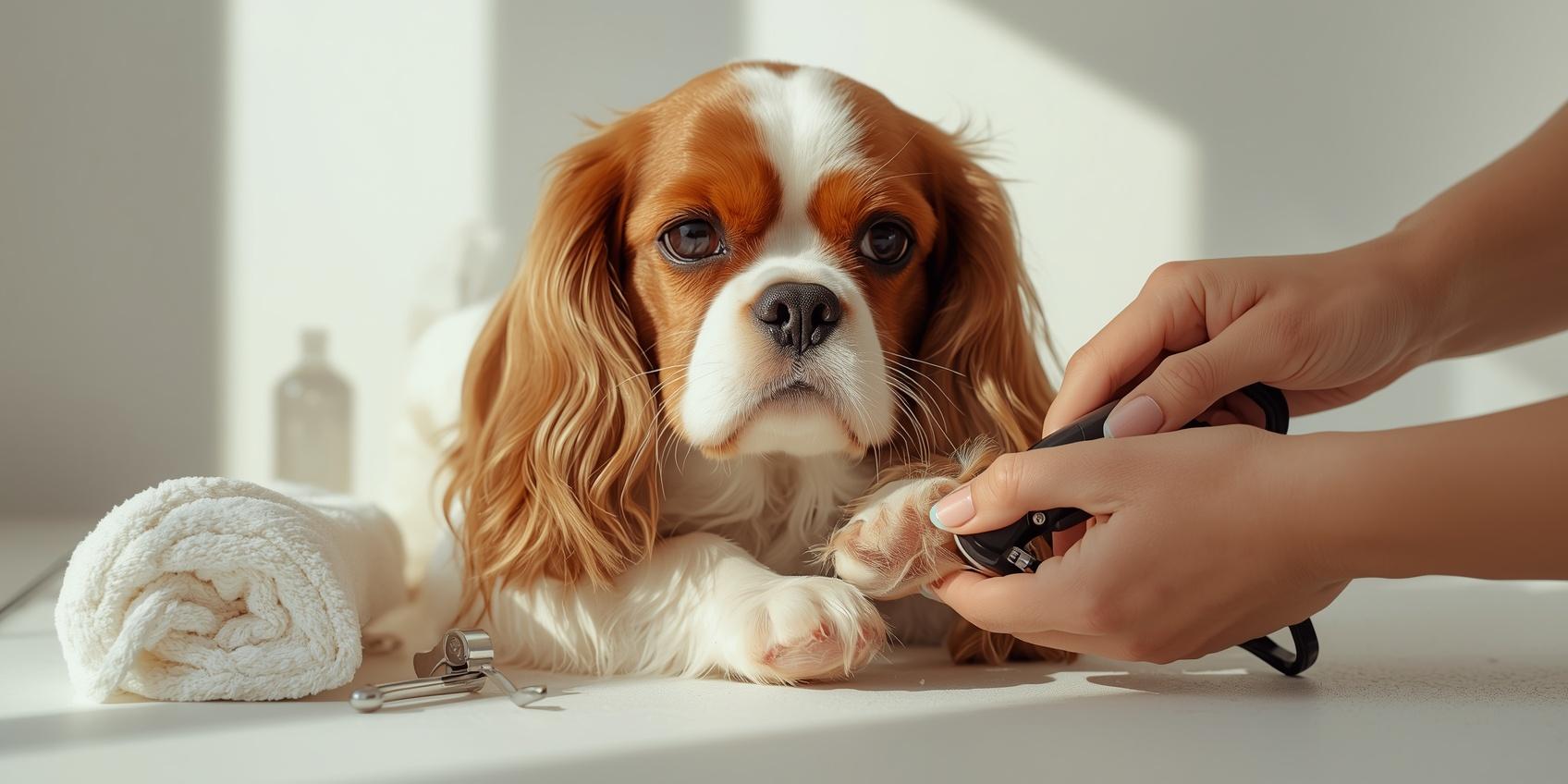
Taking care of your Cavalier’s nails is more important than you might think. If you’ve ever noticed your dog scratching the floor or heard clicking sounds when they walk, their nails might be too long.
Trimming your Cavalier’s nails not only keeps them comfortable but also helps prevent pain and injuries. But if you’re unsure how to do it right, don’t worry—you’re in the right place. Keep reading, and you’ll learn simple, safe steps to make nail trimming easy and stress-free for both you and your furry friend.

Credit: www.youtube.com
Why Nail Care Matters
Trimming your Cavalier’s nails is more than just grooming. It keeps your dog healthy and happy. Nails that grow too long can cause pain and other problems. Regular nail care helps avoid these issues. Understanding why nail care matters makes it easier to keep up with this task.
Health Benefits
Long nails can hurt your Cavalier’s paws. They may cause cracks or infections. Nails that grow too much can change the way your dog walks. This leads to joint pain and muscle strain. Keeping nails short helps your dog move comfortably. It also reduces the risk of injuries during play or walks.
Behavioral Impact
Dogs with long nails often feel uncomfortable. They might lick or bite their paws more. Discomfort can make your Cavalier restless or nervous. Trimming nails keeps your dog calm and relaxed. A happy dog behaves better and enjoys time with you. Nail care helps your dog feel good inside and out.
Tools You’ll Need
Trimming your Cavalier’s nails needs the right tools. Using proper equipment makes the task safe and easy. These tools help avoid pain and injury for your dog. Prepare everything before you start for a smooth process.
Types Of Nail Clippers
There are three main types of nail clippers. Guillotine clippers have a small hole to place the nail. A blade then slices the tip quickly. Scissor clippers look like scissors but with strong blades. They work well for small to medium nails. Electric grinders file the nails down slowly. They are quiet and reduce the chance of cutting too short.
Choose clippers that fit your dog’s nail size. Sharp blades make clean cuts. Dull tools can crush the nails and cause pain.
Additional Supplies
Keep some extra supplies close by. A styptic powder helps stop bleeding if you cut too deep. Nail files smooth rough edges after clipping. Treats reward your dog and make them calm. A towel or blanket can help hold your dog steady. Good lighting is important to see the nail clearly.
Preparing Your Cavalier
Preparing your Cavalier for nail trimming helps make the process smooth. Calm and comfort are key. A relaxed dog is easier to handle and less stressed. Taking time before trimming helps your dog feel safe and ready.
Start by creating a quiet space. No loud noises or distractions. This keeps your Cavalier focused and calm. Gather all tools before you begin. This avoids interruptions and sudden movements.
Calming Techniques
Speak softly to your dog. Use a gentle voice to soothe them. Pet your Cavalier slowly to relax muscles. Offer small treats as rewards. This builds positive feelings about nail care.
Try short massage sessions on paws. This gets your dog used to touch. Let them sniff the nail clippers first. Familiar scents reduce fear and anxiety.
Proper Positioning
Place your Cavalier on a stable surface. Use a non-slip mat for safety. Hold your dog gently but firmly. Support their body to prevent sudden moves.
Lift one paw at a time. Keep your grip soft around the paw pads. Avoid squeezing too hard. Position the paw so you see the nails clearly.

Credit: www.akc.org
Step-by-step Nail Trimming
Trimming your Cavalier’s nails keeps them healthy and comfortable. Regular nail care stops pain and prevents damage. The process can be simple with the right steps. Knowing how to trim safely helps you avoid hurting your dog.
Identifying The Quick
The quick is the pink part inside the nail. It has blood vessels and nerves. Cutting the quick causes pain and bleeding. Light-colored nails show the quick clearly. Dark nails need more care to find it. Look for a small dark spot or stop trimming if you see a white circle. Always trim little by little to avoid cutting the quick.
Safe Cutting Methods
Use sharp, clean nail clippers made for dogs. Hold your Cavalier’s paw gently but firmly. Trim small pieces of the nail at a time. Stop if the nail feels soft or you see the quick. File the edges after cutting to avoid sharp tips. Praise your dog during and after trimming to keep them calm. Have styptic powder ready to stop bleeding if you cut the quick.
Aftercare Tips
After trimming your Cavalier’s nails, proper care is very important. It helps keep your dog calm and prevents problems. Small steps after clipping can make a big difference.
Take time to check your dog’s paws and nails. Watch for any signs of pain or injury. Keep your dog comfortable and relaxed during this time.
Dealing With Bleeding
Bleeding can happen if the nail is cut too short. Use a clean cloth to press on the nail gently. This will help stop the bleeding fast.
Apply a little styptic powder or cornstarch to the nail tip. These help stop bleeding quickly. Avoid using strong chemicals or creams that may hurt your dog.
Keep your dog still and calm during this process. Praise and soft words help reduce their stress.
Rewarding Your Dog
Give your Cavalier a small treat after nail trimming. This creates a positive link with the experience. Use treats your dog loves, like small pieces of meat or biscuits.
Praise your dog with a gentle voice and petting. This builds trust and calmness. Repeat this after every nail trim session.
Rewarding helps your dog feel safe and happy next time. It makes future nail trims easier for both of you.
How Often To Trim
Trimming your Cavalier’s nails is important for their health and comfort. Nails that grow too long can cause pain and affect how your dog walks. Knowing how often to trim helps keep your dog happy and safe.
Most Cavaliers need nail trimming every 3 to 4 weeks. This depends on their activity and how fast their nails grow. Dogs who walk a lot outside may need trims less often.
Signs Nails Are Too Long
Look for nails that click on the floor when your dog walks. This sound means the nails are too long. Long nails can curl and press into the paw pads. Your dog may limp or avoid walking comfortably.
Watch for nails that touch the ground even when your dog stands still. These nails can break or cause injuries. Check your dog’s paws regularly to spot long nails early.
Scheduling Regular Sessions
Set a regular nail trimming schedule to avoid overgrowth. Mark your calendar every 3 to 4 weeks. This helps keep nails at a healthy length.
Make nail care part of your dog’s routine. Regular trims reduce stress for both you and your dog. Use the same tools and a calm space to make sessions easier.
Common Mistakes To Avoid
Trimming your Cavalier’s nails is important for their health and comfort. Many dog owners make mistakes that can hurt their pets or cause stress. Knowing common errors helps keep your dog safe and calm.
Cutting Too Short
Cutting nails too short can cause pain and bleeding. The quick, a sensitive part inside the nail, can get cut easily. This causes bleeding and discomfort for your dog. Always cut small amounts and check the nail tip carefully. Use good lighting and sharp clippers for better control.
Ignoring Behavioral Signs
Cavaliers may show signs of fear or pain during trimming. Whining, pulling away, or trembling means stop and calm them. Ignoring these signs can make nail trimming harder next time. Take breaks and offer treats to keep your dog relaxed. Watch your dog’s body language closely throughout the process.
Frequently Asked Questions
How Often Should I Trim My Cavalier’s Nails?
Trim your Cavalier’s nails every 3 to 4 weeks. Regular trimming prevents overgrowth and discomfort. Check nails monthly to maintain proper length and avoid splitting or cracking.
What Tools Are Best For Trimming Cavalier Nails?
Use a sharp, small pet nail clipper or grinder for precision. These tools reduce the risk of splintering. Always choose tools designed for small dog breeds for safety and comfort.
How Do I Avoid Cutting The Quick In Nails?
Cut small amounts gradually to avoid the quick. The quick is the sensitive part inside nails with blood vessels. If unsure, trim little by little or seek professional help.
Can I Trim My Cavalier’s Nails At Home Safely?
Yes, with proper tools and care, home trimming is safe. Ensure good lighting and calm your dog before starting. If nervous, consult a groomer or vet for guidance.
Conclusion
Trimming your Cavalier’s nails keeps them healthy and happy. Short nails stop pain and help your dog walk well. Use the right tools and trim slowly for safety. Watch for the quick—the part that can bleed if cut. Regular trims prevent damage to floors and furniture.
Stay calm to keep your pet relaxed during trimming. Small steps make nail care easy over time. Caring for nails shows love and keeps your dog comfortable. Keep a schedule to avoid overgrown nails. A happy dog means happy you.