Does your dog scratch nonstop or seem uncomfortable after playing outside? If you’ve noticed these signs, your furry friend might be struggling with allergies. Here is the best solution with natural remedies for dog allergies.
You want to help your dog feel better without turning to harsh chemicals or expensive treatments. Luckily, there are simple, natural remedies that can ease your dog’s allergy symptoms and improve their quality of life. Keep reading to discover easy, effective ways you can support your dog’s health and bring back their happy, itch-free days.
Credit: hutchpaving.com
Common Dog Allergies
Dogs can suffer from different allergies that cause discomfort. These allergies make dogs scratch, lick, or sneeze a lot. Knowing the common types helps in finding natural relief. Allergies can come from food, the environment, or pests like fleas.
Food Allergies
Food allergies happen when a dog’s body reacts to certain ingredients. Common triggers include beef, chicken, dairy, and grains. Signs include itching, ear infections, and upset stomach. A simple diet change often helps reduce symptoms. Natural options like limited ingredient diets can soothe sensitive dogs.
Environmental Allergies
Environmental allergies come from pollen, dust, mold, or grass. Dogs breathe or touch these allergens daily. Symptoms include sneezing, watery eyes, and skin irritation. Bathing with gentle shampoos and wiping paws can reduce exposure. Using natural air purifiers or keeping dogs indoors on high pollen days helps too.
Flea Allergies
Flea allergies cause strong itching and skin problems. Flea saliva triggers this reaction after a bite. Even one flea can cause big trouble. Natural flea control like regular grooming and natural repellents works well. Keeping your home clean reduces flea presence and keeps dogs comfortable.
Signs Of Allergies In Dogs
Dogs cannot tell us when they feel itchy or sick. Watching closely for signs of allergies helps protect their health. Allergies in dogs show in many ways. Some signs are easy to spot, others need careful observation. Understanding these signs lets you help your dog quickly.
Skin Irritations
Itchy skin is a common allergy sign. Your dog may scratch or bite their fur. Red, swollen, or dry patches often appear on the skin. Hair loss in certain spots is another clue. Sometimes, small bumps or scabs form from scratching. These irritations cause discomfort and may lead to infection.
Digestive Issues
Allergies can upset your dog’s stomach. Vomiting or diarrhea may occur without warning. Some dogs have gas or bloating. Loss of appetite is also a sign to watch for. Digestive troubles can weaken your dog over time. Keep track of any changes in eating or bathroom habits.
Behavioral Changes
Allergies can make dogs restless or tired. They might seem more anxious or irritable than usual. Excessive licking or chewing at paws can signal discomfort. Your dog may avoid activities they once loved. Changes in sleep patterns can also be a symptom. These shifts in behavior reveal your dog’s hidden pain.
Dietary Changes
Diet plays a big role in managing dog allergies. Changing your dog’s diet can reduce allergic reactions. It helps avoid common triggers found in many foods. A healthy diet supports the immune system and skin health. Simple dietary changes may ease itching and inflammation. Here are some natural dietary options to consider.
Hypoallergenic Diets
Hypoallergenic diets contain proteins less likely to cause allergies. These diets use novel protein sources like duck or venison. They avoid common allergens such as beef, chicken, or dairy. Hypoallergenic foods reduce the chance of triggering allergic reactions. Many vets recommend these diets for dogs with skin issues. Switching to hypoallergenic food can improve your dog’s comfort.
Supplements For Allergies
Supplements can support your dog’s allergy defense. Omega-3 fatty acids reduce skin inflammation and dry skin. Probiotics improve gut health, which affects the immune system. Natural herbs like quercetin act as natural antihistamines. Always check with a vet before adding supplements. Proper doses help maximize benefits without side effects.
Elimination Diets
Elimination diets help identify specific food allergies. You feed your dog limited ingredients for several weeks. Slowly reintroduce foods one at a time to spot reactions. This process reveals which foods cause itching or digestion problems. Patience is key during elimination diets. They guide you to the safest foods for your dog.
Herbal Remedies
Herbal remedies offer gentle relief for dog allergies. They help soothe irritated skin and reduce inflammation. Many herbs have natural healing properties that support your dog’s comfort. Using herbs can be a safe and natural way to ease allergy symptoms.
Calendula
Calendula is a bright flower known for its healing power. It helps calm itchy and red skin on dogs. Calendula also fights bacteria and speeds up skin repair. You can use calendula cream or wash to treat hot spots and rashes.
Chamomile
Chamomile has soothing and anti-inflammatory effects. It reduces swelling and eases itching caused by allergies. Chamomile tea can be cooled and applied to the skin as a gentle rinse. This herb also helps dogs relax and feel calm.
Aloe Vera
Aloe vera gel is famous for cooling burns and irritation. It hydrates dry skin and reduces redness on dogs. Aloe vera acts quickly to soothe allergy flare-ups. Use pure aloe vera gel directly on affected areas for best results.
Essential Oils And Treatments
Essential oils offer a natural way to help ease dog allergies. These plant extracts contain compounds that can reduce itching and inflammation. Many pet owners choose essential oils to support their dog’s comfort without harsh chemicals.
Choosing the right oils and using them properly is key. Some oils are safe and effective, while others can harm your dog. Learn how to apply oils safely and what precautions to take.
Safe Oils For Dogs
Lavender oil is gentle and helps calm itchy skin. Chamomile oil reduces redness and soothes irritation. Frankincense oil supports the immune system and eases inflammation. Cedarwood oil can repel pests that trigger allergies. Always use oils labeled safe for pets.
Application Methods
Dilute essential oils with a carrier oil like coconut oil before use. Apply the mix to the dog’s fur or skin, avoiding eyes and nose. Use a diffuser in the room to let your dog breathe the scent. Always start with small amounts to check for reactions.
Precautions
Do not use undiluted oils directly on your dog. Avoid oils like tea tree or pennyroyal; they can be toxic. Watch your dog closely for signs of discomfort or allergy. Stop use immediately if your dog shows redness, swelling, or vomiting. Consult your vet before starting any new treatment.
Home Care Practices
Home care plays a big role in managing dog allergies naturally. It helps reduce allergens that cause discomfort. Simple daily habits can make a huge difference. These steps keep your dog clean and the home safe. Consistent care also prevents allergy flare-ups.
Regular Baths
Bathing your dog often removes allergens from fur and skin. Use gentle, hypoallergenic shampoos made for dogs. Avoid human soaps that can irritate sensitive skin. Baths wash away pollen, dust, and other irritants. Keep water lukewarm to soothe itchy skin. Dry your dog thoroughly to prevent moisture buildup.
Cleaning The Environment
Allergens hide in carpets, bedding, and furniture. Vacuum floors and upholstery regularly using a HEPA filter vacuum. Wash your dog’s bedding weekly in hot water. Keep windows closed during high pollen days. Use air purifiers to reduce airborne allergens inside. Clean surfaces with pet-safe, non-toxic cleaners.
Flea Control Naturally
Fleas worsen allergic reactions in dogs. Use natural flea repellents like neem oil or apple cider vinegar sprays. Maintain a clean yard free of debris and tall grass. Diatomaceous earth can help eliminate fleas without chemicals. Check your dog’s coat often for signs of fleas. Natural flea collars offer gentle protection without harsh ingredients.
When To See A Vet
Dog allergies can cause discomfort and health problems. Natural remedies help with mild symptoms. Some signs need urgent care. Knowing when to see a vet protects your dog’s health.
Signs Of Severe Allergies
Watch for swelling of the face, paws, or ears. Difficulty breathing or persistent coughing also signals danger. Excessive scratching that breaks the skin needs attention. Sudden vomiting or diarrhea may mean a strong allergic reaction. These signs require immediate veterinary care.
Allergy Testing
A vet can perform tests to find allergy causes. Blood tests check for reactions to pollen, food, or dust mites. Skin tests help identify specific allergens. Knowing the cause helps choose the right treatment. Testing is important if natural remedies do not work.
Medical Treatment Options
Vets may prescribe antihistamines or steroids to reduce symptoms. Allergy shots can build immunity over time. Special diets may help with food allergies. Medications work faster for severe cases. Follow the vet’s advice for the best care.
:strip_icc()/home-remedies-for-itchy-dogs-4177184-f9ae9d40e6cc42878d9f290d136461f8.jpg)
Credit: hutchpaving.com
Credit: www.akcpetinsurance.com
Frequently Asked Questions
What Are Common Natural Remedies For Dog Allergies?
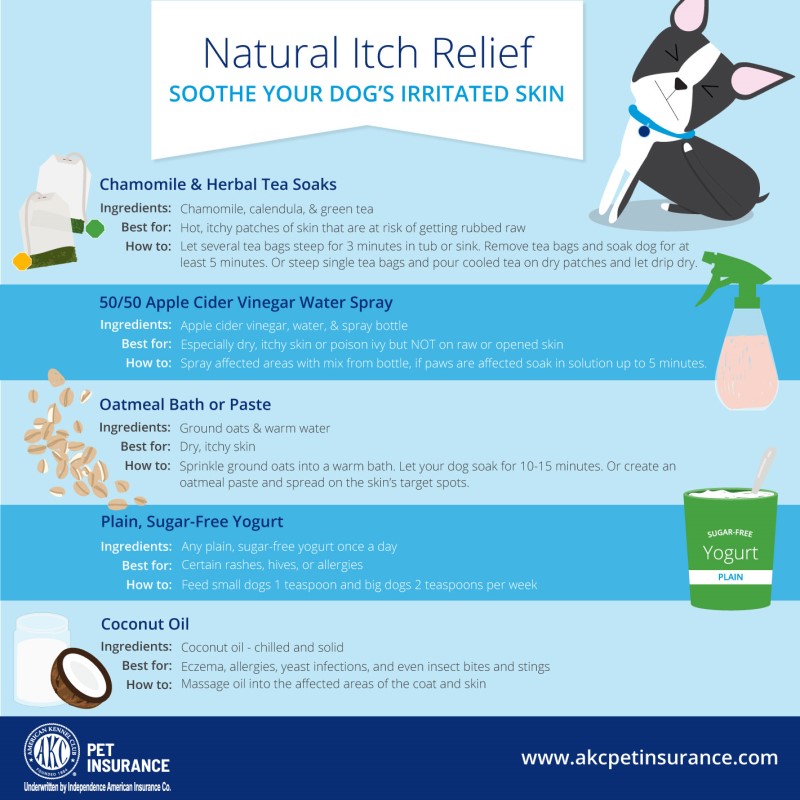
Common natural remedies include oatmeal baths, coconut oil, and apple cider vinegar. These soothe itchy skin and reduce inflammation. Adding fish oil supplements can improve coat health. Always consult your vet before starting any natural treatment for your dog’s allergies.
How Does An Oatmeal Bath Help Allergic Dogs?
Oatmeal baths calm irritated skin and relieve itching. The colloidal oatmeal forms a protective barrier, reducing inflammation. This natural remedy is safe and gentle for dogs with sensitive skin. Regular baths can help manage allergy symptoms effectively without harsh chemicals.
Can Dietary Changes Reduce Dog Allergy Symptoms?
Yes, switching to a hypoallergenic or limited ingredient diet can reduce allergy symptoms. Removing common allergens like beef or dairy helps identify triggers. Adding omega-3 fatty acids supports skin health and lowers inflammation. Always discuss diet changes with your veterinarian first.
Is Apple Cider Vinegar Safe For Treating Dog Allergies?
Apple cider vinegar diluted with water can relieve itching and disinfect skin. It has antibacterial and antifungal properties that help with secondary infections. Avoid using it on open wounds or raw skin. Consult your vet for proper dilution and application methods.
Conclusion
Natural remedies can help ease your dog’s allergy symptoms safely. Simple changes like improving diet and using herbs may reduce discomfort. Always watch your dog closely for any signs of relief or trouble. Consult your vet before trying new treatments.
Patience and care are key to finding what works best. Your dog deserves comfort and happiness every day. Keep exploring natural options with love and attention.